Knihobot

Claudio Ronco Pořadí knih (chronologicky)

    Contributions to Nephrology - 137: Hemodialysis Technology
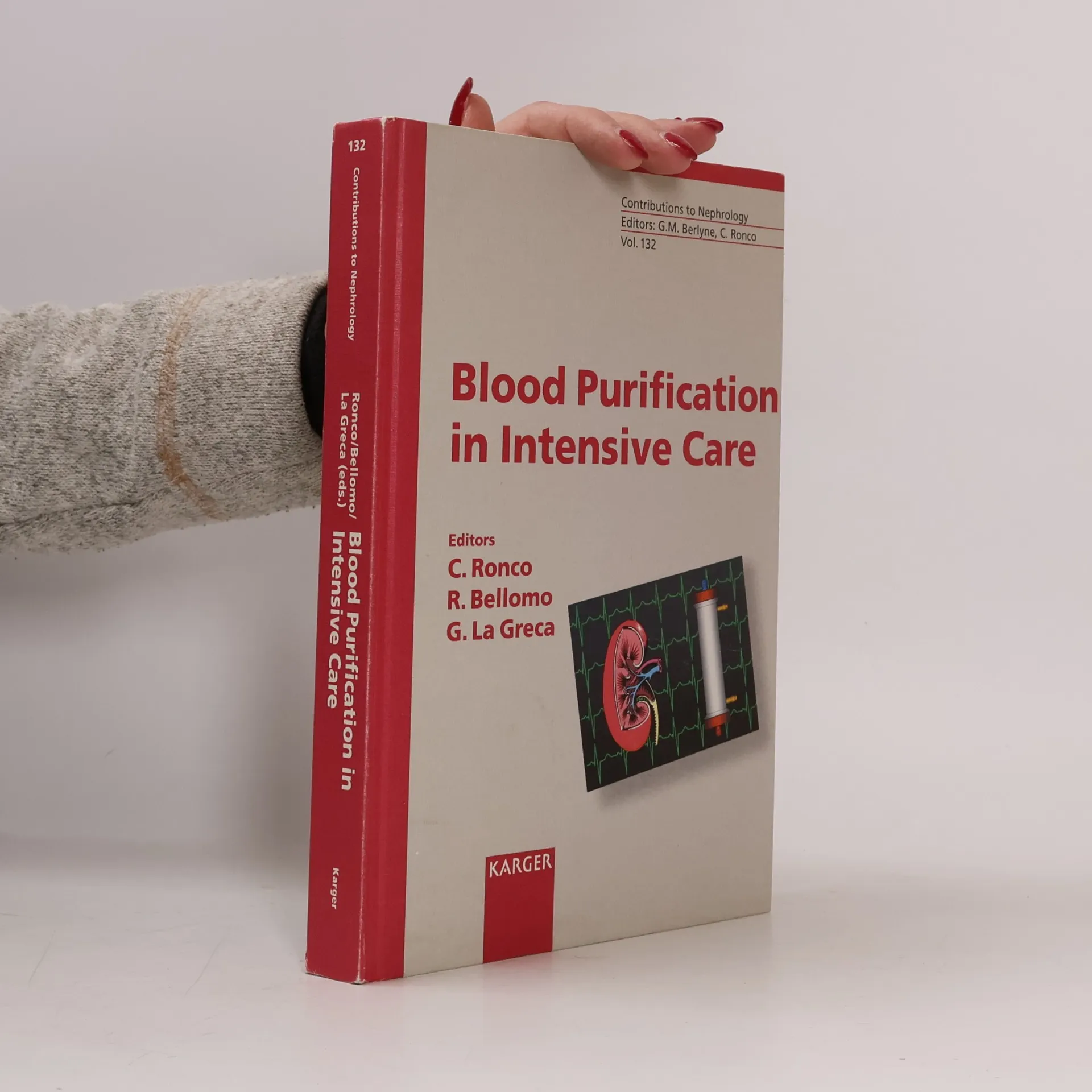
    Contributions to Nephrology - 132: Blood Purification in Intensive Care
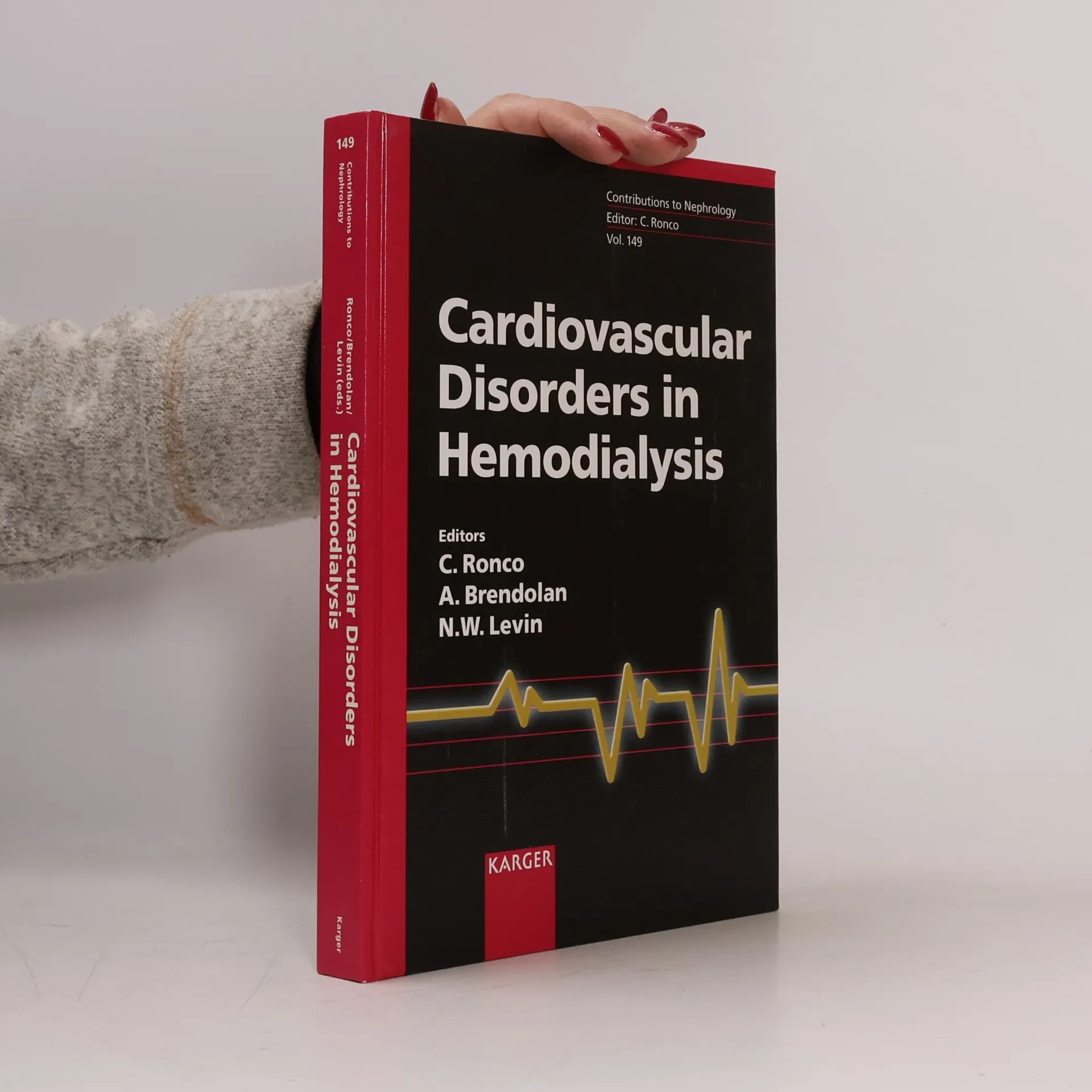
    Contributions to Nephrology - 149: Cardiovascular Disorders in Hemodialysis
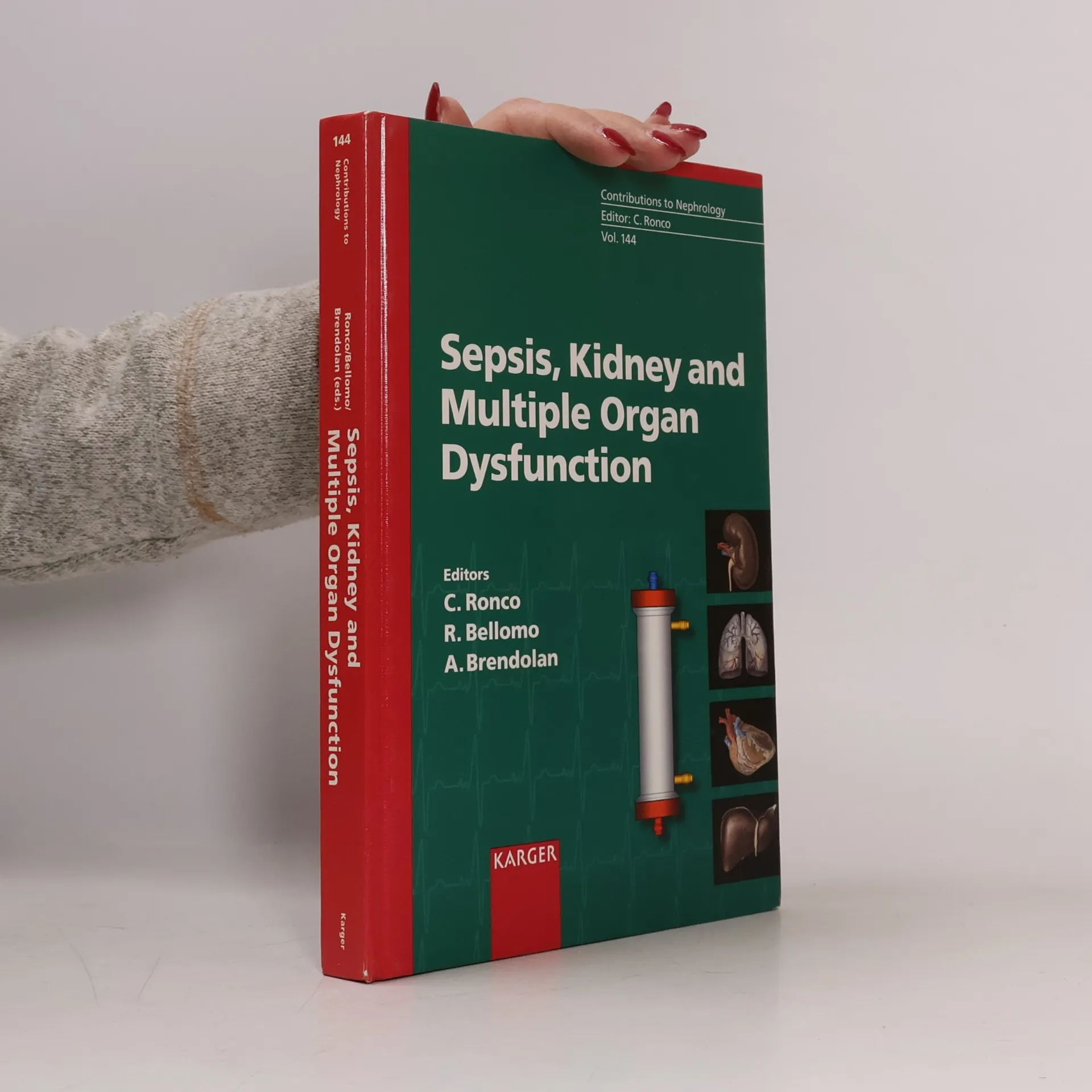
    Contributions to Nephrology - 143: Sepsis, Kidney And Multiple Organ Dysfunction
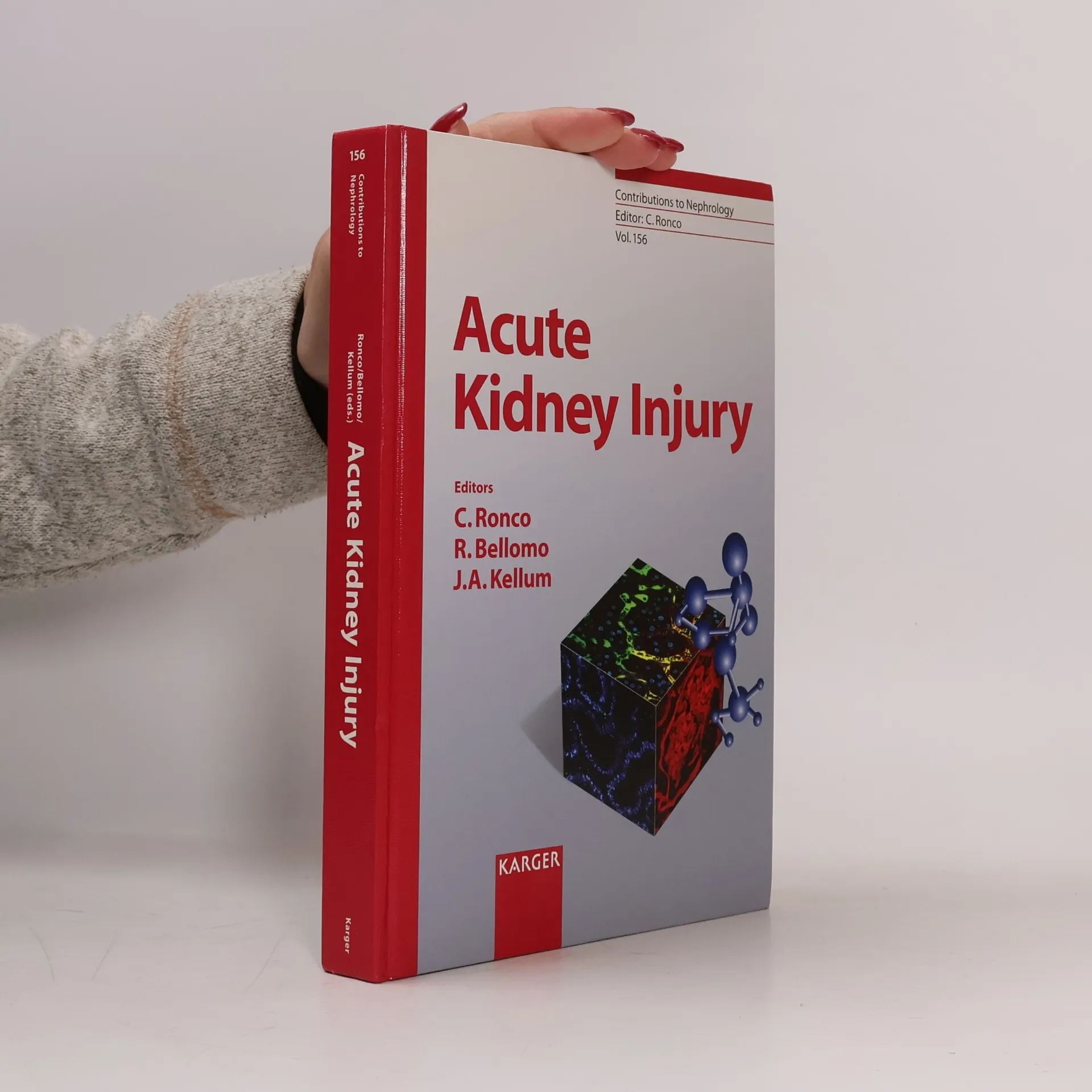
    Contributions to Nephrology - 156: Acute Kidney Injury
    Hemodialysis vascular access and peritoneal dialysis access
    • Despite constant significant advances, cardiovascular as well as more general outcomes of hemodialysis treatment remain unsatisfactory. The introduction of innovative 'high retention onset' membranes has led to the development of a new treatment modality called 'expanded hemodialysis' (HDx), which is the focus of this book. This new therapy is likely to benefit end-stage kidney disease patients, thanks to enhanced removal of molecules retained by current dialysis techniques. HDx is simple to set up and application does not require special hardware or specific nursing skills. This book contains emerging evidence and fascinating new hypotheses on HDx. It is highly recommended for all physicians and healthcare professionals who are caring for dialysis patients and are seeking innovation and improved care solutions. It will also be of considerable interest to students and fellows.

      Contributions to Nephrology - 191: Expanded Hemodialysis2017
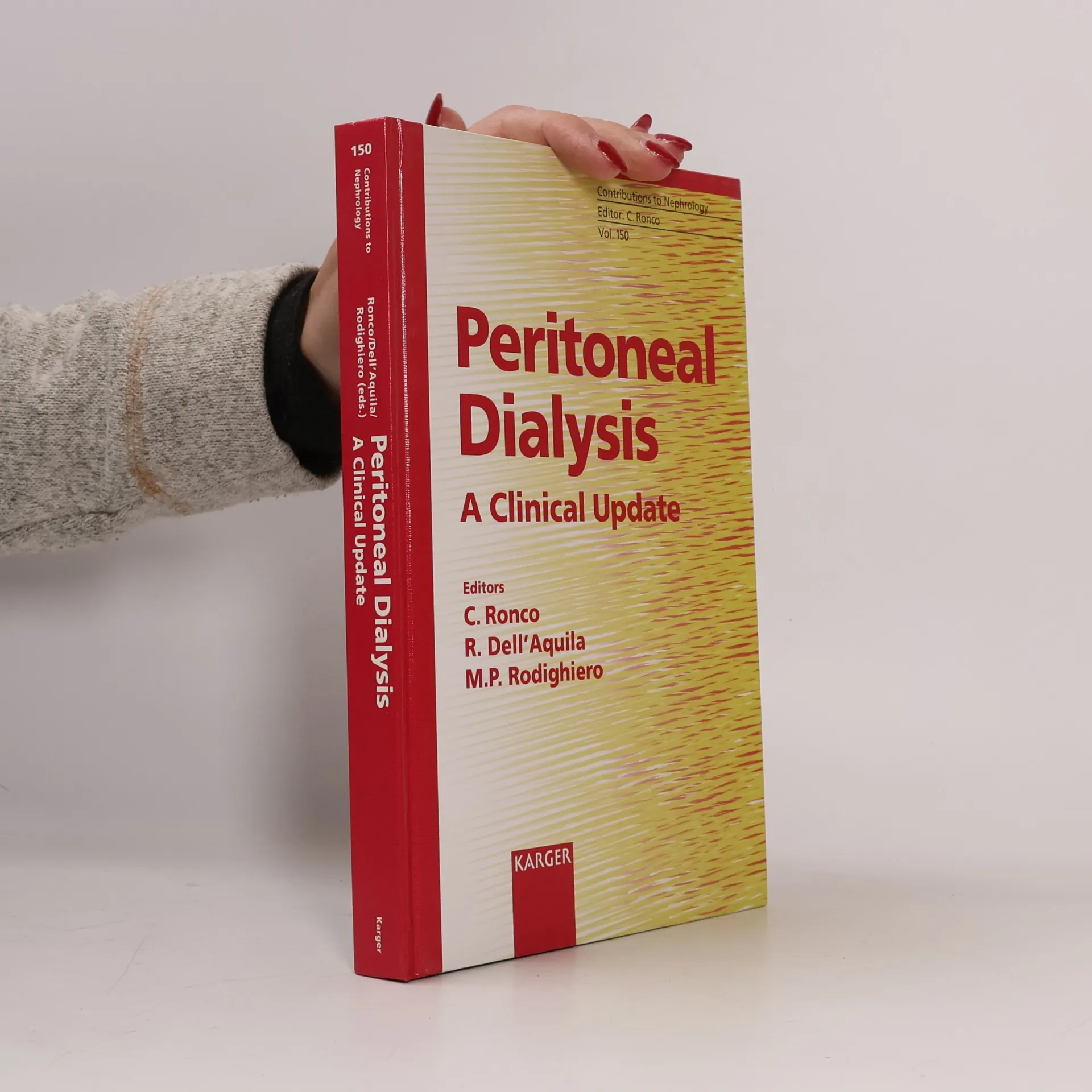
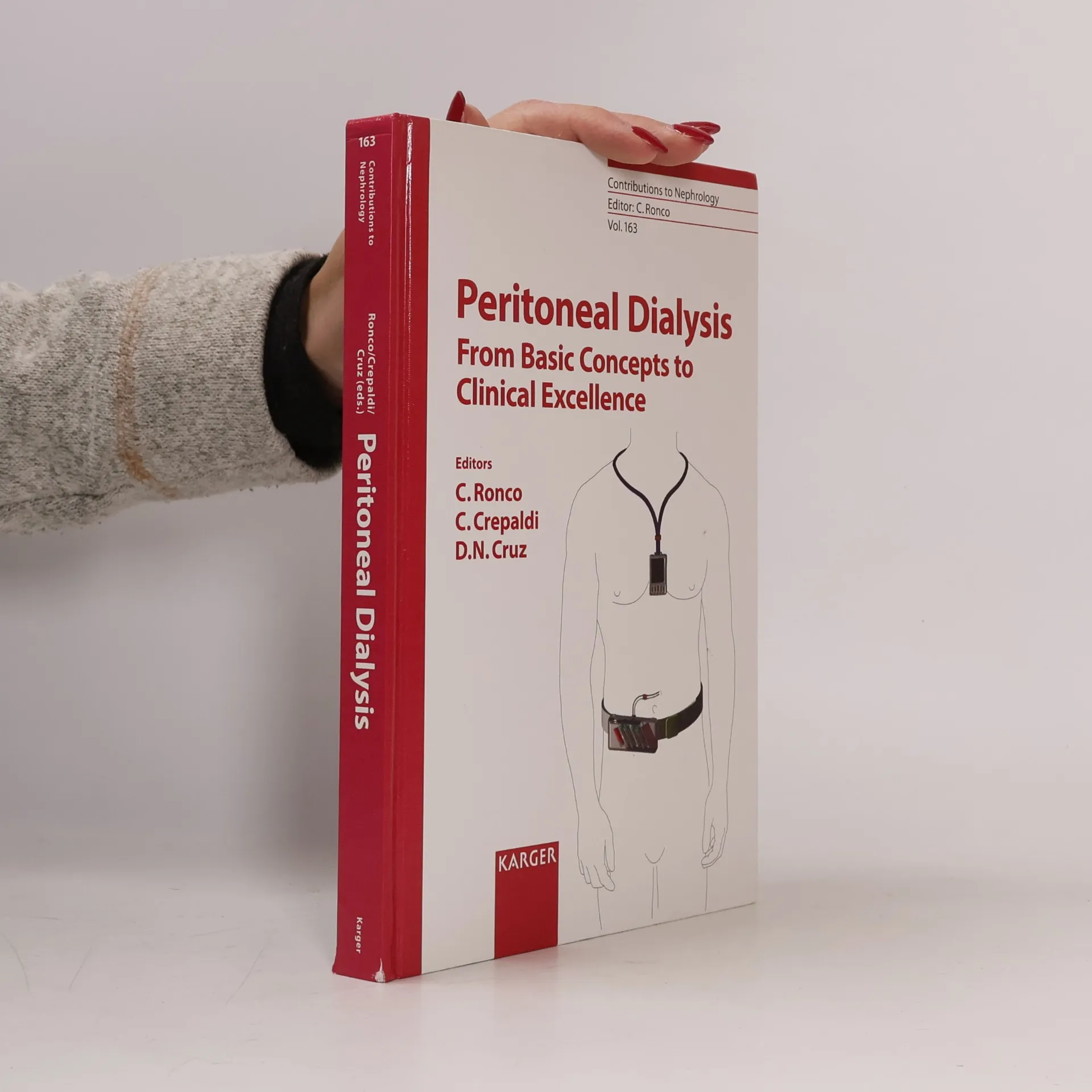
    • Contributions to Nephrology - 163: Peritoneal Dialysis

      From Basic Concepts to Clinical Excellence

      • 328 stránek
      • 12 hodin čtení

      The importance of peritoneal dialysis (PD) in the therapy of chronic kidney disease has been steadily increasing. The simultaneous advancement in clinical practice and basic research has increased overall knowledge and led to significant progress in the safe and adequate application of PD. Moreover, integration with other techniques in the therapy of uremia represents an important step in the optimization of the whole program of renal replacement therapy. Leading experts in the field have contributed to this volume, discussing topics such as the biology of the peritoneal membrane, dialysis solutions, inflammation and nutrition, PD adequacy, or complications and their management or PD in special settings. This compilation updates and expands the information on PD published in previous volumes of the series ‘Contributions to Nephrology’. It represents an important source of information for beginners and experts, basic scientists and clinical physicians, students and investigators who want to have a true update on current research and clinical practice in peritoneal dialysis.

      Contributions to Nephrology - 163: Peritoneal Dialysis2009
    • Acute kidney injury is characterized by sudden changes in serum creatinine and urine output, affecting many ICU patients. Despite its prevalence, treatment options remain limited, and understanding of the condition is still developing. This volume features insights from an interdisciplinary panel of experts who explore various facets of the disorder, including pathophysiology, treatment, emerging biomarkers, and genetic polymorphisms. Contributions also address immunological concerns and the complications arising from acute kidney injury in patients with co-morbid conditions, presenting both foundational knowledge and the latest advancements. Key technical aspects of extracorporeal therapies, such as vascular access, anticoagulation, and fluid composition, are discussed alongside different renal support strategies, including intermittent dialysis, continuous therapies, and hybrid techniques. The text concludes with an overview of advanced extracorporeal organ support methods and their significance in managing sepsis and acute kidney injury within the broader context of multi-organ failure. This volume not only summarizes current knowledge and technology but also fosters a deeper understanding of pathogenesis and anticipates future developments, prompting a re-examination of fundamental assumptions about critical illness and acute kidney injury.

      Contributions to Nephrology - 156: Acute Kidney Injury2007
    • Even though peritoneal dialysis (PD) is by now well established and its advantages in terms of clinical efficacy, social impact and individual tolerance are acknowledged, it is still underutilized on a global scale. In view of this fact, the publication at hand has two objectives, namely to provide help to identify possible obstacles to a wider application of PD and to advance a project called USS PD: Understanding, Starting and Sustaining Peritoneal Dialysis (initiated by the Department of Nephrology, Dialysis and Transplantation of the St. Bortolo Hospital in Vicenza, Italy). The initial part of this book is thus dedicated to basic principles of PD, as understanding how this technique works is one of the prerequisites to improve the quality of its application and, ultimately, its outcomes. In the second part, in-depth reviews help the physician to identify the benefits and problems involved in a PD program, facilitating the initiation of a new program or the start of new patients on PD. The third part, finally, is dedicated to potential complications and technical solutions designed to solve the problems of the different techniques. This helps physicians to sustain the use of PD after having acquired the know how and the capacity of starting the program. Everyone interested in understanding and implementing PD will highly profit from the papers presented in this publication.

      Contributions to Nephrology - 150: Peritoneal Dialysis2006
    • Contributions to Nephrology - 149: Cardiovascular Disorders in Hemodialysis

      14th International Course on Hemodialysis, Vicenza, May 2005

      • 363 stránek
      • 13 hodin čtení

      Hemodialysis therapy has become a well-established form of renal replacement, and due to continuous improvements in technology, a series of new biomaterials and techniques for the clinical routine have been developed. Nevertheless, cardiovascular disorders in hemodialysis and uremia represent one of the most important aspects of modern nephrological care. This publication is therefore dedicated to cardiovascular risk factors, the role of the endothelium, problems related to mineral disorders and finally to the possible impact of new technologies on the final outcome in hemodialysis. Being a state-of-the-art appraisal of today’s technology and current issues in hemodialysis with special regard to cardiovascular disorders and risk factors, this book is a synthesis between an educational effort aimed at the newer generations of physicians and nurses in the field of hemodialysis and a state-of-the-art description of the most advanced technologies in this field. At the same time, the lessons learned from large international trials, either already completed or to be completed in the years to come, are presented.

      Contributions to Nephrology - 149: Cardiovascular Disorders in Hemodialysis2005
    • Severe sepsis is a leading cause of death in the U.S. and the most common cause of mortality in Intensive Care Units globally, presenting significant challenges in critical care medicine. It severely impacts kidney function and other organs through complex mechanisms involving the immune response, inflammatory pathways, intracellular dysfunction, and hemodynamic instability. Effective management necessitates a deep understanding of general medicine, immunology, nephrology, extra-corporeal technology, fluid resuscitation, and critical care endocrinology. Nephrologists and intensive care specialists must be well-versed in the epidemiology of sepsis, mechanisms of injury, and recent insights into fluid resuscitation, acid-base physiology, and glucose control. Familiarity with new monitoring techniques for critically ill patients and advanced extra-corporeal blood purification therapies is also essential. Contributions from experts in intensive care medicine, nephrology, endocrinology, and immunology provide a cutting-edge perspective on developments that enhance the care of patients facing severe sepsis, acute renal failure, and multiple organ failure. This synthesis of fundamental knowledge and recent clinical and laboratory advancements serves as a valuable resource for professionals dedicated to the care of critically ill patients.

      Contributions to Nephrology - 143: Sepsis, Kidney And Multiple Organ Dysfunction2004
    • Recent developments have spurred a renewed interest in novel solutions to access the patient circulation, mainly concentrating on vascular access for renal replacement therapies and on peritoneal dialysis access. Starting with the epidemiology, the focus then shifts to the evolution of new techniques and monitoring procedures with regard to hemodialysis, which are discussed and evaluated. Attention is also paid to the new biomaterials available, concentrating on their improved biocompatibility and surface characteristics. As developments in the field of peritoneal dialysis have taken a similar turn, new devices providing access to the peritoneal cavity which have recently been made available are introduced next. Last but not least, the management of complications and the continuous maintenance and care of the access with regard to both hemodialysis and peritoneal dialysis are highlighted. This book provides a complete overview of the devices, catheters and methods currently available to ensure successful vascular and peritoneal access. Taking into account both the physiology of the extracorporeal circulation and the mechanisms of peritoneal dialysis with regard to the most adequate access techniques, this is a unique resource for clinicians, investigators and researchers in the field of renal replacement therapy

      Hemodialysis vascular access and peritoneal dialysis access2004
      3,0
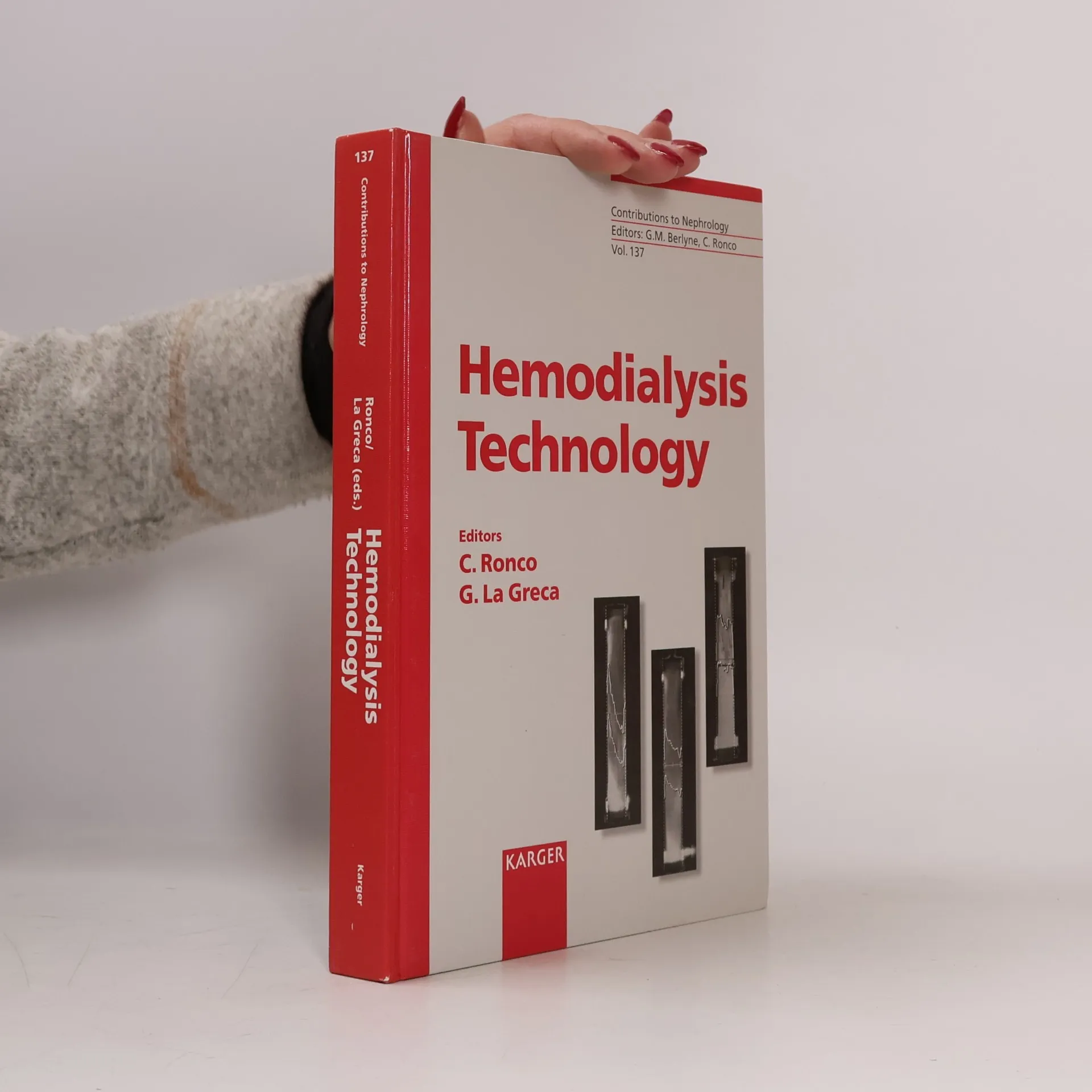
    • This publication compiles papers from the 'First International Course on Hemodialysis Technology' held in Vicenza in June 2002. It addresses a broad spectrum of topics, including vascular access, monitoring access function, anticoagulation strategies, and antimicrobial treatments, particularly concerning temporary catheters and prosthetic devices. Experts and manufacturers discuss membrane composition, structure, sterilization methods, and performance, merging science, theory, and manufacturing processes. Similar integration occurs with hemodialyzers, adsorbent devices, dialysis techniques, and machines. A notable focus is on computer-assisted data collection and management, explored by specialists in electronic data management and large dialysis network managers, emphasizing quality assurance and continuous improvement programs. The purity of dialysate and water is highlighted as crucial for advanced techniques like online hemodiafiltration. Additionally, findings from the IDOPPS study inform discussions on practice patterns and anemia management. Future trends, including automatic sensors and biofeedback monitors, are also examined. This comprehensive overview of hemodialysis technology serves as a valuable resource for physicians and nurses for both education and information.

      Contributions to Nephrology - 137: Hemodialysis Technology2002
    • Contributions to Nephrology - 132: Blood Purification in Intensive Care

      2nd International Course on Critical Care Nephrology, Vicenza, May 2001

      • 430 stránek
      • 16 hodin čtení

      In the last twenty years, critical care medicine has been established as a specialty with its own therapies and procedures, with significant implications for clinical nephrology regarding severe acute renal failure. This typically multi-factorial condition is today predominantly seen in intensive care units. The complex knowledge and skills necessary to handle it have resulted in a field called Critical Care Nephrology, where nephrologist and intensivist either work side by side or have formally acquired expertise and training in both specialties. Extracorporeal renal replacement therapies, although originally used to treat end-stage renal disease patients, rapidly gained importance for acute patients. This has had far-reaching implications for the initiation and possible role of blood purification in the management of critically ill patients, widening the scope of interaction between the nephrologist and the intensivist. Experts in the field have contributed to the present book, providing a comprehensive review of the different blood purification techniques relevant in the intensive care unit in the case of multiple organ failure. The resulting mix of established knowledge and recent results from both clinical trials and basic research constitutes a valuable tool for all professionals involved in the care of the critically ill patient.

      Contributions to Nephrology - 132: Blood Purification in Intensive Care2001
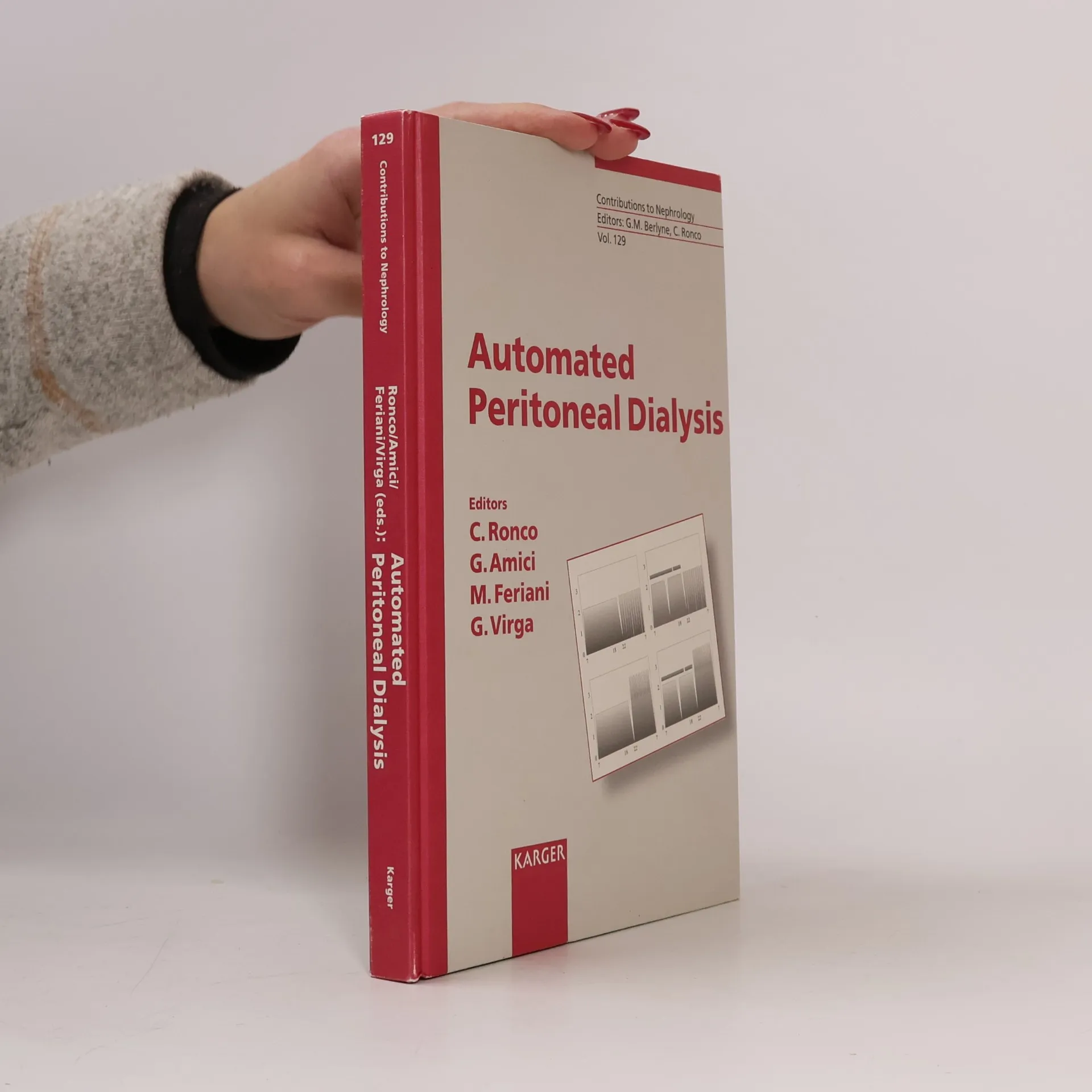
    • While continuous ambulatory peritoneal dialysis (CAPD) has been the standard peritoneal procedure since the seventies, different schedules of automated peritoneal dialysis (APD) have emerged during the eighties. Today, APD is considered a valuable tool in the management of ESRD patients, together with CAPD and hemodialysis. However, despite its frequent use, APD has not yet been well assessed, and most pathophysiological and clinical studies on PD refer to CAPD. In this book, major experts in the field therefore discuss and evaluate the insights gained on APD up to now, presenting a comprehensive review of all experimental, technical and clinical aspects related to the various treatments grouped under the definition of APD. The recent developments presented are divided into four sections: membrane permeability, transport mechanisms and kinetic modeling applied to APD; prescription and adequacy of different APD treatment schedules; dialysis machines and solutions for APD, and, lastly, different clinical aspects such as the possibility to maintain APD program and residual renal function. Physicians involved in ESRD care, renal fellows and scientists both in the academic world and in the hospital setting will undoubtedly profit from this timely publication.

      Contributions to Nephrology - 129: Automated Peritoneal Dialysis1999
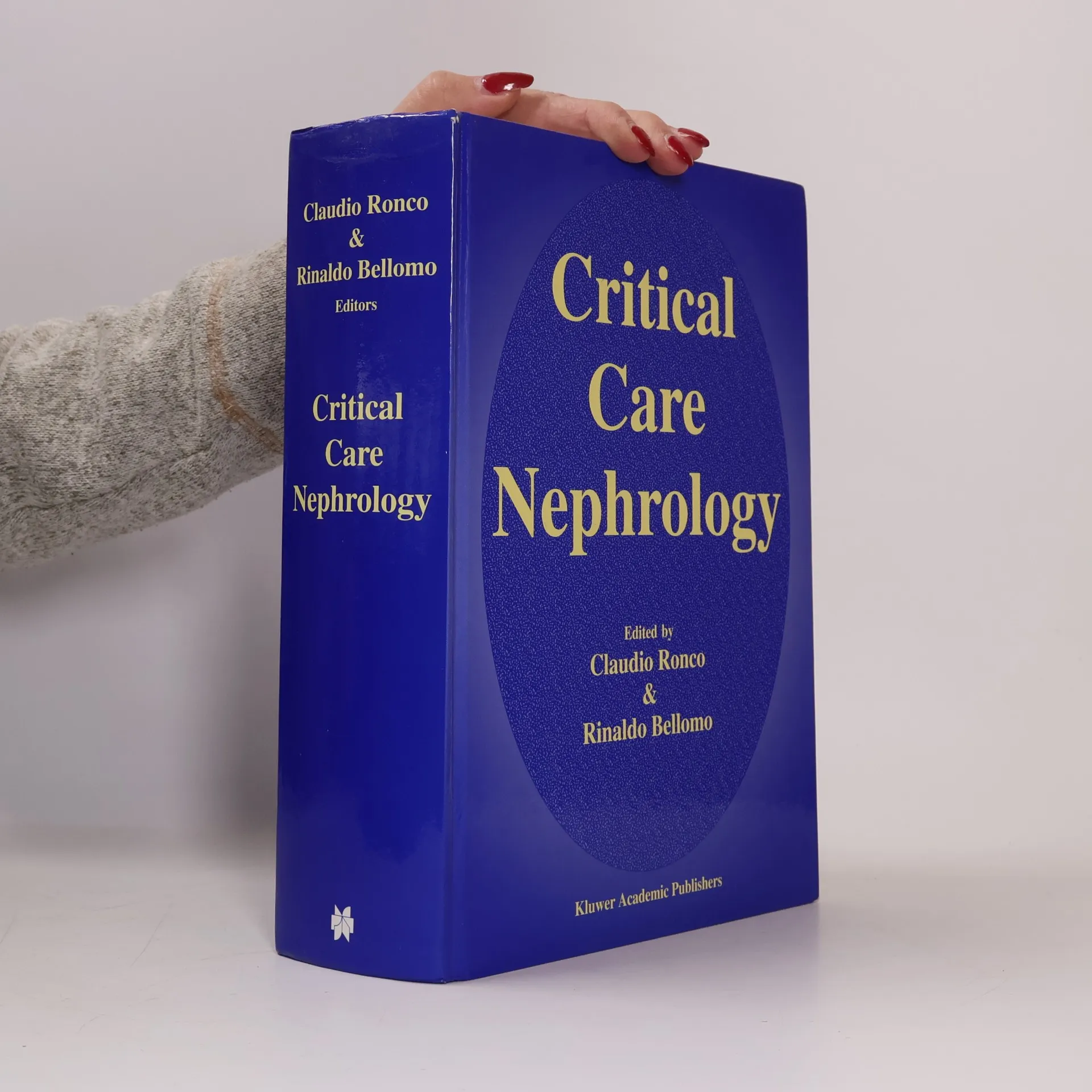
    • Critical Care Nephrology

      • 1590 stránek
      • 56 hodin čtení

      Internists, surgeons, critical care physicians, and nephrologists manage critically ill patients with renal failure and multiple organ dysfunction syndrome. A comprehensive review of this topic is essential in both academic and clinical medicine, and this book fulfills that need. It serves as a valuable reference for nephrologists and intensive care specialists, reflecting the expertise of its editors in these fields. Key topics include definitions of critical illness, epidemiology, monitoring and diagnostic procedures, and the pathophysiology of organ systems in relation to kidney function. It explores renal physiological and pathological responses to various derangements, oxygen transport, cardiovascular adaptations, hemodynamic and respiratory parameters, mechanical ventilation, and cardiac support. The book focuses on all forms of acute renal failure, particularly in intensive care settings, and discusses the nature of multiple organ dysfunction syndrome, emphasizing the interplay between organ dysfunction and kidney failure. It also addresses kidney function and acute renal failure in patients with kidney, liver, and heart transplants, as well as issues in chronic hemodialysis patients. Therapeutic interventions and treatment procedures are highlighted, alongside discussions of various forms of organ support, including liver, lung, and cardiac therapy.

      Critical Care Nephrology1998
    • Reprint Blood Purification 1997, Vol. 15, No. 4-6 This interesting volume presents research on all aspects of the circulation in native and artificial kidneys. For the first time, such a specific topic is reviewed by experimental physiologists, pharmacologists, intensive care physicians and nephrologists to reach a multidisciplinary approach to definitions, diagnostic measures and therapeutic interventions. In the first part of the book, physiologic and physiopathologic characteristics of renal circulation are analyzed, with particular attention to how they may affect the kidney's response to stress. Next, the role of systemic inflammation and cardiovascular physiologic adjustments is explored. The third part of this book is dedicated to an analysis of therapeutic interventions directed toward the manipulation of the renal vasculature and renal function in the clinical arena. Despite all of these measures, established renal failure requiring artificial and renal support eventually occurs in some patients. The practicalities, characteristics, indications and consequences of continuous renal displacement are discussed in great detail in the last part of this book, as are their implications for patient care. This volume is of the greatest use not only as a reference book for experienced specialists, but it is also invaluable as a textbook for specializing fellows or residents.

      Circulation in native and artificial kidneys1997