

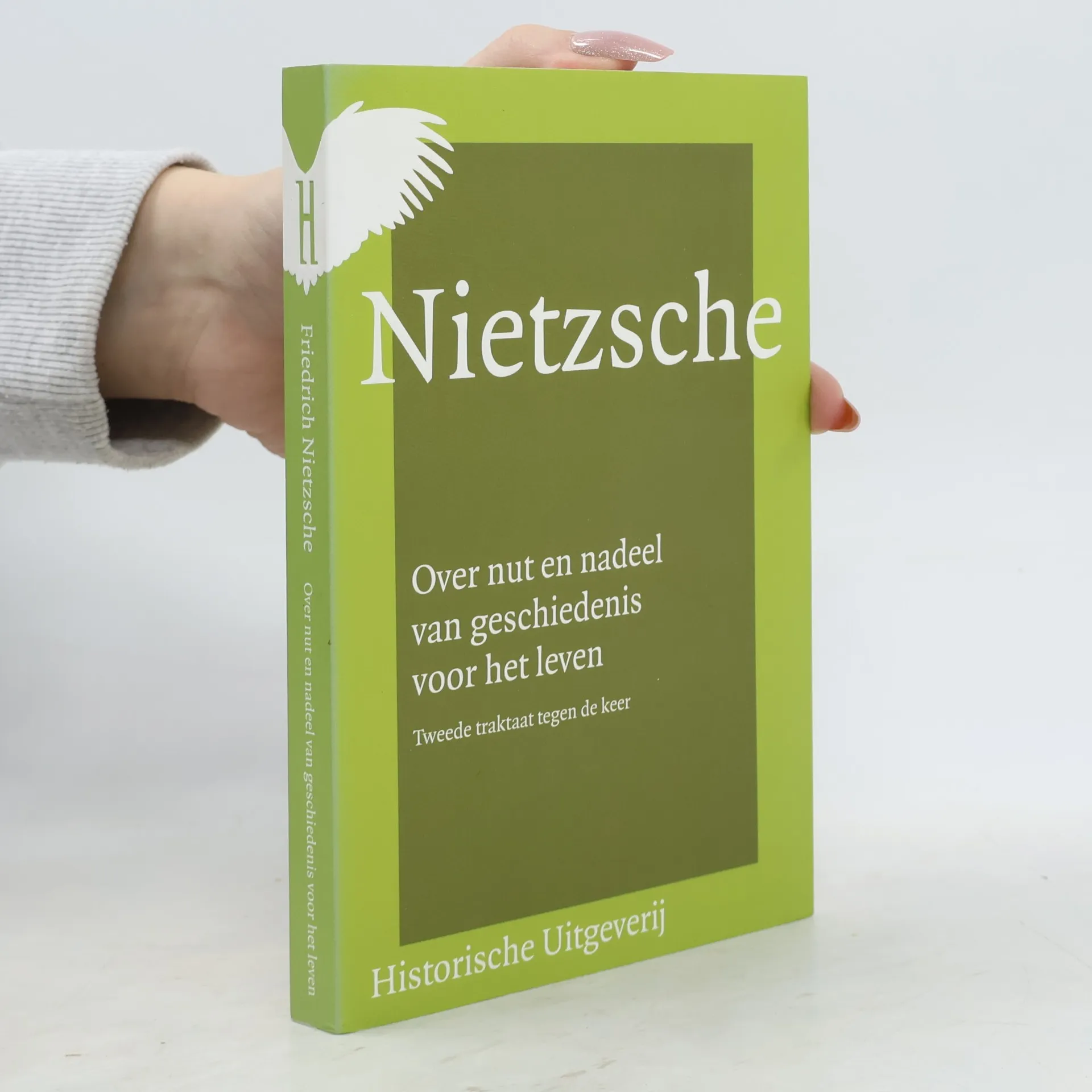

Over nut en nadeel van geschiedenis voor het leven
Tweede traktaat tegen de keer
Autoři
Více o knize
This book is different than Nietzsche's well-known major works. It does not explicitly examine the nature of morality, the master/slave relationship, or related questions. Instead, it questions the relationship of historical knowledge to life in the present. By "present", Nietzsche does not mean some specific century or decade, but rather the present we perpetually find ourselves in as human beings. Nietzsche asks: given that we always live in such a present, why do we want or need historical knowledge? Animals live without a historical sense: they do not reflect on the past or contemplate their future -- they simply live from moment to moment in the eternal present that humans perpetually avoid. And generally, Nietzsche notes, animals seem happier than human beings: more spontaneous, more cheerful, less given to morbid and resentful states of mind. Given these differences, should humans abandon the study of history and try to live in the present like animals? No, says Nietzsche, this relation to history is the true source of human uniqueness and achievement. The question is not "Should we study history?" but rather, "What history should we study, and in what amount?" The answer, says Nietzsche, is history that gives us a proper appreciation of life's difficulties and the struggles that have preceded us, but which nonetheless spurs us to creative action in the present. We should never study history for history's sake; rather, we should study it with a view to understanding and surpassing our present.
Nákup knihy
Over nut en nadeel van geschiedenis voor het leven, Friedrich Nietzsche
- Jazyk
- Rok vydání
- 2006
- Vazba
- (měkká),
- Stav knihy
- Dobrá
- Cena
- 569 Kč
Doručení
Platební metody
Nikdo zatím neohodnotil.
- Titul
- Over nut en nadeel van geschiedenis voor het leven
- Podtitul
- Tweede traktaat tegen de keer
- Autoři
- Friedrich Nietzsche
- Vydavatel
- Historische Uitgeverij
- Rok vydání
- 2006
- Vazba
- měkká
- Počet stran
- 200
- ISBN10
- 9065540229
- ISBN13
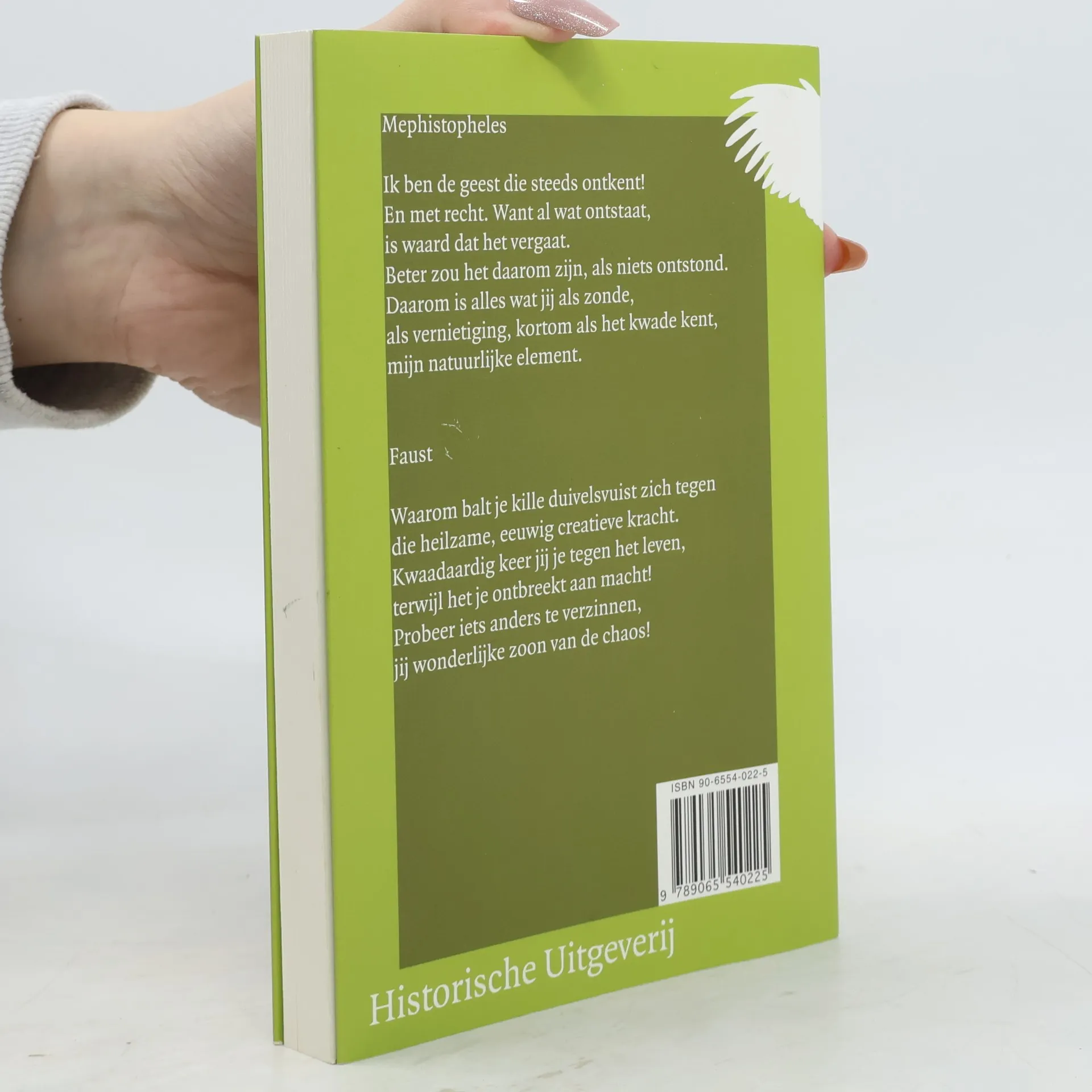
- 9789065540225
- Série
- Kategorie
- Anotace
- This book is different than Nietzsche's well-known major works. It does not explicitly examine the nature of morality, the master/slave relationship, or related questions. Instead, it questions the relationship of historical knowledge to life in the present. By "present", Nietzsche does not mean some specific century or decade, but rather the present we perpetually find ourselves in as human beings. Nietzsche asks: given that we always live in such a present, why do we want or need historical knowledge? Animals live without a historical sense: they do not reflect on the past or contemplate their future -- they simply live from moment to moment in the eternal present that humans perpetually avoid. And generally, Nietzsche notes, animals seem happier than human beings: more spontaneous, more cheerful, less given to morbid and resentful states of mind. Given these differences, should humans abandon the study of history and try to live in the present like animals? No, says Nietzsche, this relation to history is the true source of human uniqueness and achievement. The question is not "Should we study history?" but rather, "What history should we study, and in what amount?" The answer, says Nietzsche, is history that gives us a proper appreciation of life's difficulties and the struggles that have preceded us, but which nonetheless spurs us to creative action in the present. We should never study history for history's sake; rather, we should study it with a view to understanding and surpassing our present.