

Více o knize
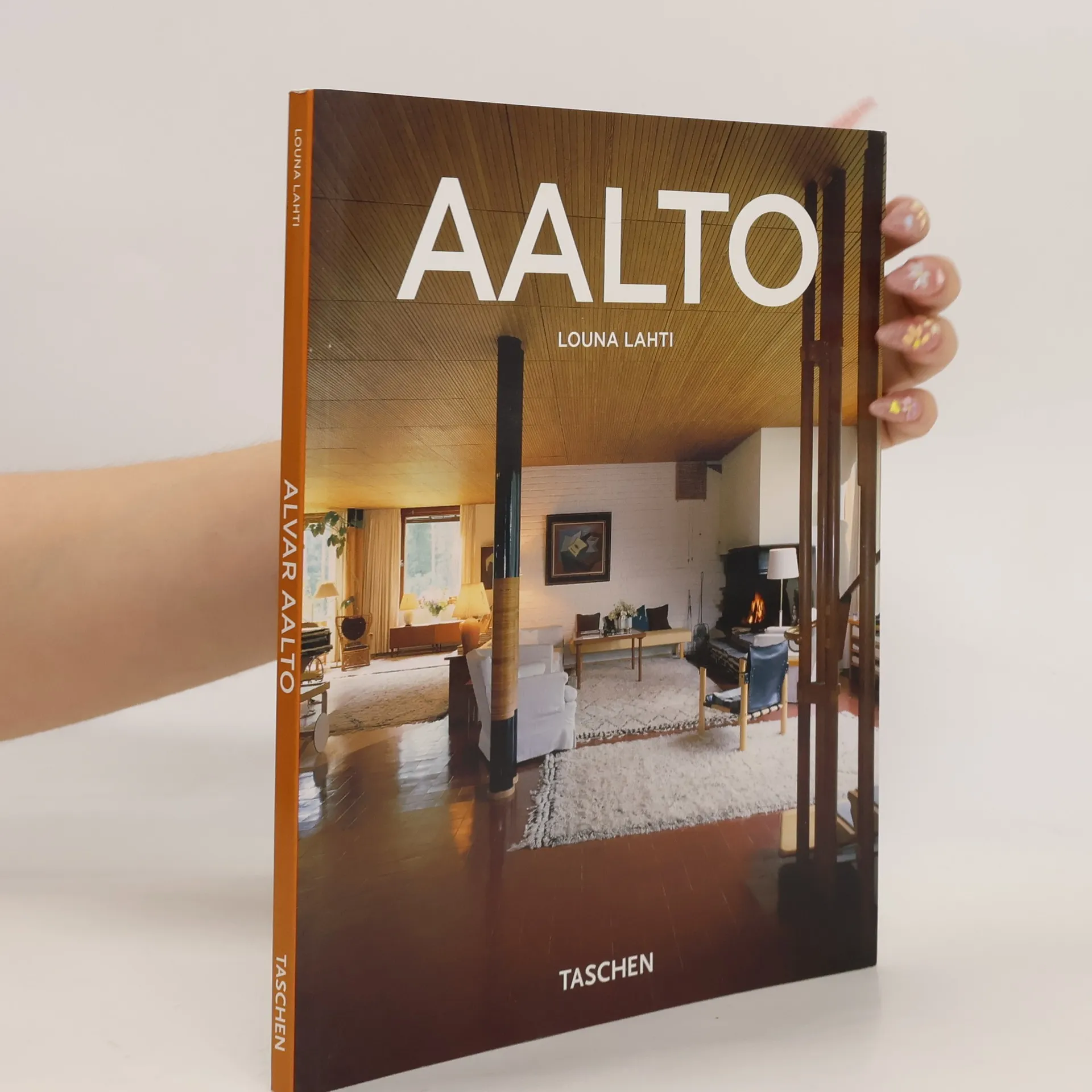
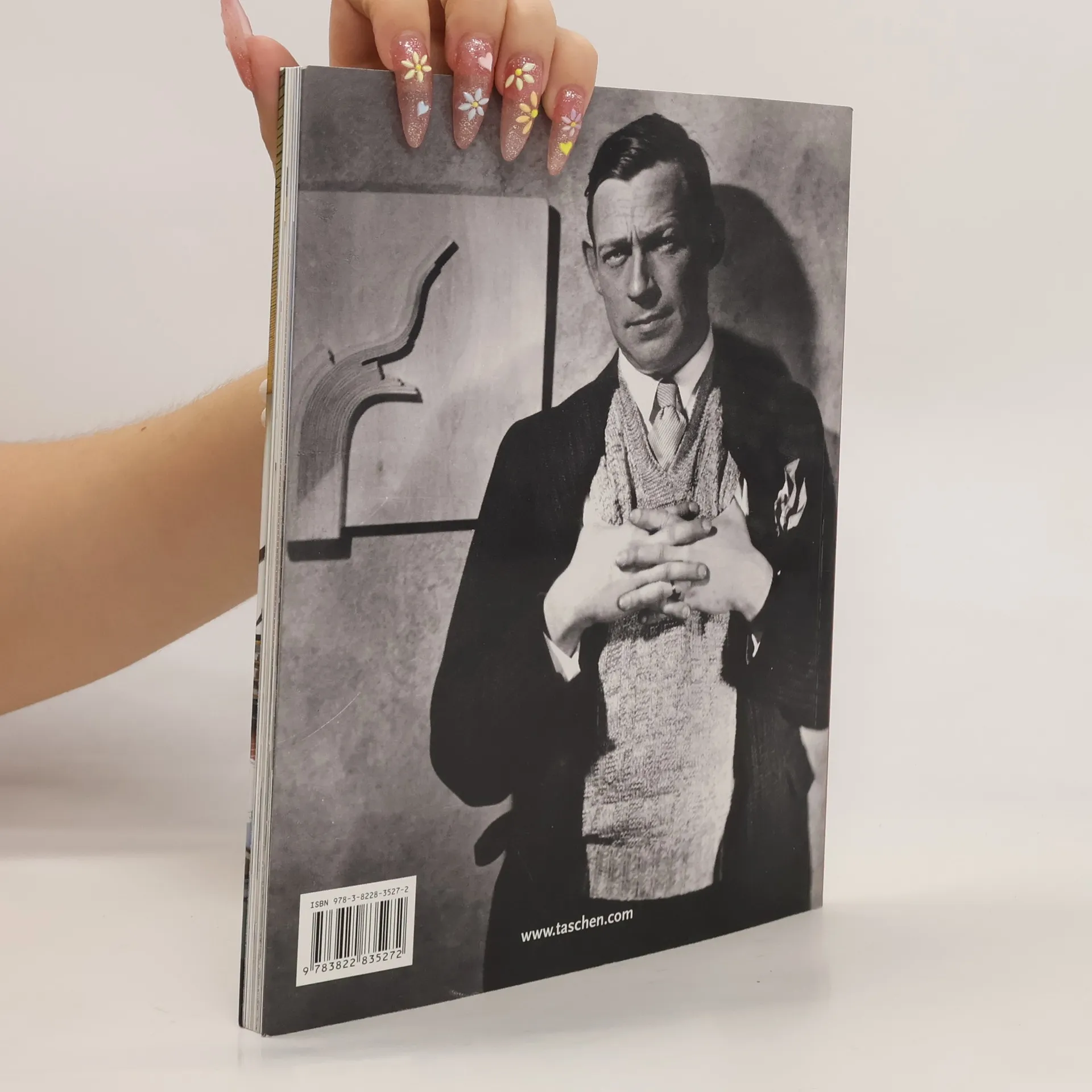
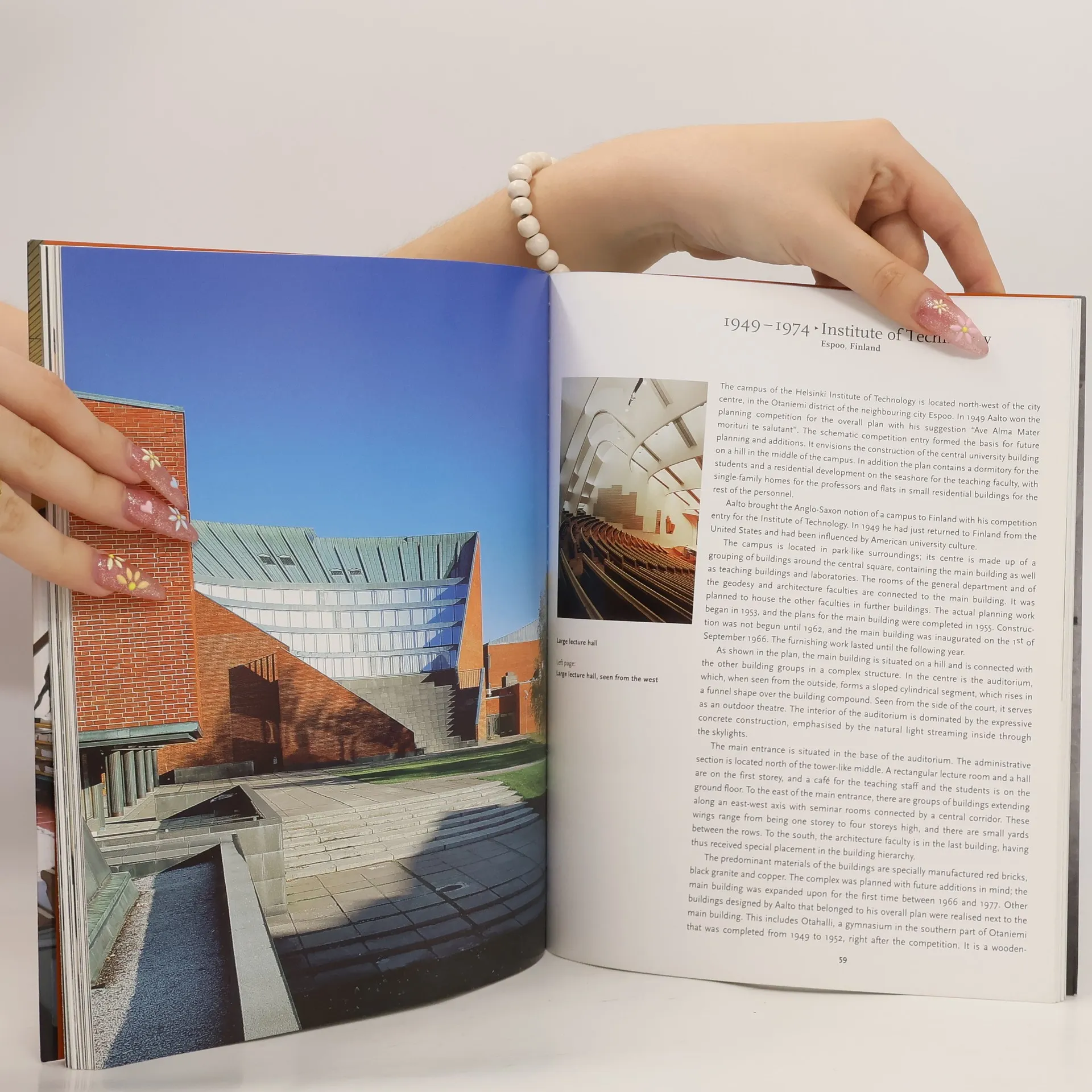
Finnish architect Alvar Aalto (18981976) was not only influenced by the landscape of his native country, but by the political struggle over Finland's place within European culture. Aalto turned to ideas based on Functionalism, subsequently moving toward more organic structures, with brick and wood replacing plaster and steel. He also designed buildings, furniture, lamps, and glass objects. Contains approximately 120 images, including photographs, sketches, drawings, and floor plans Introductory essays explore the architect's life and work, touching on family and background as well as collaborations with other architects The body presents the most important works in chronological order, with descriptions of client and/or architect wishes, construction problems and resolutions The appendix includes a list of complete or selected works, biography, bibliography and a map indicating the locations of the architect's most famous buildings

Nákup knihy
Alvar Aalto: 1898-1976: paradise for the man in the street, Louna Lahti, Alvar Aalto
- Jazyk

- Rok vydání
- 2004
- Vazba
- (měkká)
Tady nám chybí tvá recenze.
- Titul
- Alvar Aalto: 1898-1976: paradise for the man in the street
- Jazyk
- anglicky
- Autoři
- Louna Lahti, Alvar Aalto
- Vydavatel
- Taschen
- Rok vydání
- 2004
- Vazba
- měkká
- Počet stran
- 96
- ISBN10
- 3822835277
- ISBN13
- 9783822835272
- Série
- Kategorie
- Štítky
- Historické téma, Umění, Architektura
- Původní název
- Alvar Alto
- Hodnocení
- 3,8 z 5
- Anotace
- Finnish architect Alvar Aalto (18981976) was not only influenced by the landscape of his native country, but by the political struggle over Finland's place within European culture. Aalto turned to ideas based on Functionalism, subsequently moving toward more organic structures, with brick and wood replacing plaster and steel. He also designed buildings, furniture, lamps, and glass objects. Contains approximately 120 images, including photographs, sketches, drawings, and floor plans Introductory essays explore the architect's life and work, touching on family and background as well as collaborations with other architects The body presents the most important works in chronological order, with descriptions of client and/or architect wishes, construction problems and resolutions The appendix includes a list of complete or selected works, biography, bibliography and a map indicating the locations of the architect's most famous buildings