

Více o knize
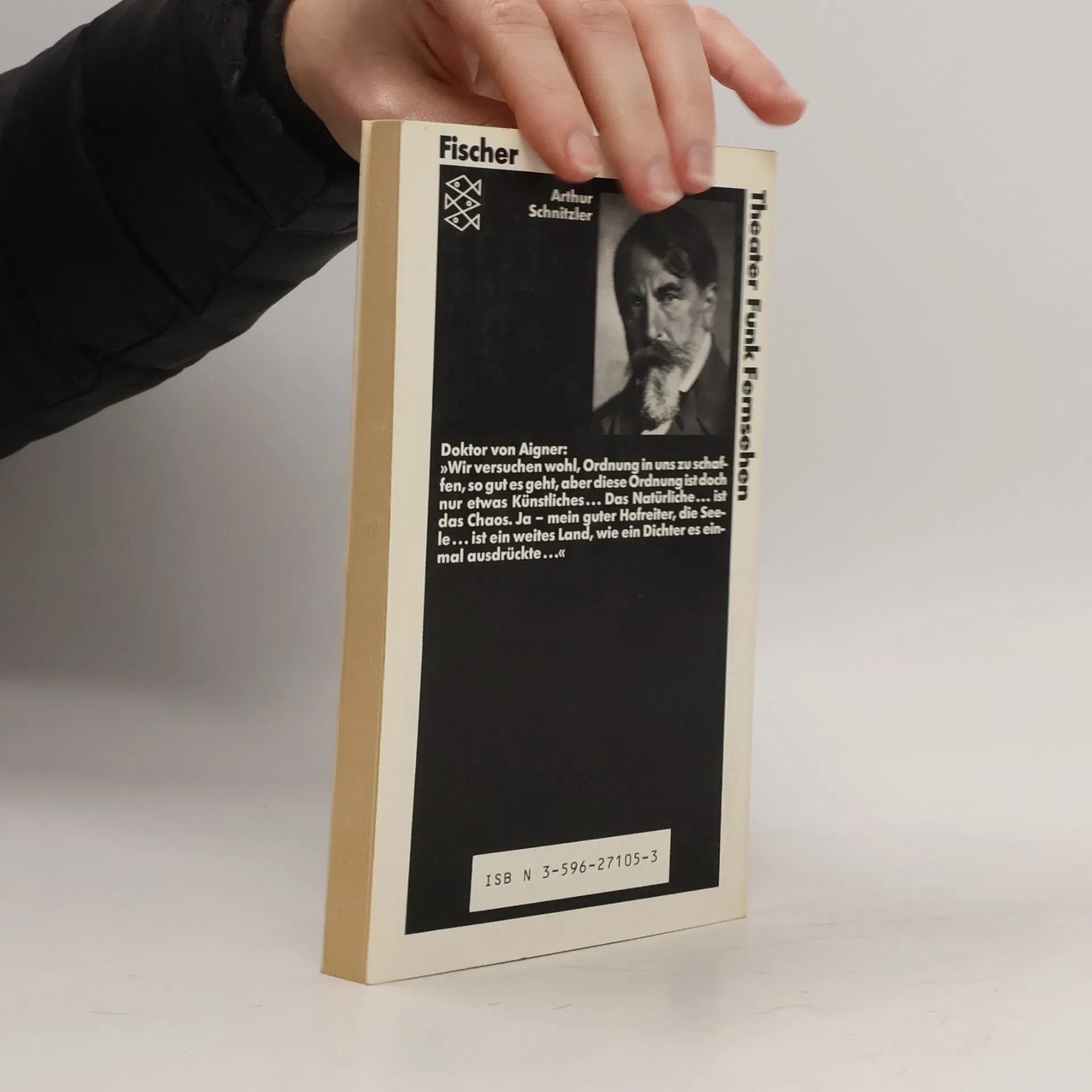
Arthur Schnitzler, born in 1862 into a wealthy Jewish family in Vienna, initially pursued a career in medicine before dedicating himself to literature. He became acquainted with Sigmund Freud, whose theories on the unconscious greatly influenced his work. A key figure in the "Wiener Moderne," Schnitzler is renowned for his critical insights and innovative narrative techniques. His novella "Leutnant Gustl" introduced the inner monologue to German literature, allowing characters to express associative reactions to their surroundings. His montage technique blends clichés with seemingly individual responses, creating a universal character type. Central themes in his extensive oeuvre include the selfish evasion of responsibility and fear of commitment. Following a scandal in 1921 that led to the prohibition of his play "Reigen," he was appointed president of the Austrian PEN Club in 1923. By 1926, he received the Burgtheaterring and became one of the most frequently performed playwrights on German stages. Schnitzler's legacy continued until his death in 1931 from a brain hemorrhage in Vienna. This edition includes a biography of the author and is based on the 1962 text from S. Fischer Verlag, with meticulous pagination. The cover features artwork by Ilja Repin.




Nákup knihy
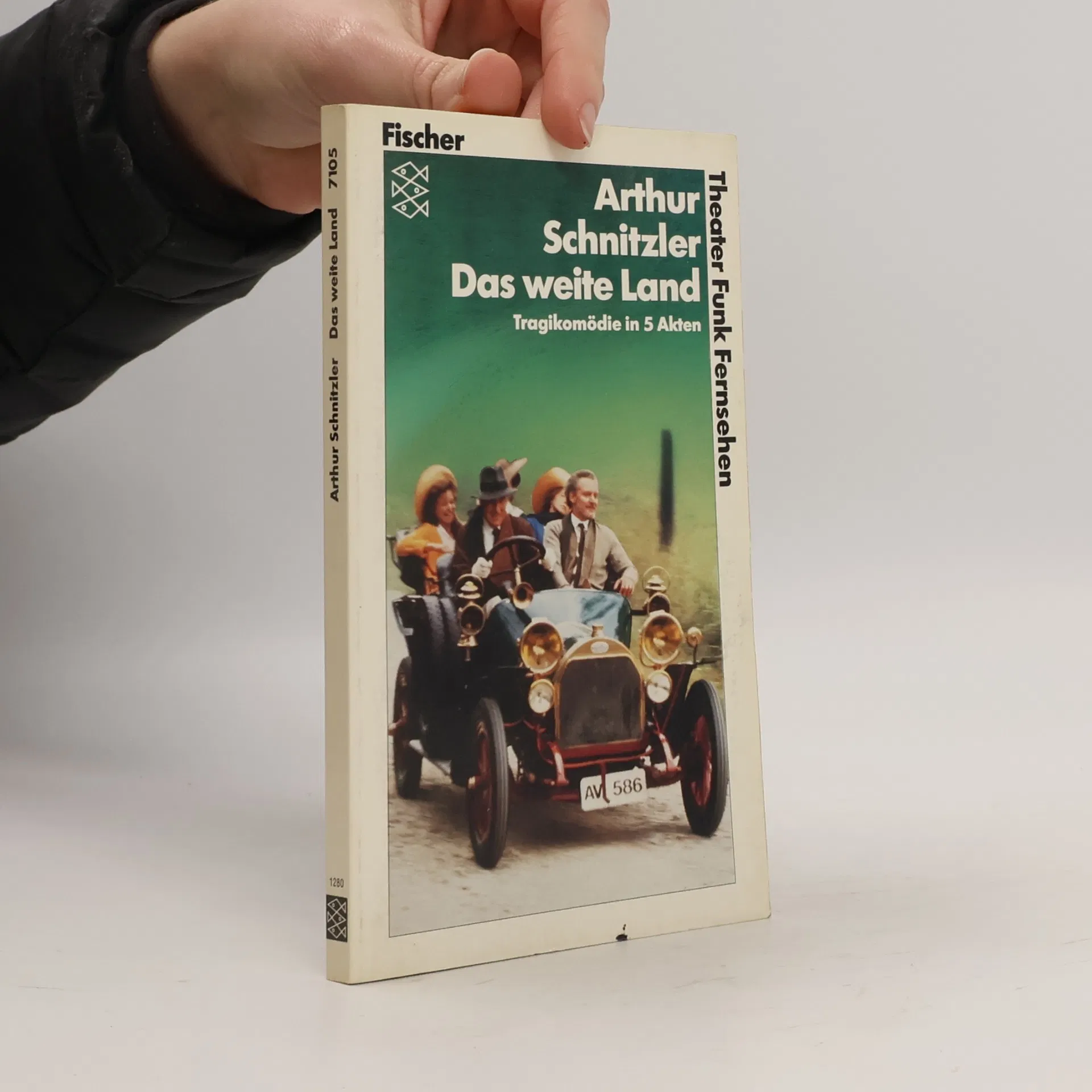
Das weite Land. Tragikomödie in fünf Akten, Arthur Schnitzler
- Jazyk

- Rok vydání
- 1987
- Vazba
- (měkká),
- Stav knihy
- Dobrá
- Cena
- 49 Kč
Doručení
Platební metody
Tady nám chybí tvá recenze.
- Titul
- Das weite Land. Tragikomödie in fünf Akten
- Jazyk
- německy
- Autoři
- Arthur Schnitzler
- Rok vydání
- 1987
- Vazba
- měkká
- Počet stran
- 135
- ISBN10
- 3596271053
- ISBN13
- 9783596271054
- Série
- První vydání
- 1911
- Původní název
- Das weite Land
- Hodnocení
- 3,7 z 5
- Anotace
- Arthur Schnitzler, born in 1862 into a wealthy Jewish family in Vienna, initially pursued a career in medicine before dedicating himself to literature. He became acquainted with Sigmund Freud, whose theories on the unconscious greatly influenced his work. A key figure in the "Wiener Moderne," Schnitzler is renowned for his critical insights and innovative narrative techniques. His novella "Leutnant Gustl" introduced the inner monologue to German literature, allowing characters to express associative reactions to their surroundings. His montage technique blends clichés with seemingly individual responses, creating a universal character type. Central themes in his extensive oeuvre include the selfish evasion of responsibility and fear of commitment. Following a scandal in 1921 that led to the prohibition of his play "Reigen," he was appointed president of the Austrian PEN Club in 1923. By 1926, he received the Burgtheaterring and became one of the most frequently performed playwrights on German stages. Schnitzler's legacy continued until his death in 1931 from a brain hemorrhage in Vienna. This edition includes a biography of the author and is based on the 1962 text from S. Fischer Verlag, with meticulous pagination. The cover features artwork by Ilja Repin.