



Série
Více o knize
The Four Quartets is a series of four poems by T.S. Eliot, published individually from 1936 to 1942, and in book form in 1943; it was considered by Eliot himself to be his finest work. Each of the quartets has five "movements" and each is titled by a place name -- BURNT NORTON (1936), EAST COKER (1940), THE DRY SALVAGES (1941), and LITTLE GIDDING (1942). Eliot's insights into the cyclical nature of life are revealed through themes and images woven throughout the four poems. Spiritual, philosophical, and personal themes emerge through symbolic allusions and literary and religious references from both Eastern and Western thought. The work addresses the connections of the personal and historical present and past, spiritual renewal, and the very nature of experience; it is considered the poet's clearest exposition of his Christian beliefs. (The Merriam-Webster Encyclopedia of Literature)

Nákup knihy
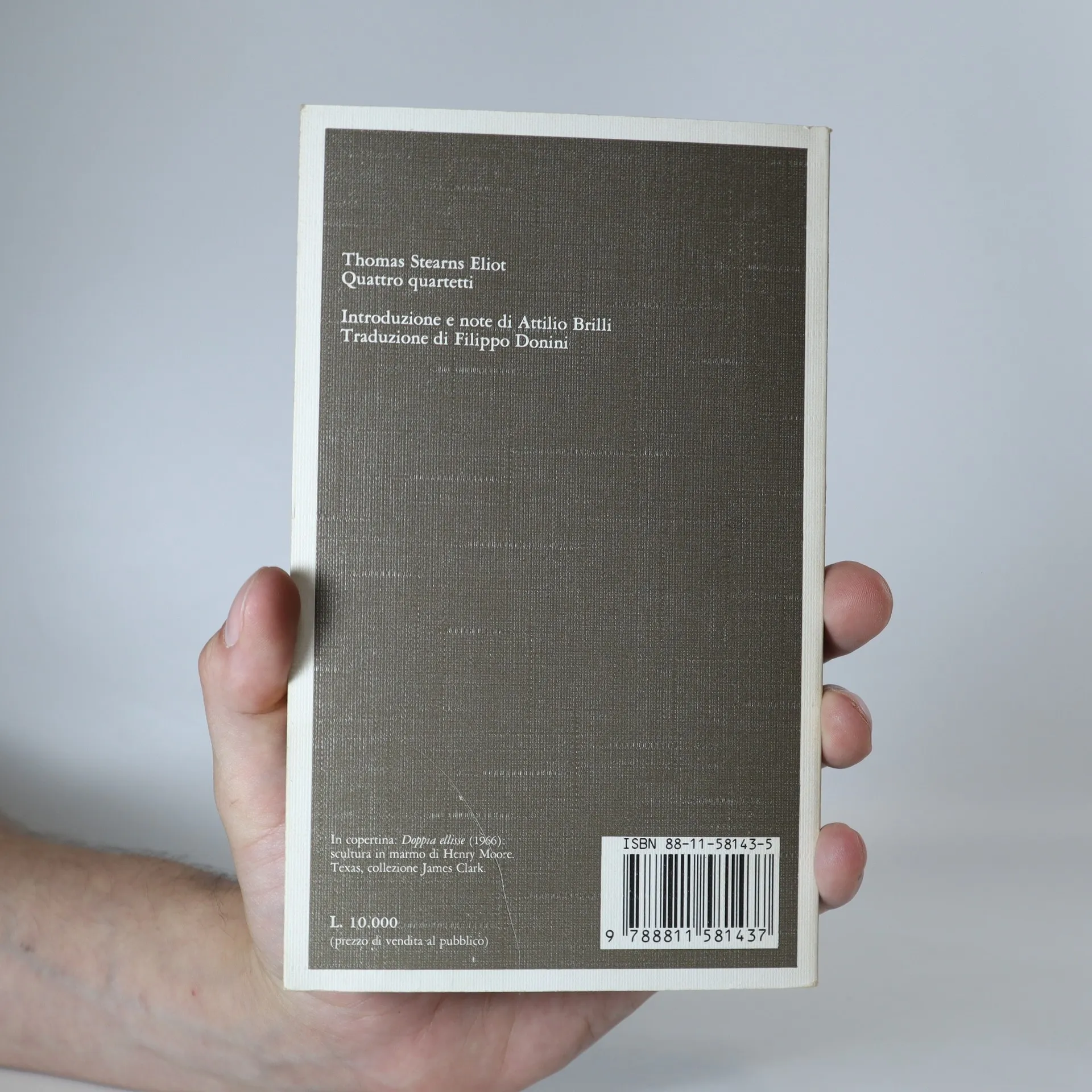
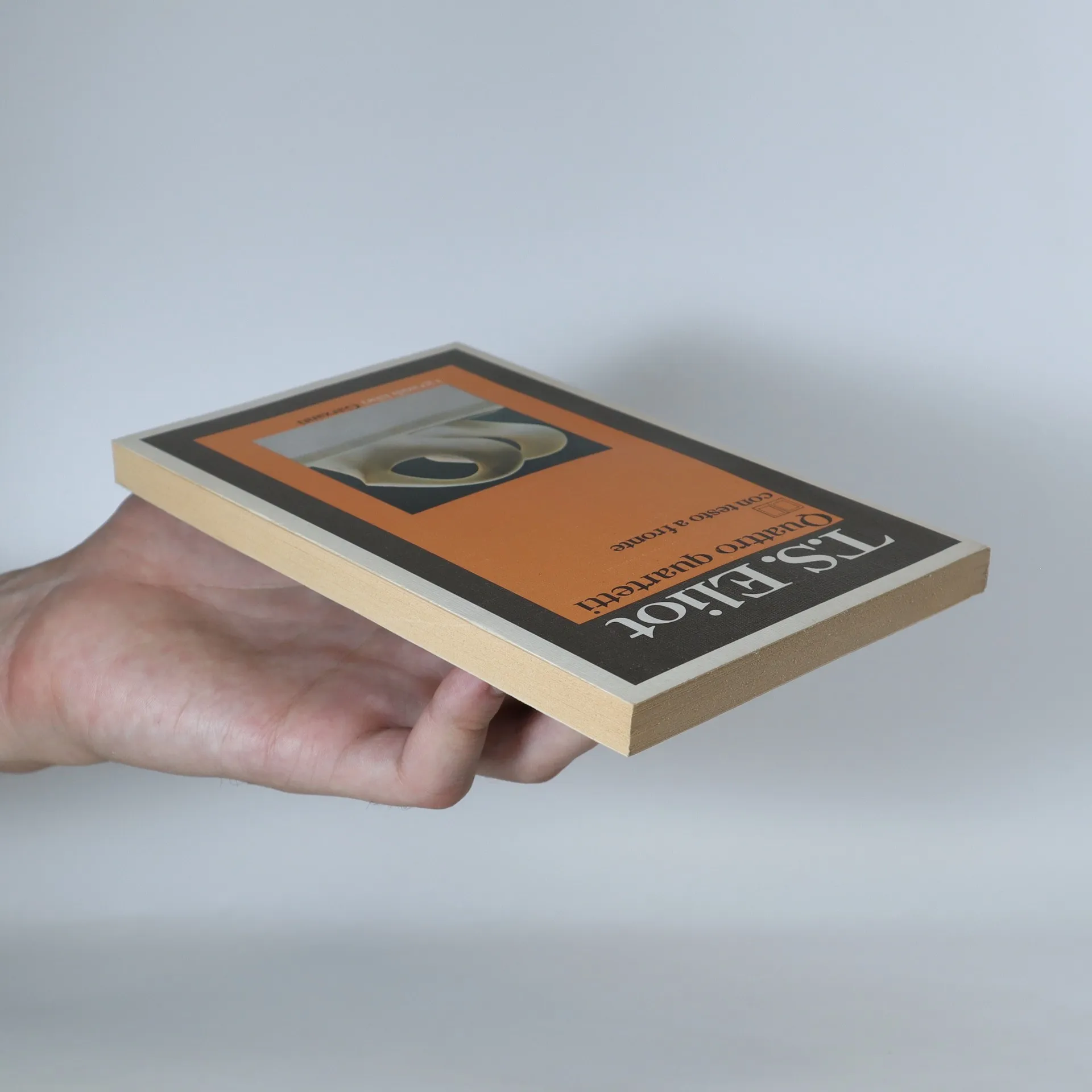
Quattro quartetti, Thomas Stearns Eliot
- Jazyk


- Rok vydání
- 1989
- Vazba
- (měkká)
Doručení
Platební metody
Tady nám chybí tvá recenze.
- Titul
- Quattro quartetti
- Jazyk
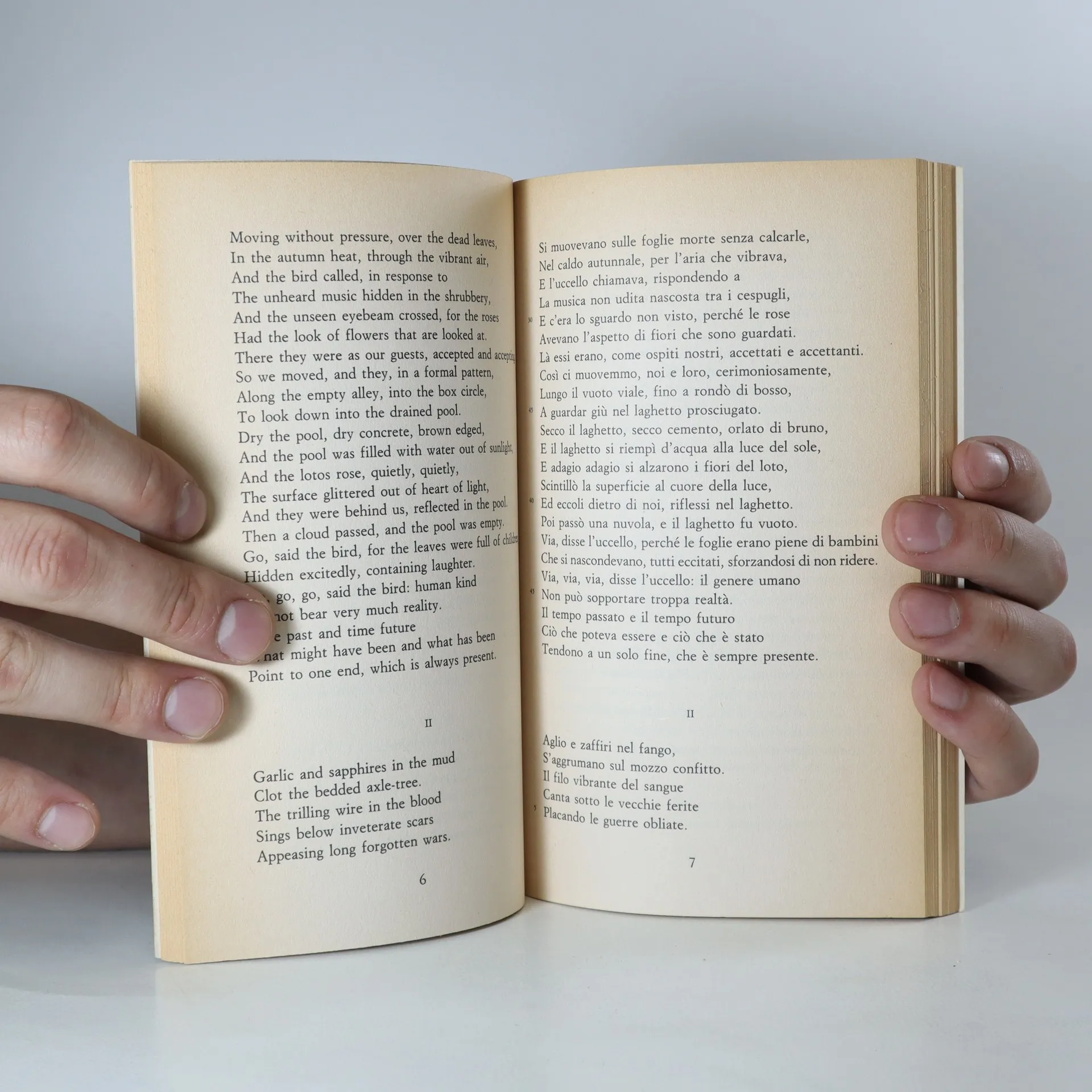
- anglicky, italsky
- Autoři
- Thomas Stearns Eliot
- Vydavatel
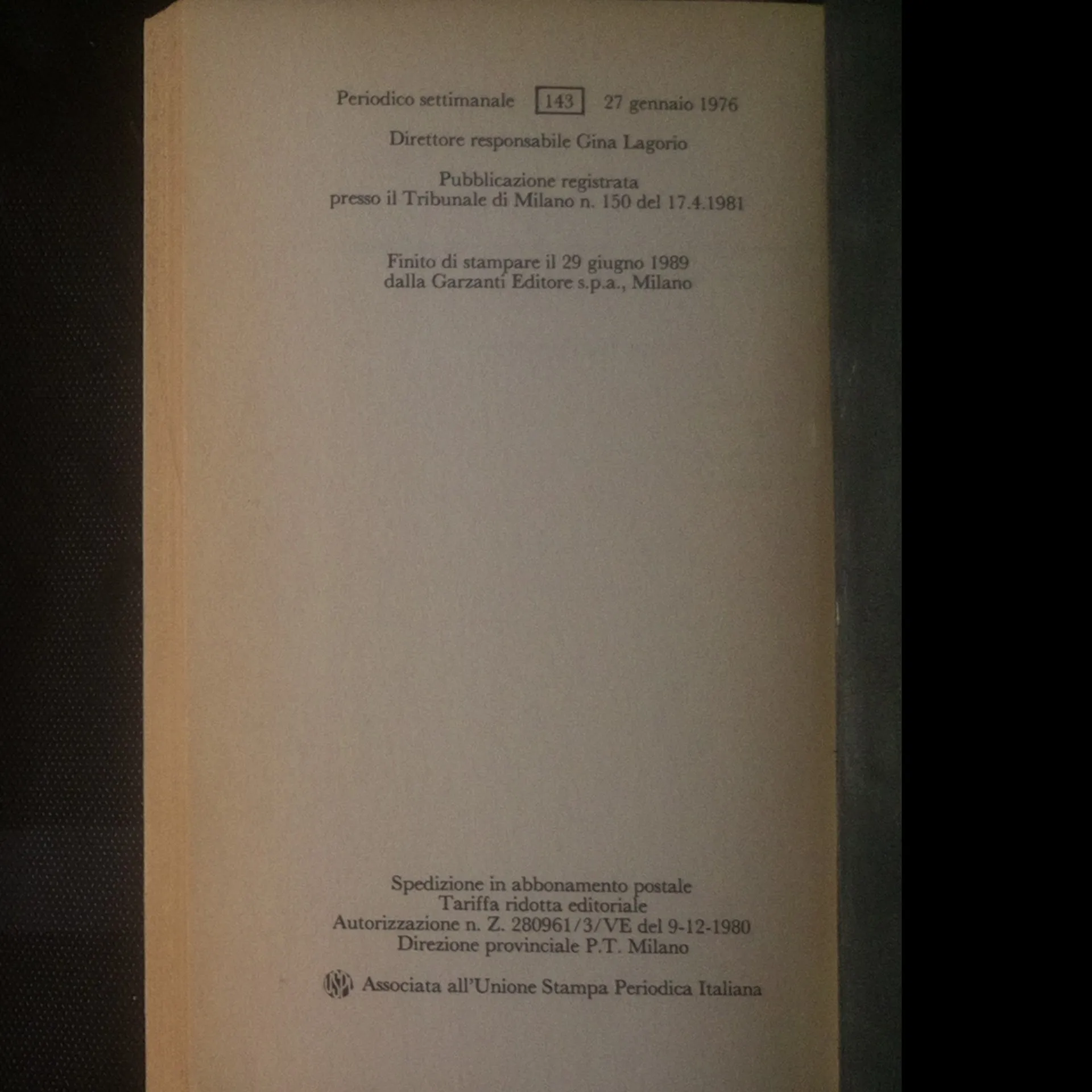
- Garzanti
- Rok vydání
- 1989
- Vazba
- měkká
- Počet stran
- 116
- ISBN10
- 8811581435
- ISBN13
- 9788811581437
- Série
- Čtyři kvartety
- Štítky
- Historické téma, Filosofická tématika, 20. století, Americká literatura, Anglická literatura, Modernismus
- První vydání
- 1943
- Původní název
- Four Quartets
- Hodnocení
- 4,35 z 5
- Anotace
- The Four Quartets is a series of four poems by T.S. Eliot, published individually from 1936 to 1942, and in book form in 1943; it was considered by Eliot himself to be his finest work. Each of the quartets has five "movements" and each is titled by a place name -- BURNT NORTON (1936), EAST COKER (1940), THE DRY SALVAGES (1941), and LITTLE GIDDING (1942). Eliot's insights into the cyclical nature of life are revealed through themes and images woven throughout the four poems. Spiritual, philosophical, and personal themes emerge through symbolic allusions and literary and religious references from both Eastern and Western thought. The work addresses the connections of the personal and historical present and past, spiritual renewal, and the very nature of experience; it is considered the poet's clearest exposition of his Christian beliefs. (The Merriam-Webster Encyclopedia of Literature)