


Více o knize
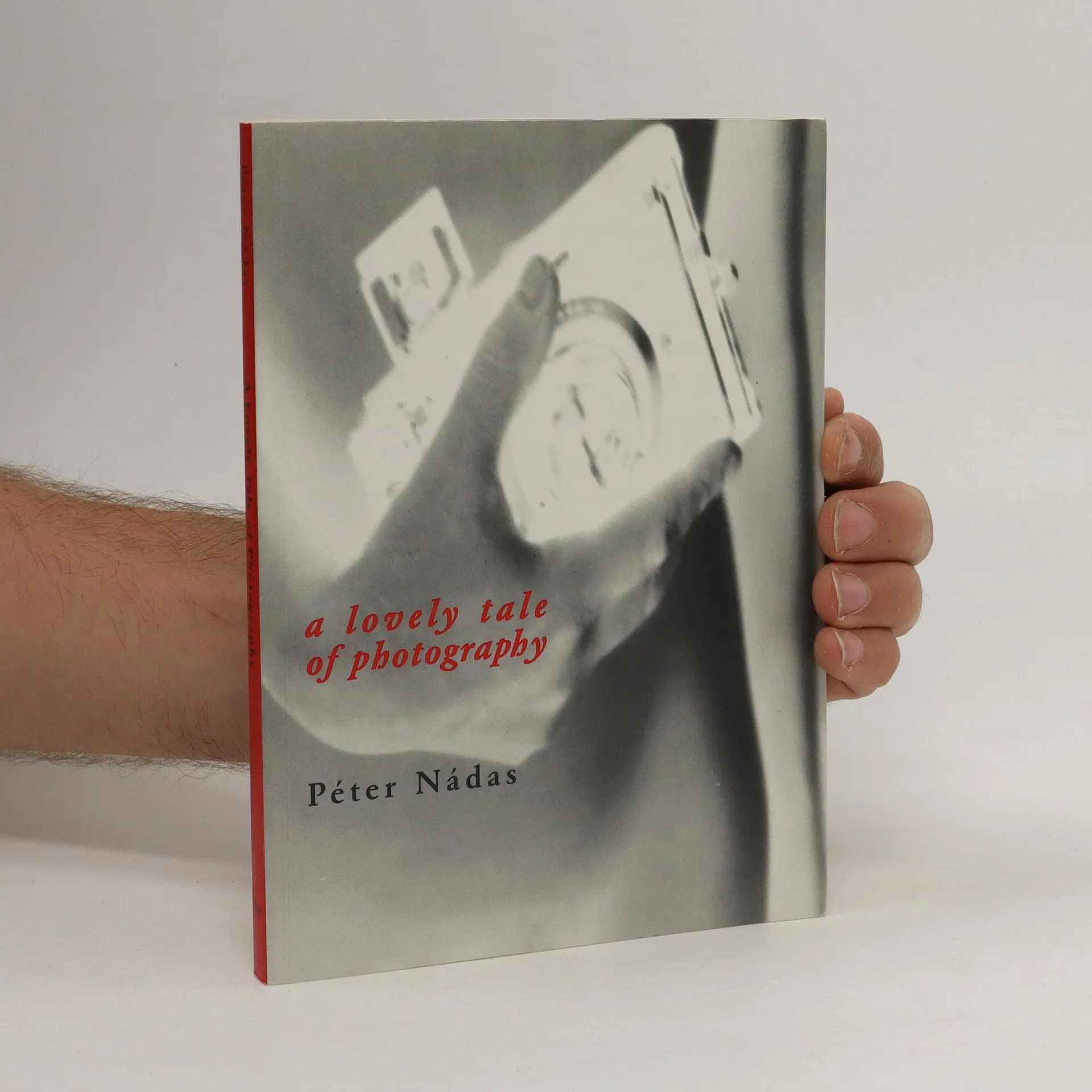
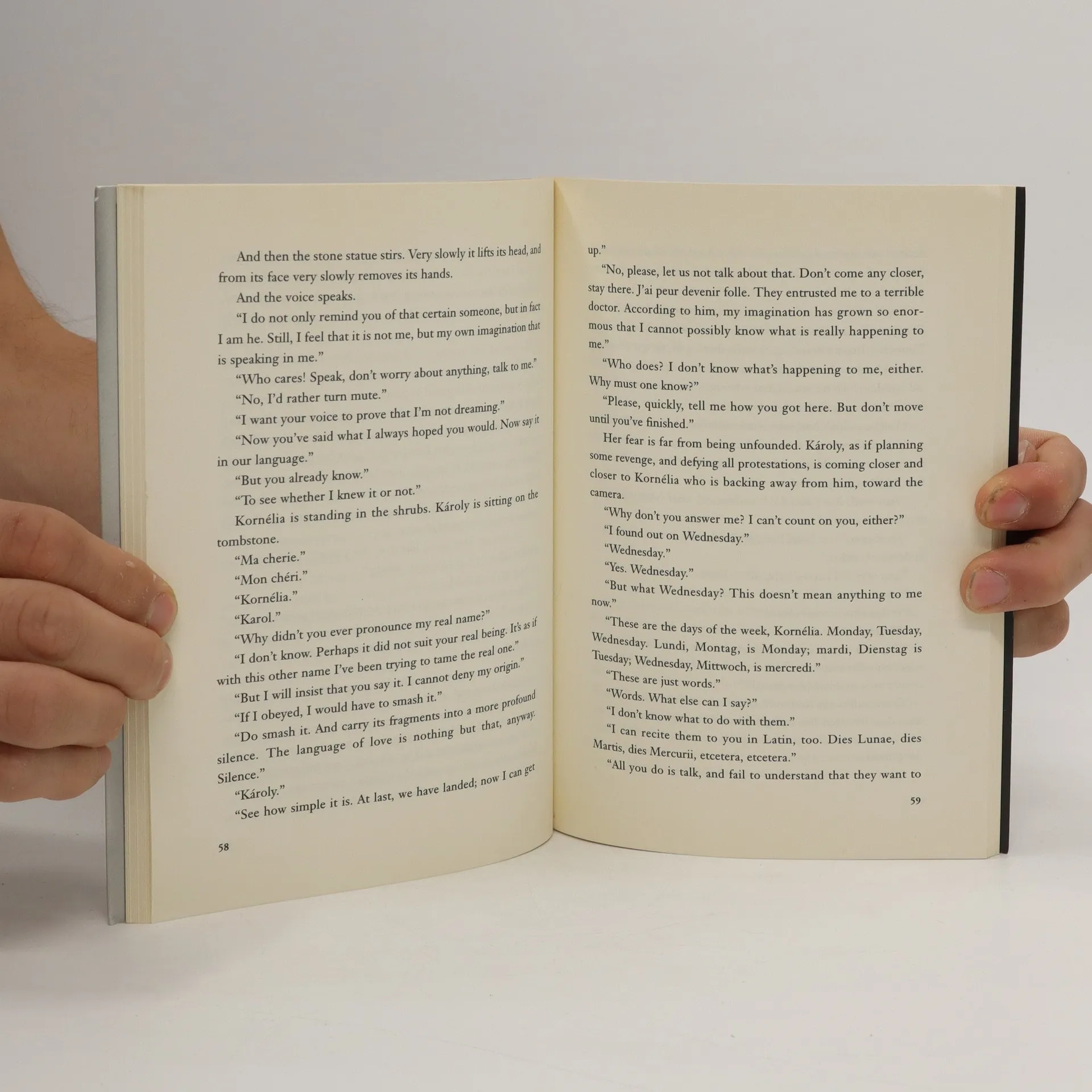
Tato kniha byla vydána českým nakladatelstvím Twisted Spoon Press, které sídlí v Praze a vydává díla českých a slovanských autorů v anglickém jazyce. Oficiální anotace nakladatele: Péter Nádas is one of the most renowned contemporary Hungarian authors. A Lovely Tale of Photography displays his essentially experimental orientation. It is a hallucinatory novella about a female photographer who is suffering from an undetermined illness. Confined to a sanatorium, where she is surrounded by a cast of stock characters speaking various languages, she is made to confront a reality other than that framed by her camera. The novel takes the form of short scenes, as if a film sequence, and this structure lends the text a fairy-tale, poetic quality similar to many surrealist works.


Nákup knihy
A Lovely Tale of Photography, Péter Nádas, Imre Goldstein
- Jazyk

- Rok vydání
- 1999
- Vazba
- (měkká)
Doručení
Platební metody
Tady nám chybí tvá recenze.
- Titul
- A Lovely Tale of Photography
- Jazyk
- anglicky
- Autoři
- Péter Nádas, Imre Goldstein
- Vydavatel
- Twisted Spoon Press
- Rok vydání
- 1999
- Vazba
- měkká
- Počet stran
- 120
- ISBN10
- 8090217168
- ISBN13
- 9788090217164
- Série
- Kategorie
- Štítky
- Novely, Fotografie, Maďarsko
- První vydání
- 1993
- Původní název
- Fotográfia szép története
- Hodnocení
- 2,9 z 5
- Anotace
- Tato kniha byla vydána českým nakladatelstvím Twisted Spoon Press, které sídlí v Praze a vydává díla českých a slovanských autorů v anglickém jazyce. Oficiální anotace nakladatele: Péter Nádas is one of the most renowned contemporary Hungarian authors. A Lovely Tale of Photography displays his essentially experimental orientation. It is a hallucinatory novella about a female photographer who is suffering from an undetermined illness. Confined to a sanatorium, where she is surrounded by a cast of stock characters speaking various languages, she is made to confront a reality other than that framed by her camera. The novel takes the form of short scenes, as if a film sequence, and this structure lends the text a fairy-tale, poetic quality similar to many surrealist works.