





Perfektná kniha.. Určite odporúčam ?
Miláček čtenářů je právě vyprodaný
Více o knize
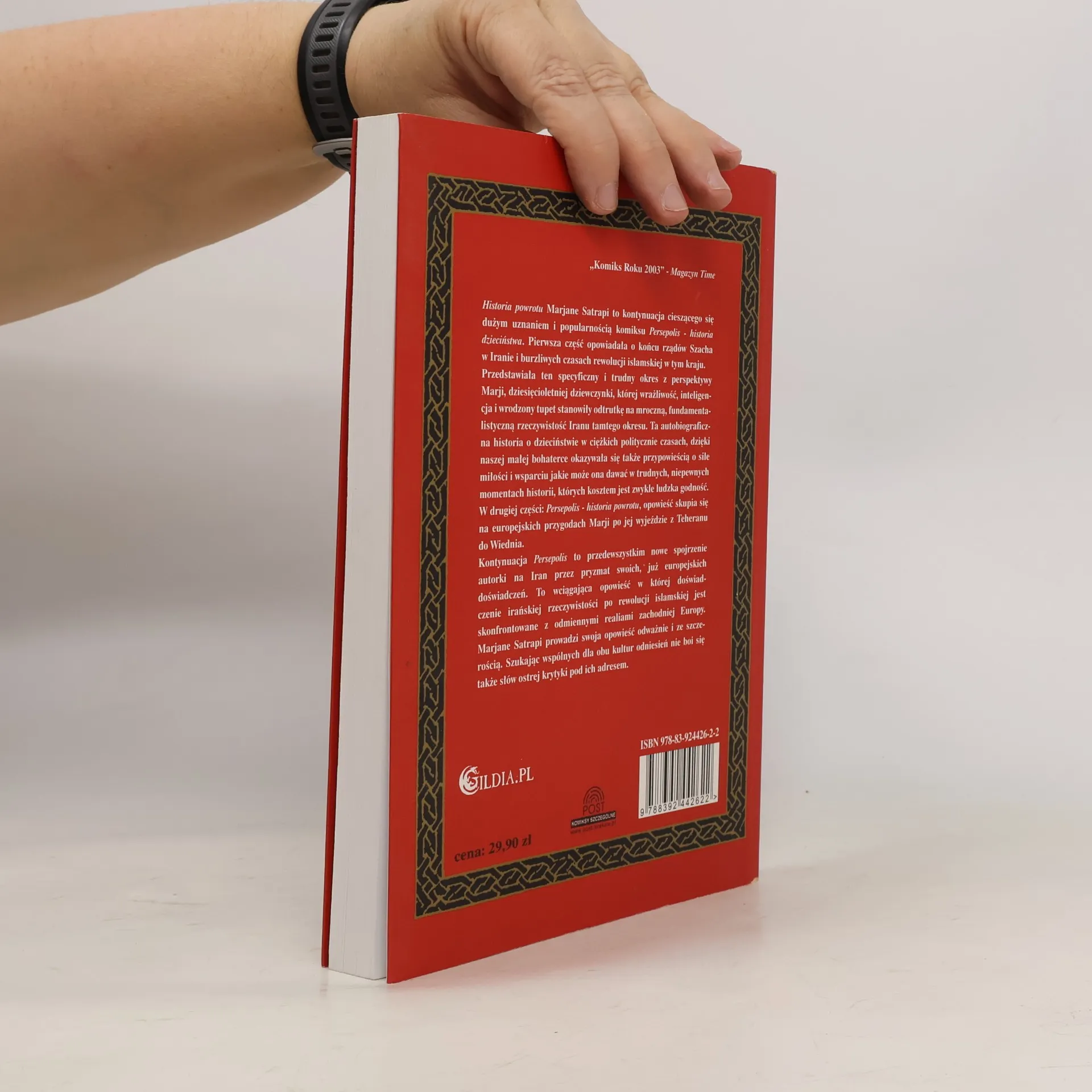
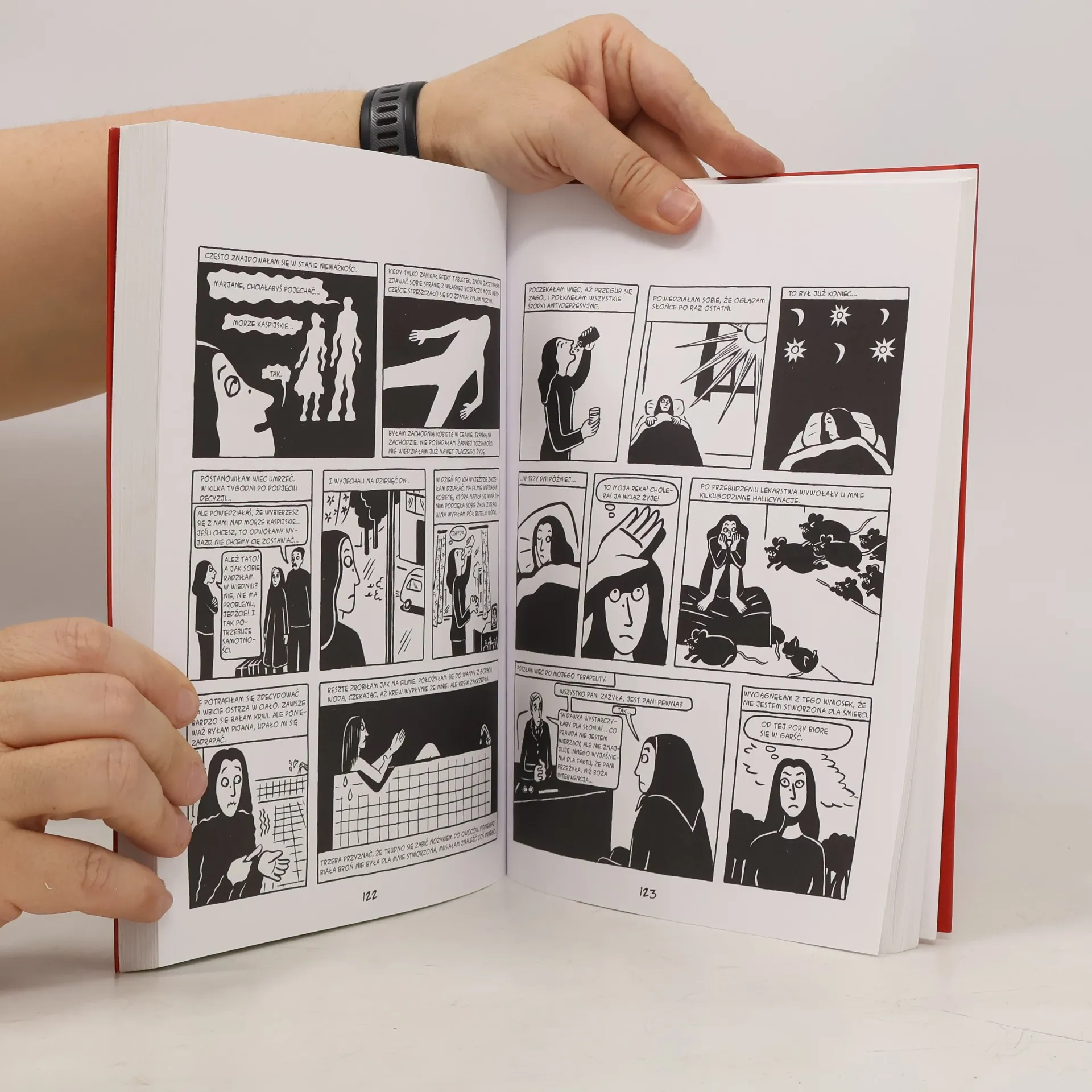
Continuing from her debut memoir-in-comics, Marjane Satrapi shares her experiences as a young Iranian woman navigating life abroad amidst political upheaval. Now older, Marjane reconciles her war-torn Tehran upbringing with her new life in Austria, forming connections with friends who also feel out of place, whether living with nuns or in a house of gay men. After a series of misfortunes leave her homeless for three months, she decides to return to Iran, where she reunites with her family. Their liberal values and emphasis on her worth contrast sharply with her experiences in Europe. Having embraced a lifestyle of drugs, partying, and dating, Marjane must now adapt to a society marked by gender divisions and fundamentalism, donning a veil and testing the limits of imposed morality. Inspired by her spirited grandmother, she gains a deeper understanding of her fellow Iranians' struggles, realizing that concerns over her veil overshadow more profound issues like freedom of speech. Satrapi's stark, monochromatic drawings and expressive characters create a graphic narrative that evokes empathy, making it hard not to feel warmth toward Marjane despite her tough exterior.
Nákup knihy
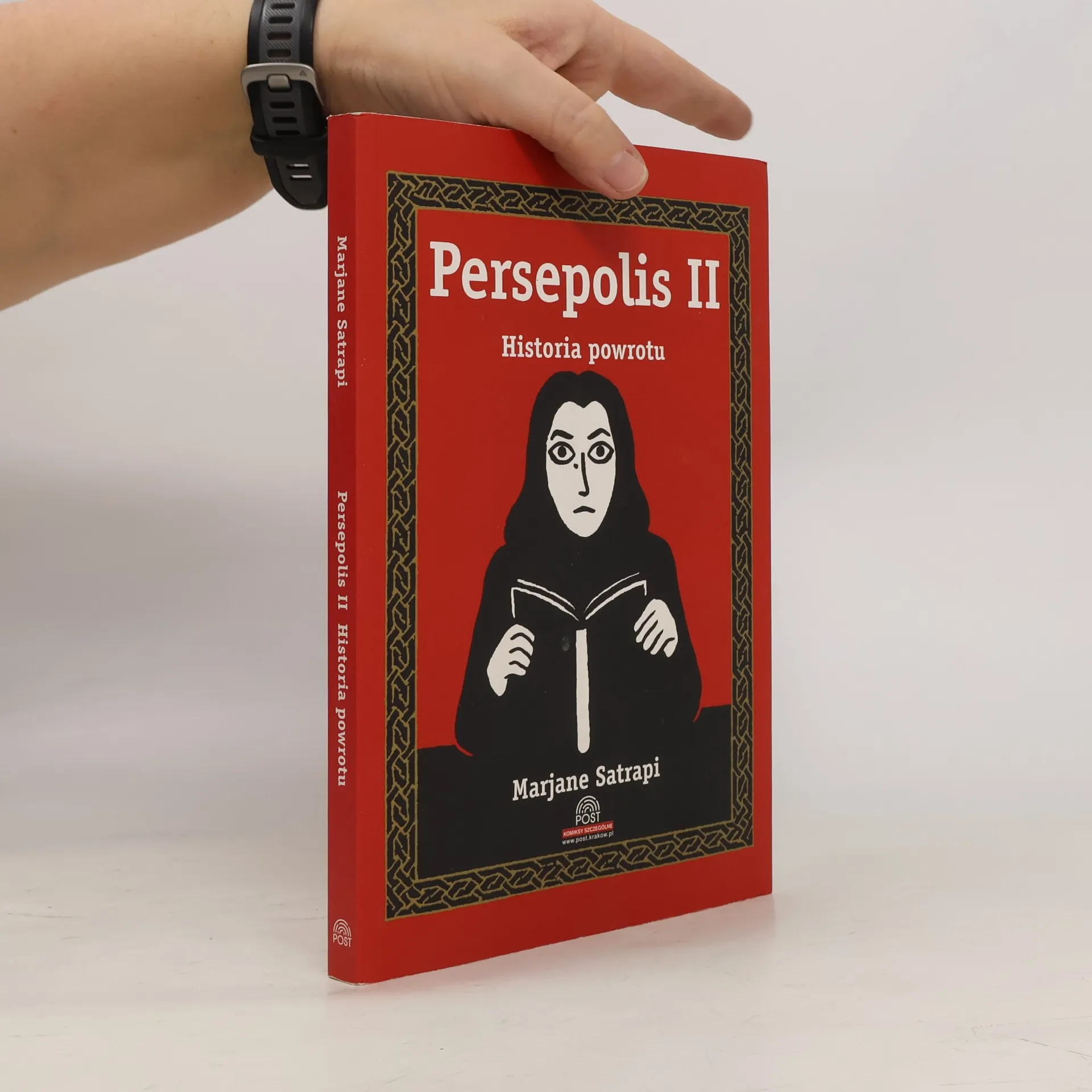
Persepolis - 2: Historia powrotu, Wojciech Nowicki, Marjane Satrapi
- Jazyk

- Rok vydání
- 2007
- Vazba
- (měkká)
Jakmile se objeví, pošleme e-mail.
- Titul
- Persepolis - 2: Historia powrotu
- Jazyk
- polsky
- Autoři
- Wojciech Nowicki, Marjane Satrapi
- Vydavatel
- Post
- Rok vydání
- 2007
- Vazba
- měkká
- Počet stran
- 190
- ISBN10
- 8392442628
- ISBN13
- 9788392442622
- Série
- Kategorie
- Štítky
- Historické téma, Náboženská témata, Ženy, Politika, Války, Škola, Dárky pro dědu, Vzpomínky, Feminismus, Dospívání, Anglická literatura, Rakousko, Zfilmováno, Mládež, Dětství, Vídeň, Revoluce, Írán, Mučení, Totalitní režimy, Političtí vězni, Útlak, Persie, Kulturní rozdíly, Muslimské ženy, Ženy v islámu, Iránská literatura
- První vydání
- 2003
- Původní název
- Persepolis
- Hodnocení
- 4,25 z 5
- Anotace
- Continuing from her debut memoir-in-comics, Marjane Satrapi shares her experiences as a young Iranian woman navigating life abroad amidst political upheaval. Now older, Marjane reconciles her war-torn Tehran upbringing with her new life in Austria, forming connections with friends who also feel out of place, whether living with nuns or in a house of gay men. After a series of misfortunes leave her homeless for three months, she decides to return to Iran, where she reunites with her family. Their liberal values and emphasis on her worth contrast sharply with her experiences in Europe. Having embraced a lifestyle of drugs, partying, and dating, Marjane must now adapt to a society marked by gender divisions and fundamentalism, donning a veil and testing the limits of imposed morality. Inspired by her spirited grandmother, she gains a deeper understanding of her fellow Iranians' struggles, realizing that concerns over her veil overshadow more profound issues like freedom of speech. Satrapi's stark, monochromatic drawings and expressive characters create a graphic narrative that evokes empathy, making it hard not to feel warmth toward Marjane despite her tough exterior.