




Více o knize
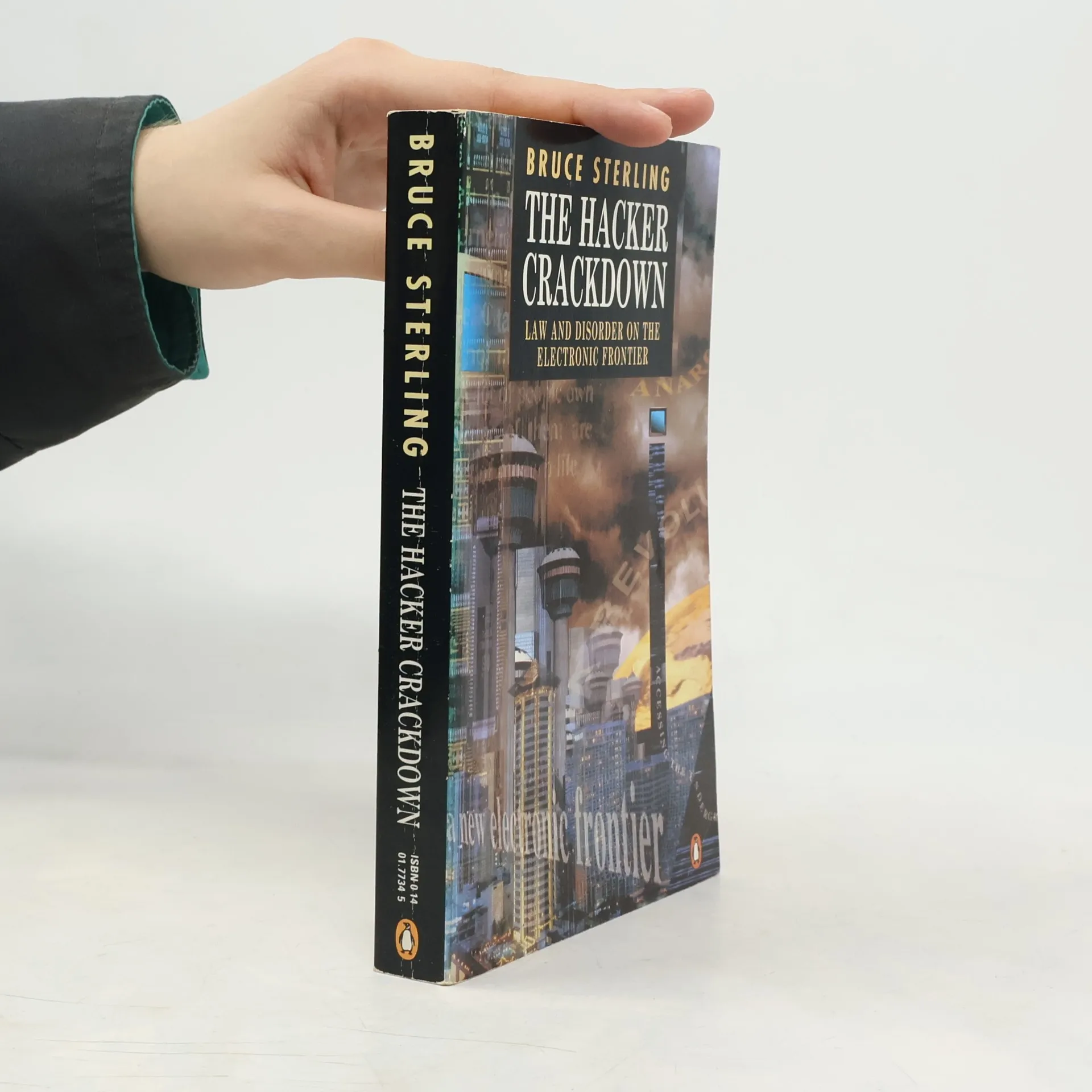
Bruce Sterling's classic work examines the 1990 assault on hackers, where law enforcement arrested numerous suspected illicit hackers, igniting a debate between combating computer crime and safeguarding civil liberties. However, the narrative extends beyond police operations, offering a vibrant exploration of three cyberspace subcultures: the hacker underworld, the cybercops, and the idealistic cybercivil libertarians. Sterling begins with the origins of cyberspace, tracing back to the invention of the telephone and introducing the first hackers—teenage boys who, through their technical skills and penchant for pranks, disrupted phone lines. From these early exploits, the narrative expands into the broader hacking world, showcasing various individuals motivated by causes, thrill-seeking, or traditional crime. Sterling also delves into the challenges faced by those combating illicit hacking, revealing how they formed their own subculture as cybercops. He raises critical ethical and legal questions regarding online law enforcement, particularly concerning the rights of suspects and the privacy of stored emails. Furthermore, Sterling highlights the emergence of the online civil liberties movement from unexpected origins, such as the Grateful Dead's counterculture. The work provides a comprehensive understanding of the complexities surrounding computer crime and the diverse perspectives involved.



Nákup knihy
The Hacker Crackdown, Bruce Sterling
- Jazyk

- Rok vydání
- 1994
- Vazba
- (měkká),
- Stav knihy
- Poškozená
- Cena
- 99 Kč
Doručení
Platební metody
Tady nám chybí tvá recenze.
- Titul
- The Hacker Crackdown
- Podtitul
- Law and Disorder on the Electronic Frontier
- Jazyk
- anglicky
- Autoři
- Bruce Sterling
- Vydavatel
- Penguin Books
- Rok vydání
- 1994
- Vazba
- měkká
- Počet stran
- 328
- ISBN10
- 0140177345
- ISBN13
- 9780140177343
- Série
- Štítky
- Věda, Technologie, Hackeři
- Hodnocení
- 3,8 z 5
- Anotace
- Bruce Sterling's classic work examines the 1990 assault on hackers, where law enforcement arrested numerous suspected illicit hackers, igniting a debate between combating computer crime and safeguarding civil liberties. However, the narrative extends beyond police operations, offering a vibrant exploration of three cyberspace subcultures: the hacker underworld, the cybercops, and the idealistic cybercivil libertarians. Sterling begins with the origins of cyberspace, tracing back to the invention of the telephone and introducing the first hackers—teenage boys who, through their technical skills and penchant for pranks, disrupted phone lines. From these early exploits, the narrative expands into the broader hacking world, showcasing various individuals motivated by causes, thrill-seeking, or traditional crime. Sterling also delves into the challenges faced by those combating illicit hacking, revealing how they formed their own subculture as cybercops. He raises critical ethical and legal questions regarding online law enforcement, particularly concerning the rights of suspects and the privacy of stored emails. Furthermore, Sterling highlights the emergence of the online civil liberties movement from unexpected origins, such as the Grateful Dead's counterculture. The work provides a comprehensive understanding of the complexities surrounding computer crime and the diverse perspectives involved.