


Více o knize
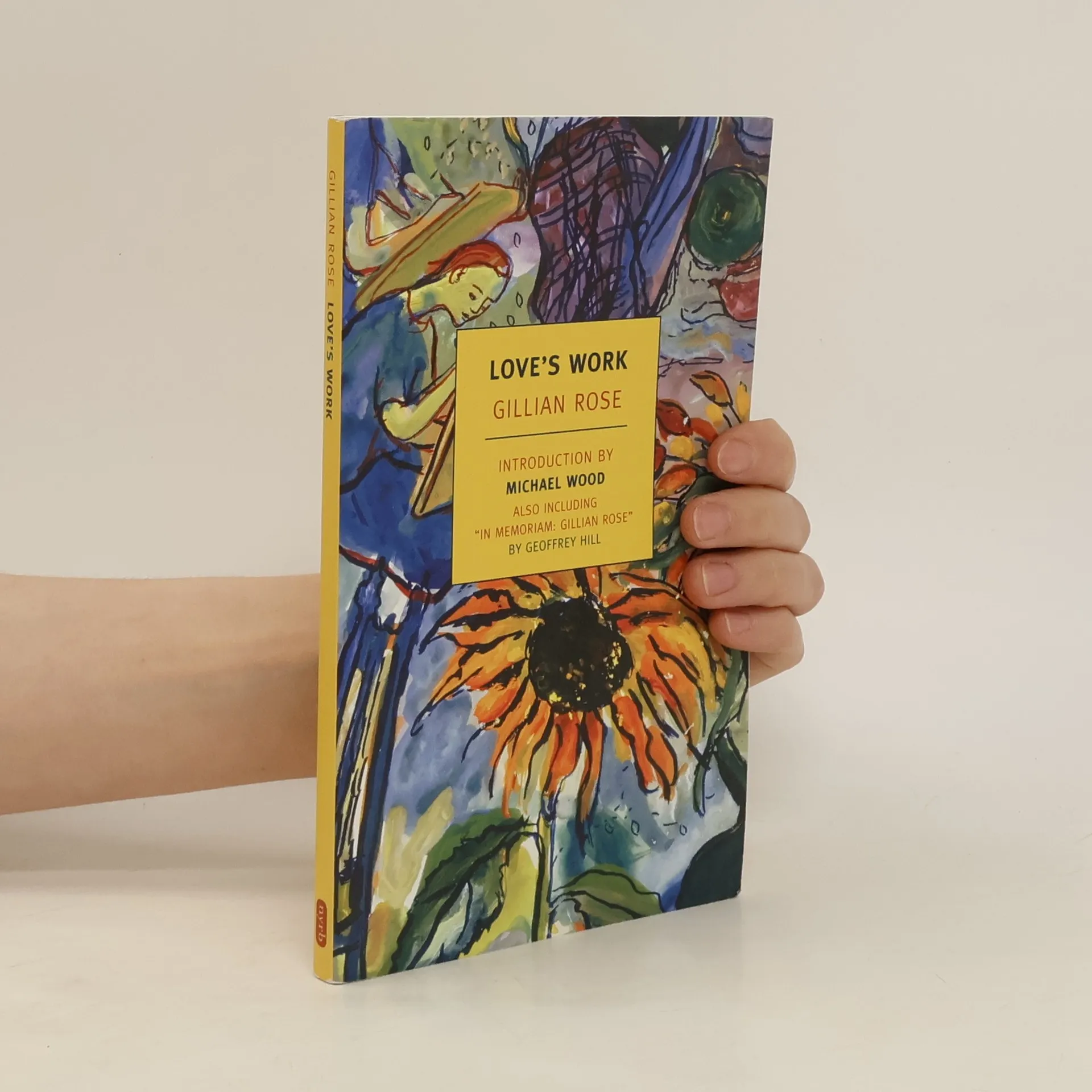
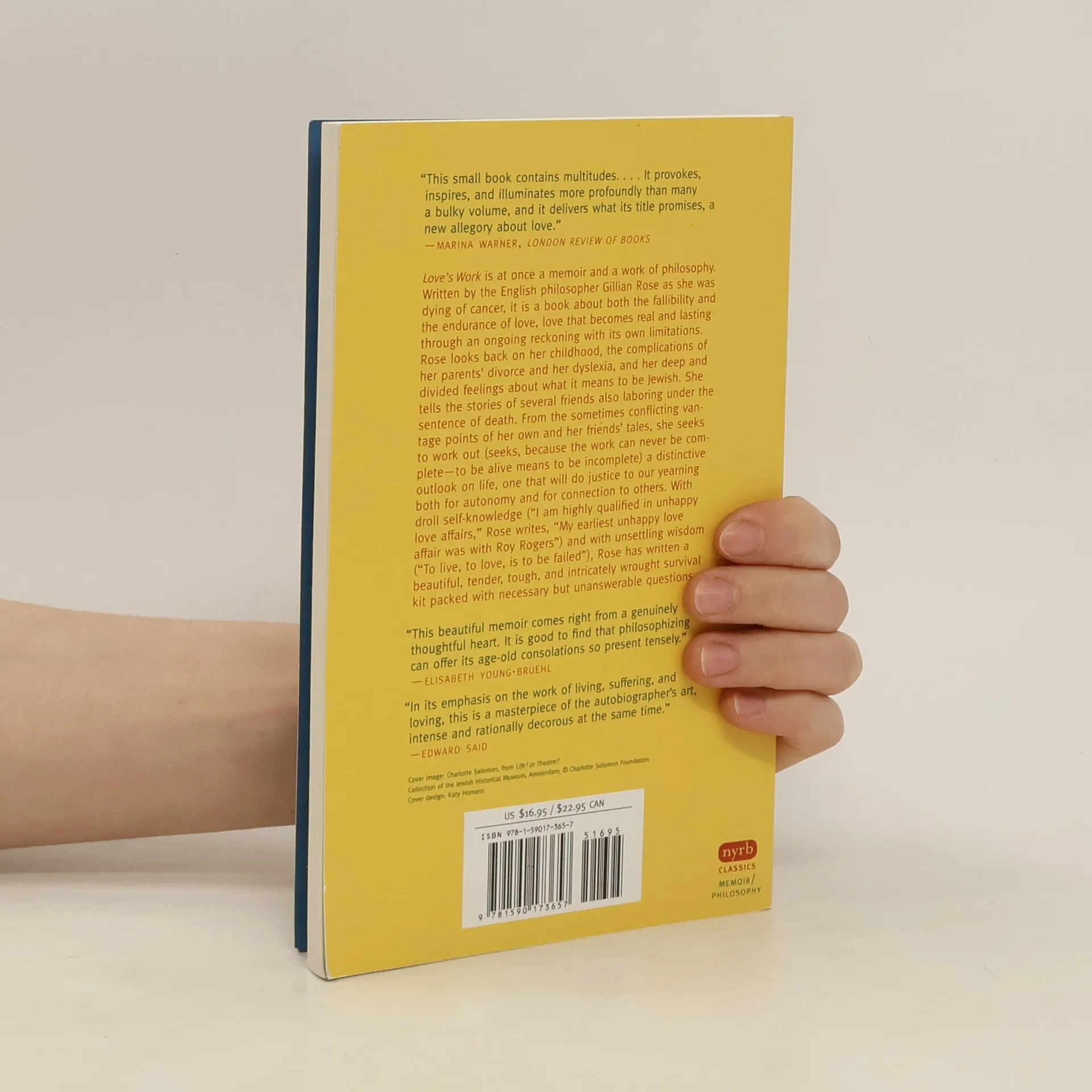
Love’s Work is at once a memoir and a work of philosophy. Written by the English philosopher Gillian Rose as she was dying of cancer, it is a book about both the fallibility and the endurance of love, love that becomes real and lasting through an ongoing reckoning with its own limitations. Rose looks back on her childhood, the complications of her parents’ divorce and her dyslexia, and her deep and divided feelings about what it means to be Jewish. She tells the stories of several friends also laboring under the sentence of death. From the sometimes conflicting vantage points of her own and her friends’ tales, she seeks to work out (seeks, because the work can never be complete—to be alive means to be incomplete) a distinctive outlook on life, one that will do justice to our yearning both for autonomy and for connection to others. With droll self-knowledge (“I am highly qualified in unhappy love affairs,” Rose writes, “My earliest unhappy love affair was with Roy Rogers”) and with unsettling wisdom (“To live, to love, is to be failed”), Rose has written a beautiful, tender, tough, and intricately wrought survival kit packed with necessary but unanswerable questions.

Nákup knihy
Love's Work, Gillian Rose
- Jazyk

- Rok vydání
- 2011
- Vazba
- (měkká)
Doručení
Platební metody
Tady nám chybí tvá recenze.
- Titul
- Love's Work
- Jazyk
- anglicky
- Autoři
- Gillian Rose
- Vydavatel
- New York Review of Books
- Rok vydání
- 2011
- Vazba
- měkká
- Počet stran
- 150
- ISBN10
- 1590173651
- ISBN13
- 9781590173657
- Série
- Kategorie
- Štítky
- Filosofická tématika, Láska
- Hodnocení
- 4 z 5
- Anotace
- Love’s Work is at once a memoir and a work of philosophy. Written by the English philosopher Gillian Rose as she was dying of cancer, it is a book about both the fallibility and the endurance of love, love that becomes real and lasting through an ongoing reckoning with its own limitations. Rose looks back on her childhood, the complications of her parents’ divorce and her dyslexia, and her deep and divided feelings about what it means to be Jewish. She tells the stories of several friends also laboring under the sentence of death. From the sometimes conflicting vantage points of her own and her friends’ tales, she seeks to work out (seeks, because the work can never be complete—to be alive means to be incomplete) a distinctive outlook on life, one that will do justice to our yearning both for autonomy and for connection to others. With droll self-knowledge (“I am highly qualified in unhappy love affairs,” Rose writes, “My earliest unhappy love affair was with Roy Rogers”) and with unsettling wisdom (“To live, to love, is to be failed”), Rose has written a beautiful, tender, tough, and intricately wrought survival kit packed with necessary but unanswerable questions.