


Skoro po roce jsem se ke knize vrátil a překonal ten opravdu hutný úvod, který pojednává o kritice naší civilizace z úst původních obyvatel Ameriky a reakci na ně. Chápu proč tam musel být, aby se kruhem na konci k němu vrátil po celém tom výkladu našich dějin, které doposud byly nahlíženy závojem předsudků a ignorace nových faktů archeologie, sociologie a ekonomie. Když vydržíte prvních sto dvacet stran začne být kniha velmi čtivá a velmi poučná. Třeba za rok bude fajn si jí přečíst znovu, bude to jistě stravitelnější. Autoři jsou profesoři příslušných oborů a rozbíjení teorie ostatních vědců zabývající se lidskou evolucí a pro čtenáře padají falešné obrazy naší prehistorie pod stůl na němž je opravdu honosná hostina nových poznatků a jako nám rovným u něj sedí dávní lidé, lovci a sběrači, kteří velmi moudře zkoušeli pomalu a s rozvahou takové modernity jako zemědělství, království či byrokracii. Fakta, která se dozví čtenář z tého knihy, v jiných knihách zabývající se starověkými civilizacemi a pravěkými kulturami úplně opomíjených, zde nasvítí detaily, jenž mění pohled na tyto dávné lidi. Jednu hvězdu přesto strhnu za ten úvod, který je jako pohovor, který má rozdělit čtenáře, kteří jsou hodni tohoto poznání.
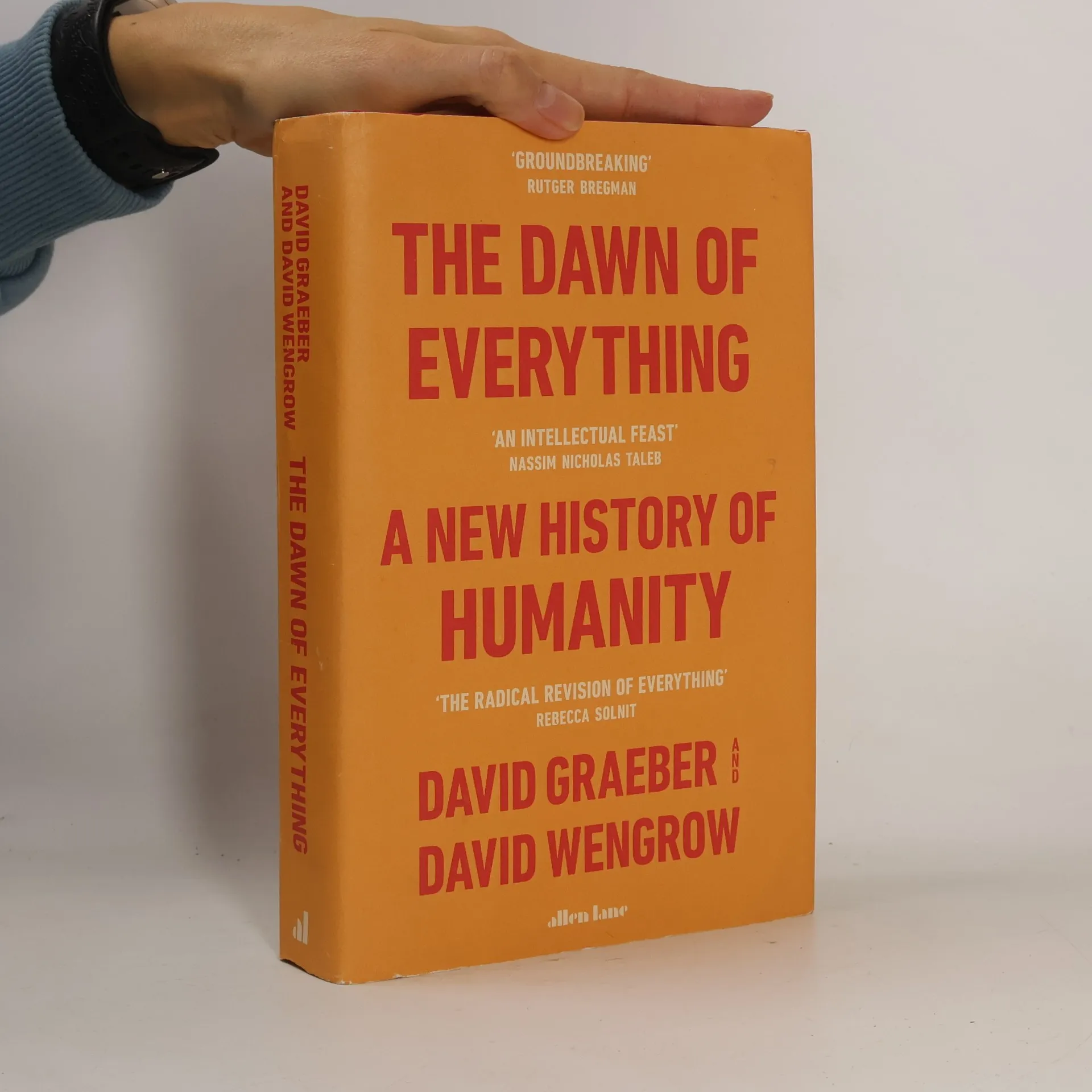
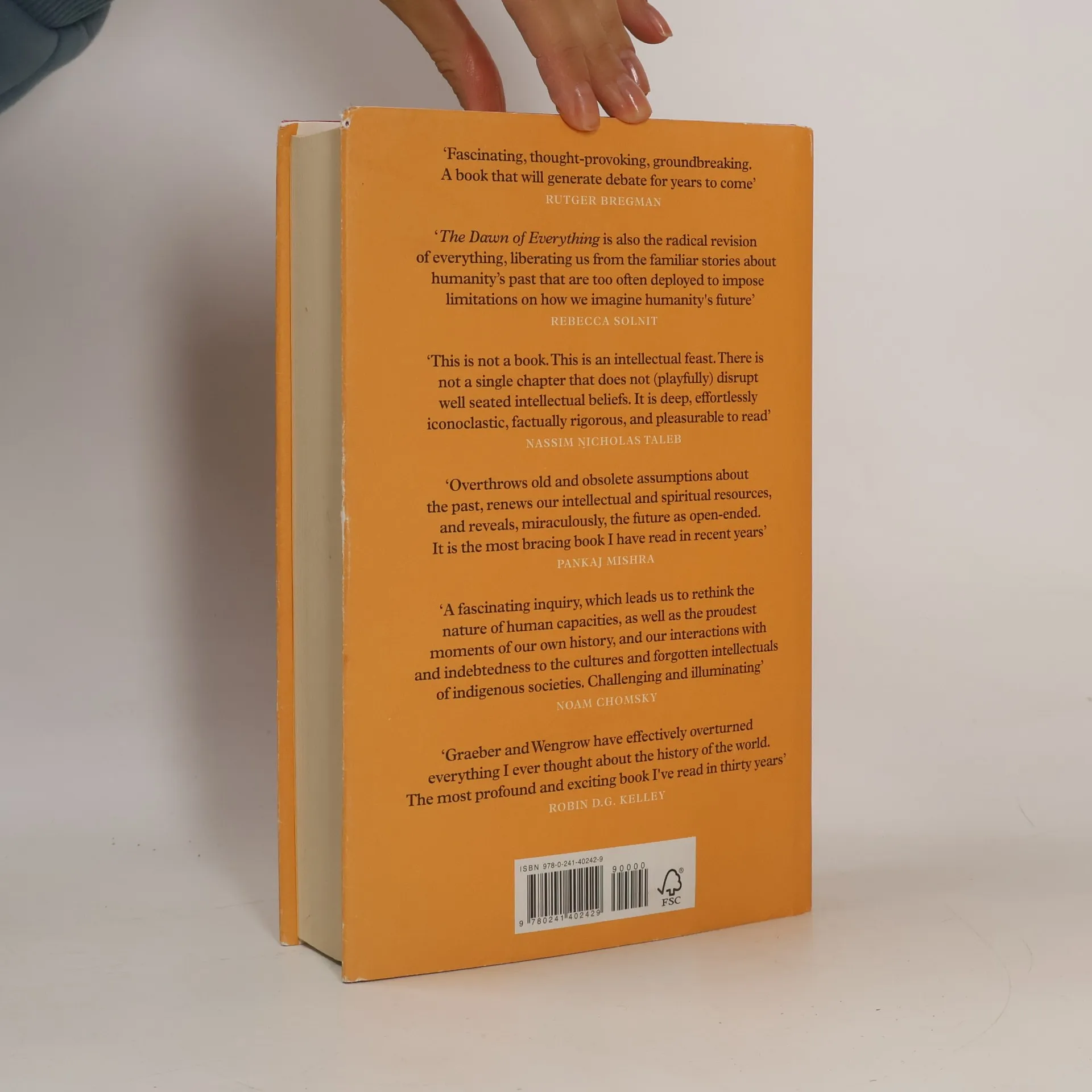
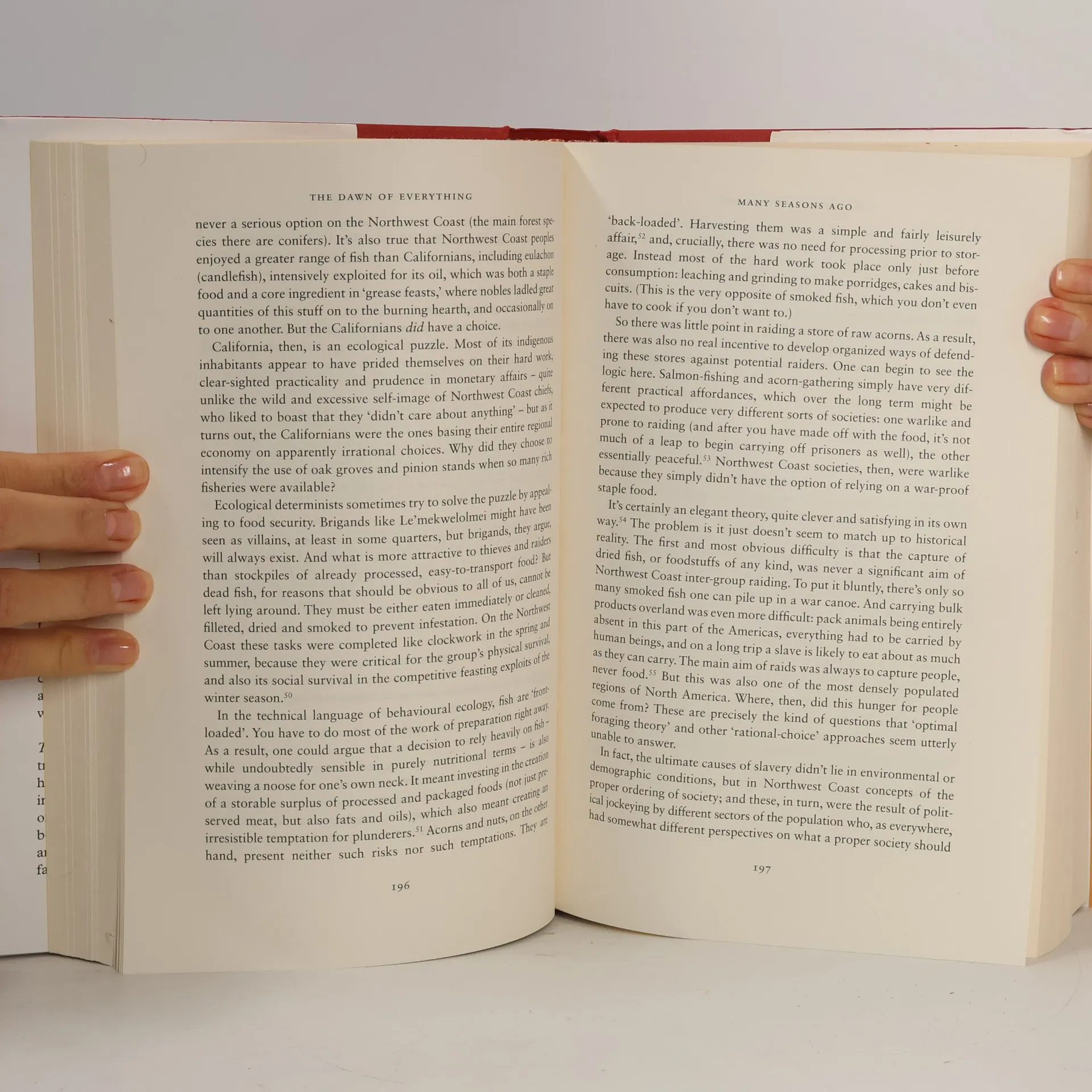
The Dawn of Everything. A New History of Humanity
Autoři
Hodnocení knihy
Parametry
Více o knize
For generations, our ancestors have been portrayed as either primitive and childlike or as free and equal, leading to the belief that civilization could only be achieved through sacrificing original freedoms or taming our instincts. The authors reveal how these theories emerged in the eighteenth century as responses to indigenous critiques of European society and argue against their validity. They challenge conventional views of human history, including the origins of farming, property, cities, democracy, slavery, and civilization itself. Utilizing groundbreaking research in archaeology and anthropology, they illustrate how history becomes more intriguing when we recognize what truly exists. If humans did not spend 95 percent of their evolutionary past as hunter-gatherers, what were they engaged in? If agriculture and cities did not lead to hierarchy and domination, what social and economic structures did they foster? The answers are often surprising, suggesting that history is less predetermined and more filled with possibilities than commonly believed. This work fundamentally reshapes our understanding of the human past and encourages the imagination of new forms of freedom and societal organization. It is a monumental exploration driven by curiosity, moral vision, and a belief in the power of direct action.
Nákup knihy
The Dawn of Everything. A New History of Humanity, David Graeber, D. Wengrow
- Jazyk

- Rok vydání
- 2021
- Vazba
- (pevná),
- Stav knihy
- Dobrá
- Cena
- 519 Kč
Doručení
Platební metody

Nova alternativní historie lidstva. Velmi zajímavé čtení a myšlenky.

Pokud tato kniha měla vůbec co říct, tak by se to nechalo shrnout na šedesáti stránkách. Absolutní ztráta času....
- Titul
- The Dawn of Everything. A New History of Humanity
- Jazyk
- anglicky
- Autoři
- David Graeber, D. Wengrow
- Rok vydání
- 2021
- Vazba
- pevná
- ISBN10
- 0241402425
- ISBN13
- 9780241402429
- Série
- Kategorie
- První vydání
- 2021
- Původní název
- The Dawn of Everything
- Hodnocení
- 4,2 z 5
- Anotace
- For generations, our ancestors have been portrayed as either primitive and childlike or as free and equal, leading to the belief that civilization could only be achieved through sacrificing original freedoms or taming our instincts. The authors reveal how these theories emerged in the eighteenth century as responses to indigenous critiques of European society and argue against their validity. They challenge conventional views of human history, including the origins of farming, property, cities, democracy, slavery, and civilization itself. Utilizing groundbreaking research in archaeology and anthropology, they illustrate how history becomes more intriguing when we recognize what truly exists. If humans did not spend 95 percent of their evolutionary past as hunter-gatherers, what were they engaged in? If agriculture and cities did not lead to hierarchy and domination, what social and economic structures did they foster? The answers are often surprising, suggesting that history is less predetermined and more filled with possibilities than commonly believed. This work fundamentally reshapes our understanding of the human past and encourages the imagination of new forms of freedom and societal organization. It is a monumental exploration driven by curiosity, moral vision, and a belief in the power of direct action.