

Více o knize
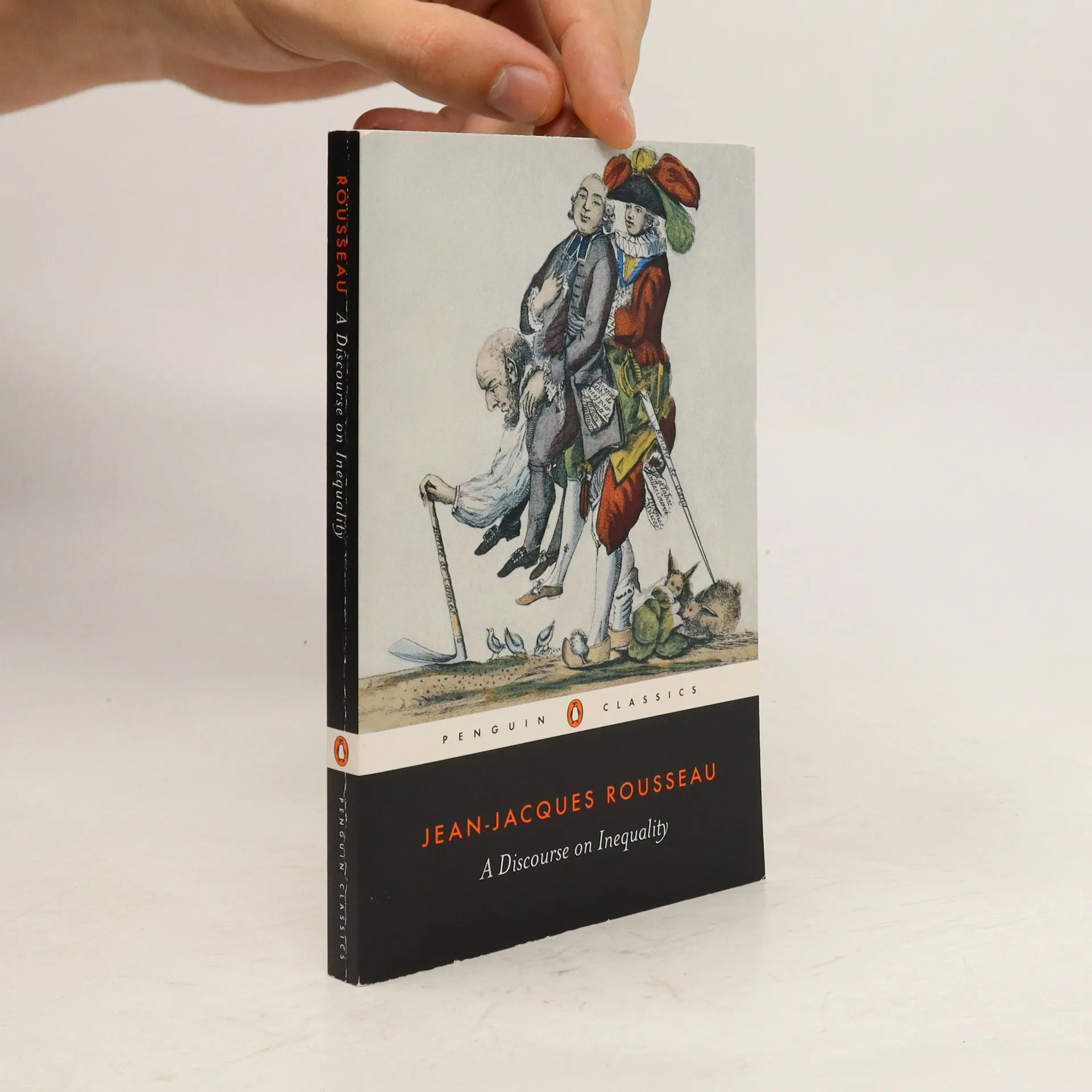
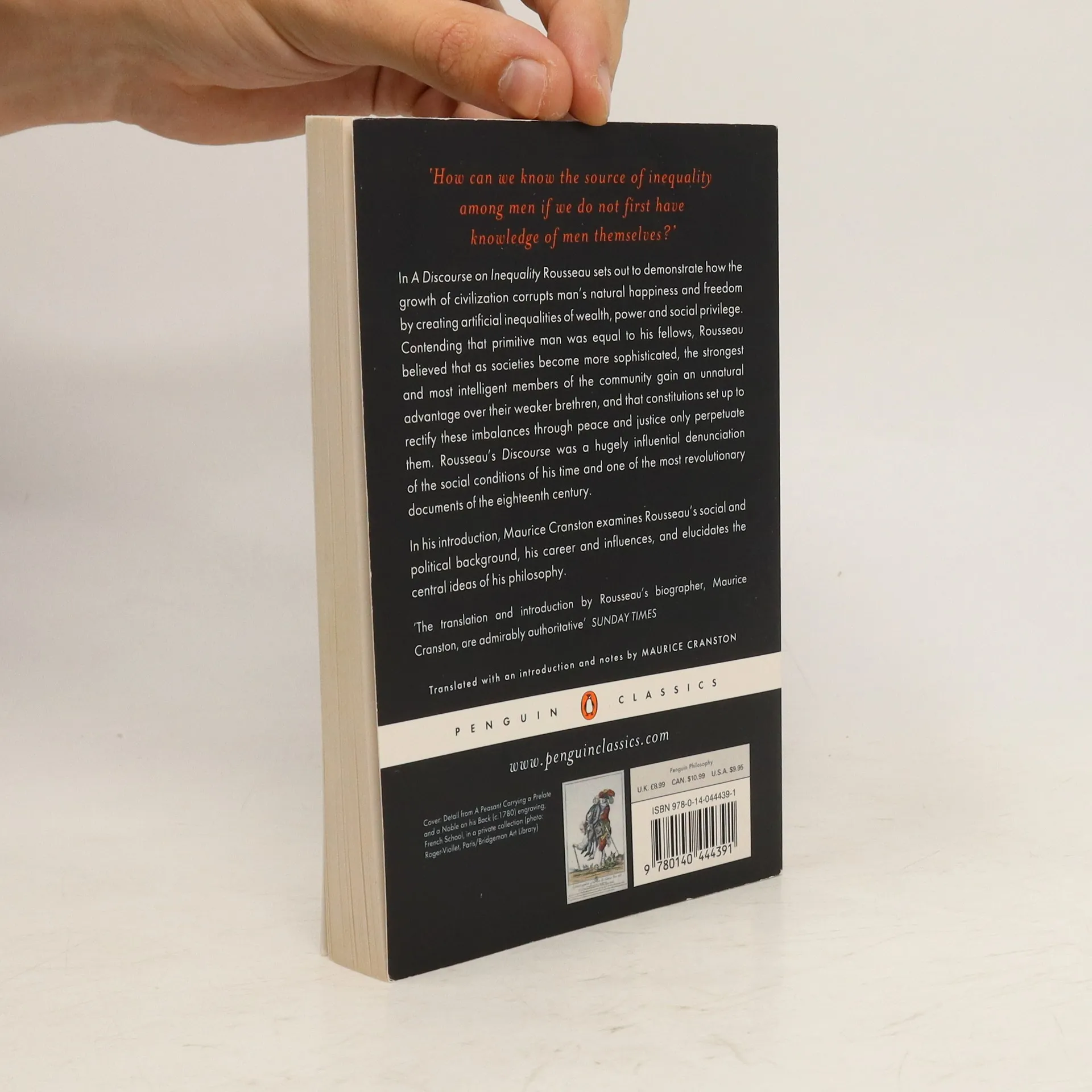
In A Discourse on Inequality, Rousseau sets out to demonstrate how the growth of civilization corrupts man’s natural happiness and freedom by creating artificial inequalities of wealth, power and social privilege. Contending that primitive man was equal to his fellows, Rousseau believed that as societies become more sophisticated, the strongest and most intelligent members of the community gain an unnatural advantage over their weaker brethren, and that constitutions set up to rectify these imbalances through peace and justice in fact do nothing but perpetuate them. Rousseau’s political and social arguments in the Discourse were a hugely influential denunciation of the social conditions of his time and one of the most revolutionary documents of the eighteenth-century. For more than seventy years, Penguin has been the leading publisher of classic literature in the English-speaking world. With more than 1,700 titles, Penguin Classics represents a global bookshelf of the best works throughout history and across genres and disciplines. Readers trust the series to provide authoritative texts enhanced by introductions and notes by distinguished scholars and contemporary authors, as well as up-to-date translations by award-winning translators.




Nákup knihy
A discourse on inequality, Maurice William Cranston, Jean-Jacques Rousseau
- Jazyk

- Rok vydání
- 1984
- Vazba
- (měkká)
Tady nám chybí tvá recenze.
- Titul
- A discourse on inequality
- Jazyk
- anglicky
- Vydavatel
- Penguin
- Rok vydání
- 1984
- Vazba
- měkká
- ISBN10
- 0140444394
- ISBN13
- 9780140444391
- Série
- Kolekce
- Penguin classics
- Kategorie
- Štítky
- Filosofická tématika, Politika, Francie, Škola, Osvícenství
- První vydání
- 1754
- Původní název
- Discours sur l'origine et les fondements de l'inégalité parmi les hommes
- Hodnocení
- 3,85 z 5
- Anotace
- In A Discourse on Inequality, Rousseau sets out to demonstrate how the growth of civilization corrupts man’s natural happiness and freedom by creating artificial inequalities of wealth, power and social privilege. Contending that primitive man was equal to his fellows, Rousseau believed that as societies become more sophisticated, the strongest and most intelligent members of the community gain an unnatural advantage over their weaker brethren, and that constitutions set up to rectify these imbalances through peace and justice in fact do nothing but perpetuate them. Rousseau’s political and social arguments in the Discourse were a hugely influential denunciation of the social conditions of his time and one of the most revolutionary documents of the eighteenth-century. For more than seventy years, Penguin has been the leading publisher of classic literature in the English-speaking world. With more than 1,700 titles, Penguin Classics represents a global bookshelf of the best works throughout history and across genres and disciplines. Readers trust the series to provide authoritative texts enhanced by introductions and notes by distinguished scholars and contemporary authors, as well as up-to-date translations by award-winning translators.