

Více o knize
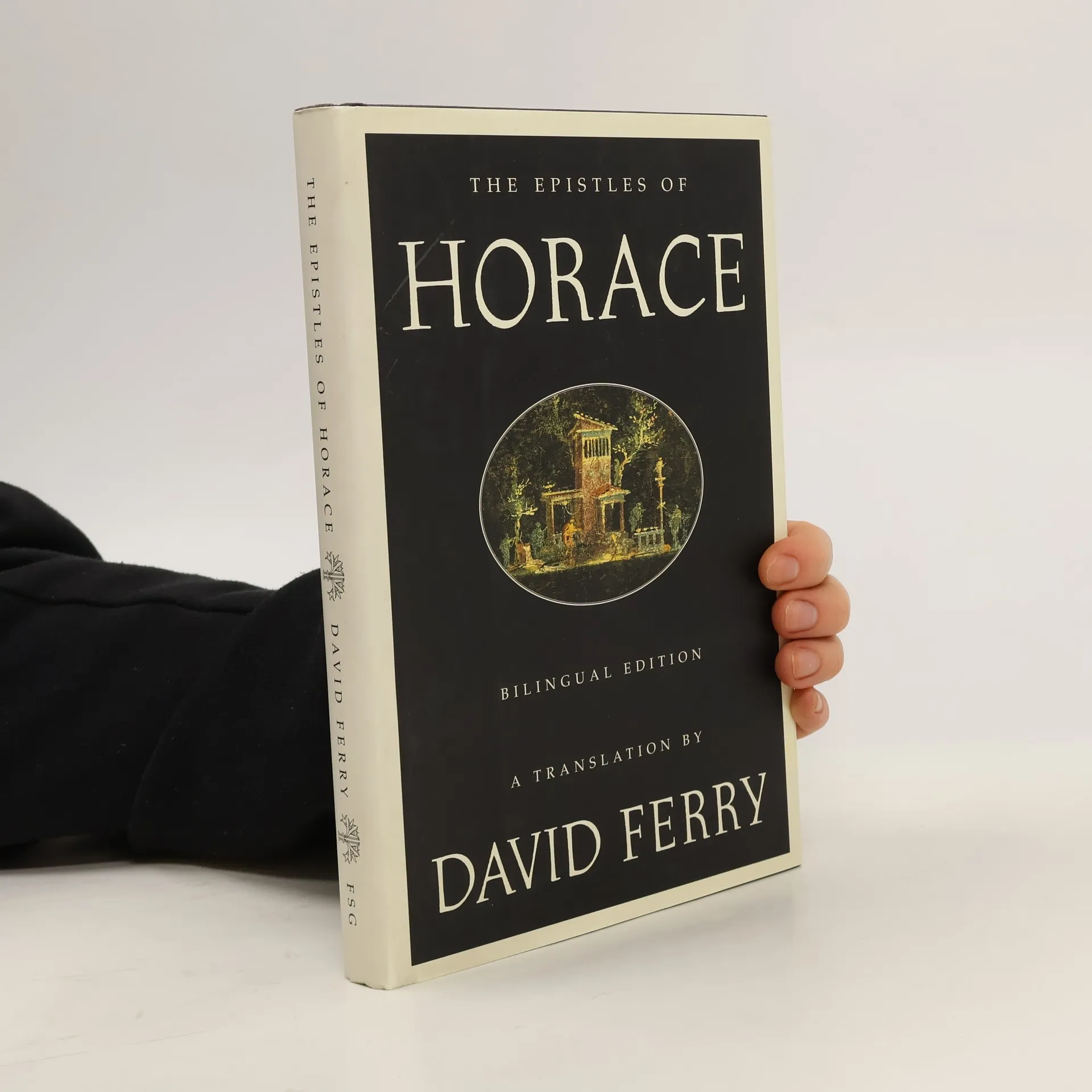
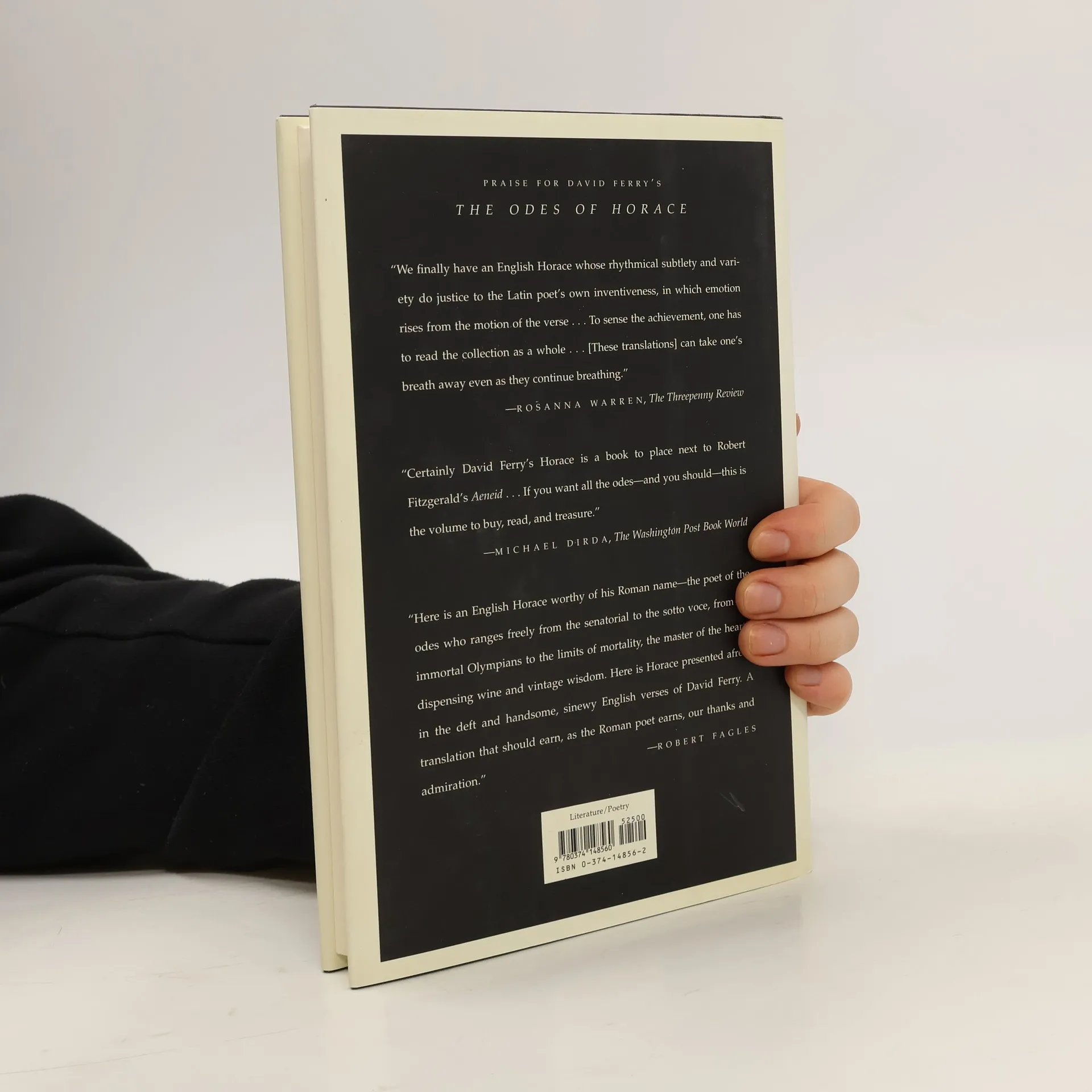
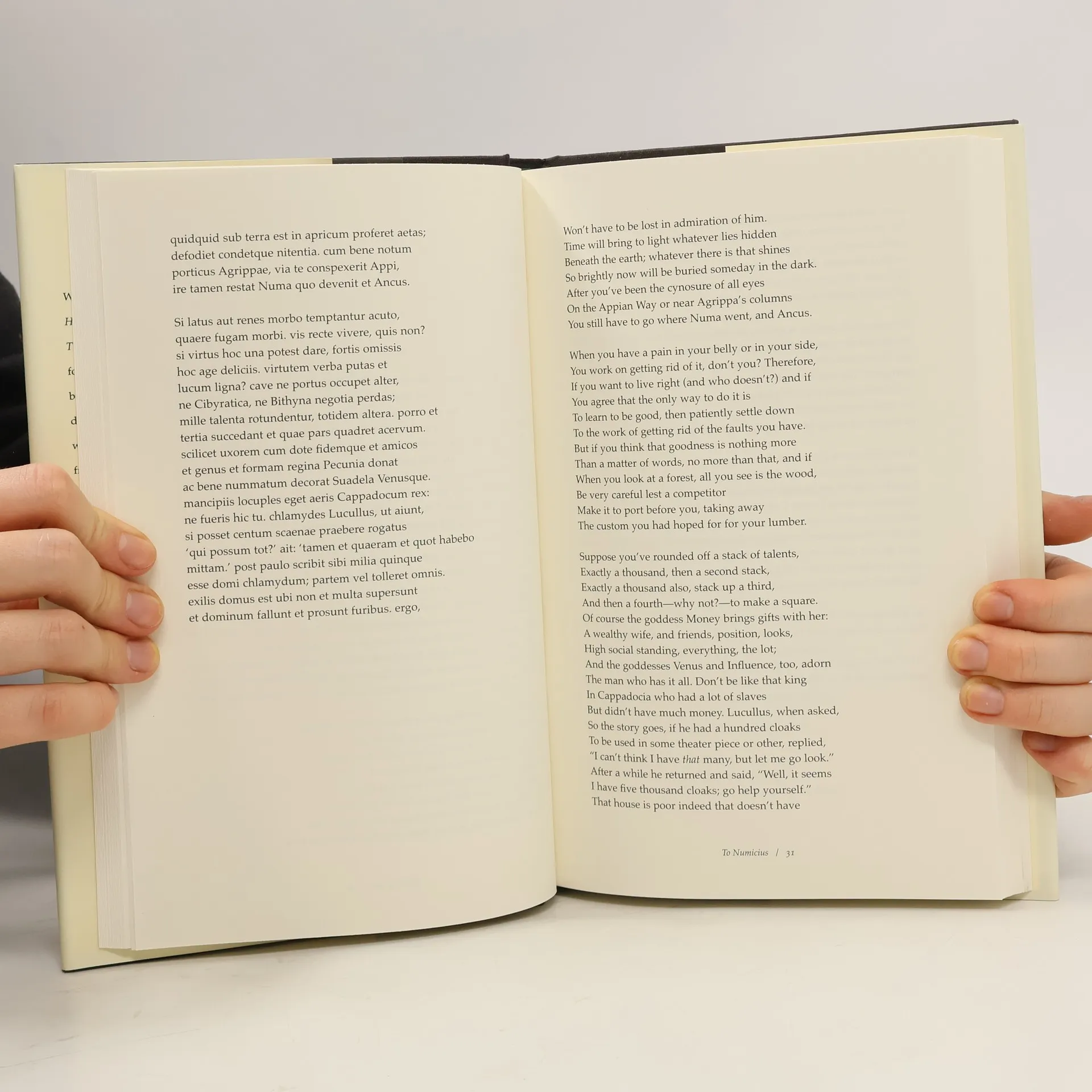
When David Ferry's translation of The Odes of Horace appeared in 1997, Bernard Knox, writing in The New York Review of Books, called it "a Horace for our times." Now Ferry has translated Horace's two books of Epistles, in which Horace perfected the conversational verse medium that gives his voice such dazzling immediacy, speaking in these letters with such directness, wit, and urgency to young writers, to friends, to his patron Maecenas to Emperor Augustus himself. It is the voice of a free man, talking about how to get along in a Roman world full of temptations, opportunities, and contingencies, and how to do so with one's integrity intact. Horace's world, so unlike our own and yet so like it, comes to life in these poems. And there are also the poems -- the famous "Art of Poetry" and others -- about the tasks and responsibilities of the writer: truth to the demands of one's medium, fearless clear-sighted self-knowledge, and unillusioned, uncynical realism, joyfully recognizing the world for what it is.
Nákup knihy
The Epistles of Horace, David Ferry
- Jazyk

- Rok vydání
- 2001
- Vazba
- (pevná)
Doručení
Platební metody
Tady nám chybí tvá recenze.
- Titul
- The Epistles of Horace
- Jazyk
- anglicky
- Autoři
- David Ferry
- Vydavatel
- Farrar, Straus and Giroux
- Rok vydání
- 2001
- Vazba
- pevná
- Počet stran
- 203
- ISBN10
- 0374148562
- ISBN13
- 9780374148560
- Série
- Hodnocení
- 4,4 z 5
- Anotace
- When David Ferry's translation of The Odes of Horace appeared in 1997, Bernard Knox, writing in The New York Review of Books, called it "a Horace for our times." Now Ferry has translated Horace's two books of Epistles, in which Horace perfected the conversational verse medium that gives his voice such dazzling immediacy, speaking in these letters with such directness, wit, and urgency to young writers, to friends, to his patron Maecenas to Emperor Augustus himself. It is the voice of a free man, talking about how to get along in a Roman world full of temptations, opportunities, and contingencies, and how to do so with one's integrity intact. Horace's world, so unlike our own and yet so like it, comes to life in these poems. And there are also the poems -- the famous "Art of Poetry" and others -- about the tasks and responsibilities of the writer: truth to the demands of one's medium, fearless clear-sighted self-knowledge, and unillusioned, uncynical realism, joyfully recognizing the world for what it is.