


Více o knize
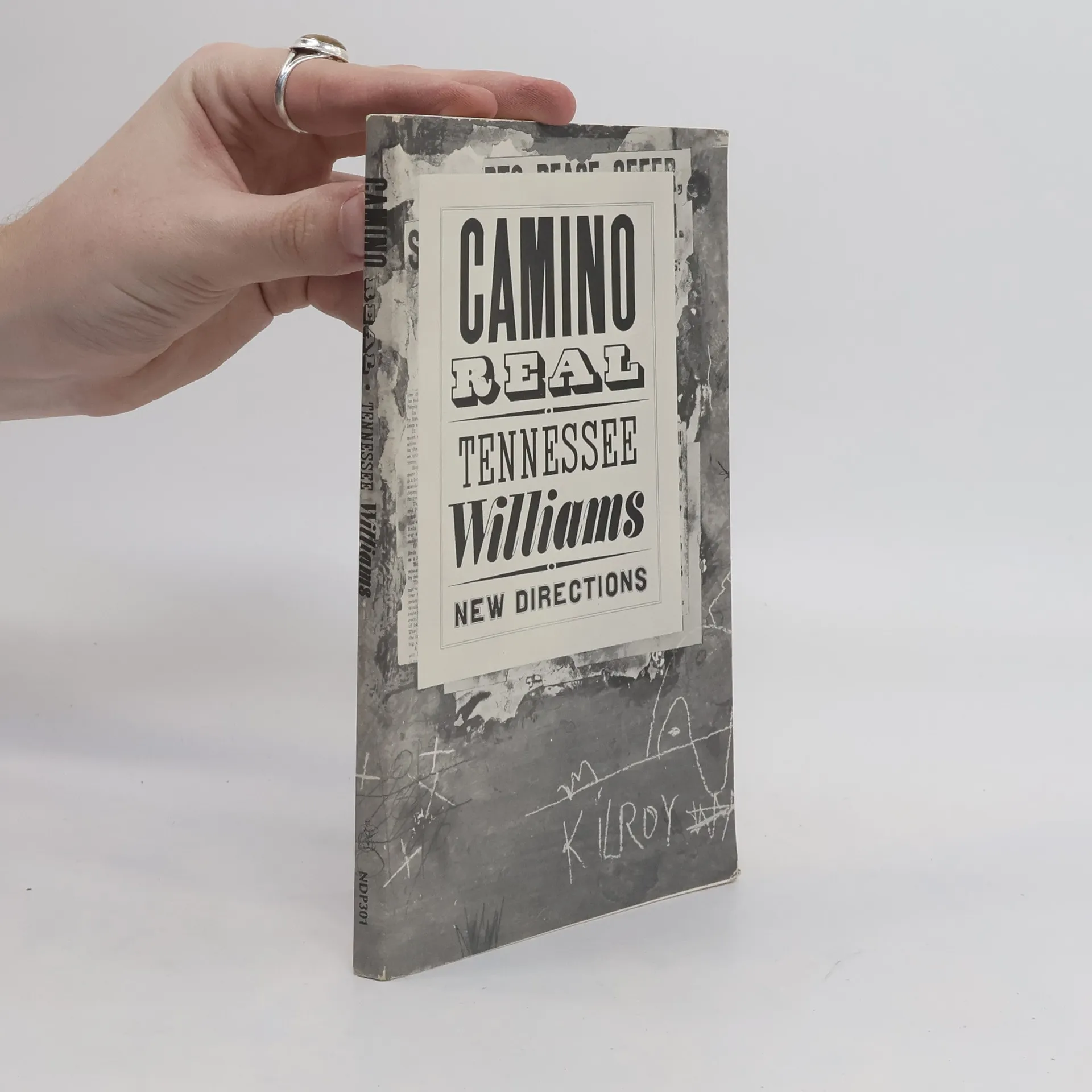
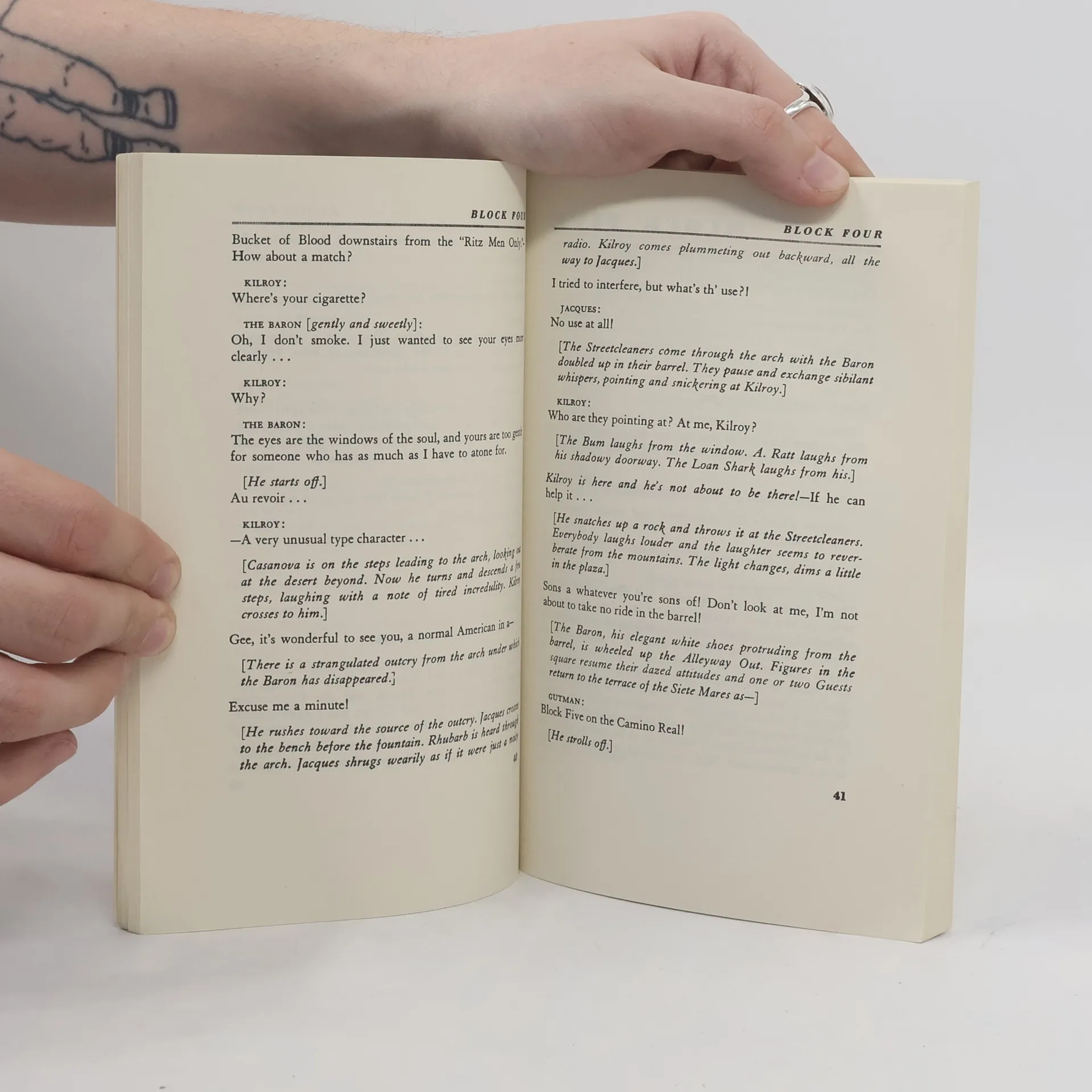
In this phantasmagorical play, the Camino Real is a dead end, a police state in a vaguely Latin American country, and an inescapable condition. Characters from history and literature―Don Quixote, Casanova, Camille, Lord Byron―inhabit a place where corruption and indifference have immobilized and nearly destroyed the human spirit. Then, into this netherworld, the archetypal Kilroy arrives―a sailor and all-American guy with “a heart as big as the head of baby.” Celebrated American playwright John Guare has written an illuminative Introduction for this edition. Also included are Williams’ original Foreword and Afterword to the play, the one-act play "Ten Blocks on the Camino Real," plus an essay by noted Tennessee Williams scholar Michael Paller.

Vydání

Nákup knihy
Camino Real, Tennessee Williams
- Jazyk

- Rok vydání
- 1970
- Vazba
- (měkká)
Doručení
Platební metody
Tady nám chybí tvá recenze.
- Titul
- Camino Real
- Jazyk
- anglicky
- Autoři
- Tennessee Williams
- Rok vydání
- 1970
- Vazba
- měkká
- ISBN10
- 0811202186
- ISBN13
- 9780811202183
- Série
- Hodnocení
- 3,55 z 5
- Anotace
- In this phantasmagorical play, the Camino Real is a dead end, a police state in a vaguely Latin American country, and an inescapable condition. Characters from history and literature―Don Quixote, Casanova, Camille, Lord Byron―inhabit a place where corruption and indifference have immobilized and nearly destroyed the human spirit. Then, into this netherworld, the archetypal Kilroy arrives―a sailor and all-American guy with “a heart as big as the head of baby.” Celebrated American playwright John Guare has written an illuminative Introduction for this edition. Also included are Williams’ original Foreword and Afterword to the play, the one-act play "Ten Blocks on the Camino Real," plus an essay by noted Tennessee Williams scholar Michael Paller.