




Ocekaval jsem lepsi knihu. Nektera tvrzeni jsou docela vagni a styl psani neni tolik poutavy.
Miláček čtenářů je právě vyprodaný


Hodnocení knihy
Více o knize
Wie reizen de Verenigde Staten, komt men de drogisterijketen Walgreens tegen, die zich heeft ontwikkeld van een onopvallend bedrijf tot een van de toonaangevende aanbieders. Jim Collins onderzoekt wat bedrijven in de topklasse katapulteert. Om deze vraag te beantwoorden, voerde hij een uitgebreid benchmarkonderzoek uit. Aan de ene kant stonden bedrijven die gedurende 15 jaar een gemiddelde aandelenprestatie lieten zien en vervolgens de marktprestaties met het drievoudige overtroffen. Aan de andere kant werden bedrijven geselecteerd die vergelijkbare voorwaarden hadden, maar niet de sprong naar de top maakten. Collins en zijn team voerden intensieve mediaonderzoeken, interviews met managers en uitgebreide analyses uit om verschillen te identificeren. Ze ontdekten dat de beste topmanagers vaak terughoudend en bescheiden zijn, maar een sterke professionele wil hebben. Bovendien ontdekten ze dat succesvolle managers eerst de verkeerde medewerkers ontslaan voordat ze een nieuwe visie verkondigen. De bevinding dat opwaartse ontwikkelingen meestal het resultaat zijn van langzame veranderingen in plaats van plotselinge revoluties, is opmerkelijk. Een waardevol inzicht in bedrijfsvoering!
Nákup knihy
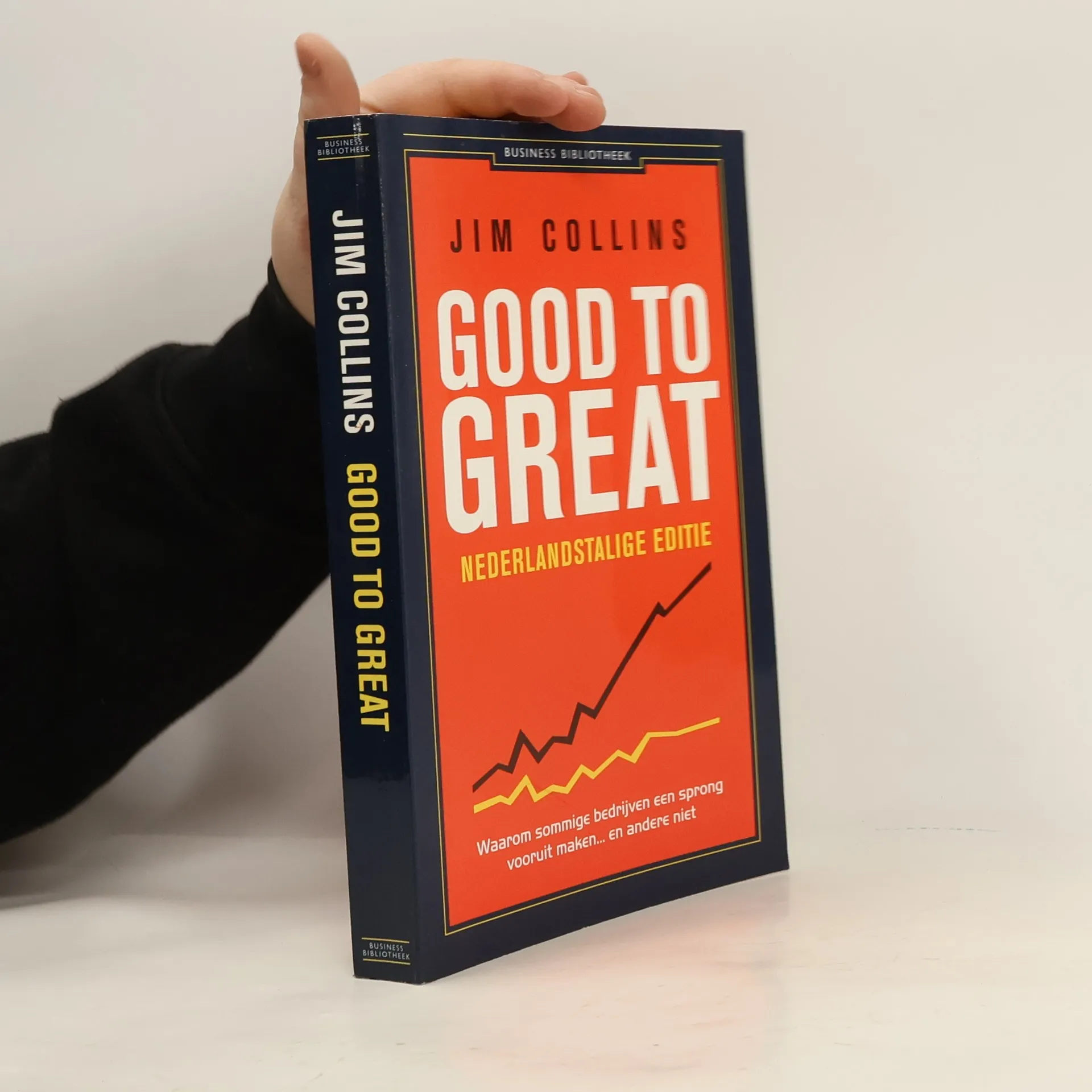
Good to Great, Jim Collins
- Jazyk

- Rok vydání
- 2006
- Vazba
- (měkká)
Jakmile se objeví, pošleme e-mail.
Doručení
Platební metody

Tahle kniha mě opravdu nadchla! Ze všech knih od Collinse je tahle jednoznačně nejzajímavější a nejužitečnější. Našla jsem v ní spoustu věcí, které si odnáším pro sebe. Rozhodně doporučuju.

Recenze obsahuje spoilery.
I don't think this book was the greatest, though I did find parts of it interesting. The author discusses habits that successful companies use, such as avoiding negative people and sticking with what works, which are logical ideas. However, I had two main issues: first, the book is too long and repetitive, and I would have preferred a more concise version. While the examples were helpful, the lengthy explanations often made things confusing. Second, the author's methodology is questionable, as he relies on a "panning for gold" approach without scientific data, which makes me skeptical of his conclusions. His prediction that companies will fail if they stop following his principles seems overly simplistic and doesn't account for other factors that contribute to success or failure. Overall, while the book starts strong, I became bored by the end and worry that some companies might overvalue its advice while ignoring other crucial elements.
- Titul
- Good to Great
- Podtitul
- Waarom sommige bedrijven een sprong vooruit maken... en andere niet
- Jazyk
- nizozemsky
- Autoři
- Jim Collins
- Vydavatel
- Business Bibliotheek
- Rok vydání
- 2006
- Vazba
- měkká
- Počet stran
- 284
- ISBN10
- 9025425100
- ISBN13
- 9789025425104
- Série
- Kategorie
- Štítky
- Byznys
- Původní název
- Good to Great
- Hodnocení
- 4,1 z 5
- Anotace
- Wie reizen de Verenigde Staten, komt men de drogisterijketen Walgreens tegen, die zich heeft ontwikkeld van een onopvallend bedrijf tot een van de toonaangevende aanbieders. Jim Collins onderzoekt wat bedrijven in de topklasse katapulteert. Om deze vraag te beantwoorden, voerde hij een uitgebreid benchmarkonderzoek uit. Aan de ene kant stonden bedrijven die gedurende 15 jaar een gemiddelde aandelenprestatie lieten zien en vervolgens de marktprestaties met het drievoudige overtroffen. Aan de andere kant werden bedrijven geselecteerd die vergelijkbare voorwaarden hadden, maar niet de sprong naar de top maakten. Collins en zijn team voerden intensieve mediaonderzoeken, interviews met managers en uitgebreide analyses uit om verschillen te identificeren. Ze ontdekten dat de beste topmanagers vaak terughoudend en bescheiden zijn, maar een sterke professionele wil hebben. Bovendien ontdekten ze dat succesvolle managers eerst de verkeerde medewerkers ontslaan voordat ze een nieuwe visie verkondigen. De bevinding dat opwaartse ontwikkelingen meestal het resultaat zijn van langzame veranderingen in plaats van plotselinge revoluties, is opmerkelijk. Een waardevol inzicht in bedrijfsvoering!