

Více o knize
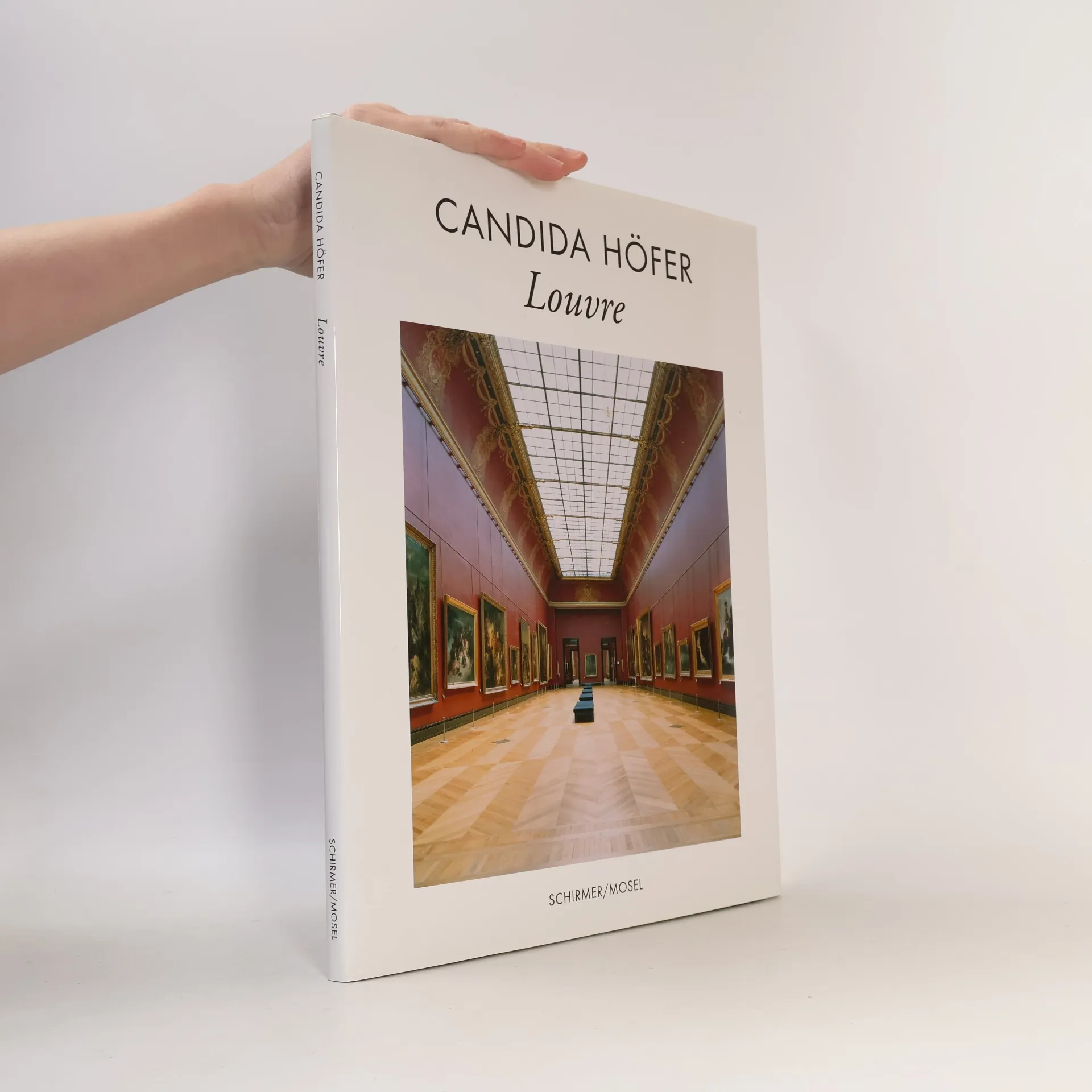
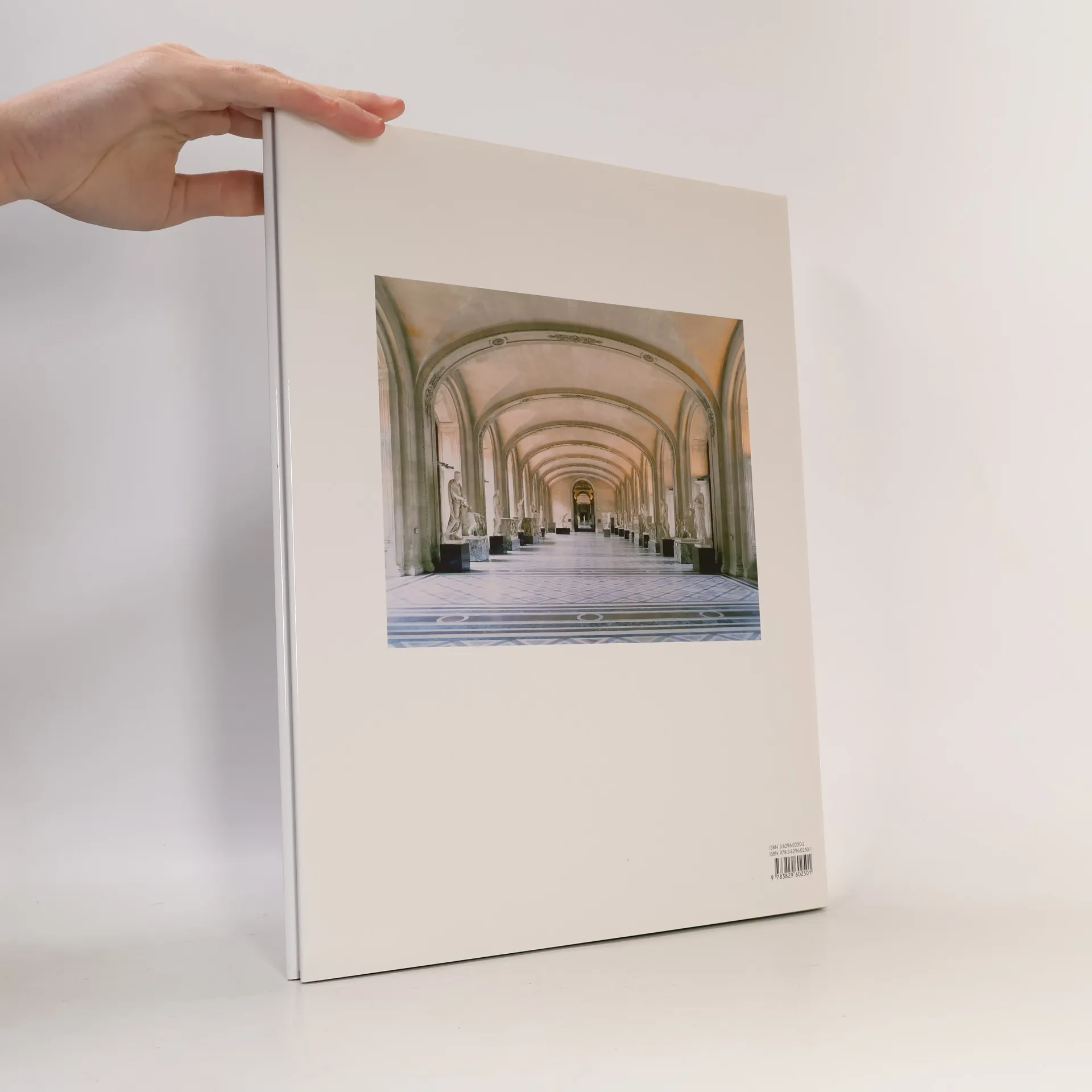
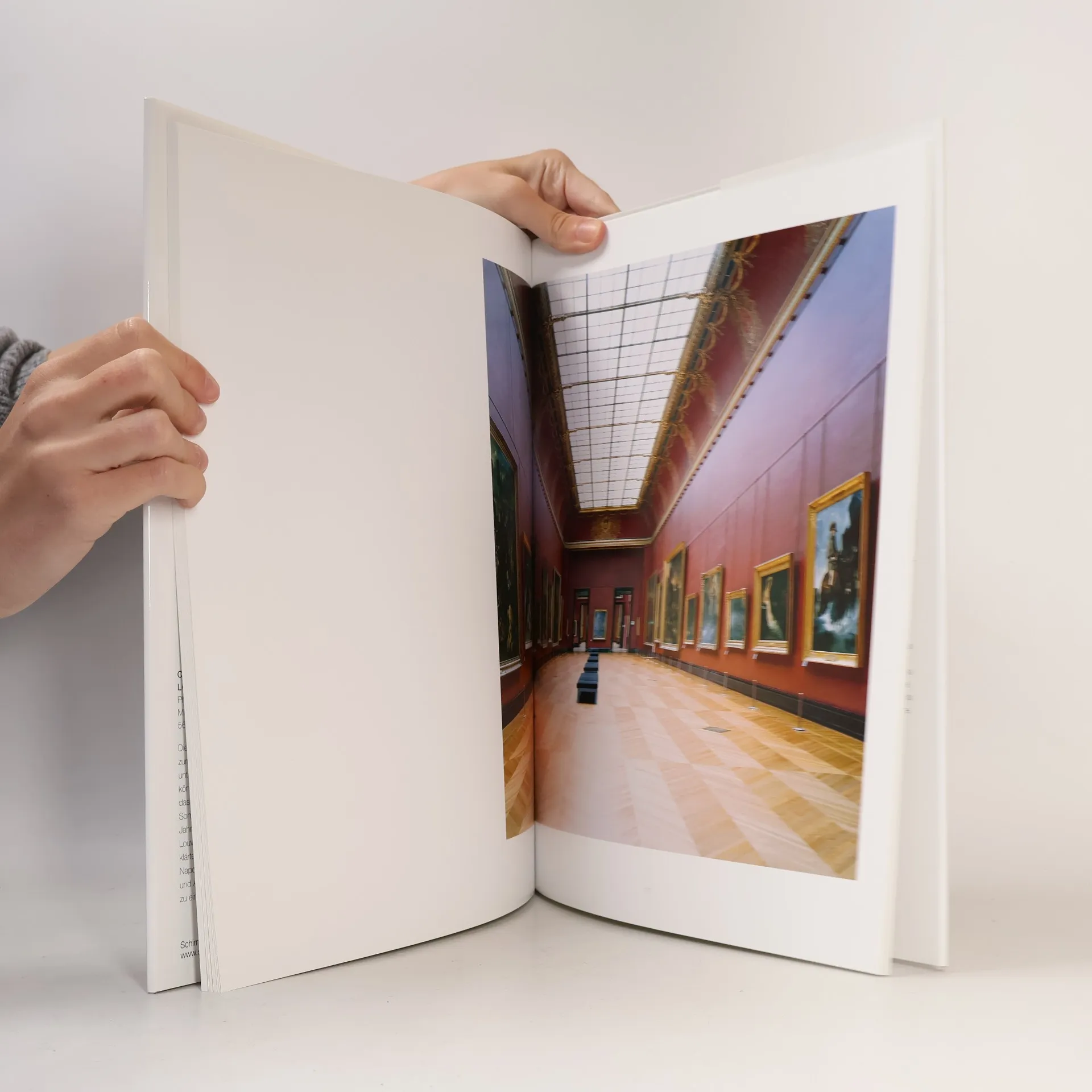
The architectural history of the Louvre stretches back to the early 13th century. A comparatively modest royal fortress, it became the royal residence under Francois I, friend and patron of Leonardo da Vinci. Louis XIV turned the Louvre into a splendid castle. Four years after the outbreak of the French Revolution, the Louvre opened its doors to the public. The royal art collections, with constant additions through Napoleon's military campaigns and forays as well as donations, purchases and excavations, today make the Louvre one of the world's richest and finest museums. Candida Höfer, known for her images of deserted public spaces, photographed the empty rooms and galleries of the Louvre on days when it was closed to the public. In her luminous color pictures, the treasures of Western art enter into a silent yet eloquent dialog with the architectural setting, the luxurious or sober decor, the building's past, and its present as a museum.

Nákup knihy
Candida Höfer, Henri Loyrette, Marie-Laure Bernadac, Candida Höfer
- Jazyk

- Rok vydání
- 2006
- Vazba
- (pevná),
- Stav knihy
- Dobrá
- Cena
- 289 Kč
Doručení
Platební metody
Tady nám chybí tvá recenze.
- Titul
- Candida Höfer
- Podtitul
- Louvre
- Jazyk
- anglicky
- Vydavatel
- Schirmer Mosel
- Rok vydání
- 2006
- Vazba
- pevná
- Počet stran
- 56
- ISBN10
- 3829602502
- ISBN13
- 9783829602501
- Série
- Štítky
- Umění
- Hodnocení
- 4,4 z 5
- Anotace
- The architectural history of the Louvre stretches back to the early 13th century. A comparatively modest royal fortress, it became the royal residence under Francois I, friend and patron of Leonardo da Vinci. Louis XIV turned the Louvre into a splendid castle. Four years after the outbreak of the French Revolution, the Louvre opened its doors to the public. The royal art collections, with constant additions through Napoleon's military campaigns and forays as well as donations, purchases and excavations, today make the Louvre one of the world's richest and finest museums. Candida Höfer, known for her images of deserted public spaces, photographed the empty rooms and galleries of the Louvre on days when it was closed to the public. In her luminous color pictures, the treasures of Western art enter into a silent yet eloquent dialog with the architectural setting, the luxurious or sober decor, the building's past, and its present as a museum.