

Více o knize
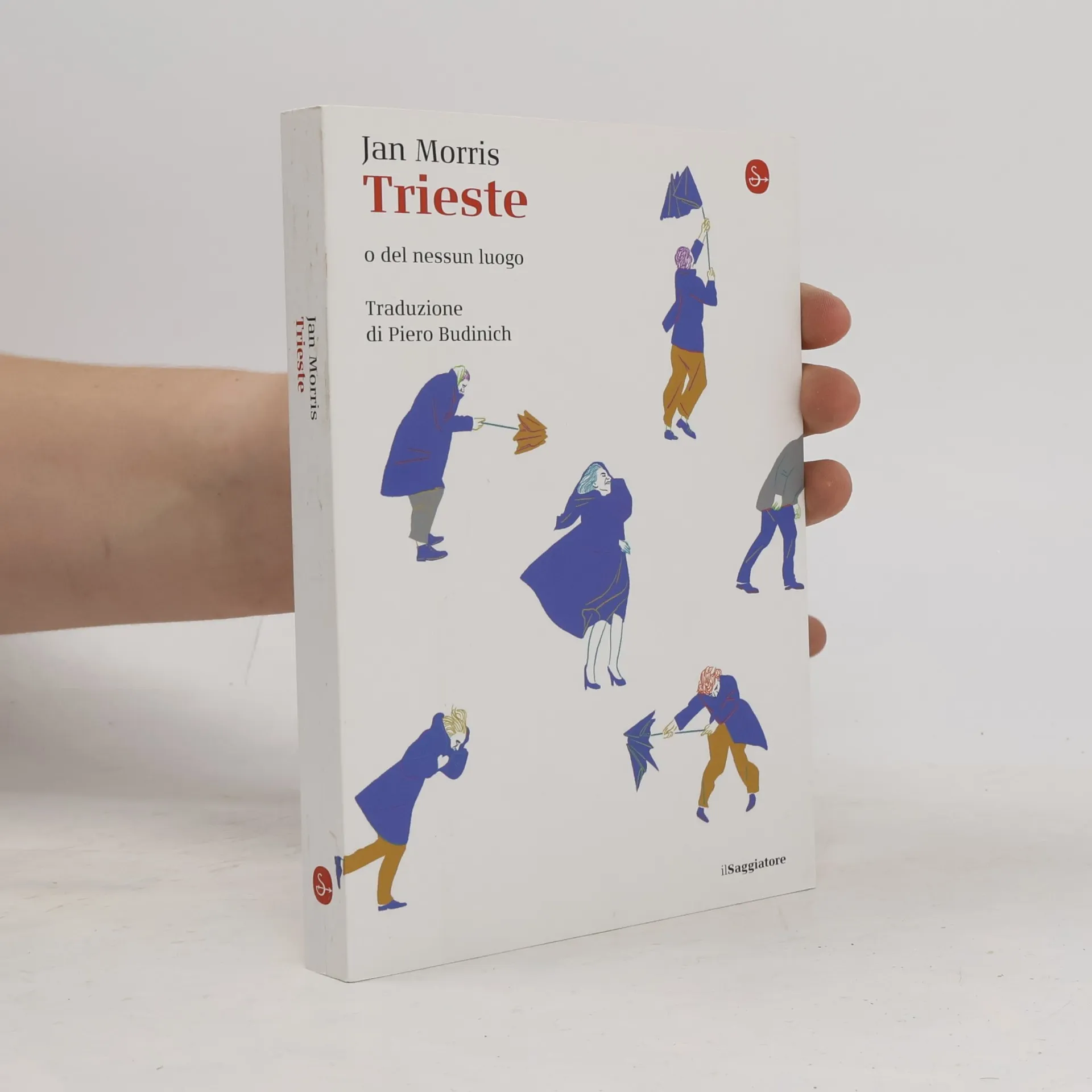
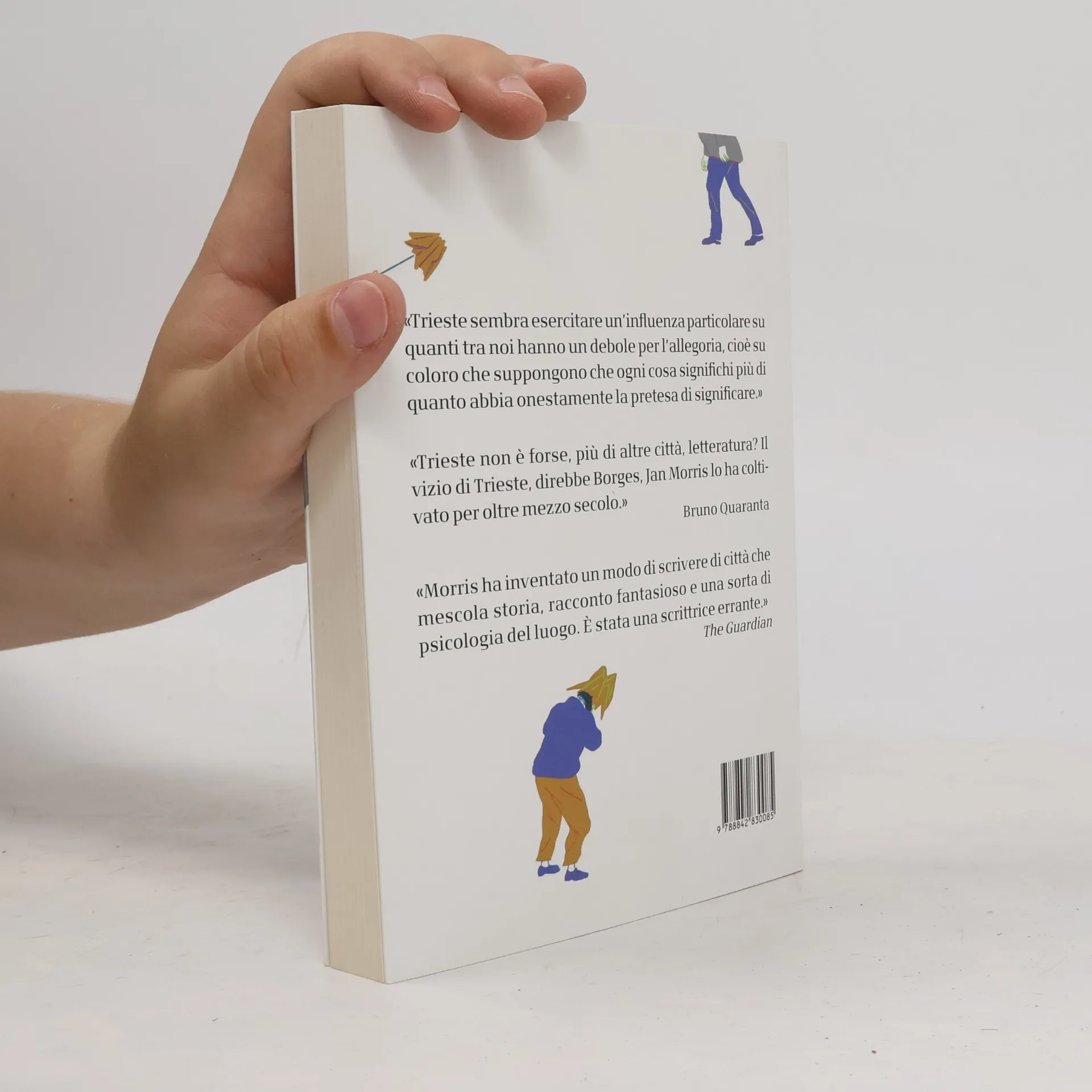
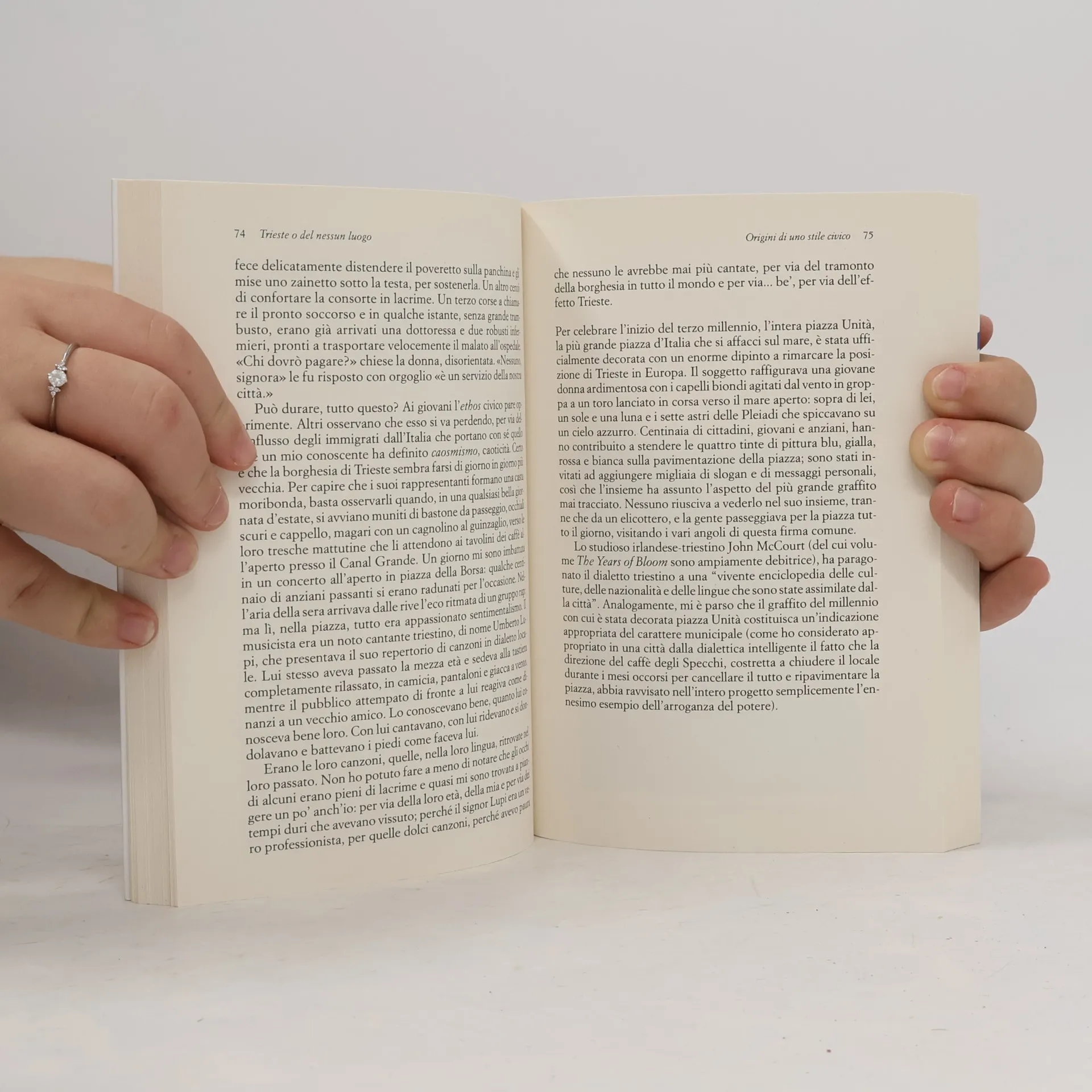
Nestled on a narrow, mountainous stretch of Italy near Croatia and Slovenia, the port city of Trieste is often overlooked, lacking iconic landmarks or widely recognized cuisine. Jan Morris, who first visited as a soldier in 1945, captures the essence of this unique city in her homage. Despite its relative obscurity, Trieste boasts a rich history, having served as the sole port for the landlocked Austro-Hungarian empire, which maintained a small fleet that engaged in conflicts with the Ottomans and Italians. By the early 20th century, Trieste emerged as a vital entry point into Central Europe, earning the moniker "the third entrance of the Suez Canal." The city briefly gained prominence during the Cold War when Marshall Tito claimed it for Yugoslavia, narrowly escaping the Iron Curtain. Morris vividly recounts these historical narratives, breathing life into Trieste's past and potentially attracting more visitors through her engaging exploration. However, this work is also imbued with a sense of melancholy, reflective of the city's faded glory and the bittersweet reality that it may be Morris's final book. If this is indeed her last, it serves as a fitting conclusion to her distinguished career.




Nákup knihy
Trieste, Jan Morris, Piero Budinich
- Jazyk

- Rok vydání
- 2021
- Vazba
- (měkká),
- Stav knihy
- Dobrá
- Cena
- 219 Kč
Doručení
Platební metody
Tady nám chybí tvá recenze.
- Titul
- Trieste
- Jazyk
- italsky
- Autoři
- Jan Morris, Piero Budinich
- Vydavatel
- ilSaggiatore
- Rok vydání
- 2021
- Vazba
- měkká
- Počet stran
- 224
- ISBN10
- 8842830089
- ISBN13
- 9788842830085
- Série
- Kategorie
- Štítky
- Historické téma, Cestování, Jižní Evropa, Itálie, Města
- Hodnocení
- 3,75 z 5
- Anotace
- Nestled on a narrow, mountainous stretch of Italy near Croatia and Slovenia, the port city of Trieste is often overlooked, lacking iconic landmarks or widely recognized cuisine. Jan Morris, who first visited as a soldier in 1945, captures the essence of this unique city in her homage. Despite its relative obscurity, Trieste boasts a rich history, having served as the sole port for the landlocked Austro-Hungarian empire, which maintained a small fleet that engaged in conflicts with the Ottomans and Italians. By the early 20th century, Trieste emerged as a vital entry point into Central Europe, earning the moniker "the third entrance of the Suez Canal." The city briefly gained prominence during the Cold War when Marshall Tito claimed it for Yugoslavia, narrowly escaping the Iron Curtain. Morris vividly recounts these historical narratives, breathing life into Trieste's past and potentially attracting more visitors through her engaging exploration. However, this work is also imbued with a sense of melancholy, reflective of the city's faded glory and the bittersweet reality that it may be Morris's final book. If this is indeed her last, it serves as a fitting conclusion to her distinguished career.