

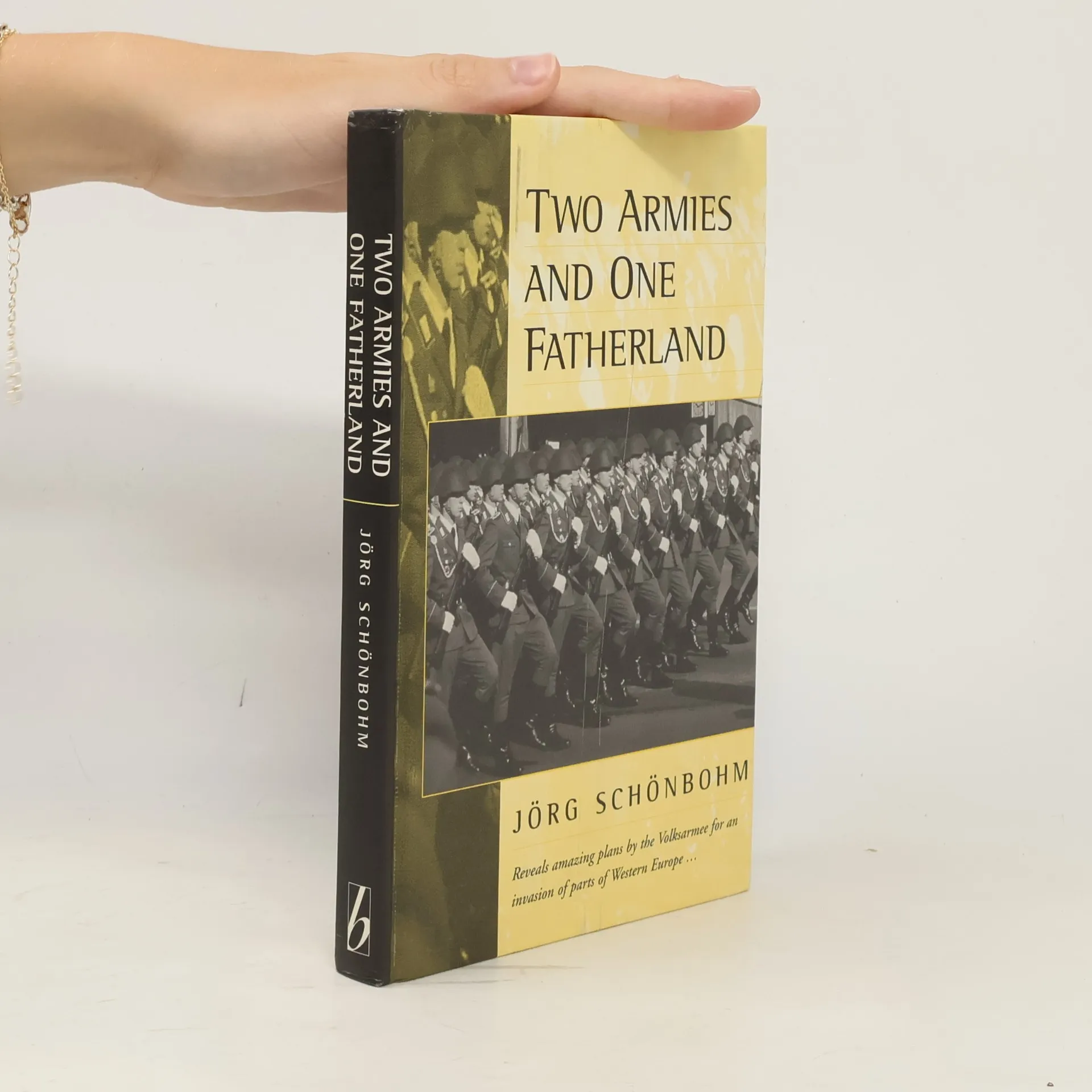
Two Armies and One Fatherland
The End of the Nationale Volksarmee
Autoři
Hodnocení knihy
Více o knize
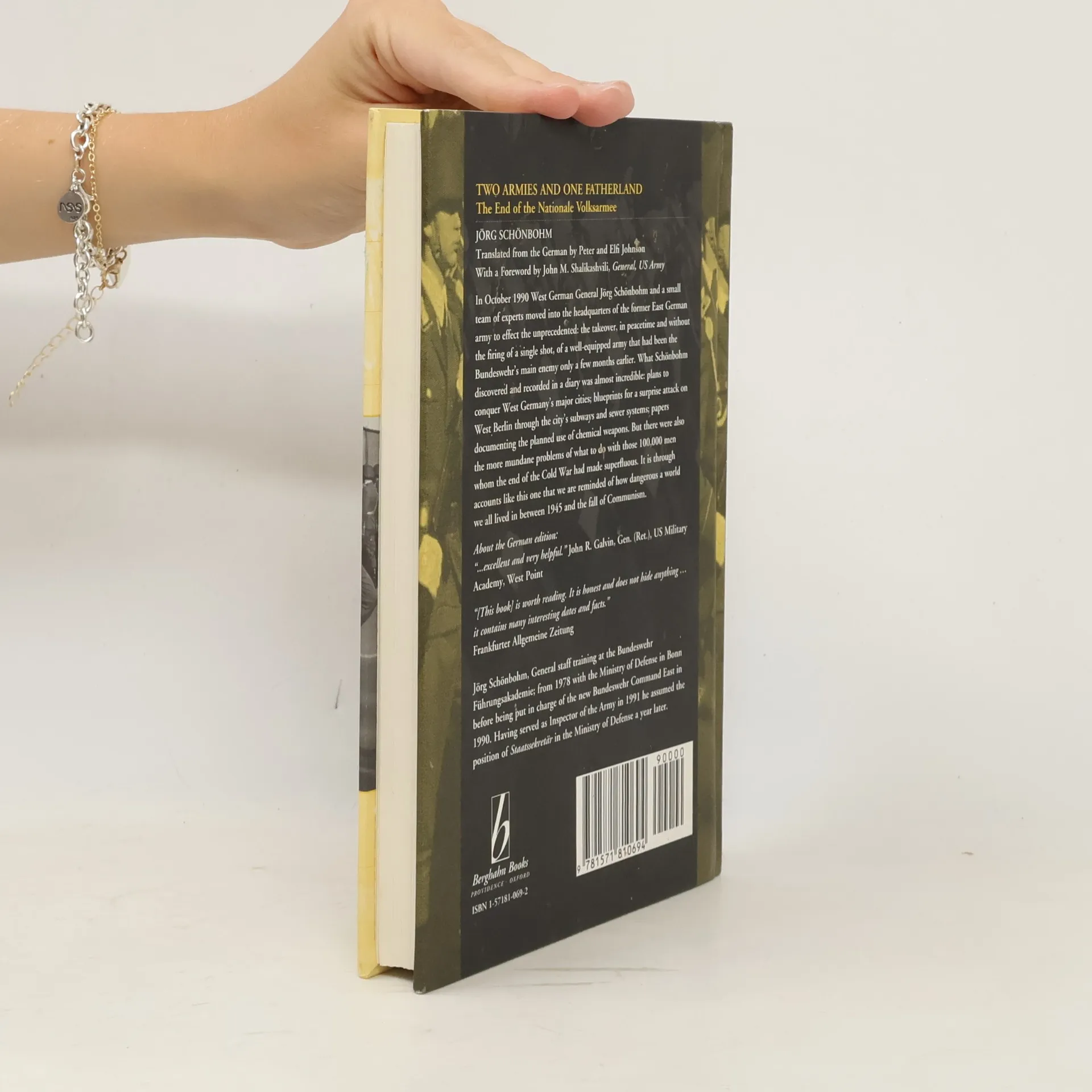
In October 1990 West German general Jörg Schönbohm and a small team of experts moved into the headquarters of the former East German army to effect the the takeover, in peacetime and without the firing of a single shot, of a well-equiped army that had been the Bundeswehr's main enemy only a few months earlier. What Schönbohm discovered and recorded in a diary was almost plans to conquer West Germany's major cities; blueprints for a surprise attack on West Berlin through the city's subways and sewer systems; papers documenting the planned use of chemical weapons. But there were also the more mundane problems of what to do with those 100,000 men whom the end of the Cold War had made superfluous. It is through accounts like this one that we are reminded of how dangerous a world we all lived in between 1945 and the fall of Communism.

Nákup knihy
Two Armies and One Fatherland, Jörg Schönbohm
- Jazyk

- Rok vydání
- 1996
- Vazba
- (pevná)
Doručení
Platební metody
Tady nám chybí tvá recenze.
- Titul
- Two Armies and One Fatherland
- Podtitul
- The End of the Nationale Volksarmee
- Jazyk
- anglicky
- Autoři
- Jörg Schönbohm
- Vydavatel
- Berghahn Books
- Rok vydání
- 1996
- Vazba
- pevná
- Počet stran
- 209
- ISBN10
- 1571810692
- ISBN13
- 9781571810694
- Série
- Štítky
- Historické téma, Německo
- Hodnocení
- 3 z 5
- Anotace
- In October 1990 West German general Jörg Schönbohm and a small team of experts moved into the headquarters of the former East German army to effect the the takeover, in peacetime and without the firing of a single shot, of a well-equiped army that had been the Bundeswehr's main enemy only a few months earlier. What Schönbohm discovered and recorded in a diary was almost plans to conquer West Germany's major cities; blueprints for a surprise attack on West Berlin through the city's subways and sewer systems; papers documenting the planned use of chemical weapons. But there were also the more mundane problems of what to do with those 100,000 men whom the end of the Cold War had made superfluous. It is through accounts like this one that we are reminded of how dangerous a world we all lived in between 1945 and the fall of Communism.