

Více o knize
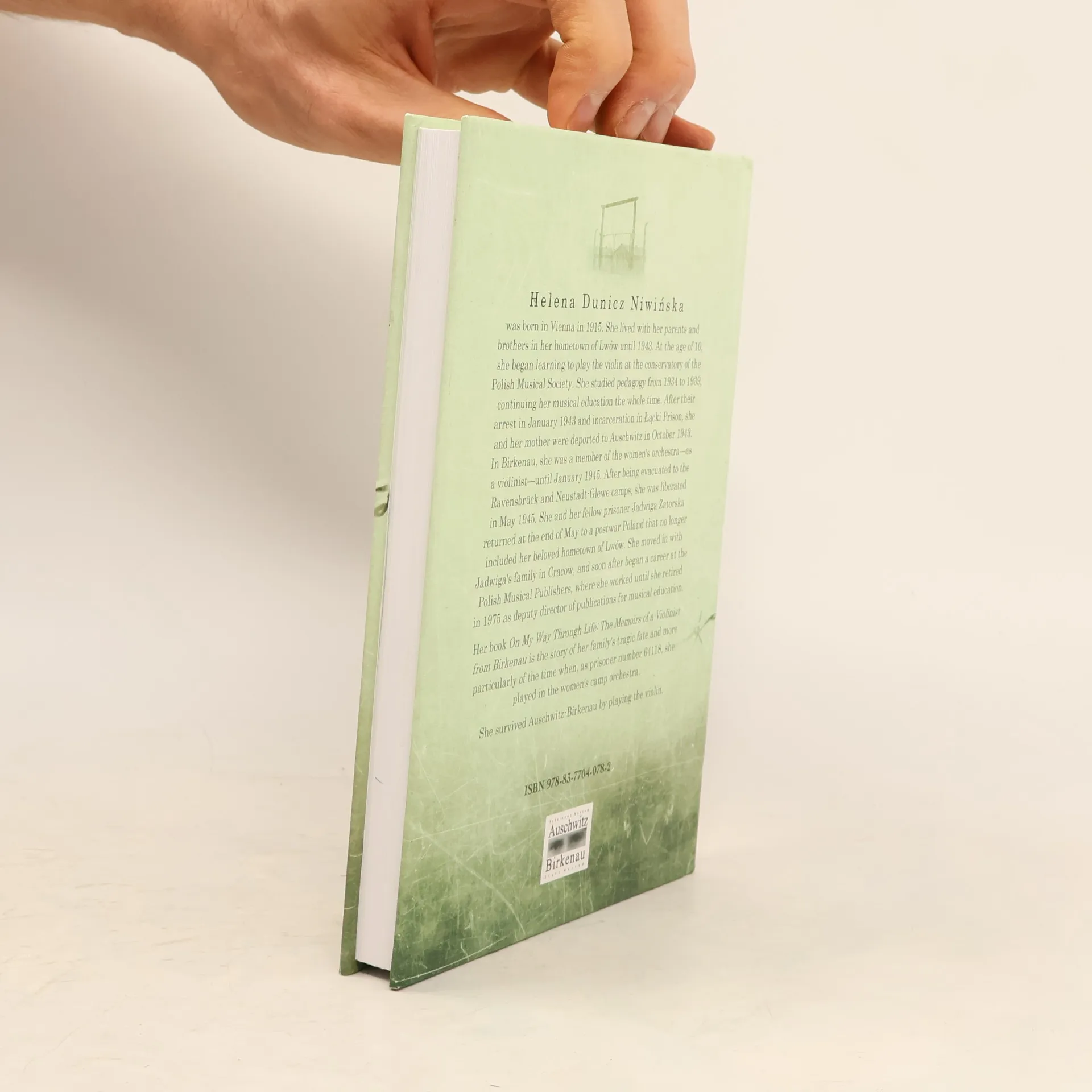
Helena Dunicz Niwińska was born in Vienna in 1915. She lived with her parents and brothers in her hometown of Lwów until 1943. At the age of 10, she began learning to play the violin at the conservatory of the Polish Musical Society. She studied pedagogy from 1934 to 1939, continuing her musical education the whole time. After their arrest in January 1943 and incarceration in Łącki Prison, she and her mother were deported to Auschwitz in October 1943. In Birkenau, she was a member of the women's orchestra—as a violinist—until January 1945. After being evacuated to the Ravensbrück and Neustadt-Glewe camps, she was liberated in May 1945. She and her fellow prisoner Jadwiga Zatorska returned at the end of May to a postwar Poland that no longer included her beloved hometown of Lwów. She moved in with Jadwiga's family in Cracow, and soon after began a career at the Polish Musical Publishers, where she worked until she retired in 1975 as deputy director of publications for musical education. Her book 'One of the Girls in the Band: The Memoirs of a Violinist from Birkenau' is the story of her family's tragic fate and more particularly of the time when, as prisoner number 64118, she played in the women's camp orchestra. She survived Auschwitz-Birkenau by playing the violin.

Skladem máme celkem knihy One of the Girls in the Band (2014).
Nákup knihy
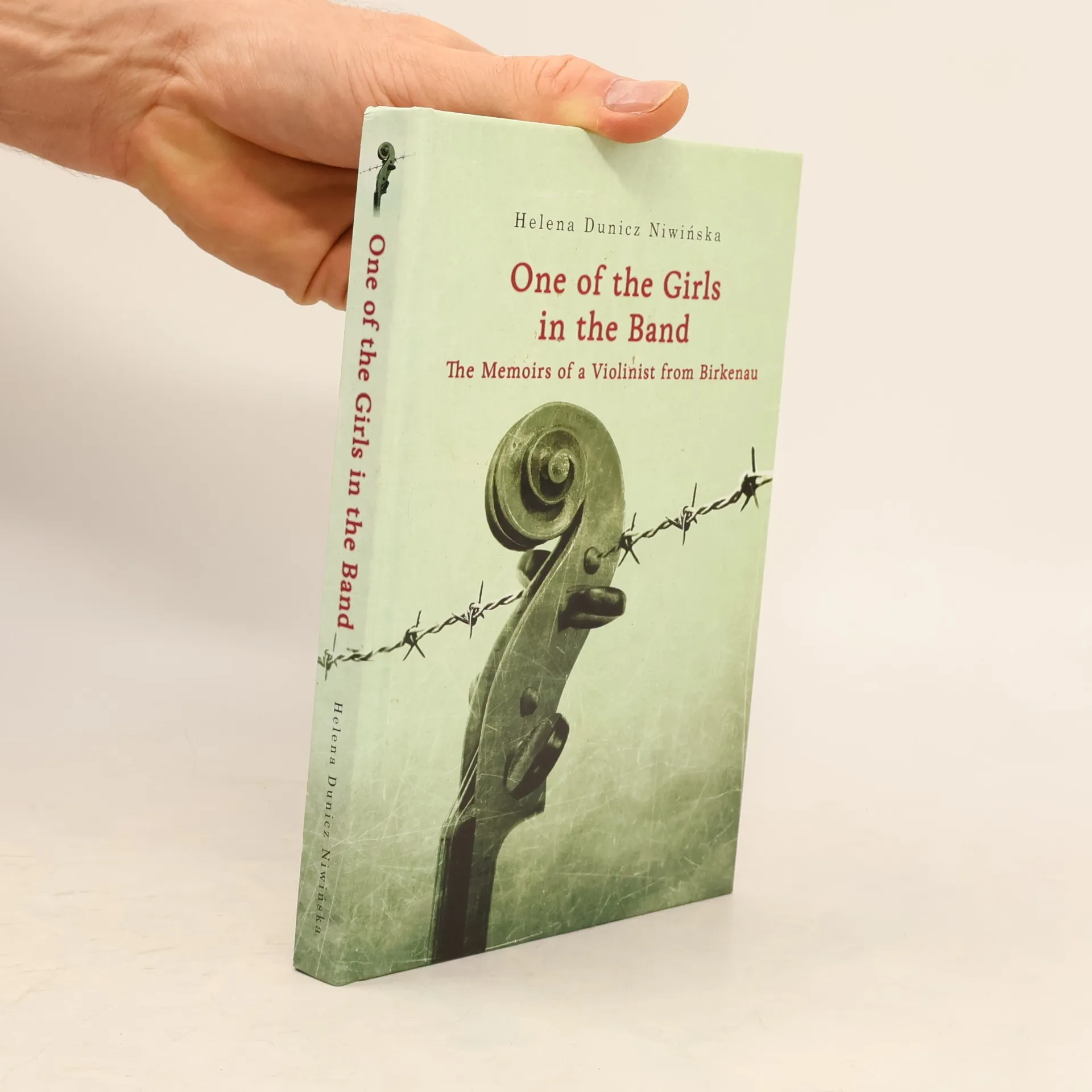
One of the Girls in the Band, Helena Dunica Niwińska
- Jazyk

- Rok vydání
- 2014
- Vazba
- (měkká),
- Stav knihy
- Dobrá
- Cena
- 679 Kč
Tady nám chybí tvá recenze.
- Titul
- One of the Girls in the Band
- Jazyk
- anglicky
- Autoři
- Helena Dunica Niwińska
- Vydavatel
- Auschwitz-Birkenau State Museum
- Rok vydání
- 2014
- Vazba
- měkká
- Počet stran
- 179
- ISBN10
- 8377040786
- ISBN13
- 9788377040782
- Série
- Kategorie
- Štítky
- Historické téma, Války, Holokaust
- Hodnocení
- 4,2 z 5
- Anotace
- Helena Dunicz Niwińska was born in Vienna in 1915. She lived with her parents and brothers in her hometown of Lwów until 1943. At the age of 10, she began learning to play the violin at the conservatory of the Polish Musical Society. She studied pedagogy from 1934 to 1939, continuing her musical education the whole time. After their arrest in January 1943 and incarceration in Łącki Prison, she and her mother were deported to Auschwitz in October 1943. In Birkenau, she was a member of the women's orchestra—as a violinist—until January 1945. After being evacuated to the Ravensbrück and Neustadt-Glewe camps, she was liberated in May 1945. She and her fellow prisoner Jadwiga Zatorska returned at the end of May to a postwar Poland that no longer included her beloved hometown of Lwów. She moved in with Jadwiga's family in Cracow, and soon after began a career at the Polish Musical Publishers, where she worked until she retired in 1975 as deputy director of publications for musical education. Her book 'One of the Girls in the Band: The Memoirs of a Violinist from Birkenau' is the story of her family's tragic fate and more particularly of the time when, as prisoner number 64118, she played in the women's camp orchestra. She survived Auschwitz-Birkenau by playing the violin.