


Více o knize
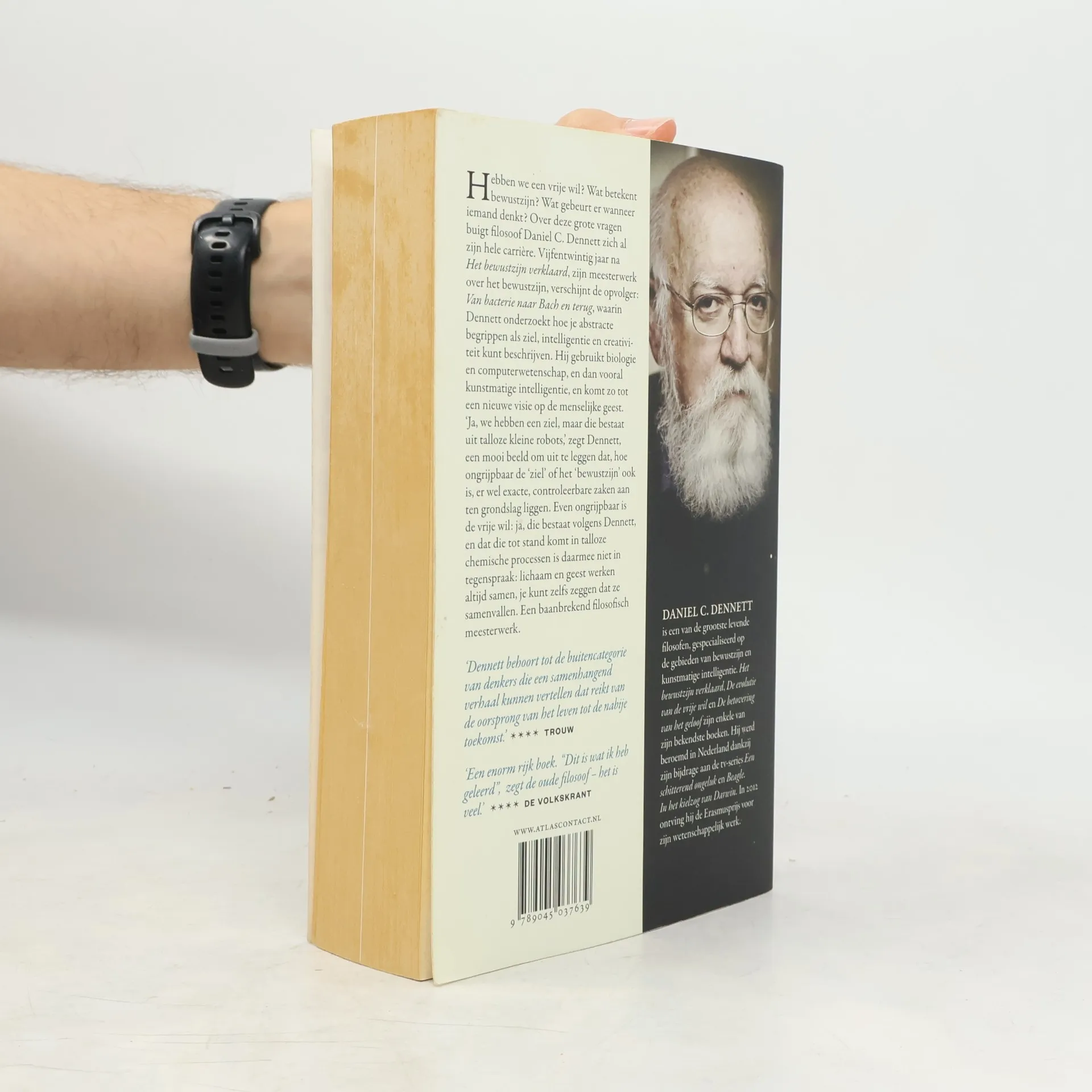
One of America’s foremost philosophers presents a major new account of the origins of the conscious mind, addressing the long-standing question of how we developed our unique cognitive abilities. For centuries, this inquiry has captivated psychologists, physicists, poets, and philosophers, all seeking to understand the emergence of consciousness, language, and culture through natural selection. While Darwinian disciples have made strides in this area, their efforts often lead to confusion. Despite advancements in our understanding of proteins, neurons, and DNA, the mystery of how our minds evolved has persisted. Daniel C. Dennett aims to change that in his comprehensive exploration of evolutionary thinking. He integrates concepts from computer science and biology to illustrate how a comprehending mind could arise from a mindless process of natural selection. This work combines philosophical inquiry with scientific conjecture, expanding on themes central to Dennett's career. He argues that a pivotal shift occurred when humans began sharing memes—cultural ideas and practices not rooted in genetic instinct. Language, composed of memes, enhanced this exchange, leading to competition among them that acted as a form of natural selection. This process ultimately shaped a mind capable of perception, control, creation, and comprehension, driven by cultural evolution. This book serves as an essential resource for a new generation of thi

Nákup knihy
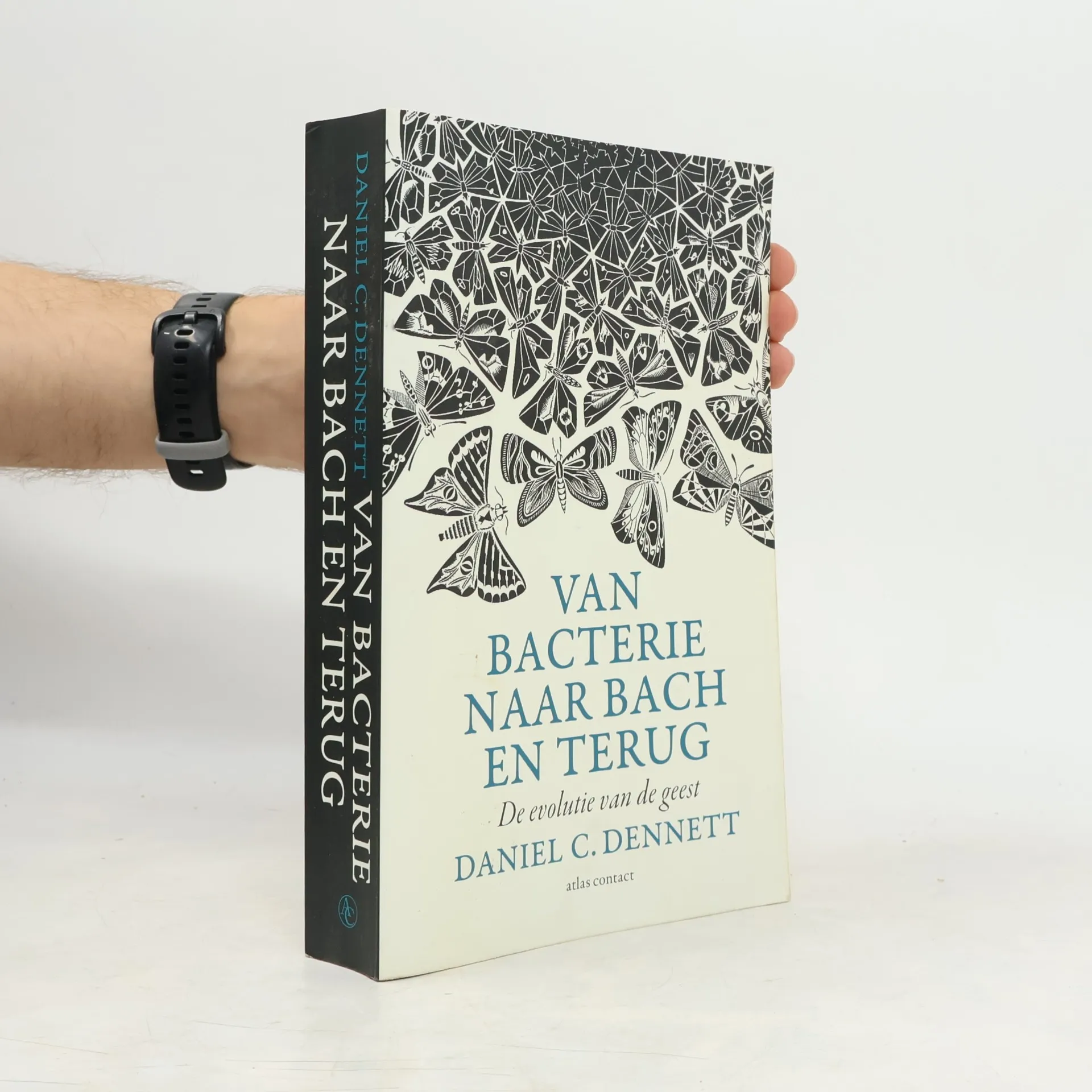
Van bacterie naar Bach en terug, Daniel Clement Dennett
- Jazyk

- Rok vydání
- 2018
- Vazba
- (měkká)
Doručení
Platební metody
Tady nám chybí tvá recenze.
- Titul
- Van bacterie naar Bach en terug
- Podtitul
- De evolutie van de geest
- Jazyk
- nizozemsky
- Autoři
- Daniel Clement Dennett
- Vydavatel
- Atlas
- Rok vydání
- 2018
- Vazba
- měkká
- Počet stran
- 518
- ISBN10
- 9045037637
- ISBN13
- 9789045037639
- Série
- Kategorie
- Hodnocení
- 3,8 z 5
- Anotace
- One of America’s foremost philosophers presents a major new account of the origins of the conscious mind, addressing the long-standing question of how we developed our unique cognitive abilities. For centuries, this inquiry has captivated psychologists, physicists, poets, and philosophers, all seeking to understand the emergence of consciousness, language, and culture through natural selection. While Darwinian disciples have made strides in this area, their efforts often lead to confusion. Despite advancements in our understanding of proteins, neurons, and DNA, the mystery of how our minds evolved has persisted. Daniel C. Dennett aims to change that in his comprehensive exploration of evolutionary thinking. He integrates concepts from computer science and biology to illustrate how a comprehending mind could arise from a mindless process of natural selection. This work combines philosophical inquiry with scientific conjecture, expanding on themes central to Dennett's career. He argues that a pivotal shift occurred when humans began sharing memes—cultural ideas and practices not rooted in genetic instinct. Language, composed of memes, enhanced this exchange, leading to competition among them that acted as a form of natural selection. This process ultimately shaped a mind capable of perception, control, creation, and comprehension, driven by cultural evolution. This book serves as an essential resource for a new generation of thi