


Více o knize
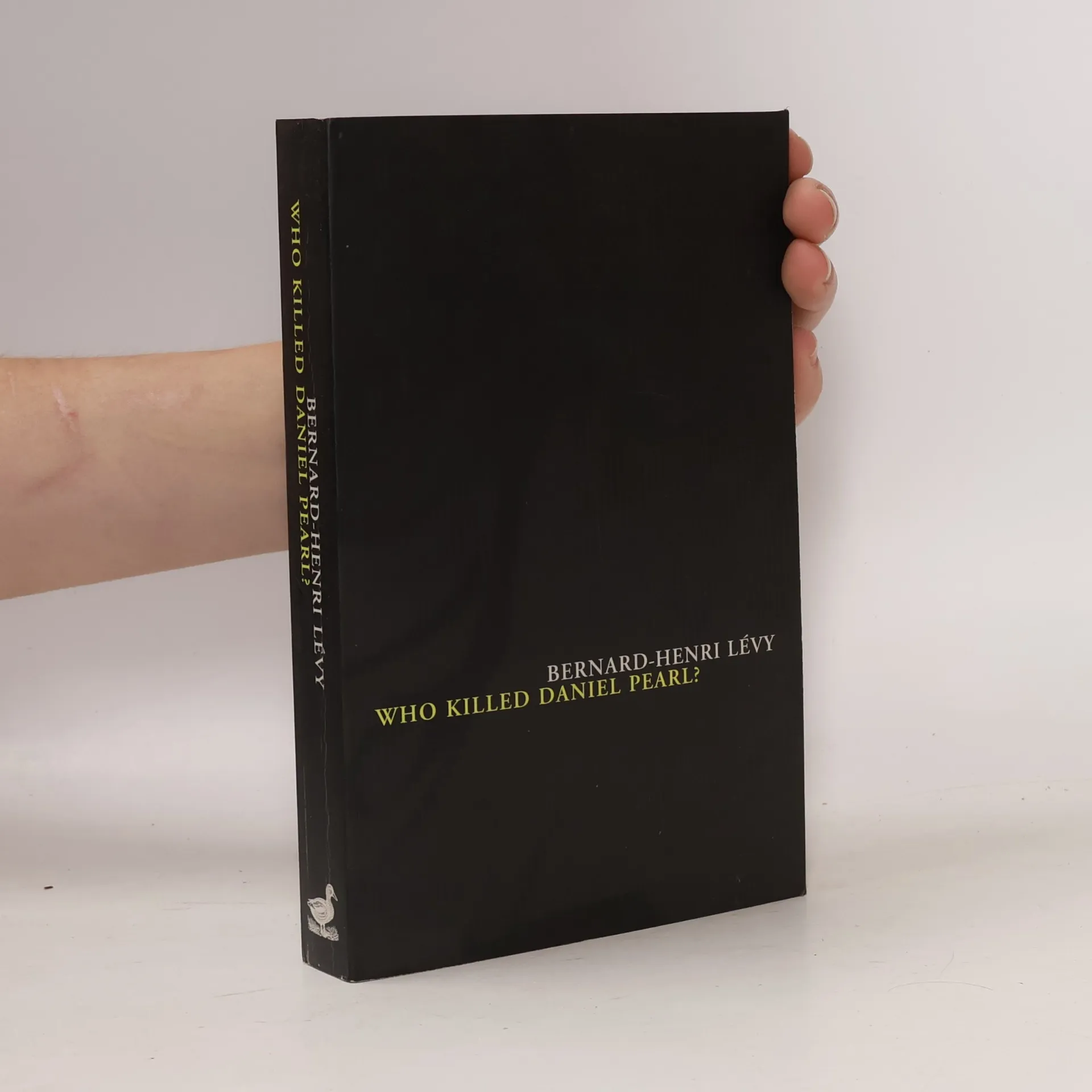
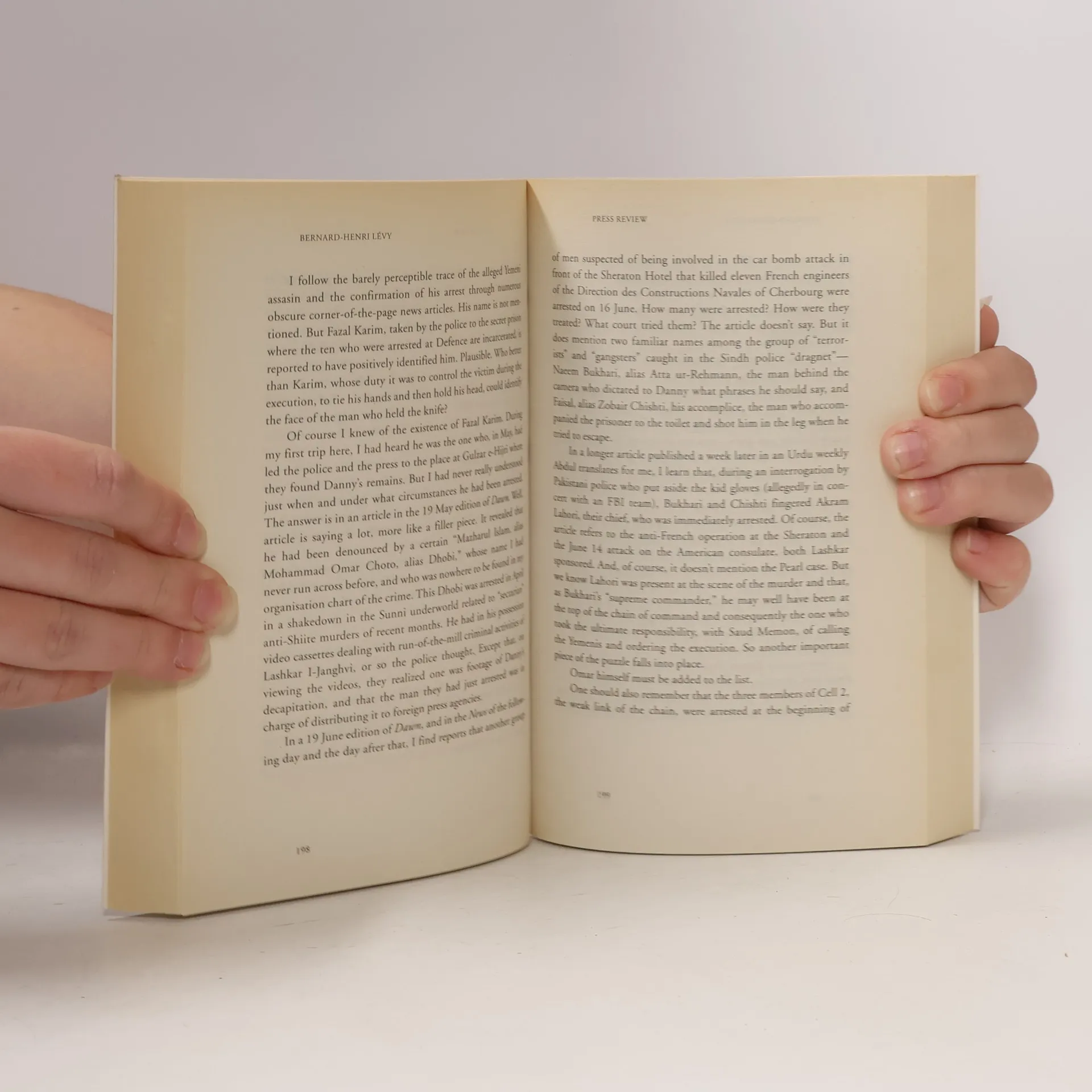
Bernard-Henri Levy's exploration of Daniel Pearl's life and tragic death combines journalism, imagination, and autobiography. In 2002, Levy embarked on a year-long journey to uncover the circumstances surrounding the murder of the Wall Street Journal reporter in Pakistan. His investigation connects Pearl's killers to Pakistan's Inter-Services Intelligence and possibly Al-Qaeda. Levy critically examines news narratives, risking his safety to retrace Pearl's steps to the farmhouse where he was killed. He questions everything, providing a vital perspective in a country where the concept of a free press has eroded. While maintaining an inquisitive stance, Levy also conveys the emotional weight of Pearl's story, frequently reflecting on his own assumptions and returning to the essence of Pearl as "ordinary and exemplary." The work serves as both a compassionate tribute to a man who died too soon and a critique of the alliances that enabled such violence. Levy aims to ensure that Pearl's lessons are not forgotten, advocating for a "gentle Islam" that counters the violence and hatred prevalent in what he describes as "the beginning of the grand struggle of the century."


Nákup knihy
Who Killed Daniel Pearl?, Bernard-Henri Lévy, James X. Mitchell
- Jazyk

- Rok vydání
- 2004
- Vazba
- (měkká),
- Stav knihy
- Dobrá
- Cena
- 129 Kč
Doručení
Platební metody
Tady nám chybí tvá recenze.
- Titul
- Who Killed Daniel Pearl?
- Jazyk
- anglicky
- Vydavatel
- Duckworth
- Rok vydání
- 2004
- Vazba
- měkká
- Počet stran
- 480
- ISBN10
- 0715633228
- ISBN13
- 9780715633229
- Série
- Kategorie
- Štítky
- Náboženská témata, Politika, Francie, Války, Terorismus, Pákistán
- Původní název
- Qui a tué Daniel Pearl?
- Hodnocení
- 3,95 z 5
- Anotace
- Bernard-Henri Levy's exploration of Daniel Pearl's life and tragic death combines journalism, imagination, and autobiography. In 2002, Levy embarked on a year-long journey to uncover the circumstances surrounding the murder of the Wall Street Journal reporter in Pakistan. His investigation connects Pearl's killers to Pakistan's Inter-Services Intelligence and possibly Al-Qaeda. Levy critically examines news narratives, risking his safety to retrace Pearl's steps to the farmhouse where he was killed. He questions everything, providing a vital perspective in a country where the concept of a free press has eroded. While maintaining an inquisitive stance, Levy also conveys the emotional weight of Pearl's story, frequently reflecting on his own assumptions and returning to the essence of Pearl as "ordinary and exemplary." The work serves as both a compassionate tribute to a man who died too soon and a critique of the alliances that enabled such violence. Levy aims to ensure that Pearl's lessons are not forgotten, advocating for a "gentle Islam" that counters the violence and hatred prevalent in what he describes as "the beginning of the grand struggle of the century."