

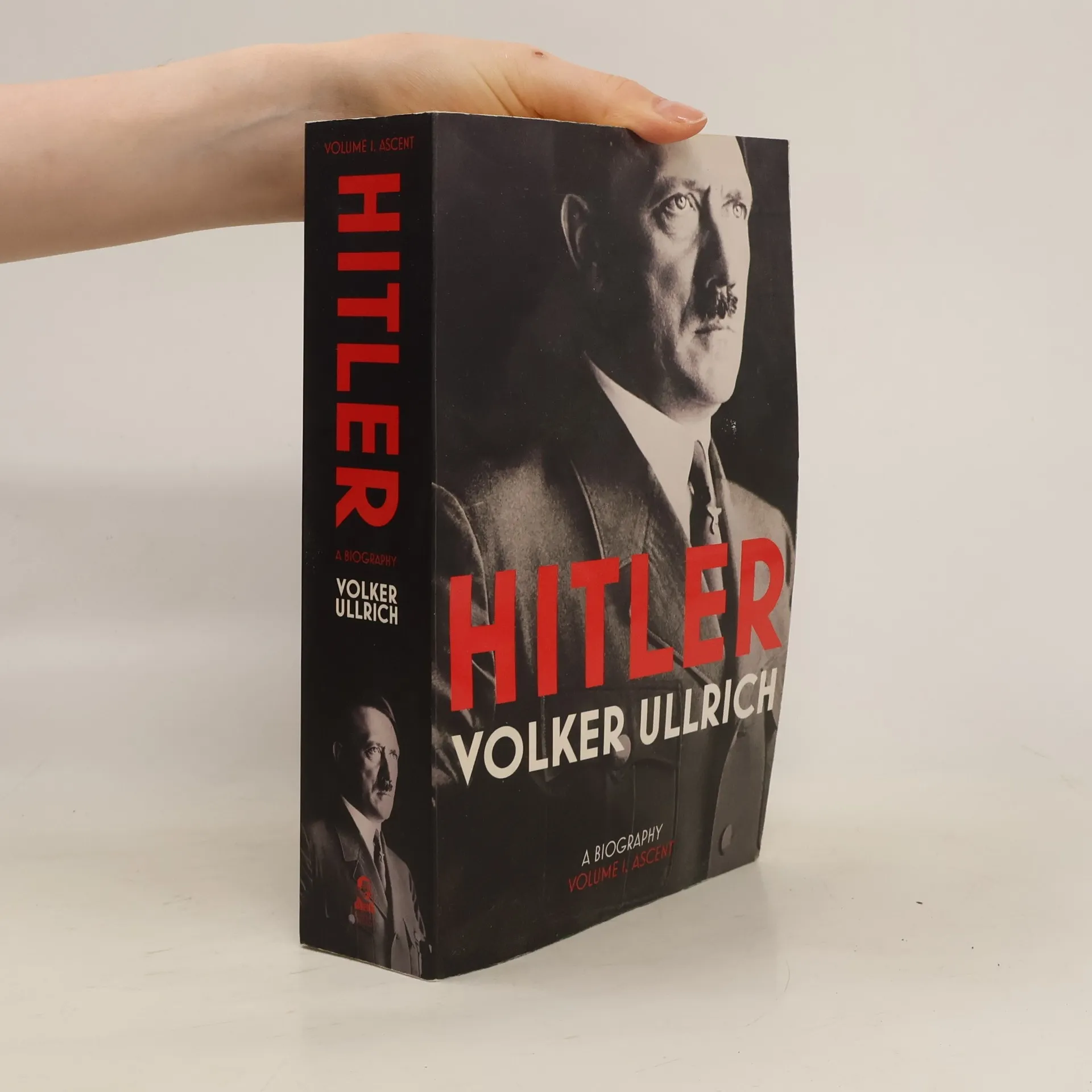
While charting in detail Hitler's life from his childhood to the eve of the Second World War against the politics of the times, the author unveils the man behind the public persona: his charming and repulsive traits, his talents and weaknesses, his deep-seated insecurities and murderous passions.
Adolf Hitler Série
Tato monumentální biografická série se ponořila do života jedné z nejkontroverznějších postav historie. Zkoumá nejen politický vzestup a metody, které z něj učinily diktátora, ale také jeho osobnost. Autorka rozebírá složité psychologické motivace, skryté aspekty jeho soukromého života a šarm, který ho propojil s masami. Série se snaží odhalit komplexnost této postavy za hranicemi zjednodušeného obrazu monstra.

Doporučené pořadí čtení
Hitler: Volume II
- 912 stránek
- 32 hodin čtení
In the summer of 1939, Hitler was at the height of his power, having consolidated Nazi authority and restored Germany as a major Continental force. He aimed to provide the German people with living space and resources while exterminating those he viewed as obstacles, particularly the Bolsheviks and Jews. Despite early victories, such as the swift defeat of Poland and successful Blitzkrieg tactics in the west, the war ultimately led to Hitler's downfall. The invasion of the Soviet Union in June 1941 and the U.S. entry into the war marked a turning point, revealing that victory was unattainable. Volker Ullrich delves into Hitler's complex personality, crucial for understanding the war's trajectory and the Holocaust's development. As Germany's military commander, Hitler was deeply involved in strategy, revealing key traits: he was a reckless gambler, insecure and quick to blame others for his failures. When defeat became inevitable, he sought to punish the German people for not delivering victory. In September 1939, he vowed to wear a simple military tunic until the war's end, but on April 30, 1945, as Soviet forces approached his bunker, he committed suicide; Germany surrendered a week later. Hitler's destructive ambitions not only devastated Germany but also resulted in the deaths of millions across Europe.