

Tato edice zkoumá dopady lidské činnosti na planetu Zemi v období nazývaném antropocén. Prostřednictvím různorodých pohledů se dotýká témat jako jsou ekologické krize, klimatické změny a transformace společnosti. Série nabízí hluboký vhled do výzev a možných řešení, které formují naši současnost i budoucnost. Je určena pro čtenáře hledající komplexní porozumění vztahu mezi lidmi a jejich prostředím.
Goes to the heart of the unfolding reality of the twenty-first century:
international efforts to reduce greenhouse gas emissions have all failed and
before the end of the century Earth is projected to be warmer than it has been
for 15 million years.
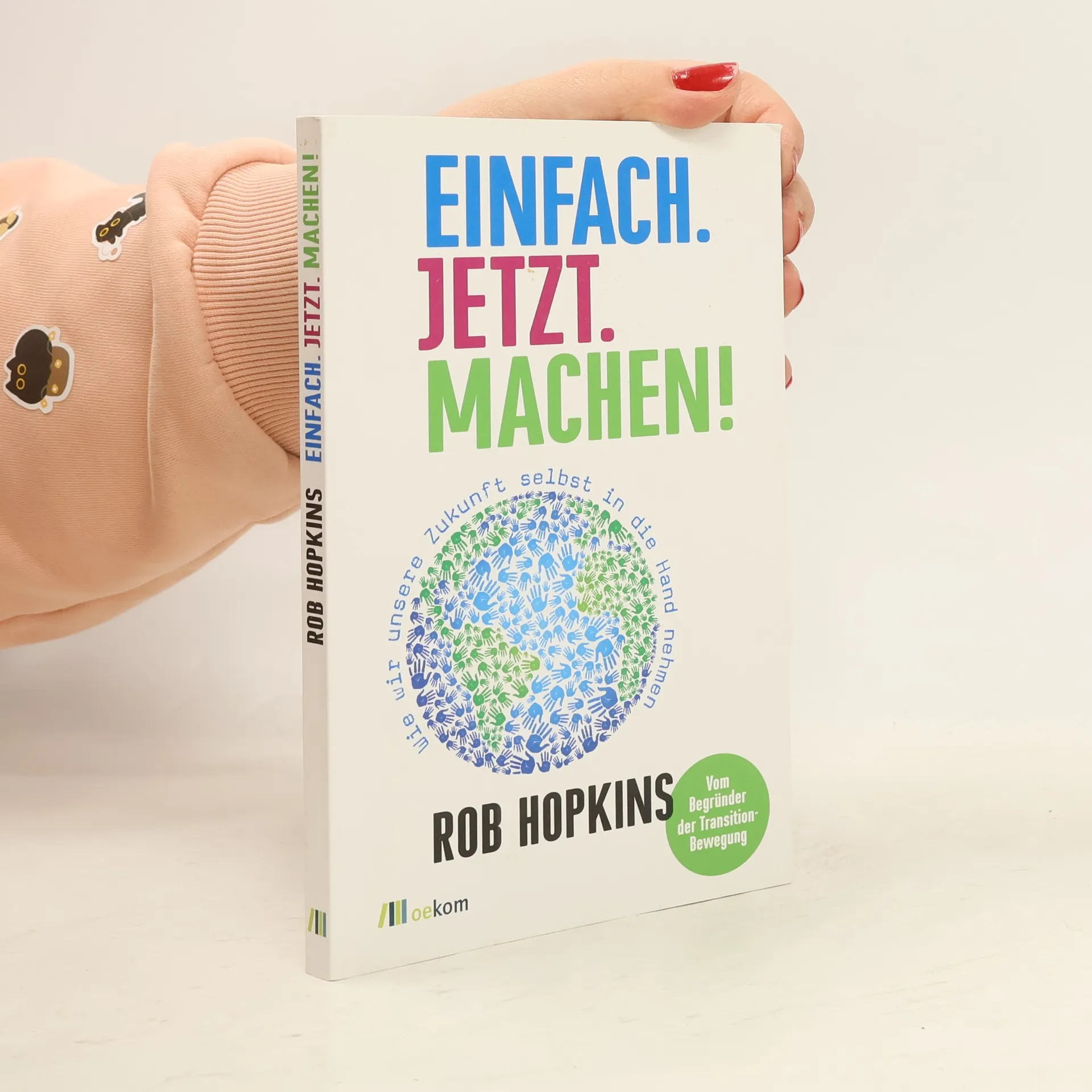
Wie wir unsere Zukunft selbst in die Hand nehmen. Praktische Schritt für Schritt Anleitungen und Inspirationen für eine nachhaltige Zukunft und Selbstwirksamkeit
Es tut sich was. Überall auf der Welt entscheiden sich Menschen, ihre Zukunft und die ihrer unmittelbaren Umgebung selbst in die Hand zu nehmen. Transition lautet der Name der Bewegung, der sie zusammenführt; es ist die Verkörperung der Idee, dass lokales Handeln die Welt verändern kann. Global gibt es mittlerweile über 1.000 Initiativen in über 40 Ländern – und auch in Deutschland fasst die Idee zunehmend Fuß, etwa in Freiburg, Bielefeld oder Berlin-Kreuzberg. »Einfach. Jetzt. Machen!« ist voller inspirierender Beispiele. Ob die Nachbarschaft in Gemeinden durch genossenschaftliche Bäckereien, durch gemeinsames Gärtnern oder die Installation von Solaranlagen gestärkt wird, oder ob es ganz einfach neue Geschäftsideen sind, die beflügeln – Rob Hopkins’ Buch macht Lust, die Ärmel hochzukrempeln und selbst anzupacken!
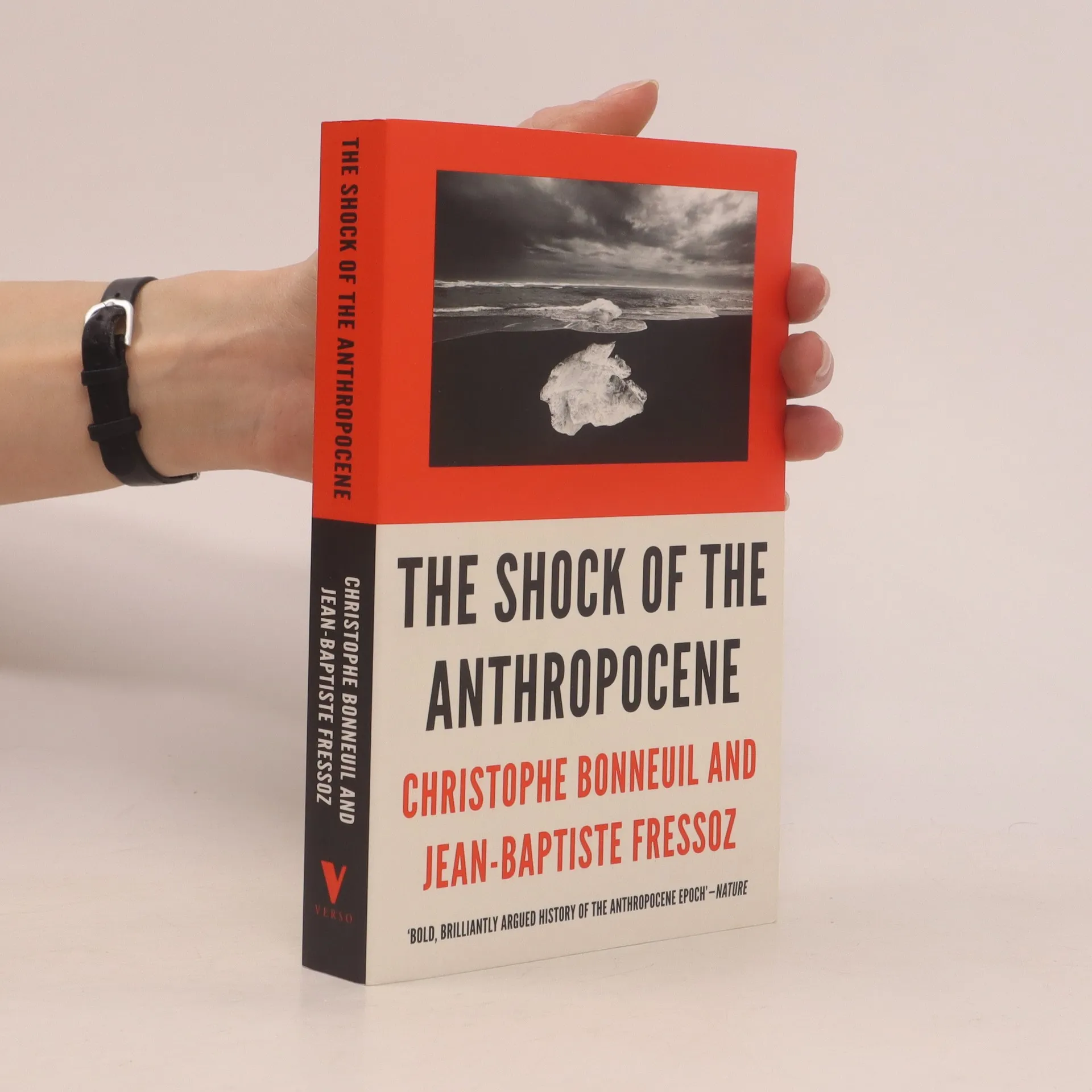
Dissecting the new theoretical buzzword of the “Anthropocene” The Earth has entered a new epoch: the Anthropocene. What we are facing is not only an environmental crisis, but a geological revolution of human origin. In two centuries, our planet has tipped into a state unknown for millions of years. How did we get to this point? Refuting the convenient view of a “human species” that upset the Earth system, unaware of what it was doing, this book proposes the first critical history of the Anthropocene, shaking up many accepted ideas: about our supposedly recent “environmental awareness,” about previous challenges to industrialism, about the manufacture of ignorance and consumerism, about so-called energy transitions, as well as about the role of the military in environmental destruction. In a dialogue between science and history, The Shock of the Anthropocene dissects a new theoretical buzzword and explores paths for living and acting politically in this rapidly developing geological epoch.
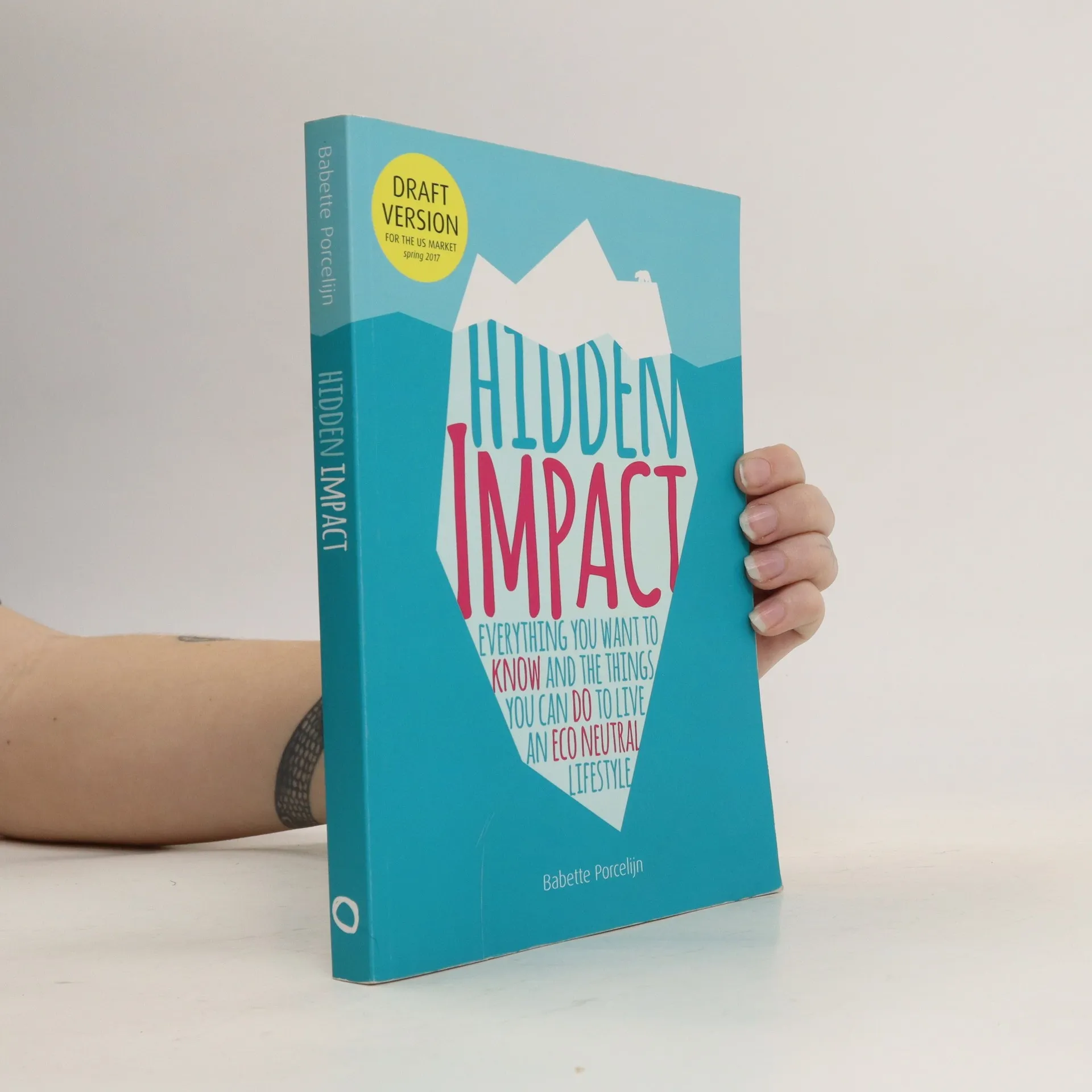
Mehr als ¾ unseres ökologischen Fußabdrucks sind unsichtbar: der verborgene Teil des Eisbergs! Entdecken Sie die Umweltwirkungen, die verborgen sind, wenn Sie Auto fahren – elektrisch oder nicht –, fliegen oder öffentliche Verkehrsmittel nutzen; Tomatensauce essen oder ein schönes Stück Rindfleisch; wenn Sie eine einfache Jeans oder ein T-Shirt tragen, einen Computer oder ein Handy benutzen; wenn Sie duschen oder eines Ihrer Lieblingsmöbel aufstellen, usw. Ein Buch, das die Augen öffnet! Es vereint Informationen, Werkzeuge (um den eigenen Fußabdruck zu messen) und Tipps. Babette Porcelijn führt uns fröhlich zu verantwortungsvolleren Entscheidungen im Alltag, um leichtfüßig auf der Erde zu leben.