Tato obsáhlá série se ponořuje do hlubin lidské psychiky a sexuality během klíčového období, od viktoriánské éry po Freuda. Zkoumá proměny společenských norem, osobních tužeb a kulturních vlivů, které formovaly intimní životy. Každý díl odhaluje fascinující pohled na to, jak se měnily představy o manželství, lásce a touze v průběhu času. Jedná se o poutavé čtení pro každého, koho zajímá historie, psychologie a složitost lidských vztahů.
Focusing on nineteenth-century sexual behavior, this book utilizes a wide range of primary sources to challenge and redefine stereotypes, particularly regarding women's sexuality. By delving into historical contexts, it offers fresh insights that illuminate the complexities of sexual norms and behaviors during this era, providing a nuanced understanding of the interplay between gender and sexuality.
Set against a backdrop of shifting societal norms, the book delves into a pivotal era when the lines between erotic expression and restraint began to blur, reshaping the nature of love. It combines meticulous research with a lyrical writing style, offering insights into the complexities of Victorian relationships, both fictional and real. The author’s ability to weave together historical context and personal experiences creates a compelling narrative that captures the essence of the "tender passion" during this transformative time.
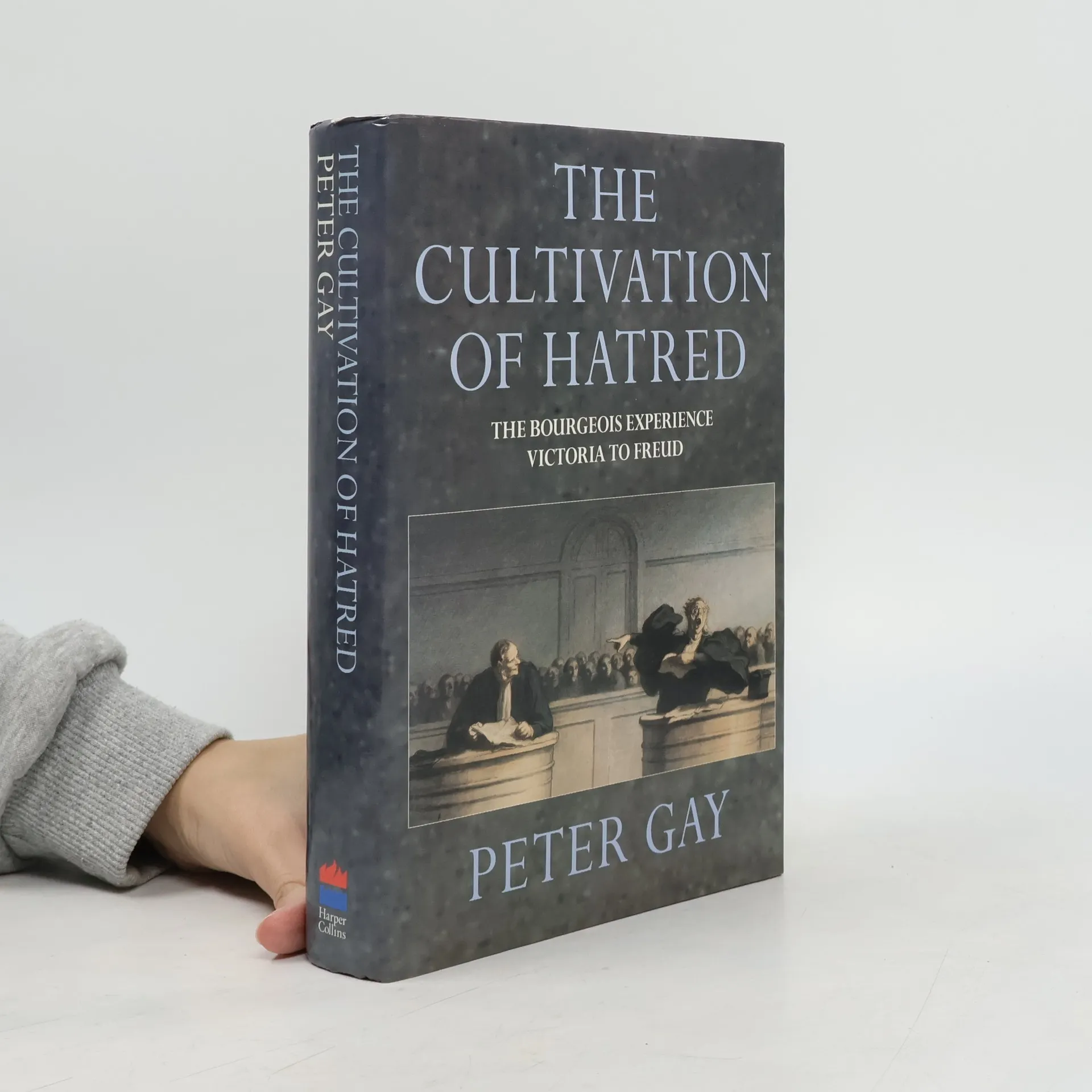
Gay's exploration of middle-class Victorian culture features vivid portraits of influential figures such as Bismarck, Darwin, George Eliot, and notable satirists like Daumier and Wilhelm Busch. The work examines the complex dynamics between men and women, wit, and demagoguery, revealing how the nineteenth century simultaneously constrained and sanctioned aggressive behavior. This aggression created a divide within society, categorizing individuals into insiders and outsiders. Gay notes that the Victorians, by forming communities of insiders, often invented a world of strangers—comprising individuals and classes, races, and nations—that it was deemed acceptable to debate, patronize, ridicule, bully, exploit, or exterminate. The bottled-up aggressions of this era could not remain contained indefinitely, ultimately culminating in the outbreak of the First World War.
Exploring the contrast between the external achievements of industrialists and scientists and the introspective journey of self-discovery, the author highlights how the pursuit of understanding one's inner self became a significant focus during a time of rapid progress. This examination reveals the complexities of human experience as individuals grapple with their identities amidst societal advancements.
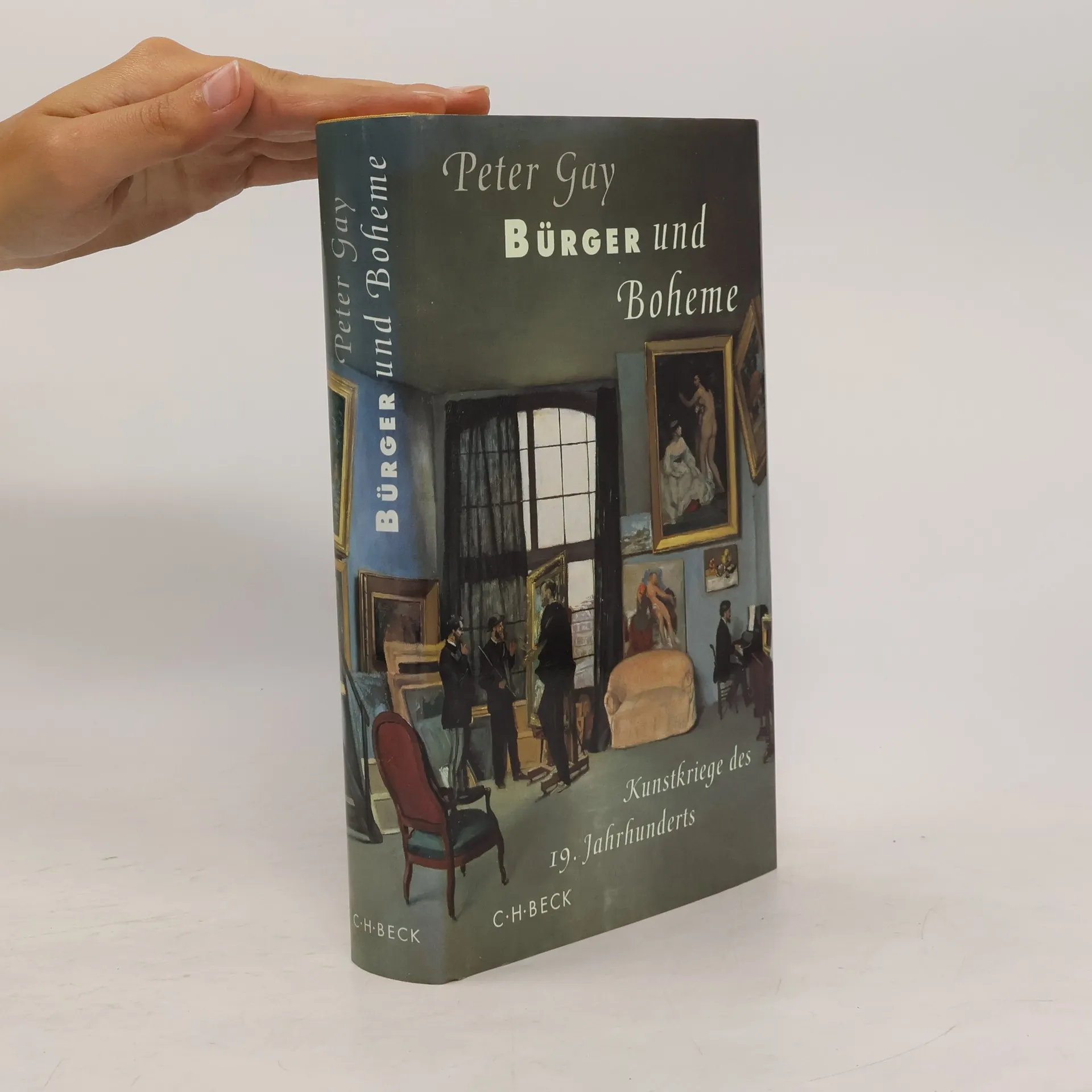
Während die Bürger der Unter- und Mittelschicht aus Unwissenheit, oder auch aus Unsicherheit gegenüber den sich ständig wechselnden Stilrichtungen in der Bildenden Kunst, der Musik und der Literatur, häufig am traditionellen Kunstgeschmack festhielten, gab es durchaus - vor allem in der Oberschicht - Bürger, die sich der Avantgarde und den Vorreitern der Moderne aufgeschlossen gegenüber zeigten. Sie betätigten sich als Sammler traditioneller und moderner Werke, insbesondere auch der ersten Impressionisten und machten ihre Kunstschätze der breiten Öffentlichkeit als Stiftungen zugänglich.§Die Künstler hingegen, die bestrebt waren, sich deutlich in ihren Werken von allen Zwängen gesellschaftlicher Konventionen zu befreien, überschütteten die Bourgeoisie in der zweiten Hälfte des Jahrhunderts heftiger als je zuvor mit Häme. Ihr Anspruch auf Kultiviertheit sei lächerlich, es fehle ihr jeglicher Kunstsinn, und sie huldige daher nur dem Kitsch oder einem prahlerischen Kunstkonsum.§ Peter Gay zeigt, daß diese zum Teil heftig ausgetragenen Konflikte letztendlich dennoch dazu führten, daß sich der Kulturbetrieb im 19. Jahrhundert in beispielloser Vielfalt entwickeln konnte.