

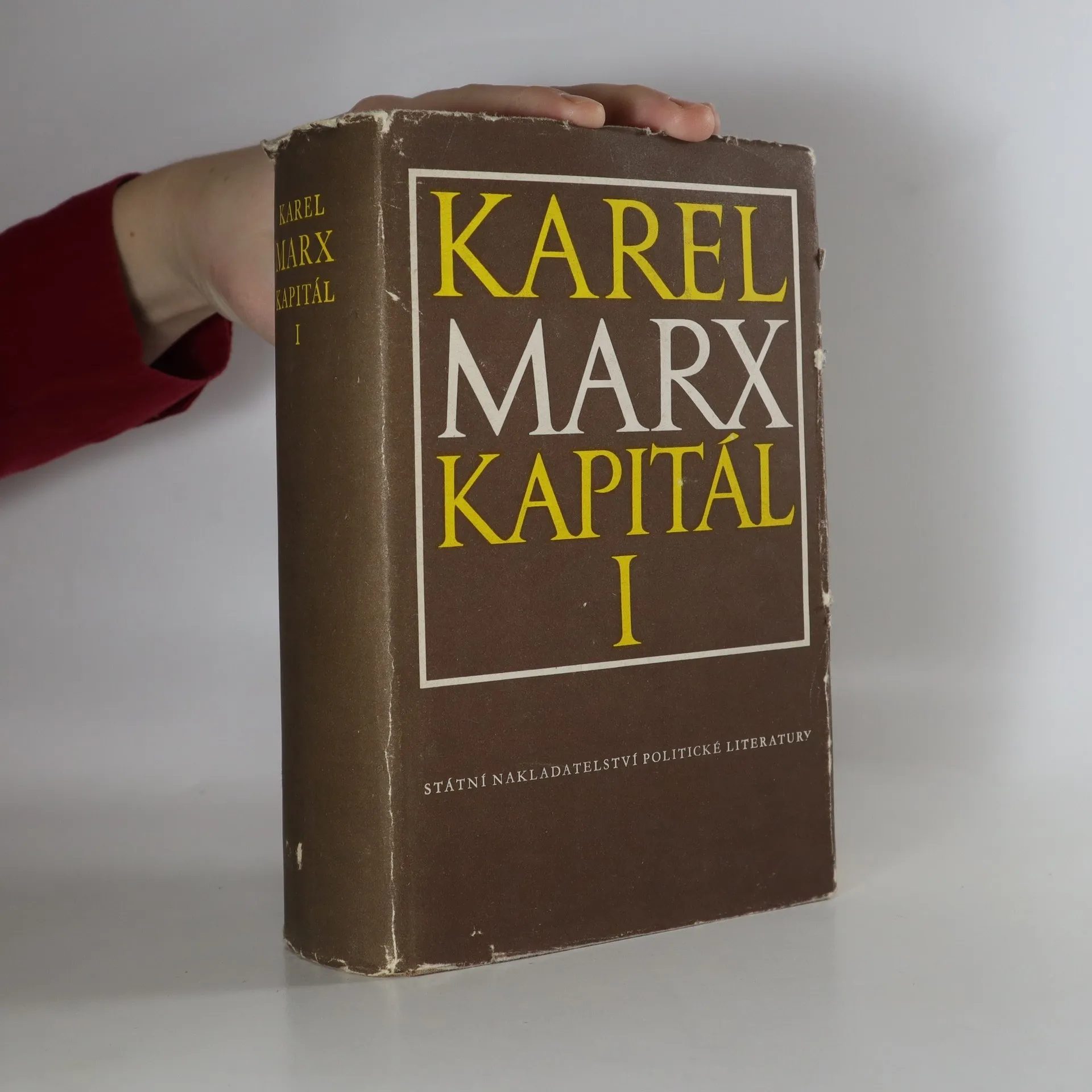
Obsahem knihy je analýza a kritika kapitalistické společnosti a zejména kapitalistického způsobu výroby a distribuce statků. První, nejstudovanější část Kapitálu obsahuje analýzy hodnoty zboží a peněžního oběhu; opět je probírána užitná hodnota a směnná hodnota,vztahy vzniku směnné hodnoty a pracovní doby dělníka, přeměnu práce v peníze apod. Marx zavádí pojem „nadpráce“: dělník musí odpracovat určitou nutnou pracovní dobu, aby vznikla hodnota, z níž uživí sebe a rodinu; poté však musí pracovat dále, aby uživil také kapitalistu. Z této „nadpráce“ tedy vzniká nadhodnota, která je však dělníkovi odcizena, neboť si ji přivlastní kapitalista, a tím dělníka vykořisťuje. Marx se také věnuje problému přelidnění, dělby práce a strojové výroby, která vede k prodlužování pracovní doby, neboť stroj je nejefektivnější, běží-li stále. Vlastnosti zboží jsou podle Marxe vysvětlitelné jedině ze vzájemných vztahů mezi výrobci, nikoliv ze zboží samého: zatímco si lidé myslí, že hodnota zboží — např. zlata — je objektivně danou vlastností předmětu, ve skutečnosti je závislá na sociálně-ekonomických vztazích. Buržoazní společnost, která připisuje zboží nevnímatelné vlastnosti a hodnoty a „uctívá“ je, se tak dopouští „zbožního fetišismu“, který je přirovnáván k uctívání svatých ostatků.
Kapitál Série
Tato série zkoumá hluboké ekonomické a společenské struktury, které formují moderní svět. Zaměřuje se na kritiku systému soukromého vlastnictví a odhaluje jeho dopady na rozdělení bohatství a sociální vztahy. Díla v této sérii nabízejí pronikavý pohled na historické trendy a předpovídají budoucí společenské změny. Jsou určena pro čtenáře hledající komplexní analýzu kapitalistického systému a jeho alternativ.


Doporučené pořadí čtení
Der Zirkulationsprozeß des Kapitals
- 559 stránek
- 20 hodin čtení
Diese Separatausgabe ist identisch mit Band 24 der Werke von Marx und Engels.
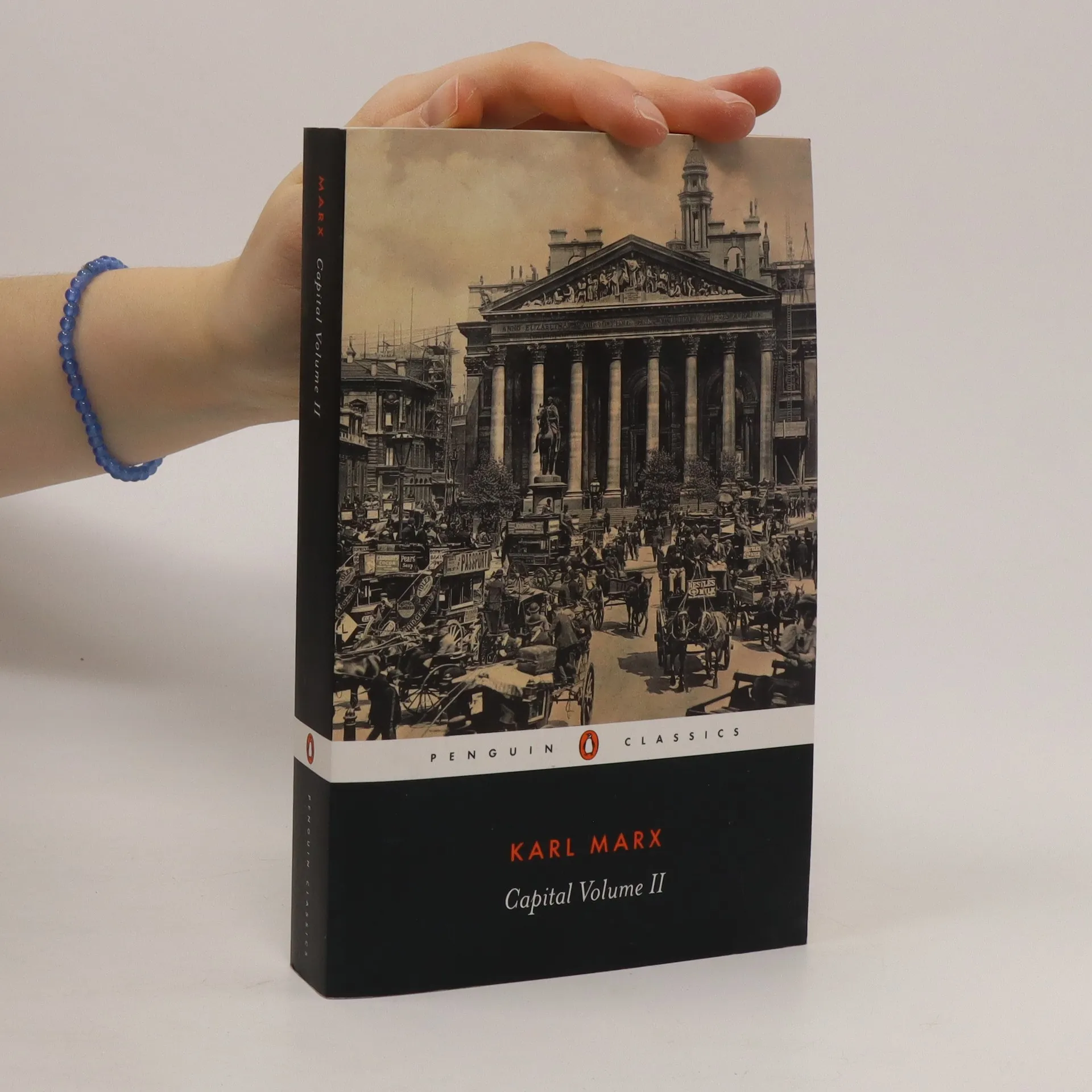
Capital Volume II
- 624 stránek
- 22 hodin čtení
The "forgotten" second volume of Capital, Marx's world-shaking analysis of economics, politics, and history, contains the vital discussion of commodity, the cornerstone to Marx's theories.
Unfinished at the time of Marx's death in 1883 and first published with a preface by Frederick Engels in 1894, the third volume of Das Kapital strove to combine the theories and concepts of the two previous volumes in order to prove conclusively that capitalism is inherently unworkable as a permanent system for society. Here, Marx asserts controversially that - regardless of the efforts of individual capitalists, public authorities or even generous philanthropists - any market economy is inevitably doomed to endure a series of worsening, explosive crises leading finally to complete collapse. But healso offers an inspirational and compelling prediction: that the end of capitalism will culminate, ultimately, in the birth of a far greater form of society.
Související knihy
Celkový proces kapitalistické výroby - část první
Das Kapital - Kritik der politischen Ökonomie
- 560 stránek
- 20 hodin čtení
Das Kapital - Kritik der politischen Okonomie - Zweiter Band: Der Zirkulationsprozess des Kapitals ist ein unveranderter, hochwertiger Nachdruck der Originalausgabe aus dem Jahr 1885. Hansebooks ist Herausgeber von Literatur zu unterschiedlichen Themengebieten wie Forschung und Wissenschaft, Reisen und Expeditionen, Kochen und Ernahrung, Medizin und weiteren Genres.Der Schwerpunkt des Verlages liegt auf dem Erhalt historischer Literatur.Viele Werke historischer Schriftsteller und Wissenschaftler sind heute nur noch als Antiquitaten erhaltlich. Hansebooks verlegt diese Bucher neu und tragt damit zum Erhalt selten gewordener Literatur und historischem Wissen auch fur die Zukunft bei."
Marx's Capital
- 384 stránek
- 14 hodin čtení
Karl Marx's Capital is the classic text of Marxism for economists, social scientists, philosophers, students and political activists alike. But the sheer extent of Marx's great work of political economy has often daunted readers, and hampered their understanding of his ideas. Chris Arthur has substantially edited and abridged Marx's monumental work, eliminating the more arcane polemics, the scholarly footnotes, statistical data and mathematical formulae. He leaves intact and clarified Marx's main theoretical arguments and the historical information which supports them. 'Chris Arthur has solved the problem of slimming down Capital with exceptional success' EJ Hobsbawm 'A skilful abridgement...approachable and readable' Sean Sayers, Political Studies