
Knihobot

Moderní dějiny

Tato série se ponoří do klíčových období formování moderního světa, se zaměřením na transformativní síly, které přetvořily společnost. Zkoumá revoluční změny, jako je průmyslová a politická revoluce, a jejich hluboký dopad na každodenní život, technologie a ideologie. Čtenáři se dozví o vzestupu nových tříd, vzniku moderních věd a šíření myšlenek po celém světě. Je to nepostradatelný průvodce pro pochopení kořenů naší současné globální krajiny.

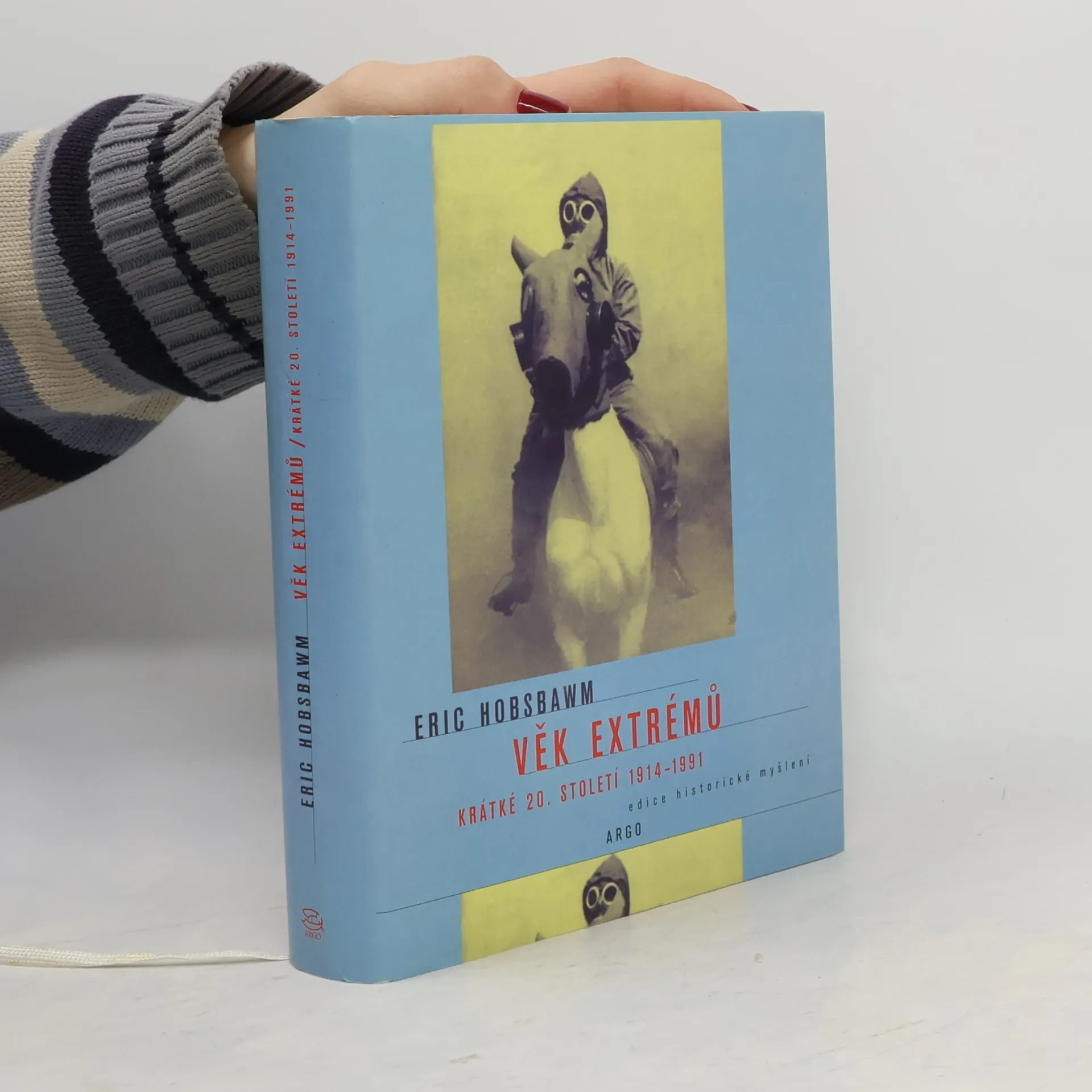
Věk extrémů. Krátké 20. století 1914-1991
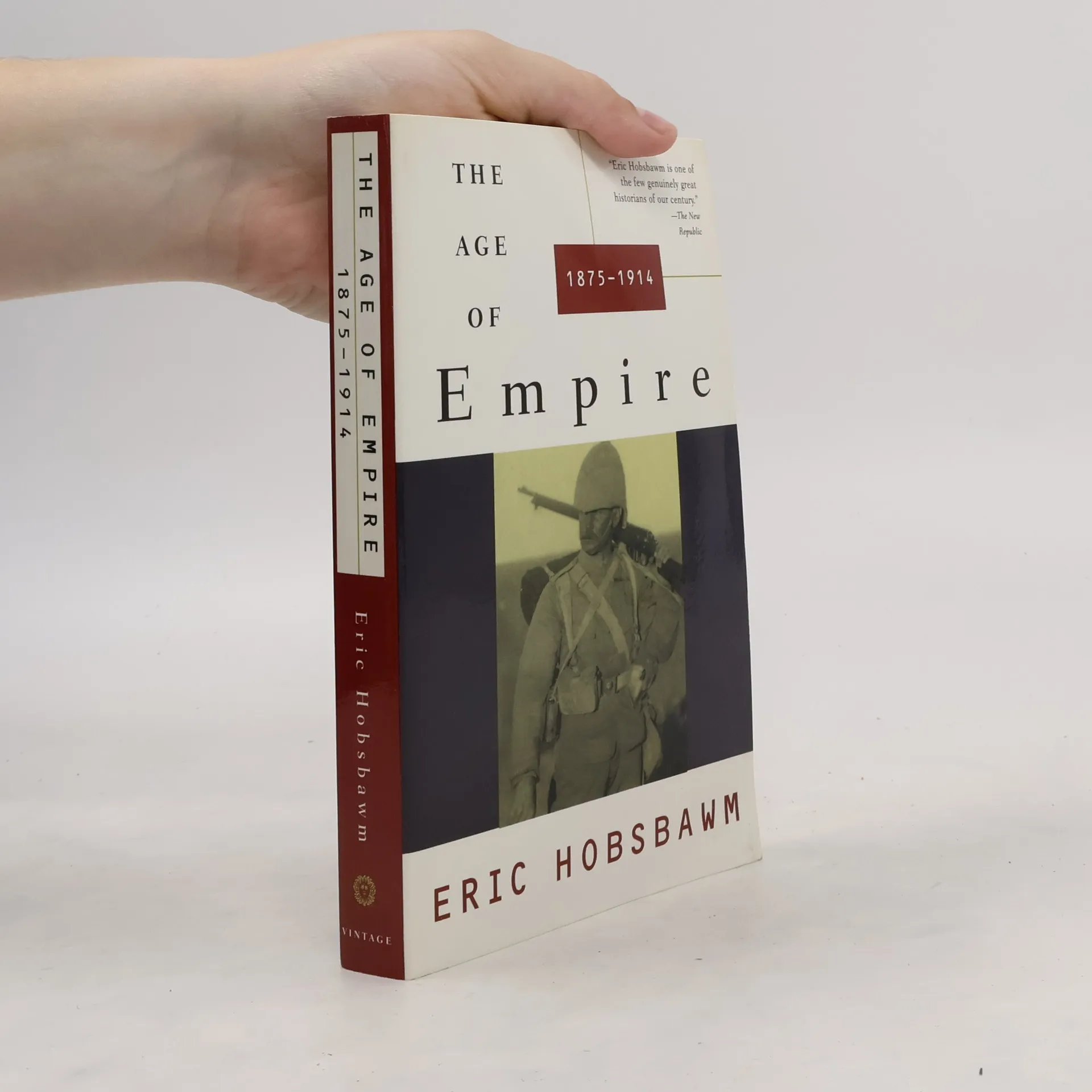
The Age of Empire: 1875-1914
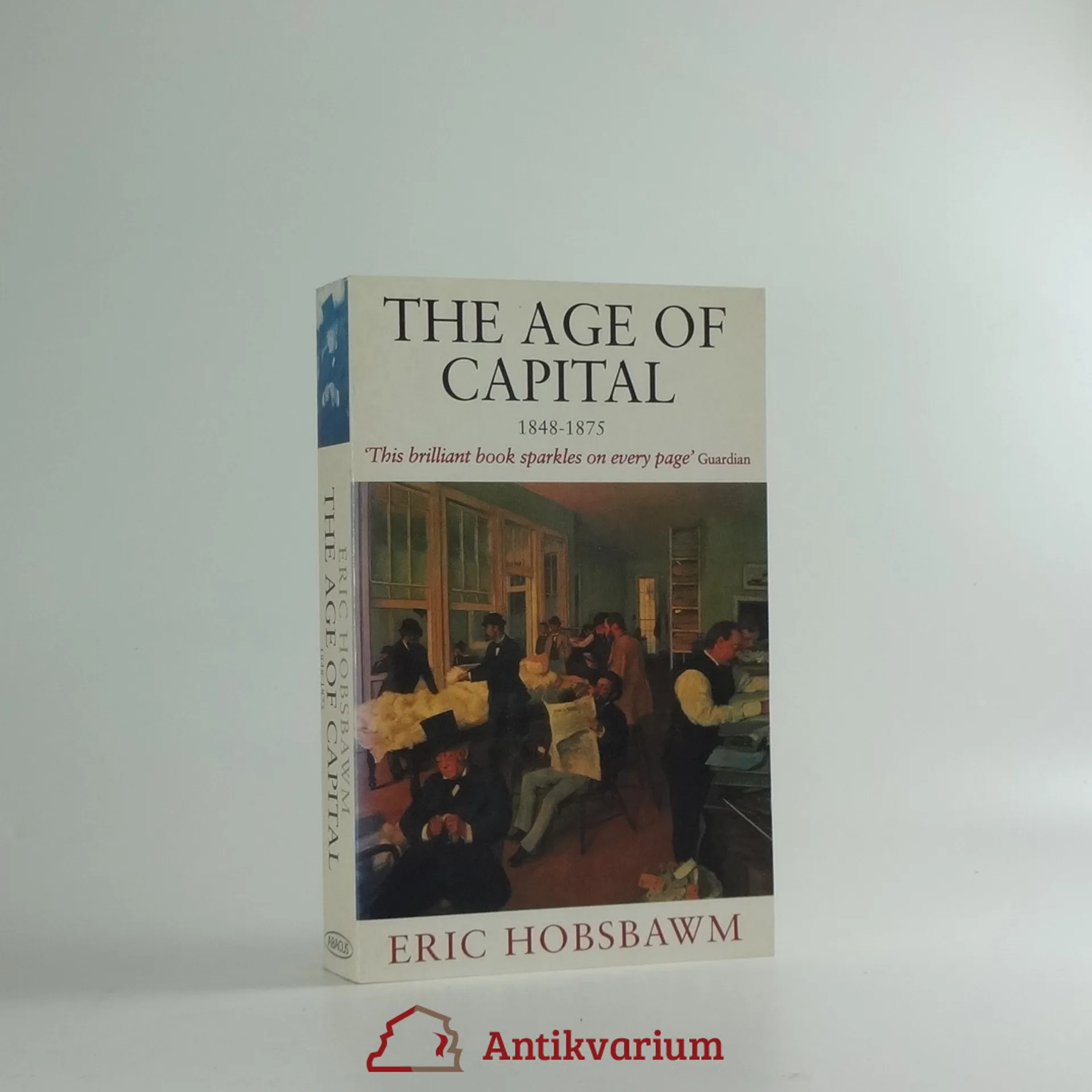
The age of capital : 1848-1875
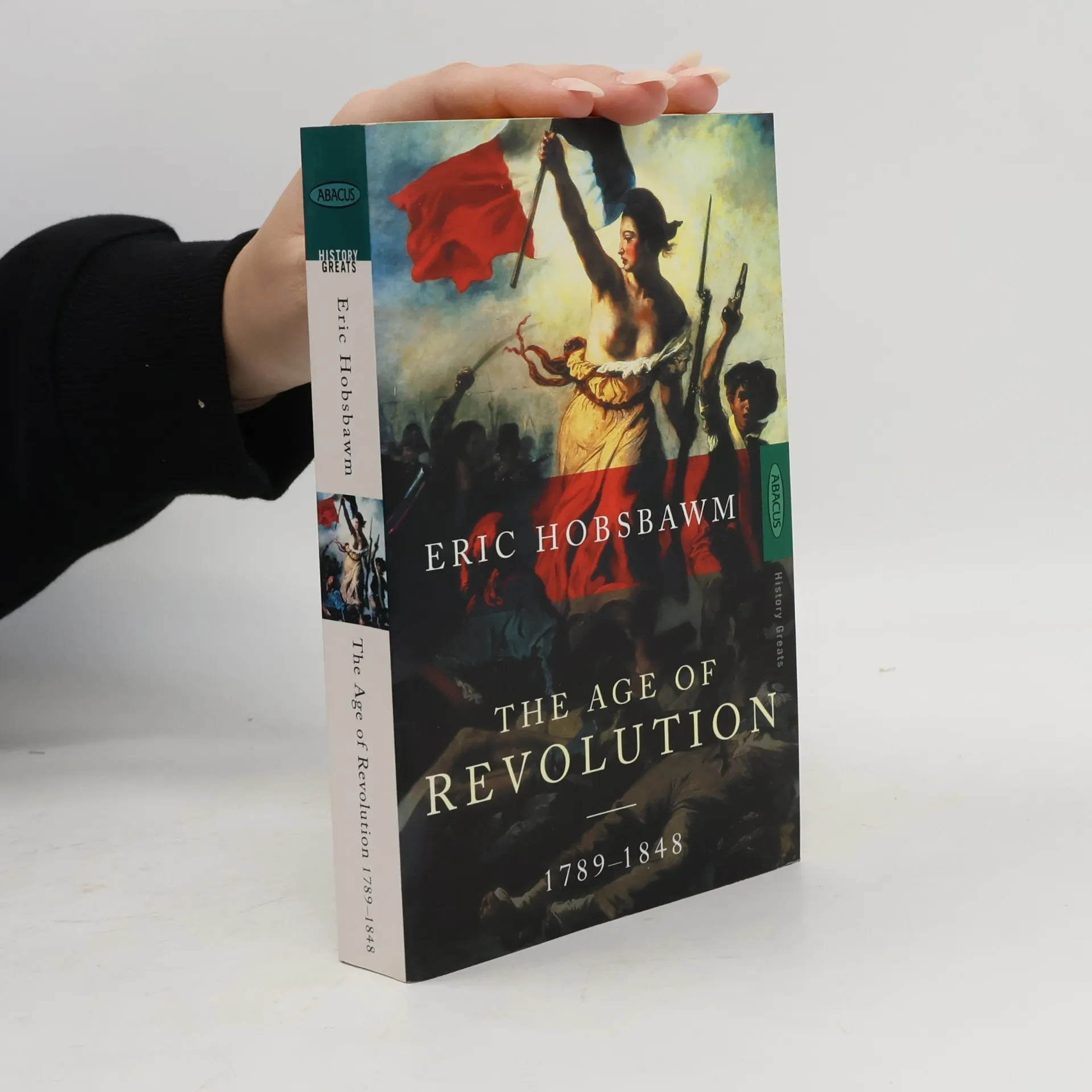
The Age of Revolution: 1789-1848

Doporučené pořadí čtení

  1. A different book for this isbn can be found here. Eric Hobsbawm traces with brilliant analytical clarity the transformation brought about in every sphere of European life by the Dual revolution - the 1789 French revolution and the Industrial Revolution that originated in Britain. This enthralling and original account highlights the significant sixty years when industrial capitalism established itself in Western Europe and when Europe established the domination over the rest of the world it was to hold for half a century.

    The Age of Revolution: 1789-18481
    4,2
  2. A major treatment of the crucial years 1848-1875 - a penetrating analysis of the rise of capitalism throught the world. In the 1860s a new word entered the economic and political vocabulary of the world: "capitalism". The global triumph of capitalism is the major theme of history in the decades after 1848. It was the triumph of a society which believed that economic growth rests on competitve private enterprise, on success in buying everything in the cheapest market (including labour) and selling it in the dearest. An economy so based, and therefore nestling naturally on the sound foundations of a bourgeoisie composed of those whom energy, merit and intelligence had raised to their position and kept there, would - it was believed - not only create a world of suitably distributed material plenty but of ever-growing enlightenment, reason and human opportunity, an advance of the sciences and the arts, in brief a world of continuous and accelerating material and moral progress.

    The age of capital : 1848-18752
    4,3
  3. Erica Hobsbawm discusses the evolution of European economics, politics, arts, sciences, and cultural life from the height of the industrial revolution to the First World War. Hobsbawm combines vast erudition with a graceful prose style to re-create the epoch that laid the basis for the twentieth century.

    The Age of Empire: 1875-19143
    4,3
  4. Eric Hobsbawm patří k nejlepším anglosaským historikům 19. a 20. století. Jeho poslední kniha představuje brilantní syntetický pohled na dvěma světovými válkami poznamenané století. Hlavní důraz v ní Hobsbawm klade na dějinné proměny společenských idejí, které dvacáté století formovaly. Komunismus, fašismus, socialismus, doznívající liberalismus, konzervativismus, myšlenky sociálního státu spolu s mnoha kulturními a uměleckými směry, které krátkodobě či dlouhodobě pohlcovaly intelektuální i konsumní svět, tvoří základní pilíře autorovy jistě velmi subjektivní reflexe "krátkého" a tudíž hektického věku. Předností Hobsbawmovy knihy je její celosvětový záběr. Autor se v ní nesoustředil pouze na ideový, sociální a politický vývoj Spojených států, Ruska či nejvýznamnějších zemí západní Evropy, ale stejnou měrou se věnoval i problémům jak třetího, tak i dynamicky se rozvíjejícího asijského světa.

    Věk extrémů. Krátké 20. století 1914-19914
    4,3