

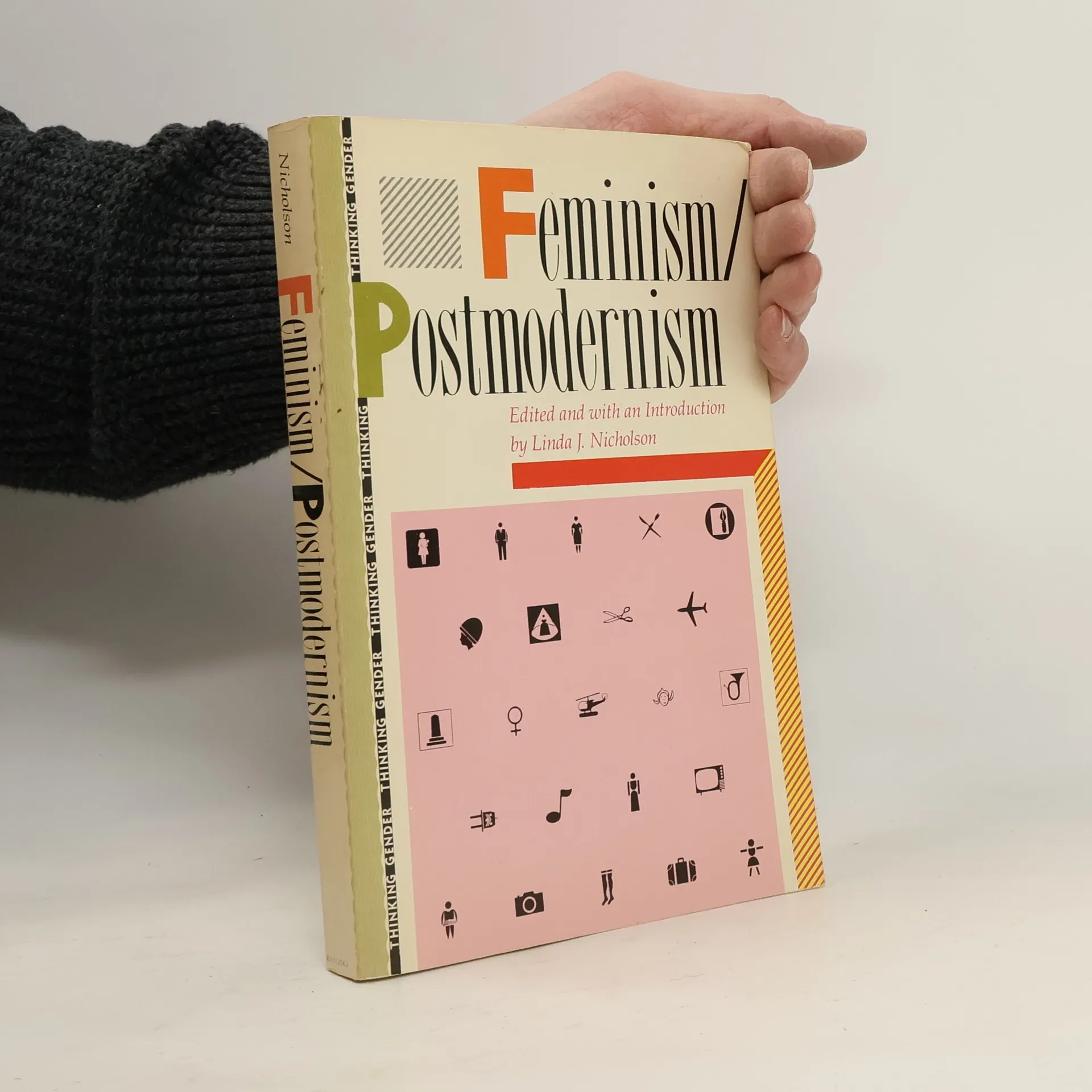
Feminism/Postmodernism asks - is a postmodern feminist politics possible? Contributors consider issues such as the nature of personal and social identity, and the consequence of changing work and family relations on women's lives.
Myšlení pohlaví Série
Tato série se ponoří do komplexní a často neprobádané oblasti genderových studií. Zkoumá, jak jsou genderové identity a sociální konstrukce formovány historií, kulturou a politikou. Každý svazek nabízí kritický pohled na to, jak se naše chápání genderu vyvíjelo a jaký má dopad na současné společnosti. Jedná se o zásadní četbu pro každého, kdo se zajímá o rovnost, identitu a společenskou spravedlnost.
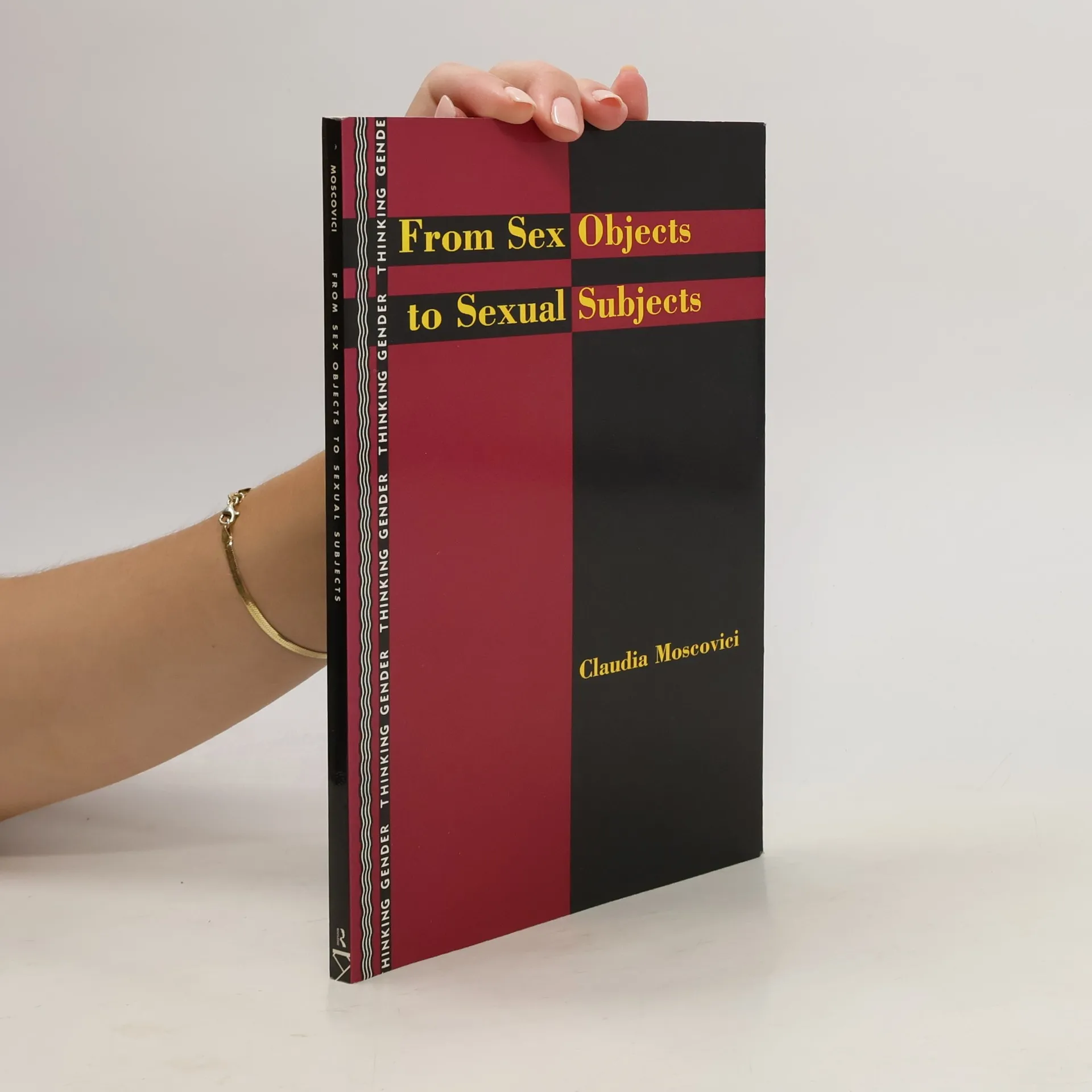
From Sex Objects to Sexual Subjects
- 108 stránek
- 4 hodiny čtení
The book explores the evolution of subjectivity from the masculinist perspectives of Rousseau, Diderot, and Kant in the eighteenth century to contemporary critiques by feminist and postmodern thinkers like Irigaray, Butler, and Foucault. It examines how these shifts challenge the notion of the universal subject as a rational, impartial individual, revealing the complexities and continuities in the understanding of identity and political judgment. This critical analysis highlights the interplay between historical and modern theories of selfhood and gender.
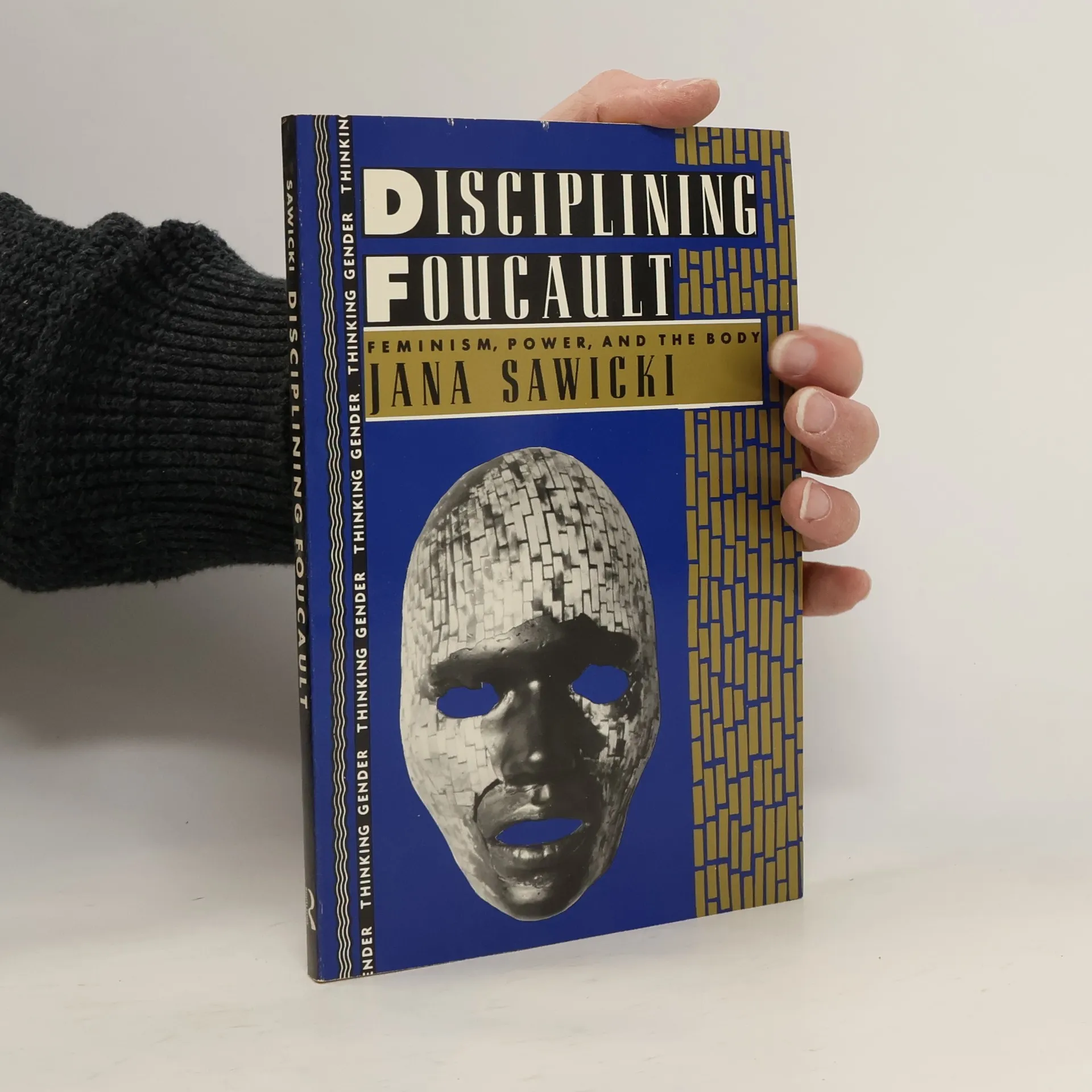
In Disciplining Foucault, Jana Sawicki argues that a Foucauldian feminism is possible. She rejects the view that the power of phallocentric discourse is total.
Feminism/Postmodernism
- 348 stránek
- 13 hodin čtení
In this anthology, prominent contemporary theorists assess the benefits and dangers of postmodernism for feminist theory. The contributors examine the meaning of postmodernism both as a methodological position and a diagnosis of the times. They consider such issues as the nature of personal and social identity today, the political implications of recent aesthetic trends, and the consequences of changing work and family relations on women's lives. Contributors: Seyla Benhabib, Susan Bordo, Judith Butler, Christine Di Stefano, Jane Flax, Nancy Fraser, Donna Haraway, Sandra Harding, Nancy Hartsock, Andreas Huyssen, Linda J. Nicholson, Elspeth Probyn, Anna Yeatman, Iris Young.