

Tato série zkoumá fascinující svět robotů a umělé inteligence prostřednictvím poutavých a často humorných příběhů. Každý díl se ponoří do technických výzev i etických dilemat spojených s rostoucí autonomií strojů. Čtenáři se mohou těšit na svižné tempo, vynalézavé zápletky a otázky o tom, co to znamená být člověkem. Je to ideální čtení pro fanoušky sci-fi, kteří oceňují chytrý humor a provokativní nápady.
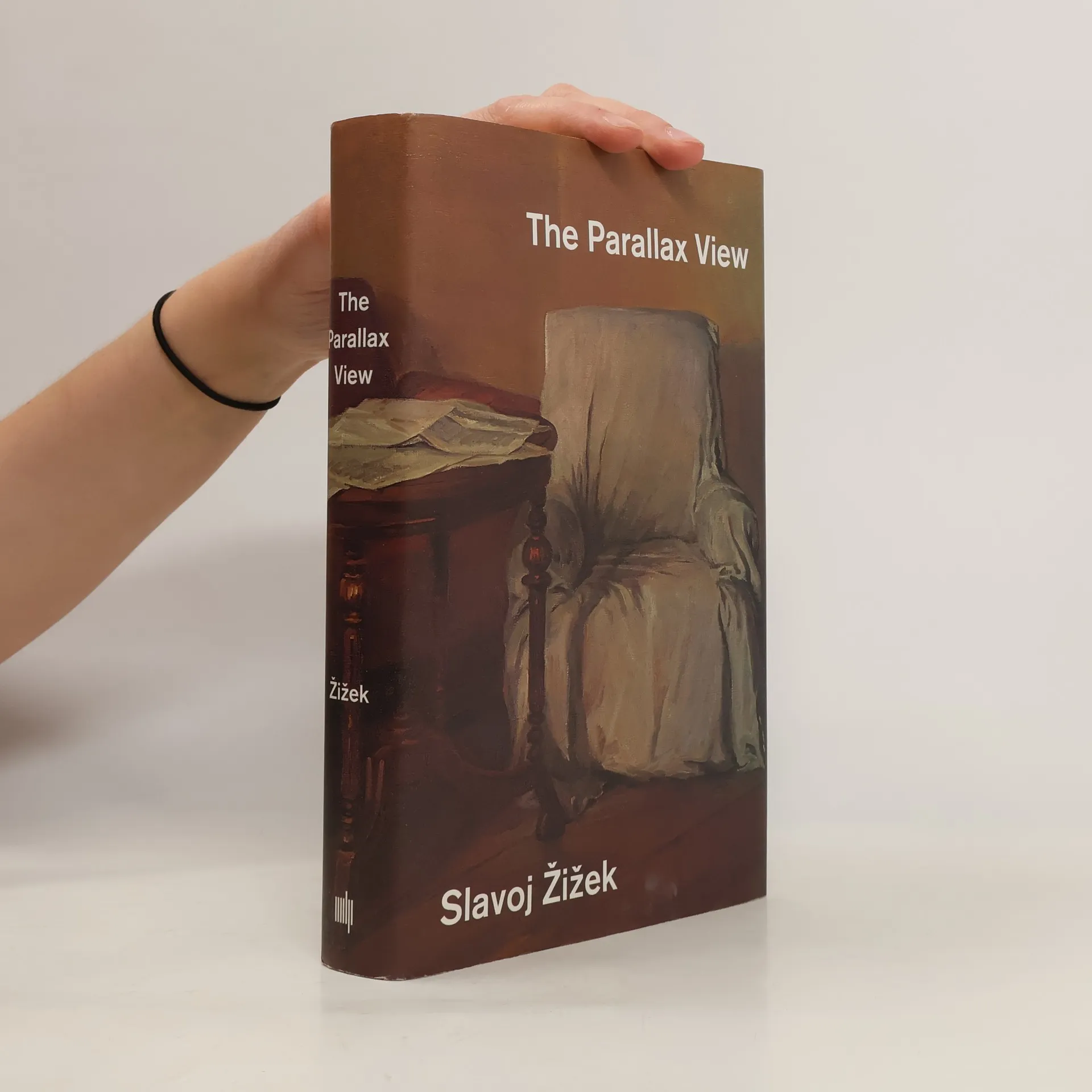
Seeks to rehabilitate dialectical materialism by discussing the "parallax gap," which separates two points because of the displacement of an object resulting from a change in observational position.
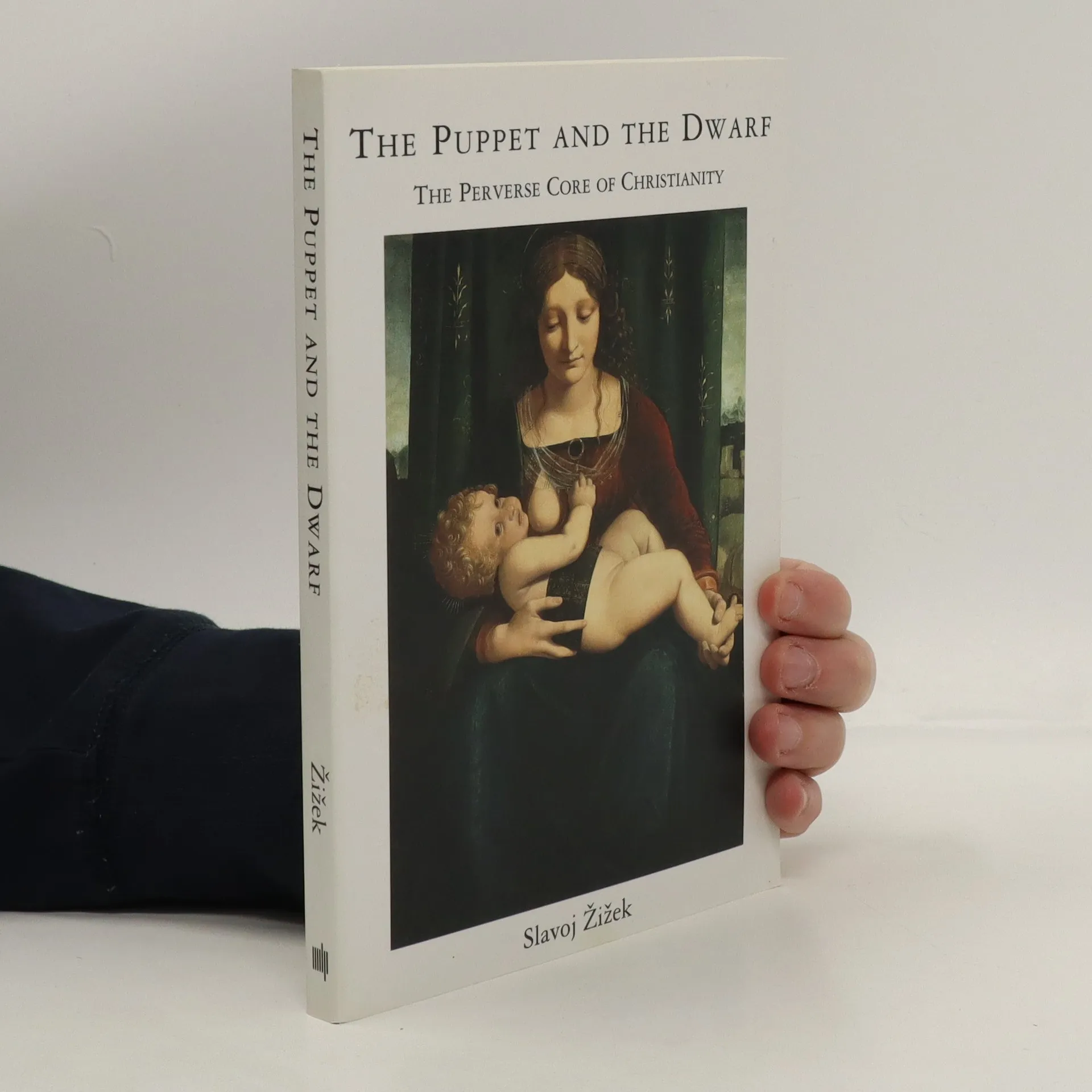
One of our most daring intellectuals offers a Lacanian interpretation of religion, finding that early Christianity was the first revolutionary collective.Slavoj Zizek has been called "an academic rock star" and "the wild man of theory"; his writing mixes astonishing erudition and references to pop culture in order to dissect current intellectual pieties. In The Puppet and the Dwarf he offers a close reading of today's religious constellation from the viewpoint of Lacanian psychoanalysis. He critically confronts both predominant versions of today's spirituality -- New Age gnosticism and deconstructionist-Levinasian Judaism -- and then tries to redeem the "materialist" kernel of Christianity. His reading of Christianity is explicitly political, discerning in the Pauline community of believers the first version of a revolutionary collective. Since today even advocates of Enlightenment like Jurgen Habermas acknowledge that a religious vision is needed to ground our ethical and political stance in a "postsecular" age, this book -- with a stance that is clearly materialist and at the same time indebted to the core of the Christian legacy -- is certain to stir controversy.
Heute, in einer Zeit, in der die Analysen des Historischen Materialismus meist »undercover« und fast nie unter ihrem richtigen Namen betrieben werden und in der die theologische Dimension in Gestalt des postsäkularen Denkens eine neue Wendung genommen hat, ist es an der Zeit, die erste von Benjamins Thesen über den Begriff der Geschichte umzukehren: »Gewinnen soll immer die Puppe, die man ›Theologie‹ nennt. Sie kann es ohne weiteres mit jedem aufnehmen, wenn sie den Historischen Materialismus in ihren Dienst nimmt, der bekanntlich heute klein und häßlich ist und sich ohnehin nicht darf blicken lassen.« Die Puppe und der Zwerg erkundet die konkreten Formen dieser merkwürdigen Koexistenz. Zu Beginn steht eine Analyse des fundamentalen Bruchs zwischen dem abendländischen kosmisch-holistischen Weltbild und dem jüdisch-christlichen. Weiter geht das Buch der Spannung zwischen dem perversen Funktionieren des »realexistierenden Christentums« und dem subversiven Kern der christlichen Erfahrung nach. Schließlich versucht es, diesen subversiven Kern in der gegenwärtigen Ideologie der Hegemonie zu verorten, deren Koordinaten durch die nietzscheanische Unterscheidung zwischen aktivem und passivem Nihilismus vorgegeben sind.
Focusing on the radical impact of NSK, this study delves into the performances and productions of Laibach, its musical and conceptual division. Emerging after Tito's death and amid Yugoslavia's breakup, NSK represents a significant avant-garde force in Eastern Europe, known for its complex and provocative works across various artistic fields. Laibach, in particular, merges popular culture with subversive politics, capturing the political and cultural turmoil of its era while gaining an international following.
A militant Marxist atheist and a ""Radical Orthodox"" Christian theologian square off on everything from the meaning of theology and Christ to the war machine of corporate mafia