Ethics of the Real
- 282 stránek
- 10 hodin čtení
Fascinating study of the relationship between the philosopher and the psychoanalyst by major Slovenian scholar.


Alenka Zupančič je slovinská filozofka, jejíž práce se soustředí na psychoanalýzu a kontinentální filozofii. Její myšlení, silně ovlivněné lacanovskou tradicí a vlivnými slovinskými učenci, zkoumá témata jako etika, literatura a komedie. Zupančič je ceněna především pro svůj hluboký vhled do díla Friedricha Nietzscheho, ale její filozofie se opírá i o poznatky Kanta, Hegela a dalších myslitelů. Její přístup nabízí svěží pohled na klíčové filozofické otázky a jejich propojení s lidskou psychikou.



Fascinating study of the relationship between the philosopher and the psychoanalyst by major Slovenian scholar.
A provocative journey into Sophocles' Antigone explores its enduring significance in Western thought and culture. This classical text has inspired extensive interpretation and creative response, prompting the question: What is it about Antigone that continues to resonate? The author examines three key "obsessions" that drive this inquiry. First, the theme of violence is addressed—not the graphic violence familiar in media, but a sharper, more piercing form that encompasses the violence of language, principles, desire, and subjectivity. Second, the author delves into funerary rites and their role in confronting the persistent "undeadness" that underlies human existence, suggesting a complex relationship between language, sexuality, death, and the notion of "second death." The third focal point is Antigone's claim that she would allow her own family to rot unburied, emphasizing her commitment to the "unwritten law" she follows for Polyneices. This raises questions about the exclusivity of her actions and how they relate to her universal appeal. The narrative compels readers to confront deeper issues, including the nature of incest and the broader human condition. Alenka Zupančič's insightful exploration of these philosophical and psychoanalytic themes invites a wide readership to engage with the timeless relevance of this classic work.
A Lacanian look at how comedy might come to philosophy's rescue, with examples ranging from Hegel and Moliere to George W. Bush and Borat.
In seiner Schrift »Jenseits des Lustprinzips« aus dem Jahre 1920 führt Freud das faszinierende und kontroverse Konzept des »Todestriebes« ein, das seither sehr unterschiedlichen Interpretationen und Anwendungen unterzogen wurde. In ihrem Text analysiert Alenka Zupančič die vielfältigen und vielstimmigen Facetten dieses Konzepts und legt aus ihrer Sicht dar, wie Freud in seiner Einführung des Todestriebes unser gewohntes Verständnis des Lebens – und philosophisch den Vitalismus – dekonstruiert. Sie zeigt auch auf, wie jene Widersprüche, die Freuds Text inhärent sind, für Präzisierungen und Weiterentwicklungen des Konzepts genutzt werden können. Zupančič entfaltet die Relevanz des Begriffs nicht nur für viele zeitgenössische Diskussionen innerhalb der Psychoanalyse und Philosophie, sondern auch im weiteren sozialen Kontext.
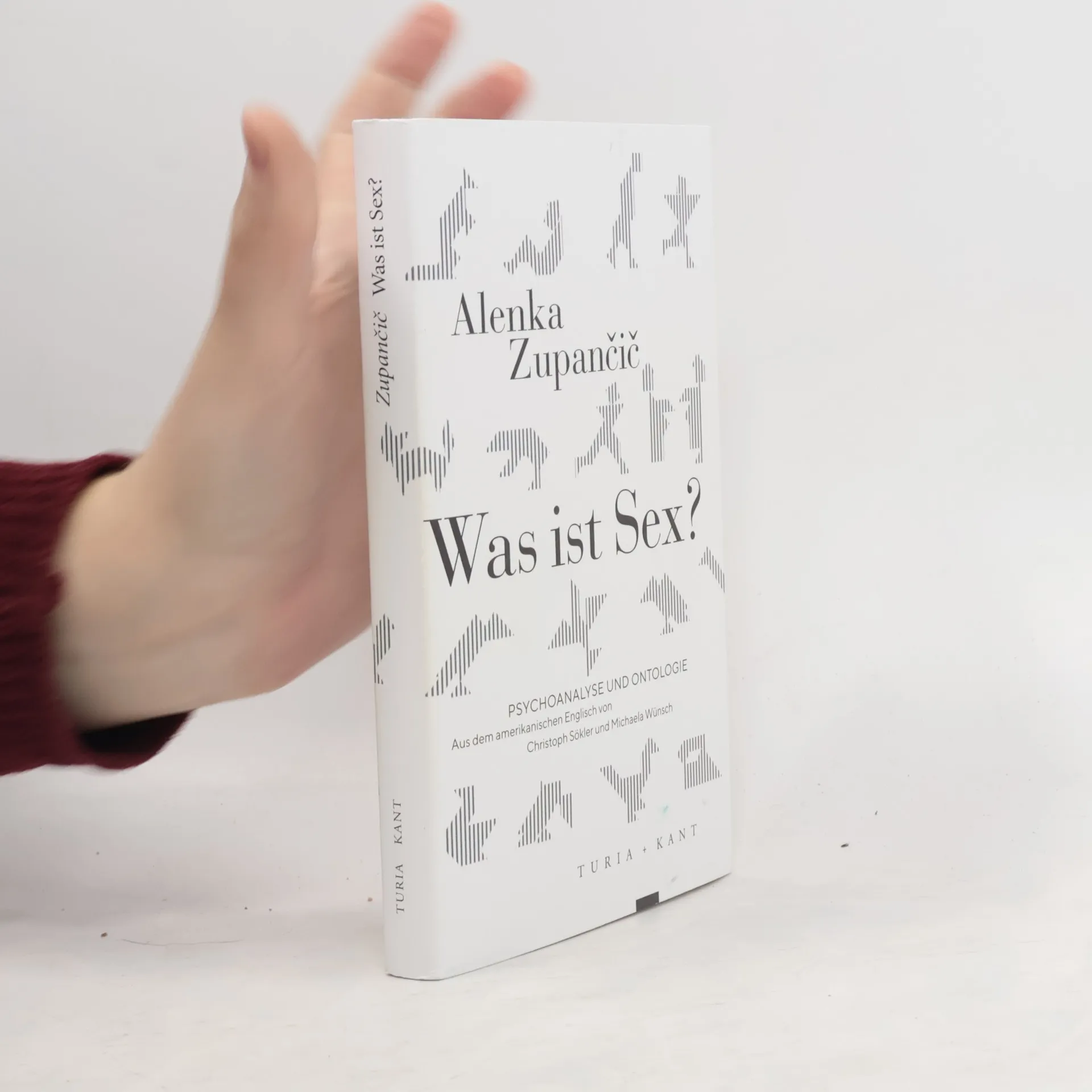
Psychoanalyse und Ontologie
Alenka Zupančič’ Buch ist klarste Darlegung davon, warum die Psychoanalyse das Fundament der Philosophie erschüttert. Wissen und Sexualität sind beide von einer grundlegenden Negativität in ihrem Innern strukturiert, und diese Negativität verbindet sie miteinander in dem, was die Psychoanalyse »Unbewusstes« nennt. Das mit Sexualität verbundene Unbewusste wird in Zupančič’ Darlegung zum Begriff einer unschließbaren Lücke im Wissen, das so zu einer ebenfalls lückenhaften Ontologie, einem Denken des Seins in seiner Inkonsistenz führt.
Antigones Parallaxe
Warum über das Komische philosophieren? Warum die Komik aus philosophischer und psychoanalytischer Perspektive erforschen? In The Odd One In analysiert Alenka Zupančič, wie einerseits Philosophie und Psychoanalyse uns helfen, Mechanismen und Logik des Komischen zu verstehen, und wie andererseits die Komik der Philosophie und Psychoanalyse helfen kann, einige grundlegende Wirkungsweisen und Vorgänge dessen zu begreifen, was wir Humanität nennen. Dem Wesen des Komischen ist mit Begriffen und Definitionen nur schwer beizukommen, es ist als künstlerische Ausdrucksform und als soziale Praxis jedoch immer auch eine Art und Weise, sich mit dem Fremden zu beschäftigen - als Mittel der Einbeziehung des Außenseiters. Zupančič stützt sich auf ein ganze Reihe von Philosophen und Komikern, von Aristophanes, Molière, Hegel, Freud und Lacan, bis zu George W. Bush und Borat. Sie trennt dabei scharf zwischen dem Komischen und ideologisch implizierter, 'naturalisierter' Fröhlichkeit. Die wahrhafte, subversive Komik entspringt dem Funken, der unmittelbare Verbindungen zwischen heterogenen Zuständen herstellt.