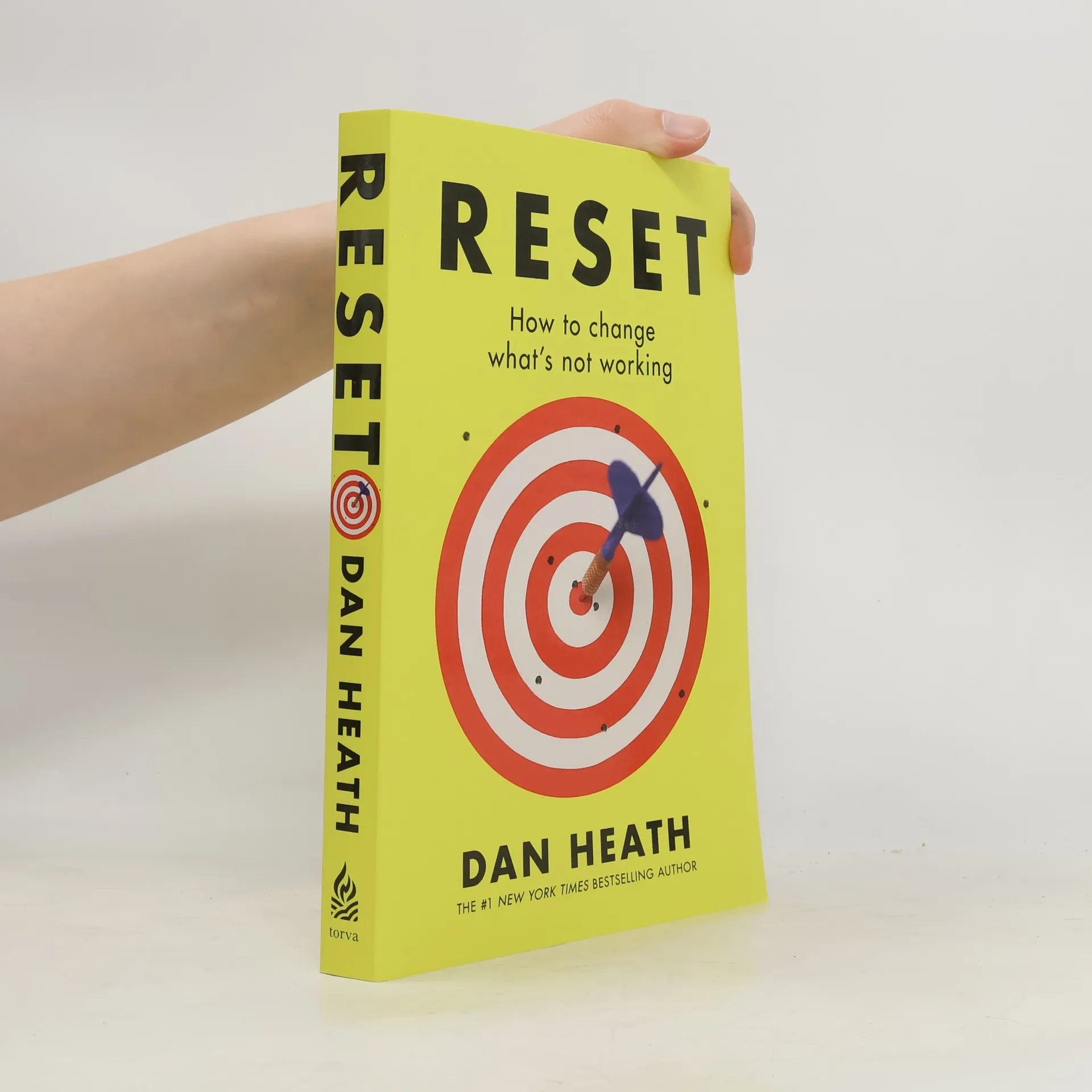
Reset
How to Change What's Not Working
Dan Heath je uznávaný autor, který se zaměřuje na praktické aplikace psychologie a sociologie v reálném světě. Jeho práce zkoumá, jak lidé a organizace dosahují smysluplných a trvalých změn. S důrazem na srozumitelnost a ověřitelné principy nabízí Heath čtenářům nástroje pro pochopení složitých problémů a jejich řešení. Jeho přístup je založen na hlubokém porozumění lidskému chování a jeho vlivu na kolektivní akce.


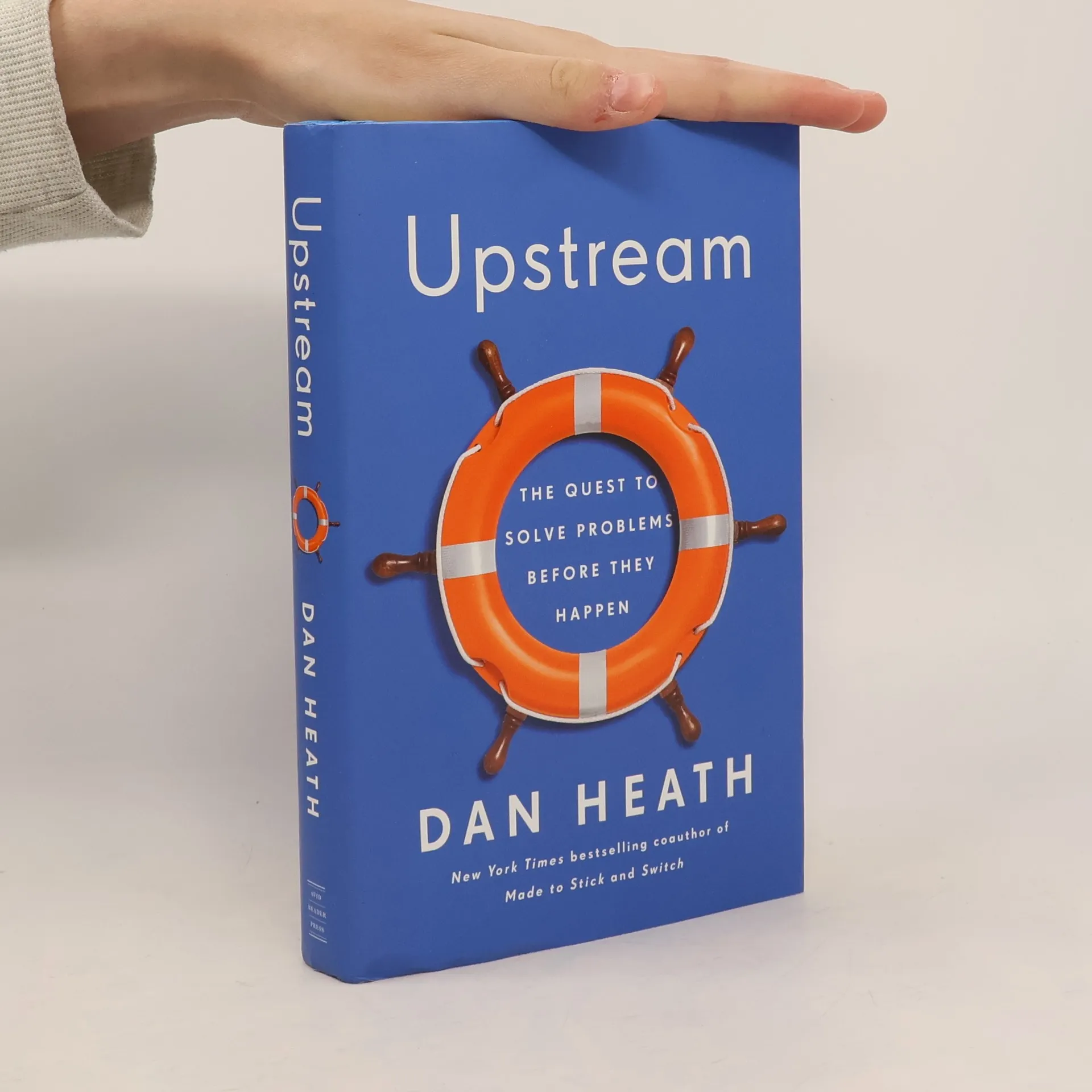
How to Change What's Not Working
The book captivates readers by blending informative content with engaging storytelling. It aims to entertain while providing insights, making complex ideas accessible and enjoyable. Through a compelling narrative, it sparks curiosity and encourages deeper thinking about its themes.
Moving upstream -- Section 1. The three barriers to upstream thinking -- Section 2. Seven questions for upstream leaders -- Section 3. For upstream.
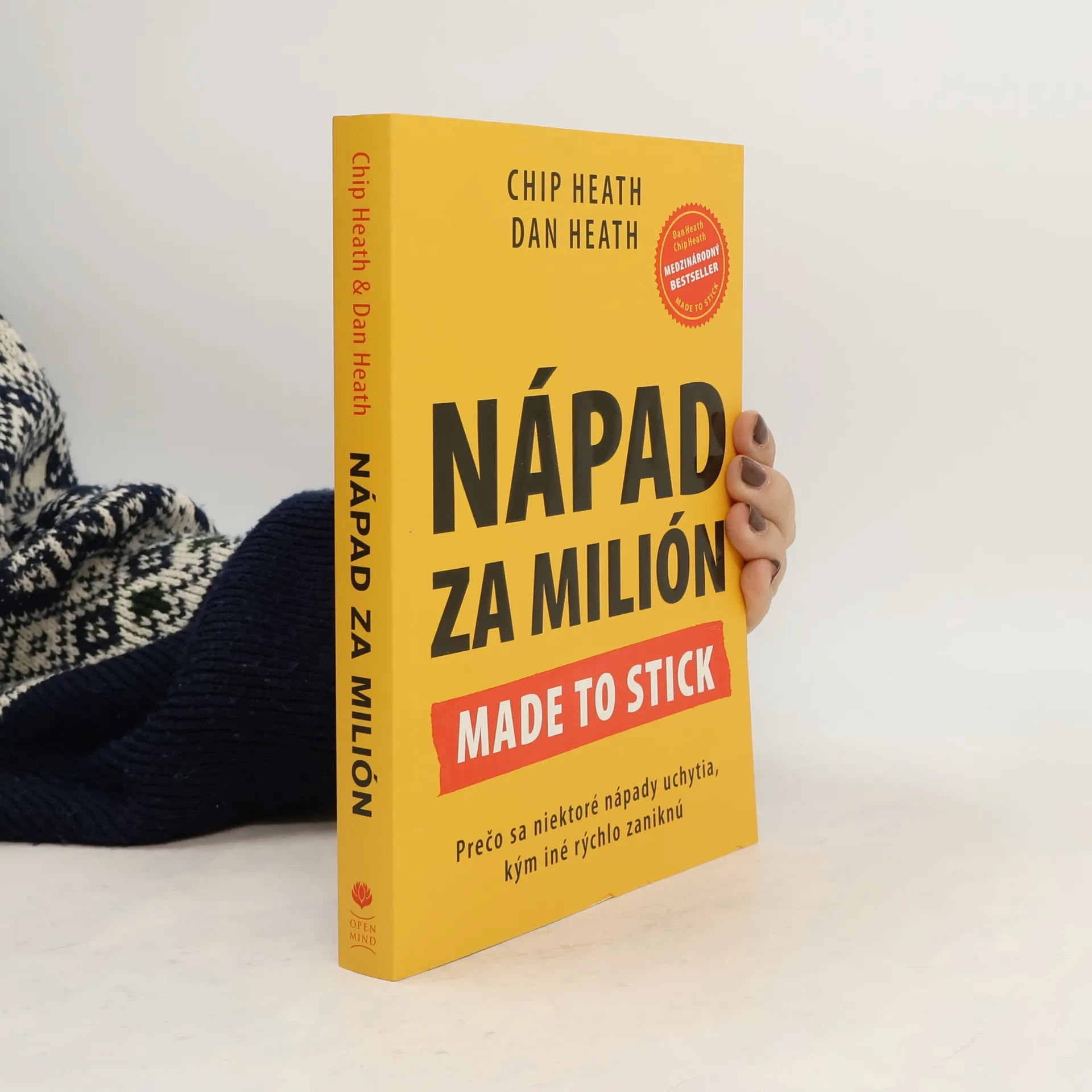
PROSTE REGUŁY, KTÓRE ZMIENIĄ TWOJE ŻYCIE Bez względu na to, czy zamierzasz tylko uporządkować biurko czy zmienić świat. Poznaj metodę, dzięki której: jeden lekarz uratował życie stu tysięcy pacjentów, grupa nierozgarniętych pierwszaków stała się klasą bystrych uczniów, nawet noworoczne postanowienia są możliwe do zrealizowania. A teraz i ty możesz odmienić swoje życie. Niezależnie od tego, czy jesteś szefem, menedżerem lub rodzicem, czy chcesz zmienić samego siebie – nie wahaj się, to łatwe! Pstryk i już. Bracia Chip i Dan Heath to profesorowie, konsultanci, trenerzy i autorzy bestsellerowych książek (m.in. Przyczepnych historii), które przetłumaczono na blisko 30 języków. Doradzali takim firmom jak Microsoft, Google czy Nike. A teraz doradzają nam, jak z powodzeniem dokonywać zmian w naszym domu, w pracy i w życiu. PSTRYK ODNIÓSŁ WIELKI SUKCES, BO DZIAŁA!
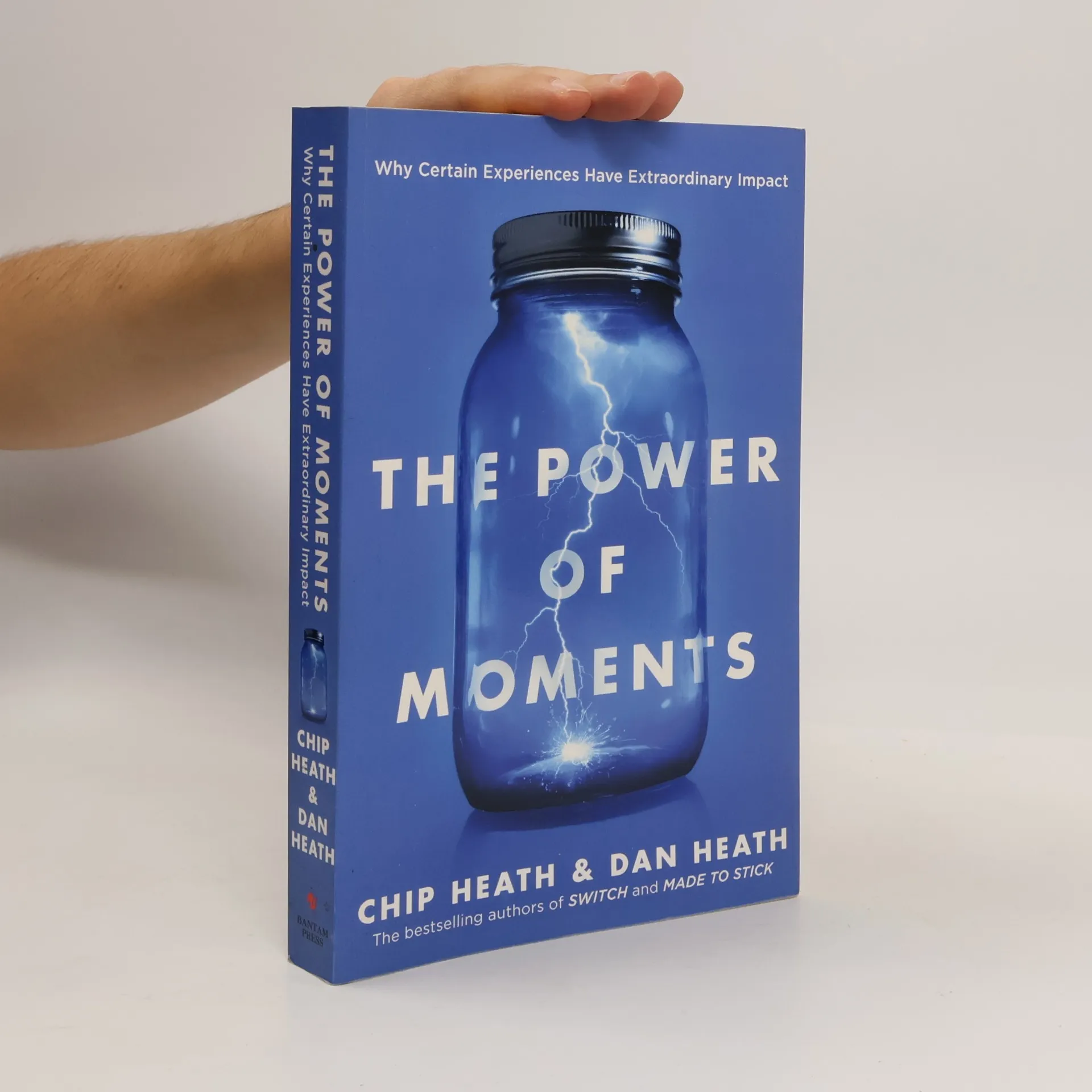
The New York Times bestselling authors of Switch and Made to Stick explore why certain brief experiences can jolt, elevate and change us - and how we can learn to create such extraordinary moments in our life and work. What if a teacher could design a lesson that he knew his students would remember twenty years later? What if a doctor or nurse knew how to orchestrate moments that would bring more comfort to patients? What if you had a better sense of how to create memories that matter for your children? Many of the defining moments in our lives are the result of accident or luck - but why leave our most meaningful, memorable moments to chance when we can create them? In The Power of Moments, Chip and Dan Heath explore the stories of people who have created standout moments, from the owners who transformed an utterly mediocre hotel into one of the best-loved properties in Los Angeles by conjuring moments of magic for guests, to the scrappy team that turned around one of the worst elementary schools in the country by embracing an intervention that lasts less than an hour. Filled with remarkable tales and practical insights, The Power of Moments proves we all have the power to transform ordinary experiences into unforgettable ones.
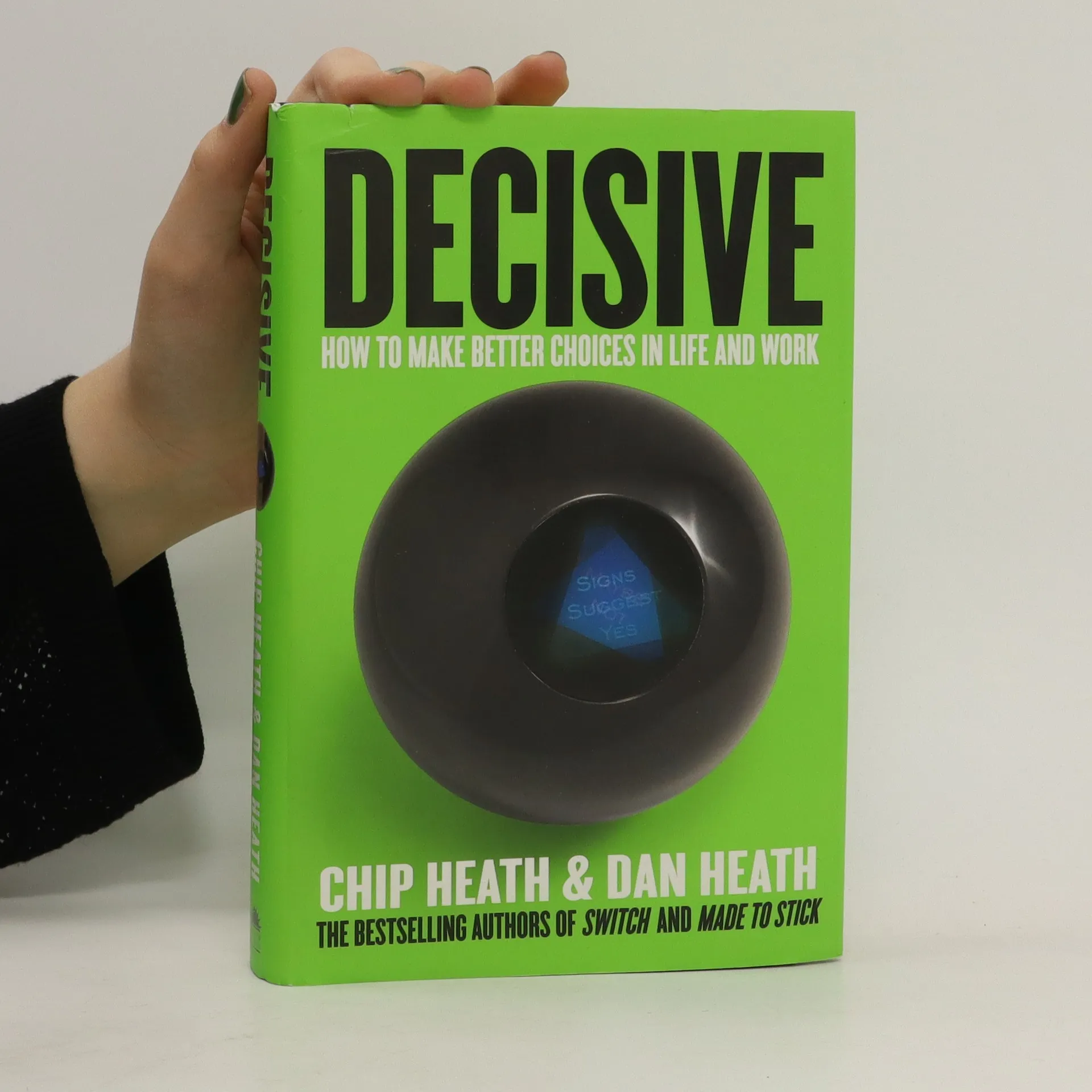
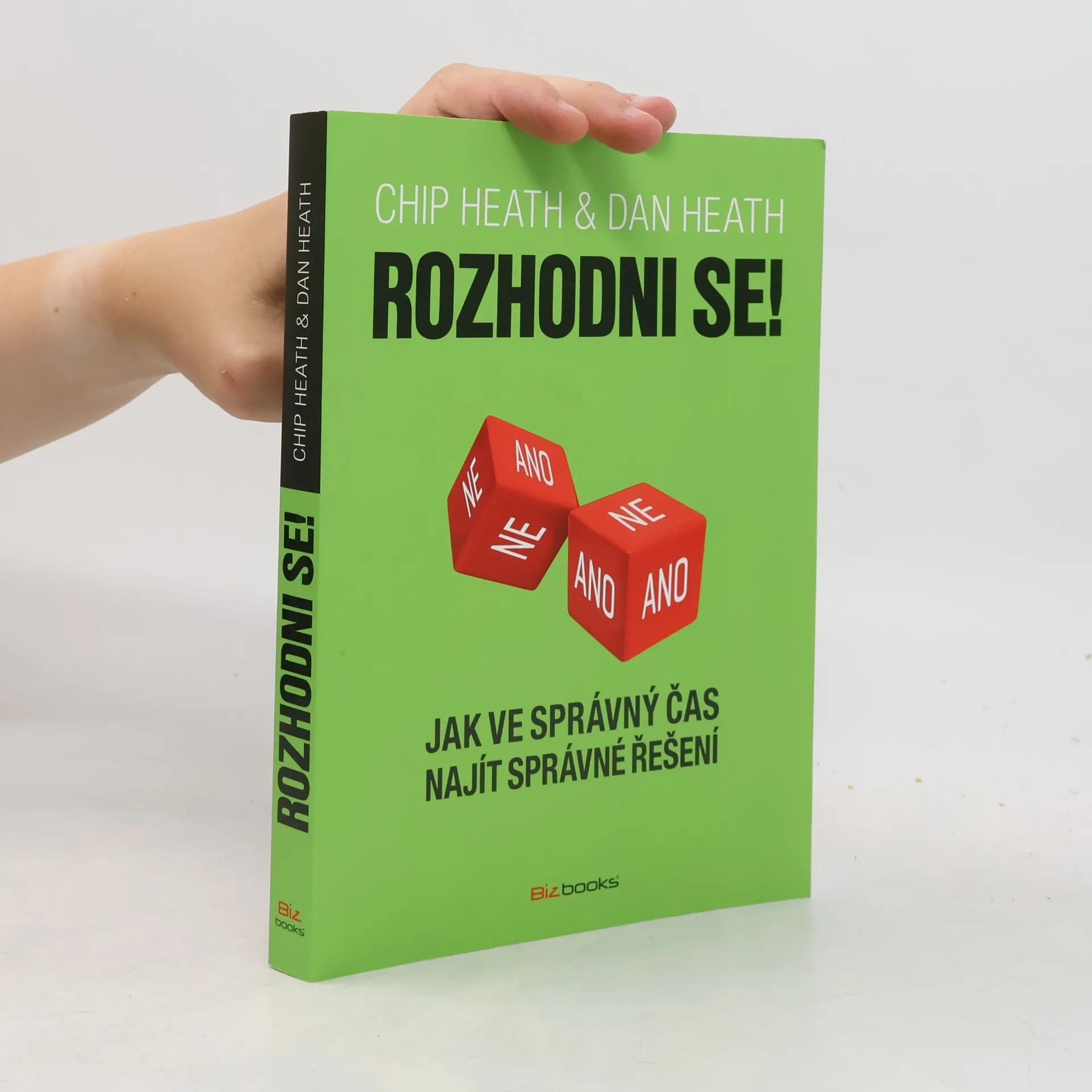
Proč děláme špatná kariérní rozhodnutí, vrháme se do nevhodných vztahů nebo chybujeme při investicích? Naše mozky jsou často ovlivněny silnými předsudky a zbožnými přáními. Abychom činili lepší rozhodnutí, musíme pochopit, jak funguje naše předpojatost, a naučit se ji ovládat. Kniha nabízí inovativní strategie a praktické techniky pro správné a sebevědomé volby. Čtenář se dozví, jak: - identifikovat čtyři nejškodlivější sabotéry rozhodování - vybudovat efektivní rozhodovací proces - překonat krátkozraké uvažování - vyhnout se rozhodovací paralýze - nalézt nové alternativy řešení - odhalit slepé uličky. Magazín Forbes označil knihu za jednu z nejvíce užitečných novinek v oblasti byznysu, vyzdvihující její čtivost, srozumitelnost a pronikavý pohled na osobní i firemní chování. Autoři, bratři Heathové, jsou renomovaní odborníci, kteří se věnují podnikové strategii a organizaci. Jejich předchozí bestsellery, jako "Jak zaujmout hned napoprvé" a "Proměna", získaly mezinárodní uznání. Tato kniha je cenným zdrojem pro každého, kdo chce zlepšit své rozhodovací schopnosti.
Waarom zijn broodjeaapverhalen zo hardnekkig en vergeten we alledaagse waarheden zo gemakkelijk? Hoe maakt een krant een kop die ervoor zorgt dat we door willen lezen? En waarom onthouden we complexe verhalen wel, maar complexe feiten niet? Waarom floreren sommige ideeën van meet af aan, terwijl andere razendsnel ter ziele gaan? En hoe verbeter je de kansen van waardevolle ideeën? In De plakfactor leggen Chip en Dan Heath uit hoe je de kleefkracht van ideeën kunt versterken. Deze onmisbare gids laat zien dat ‘sticky’ ideeën hun kracht ontlenen aan zes belangrijke eigenschappen, die ook jij kunt leren beheersen. Dit boek gaat over een van de belangrijkste aspecten van menselijk gedrag en zal de manier waarop je ideeën overbrengt ingrijpend veranderen.
The authors present a four-step process aimed at mitigating the biases that infiltrate our decision-making. Psychological research shows that our choices are often hindered by various biases and irrationalities: we tend to be overconfident, seek confirming information while ignoring contradictory data, and let short-term emotions cloud our judgment. Simply recognizing these flaws is insufficient, much like knowing one is nearsighted doesn't improve vision. The key question addressed is: How can we enhance our decision-making? Drawing from extensive research in the field, the authors outline a four-step method to combat these biases. The narrative includes compelling examples, from a rock star's clever decision-making technique to a CEO's unfortunate acquisition, and highlights a pivotal question that can clarify complex personal dilemmas. Readers will discover answers to essential questions, such as how to break the cycle of indecision, make group decisions free from toxic politics, and avoid missing valuable opportunities for change. This work provides actionable strategies and tools to help us make more informed choices, emphasizing that the right decision at the right time can significantly impact our lives.
Just making a decision can be hard enough, but how do you begin to judge whether it's the right one? This title focuses on decades of psychological research to explain why we so often get it very badly wrong - why our supposedly rational brains are frequently tripped up by powerful biases and wishful thinking. Contents: 1. The four villains of decision making 2. Avoid a narrow frame 3. Multitrack 4. Find someone who's solved your problem 5. Consider the opposite 6. Zoom out, zoom in 7. Ooch 8. Overcome short-term emotion 9. Honor your core priorities.