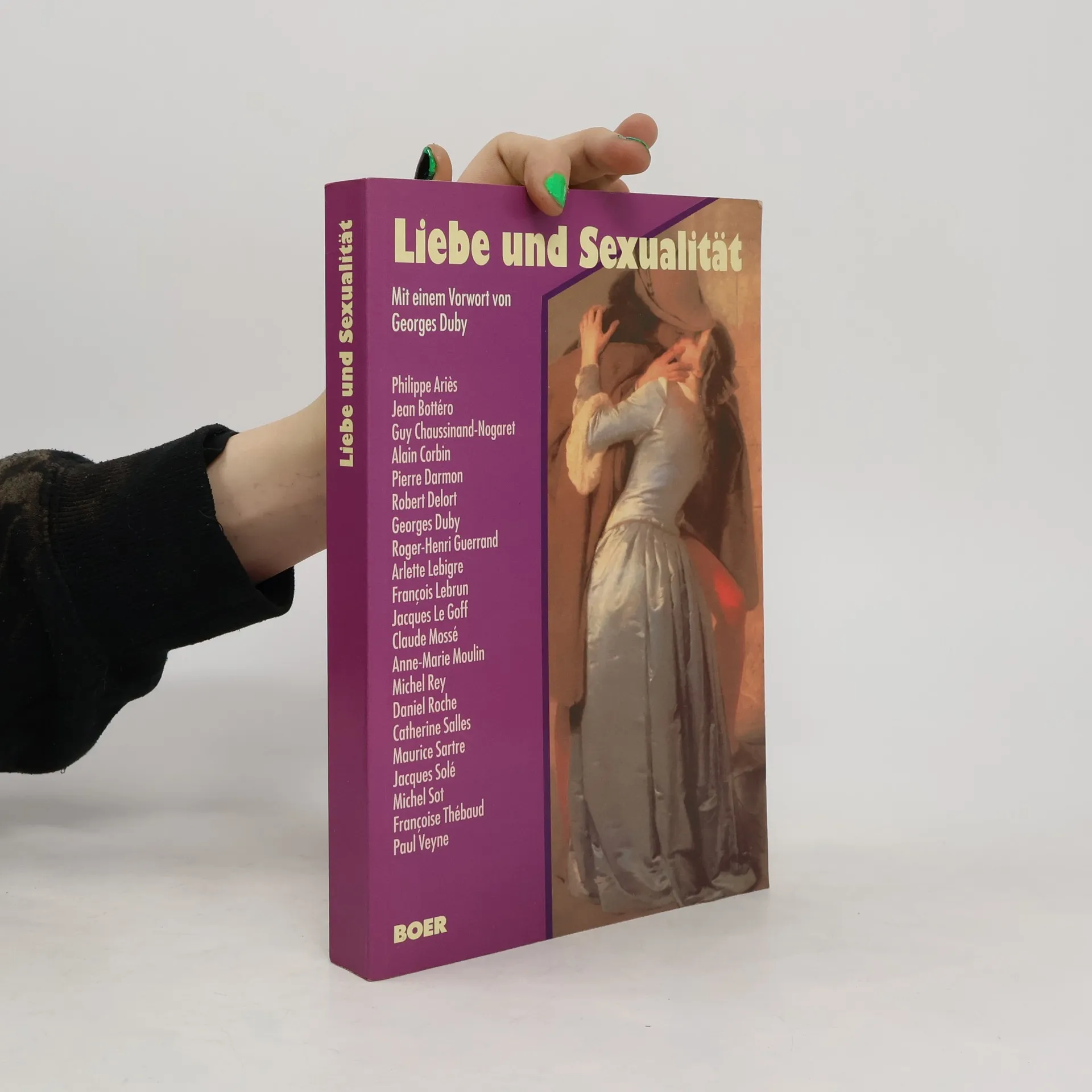
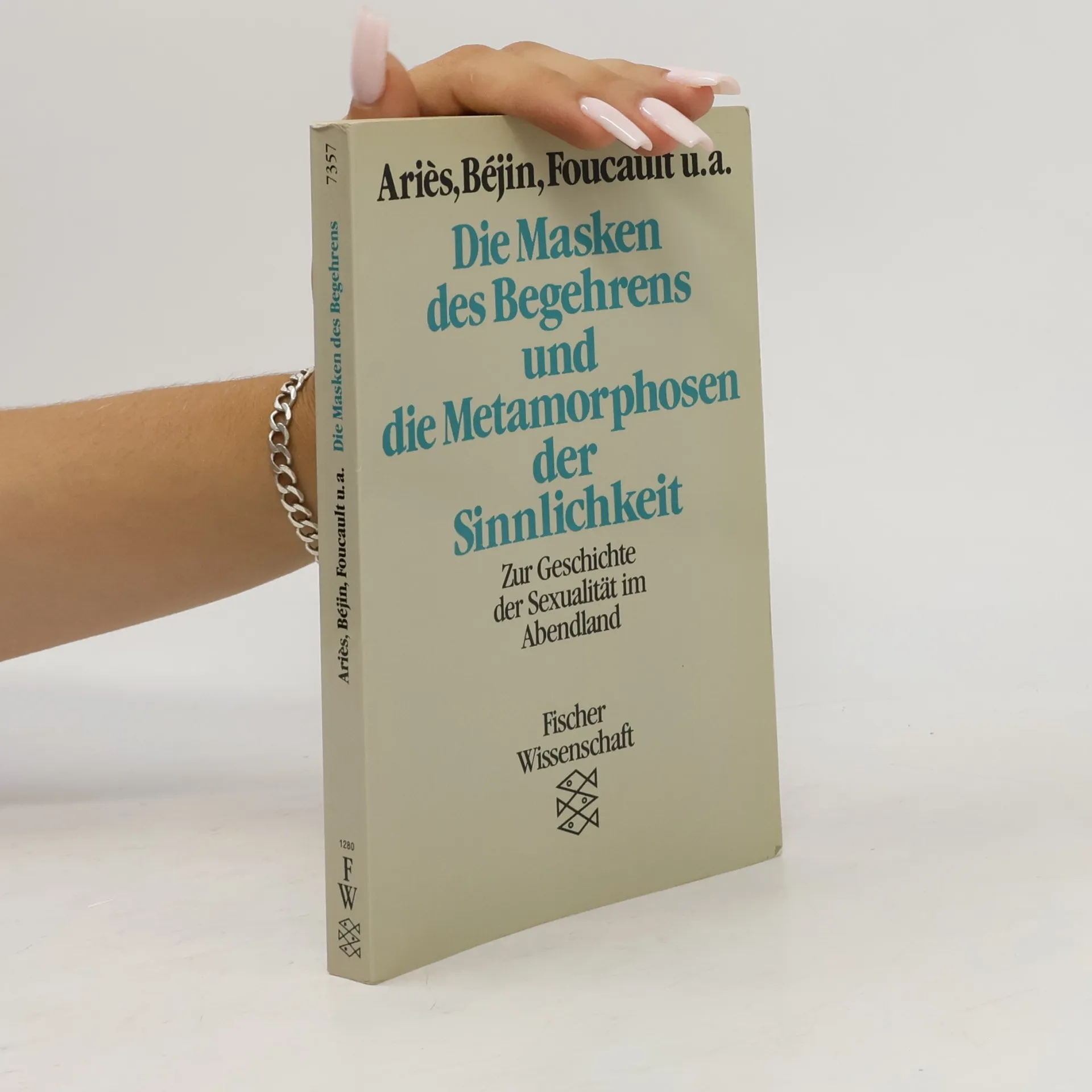
Diese eindrucksvolle Dokumentation, präsentiert von führenden französischen Historikern der »Nouvelle école«, bietet eine Vielzahl von Bildern und geschichtlichen Zeugnissen. Die Themen reichen von den Ursprüngen der Zivilisation bis zu den komplexen Aspekten der Sexualität und Ehe im Laufe der Geschichte. Jean Bottéro eröffnet mit der Erzählung über Babylon, gefolgt von Claude Mossés Betrachtung der Sappho aus Lesbos und Maurice Sartres Analyse der Homosexualität im antiken Griechenland. Paul Veyne beleuchtet die Homosexualität in Rom, während Catherine Salles die Rolle der Prostituierten in der römischen Gesellschaft thematisiert. Jacques Solé beschreibt die Liebe als Passion der Troubadoure und François Lebrun die Anfänge der Geburtenkontrolle. Philippe Ariès und Alain Corbin widmen sich der Empfängnisverhütung und der Faszination des Ehebruchs. Die biblischen Figuren Adam und Eva werden von Bottéro als das erste Paar betrachtet, während Veyne die Ehe im römischen Kontext analysiert. Jacques le Goff thematisiert die Verfemung der Lust, und Michel Sot untersucht die Entstehung der christlichen Ehe. Die Dokumentation behandelt auch die Herausforderungen der Ehe, wie die Prozesse wegen sexueller Impotenz im 17. Jahrhundert und den langen Weg zur Scheidung. Weitere Themen sind die Existenz von Sade, die Syphilis als „amerikanische Krankheit“ und die gesellschaftlichen Ängste rund um Sexualität und Masturbation.
Philippe Ariès Pořadí knih (chronologicky)
Philippe Ariès byl francouzský historik, který se zaměřil na historii rodiny a dětství, a především na proměnu postojů k smrti v západním světě. Sám sebe označoval za „pravicového anarchistu“. Jeho dílo, které často zkoumalo každodenní život, bylo ve své době známější v anglicky mluvícím světě než ve Francii. Je oceňován za to, že uznal dětství jako společenskou konstrukci a založil historii dětství jako vážnou studijní disciplínu. Stejně tak je připomínán pro svou práci o historii postojů k smrti a umírání, které rovněž považoval za společenské konstrukty.


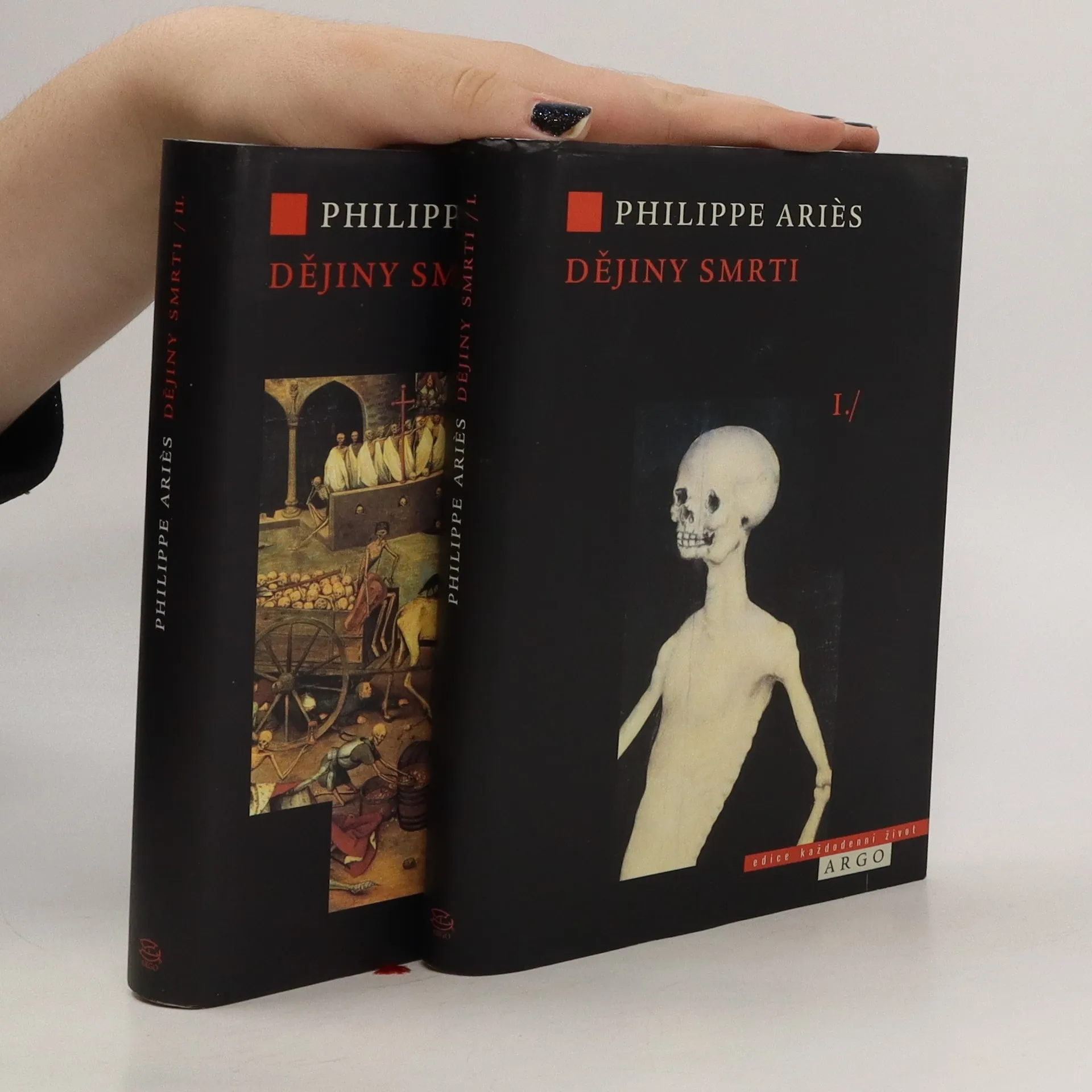


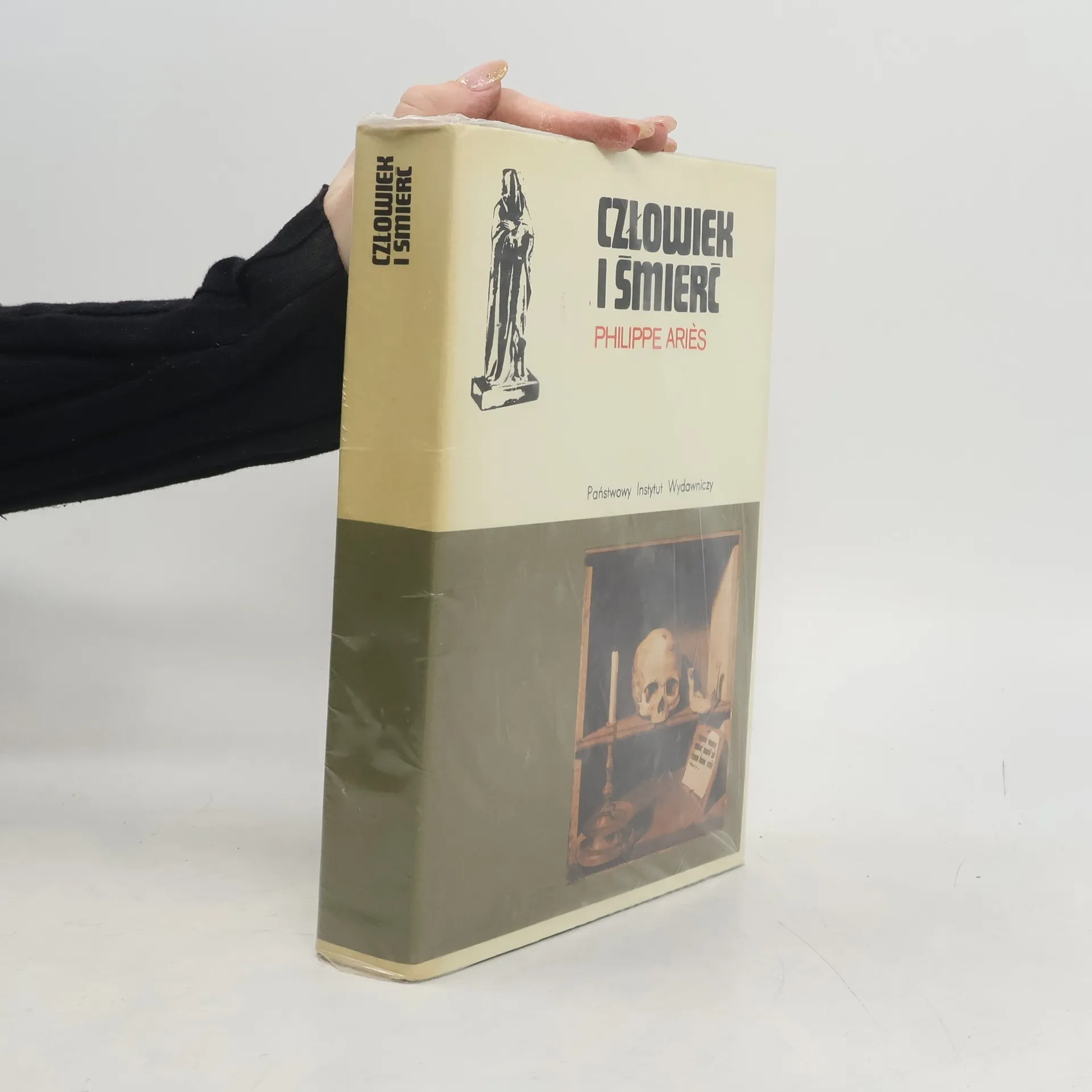
Dějiny smrti I. a II.
- 2 svazky
Dějiny smrti. 2. díl, Zdivočelá smrt
- 410 stránek
- 15 hodin čtení
Druhý a poslední díl pojednání o smrti, umírání a věcech s tím souvisejících tak, jak se měnily v běhu staletí. Oba díly nejsou nijak výrazně ohraničeny zpracovaným časovým údobím. Autor volně pojednal o různých hlediscích smrti, rozčlenil knihu do delších tématických celků, a potom celý spis rozdělil do dvou svazků. Je nesporně zajímavé a přínosné přečíst třeba jen jeden díl – první neztrácí smysl bez druhého a naopak. K získání uceleného pohledu je však třeba prostudovat celé velmi kompaktní dílo.
All the mystery, earthiness and romance of the Middle Ages are captured in this panorama of everyday life. The evolving concepts of intimacy are explored--from the semi-obscure eleventh century through the first stirrings of the Renaissance world in the fifteenth century. Color and black-and-white illustrations.
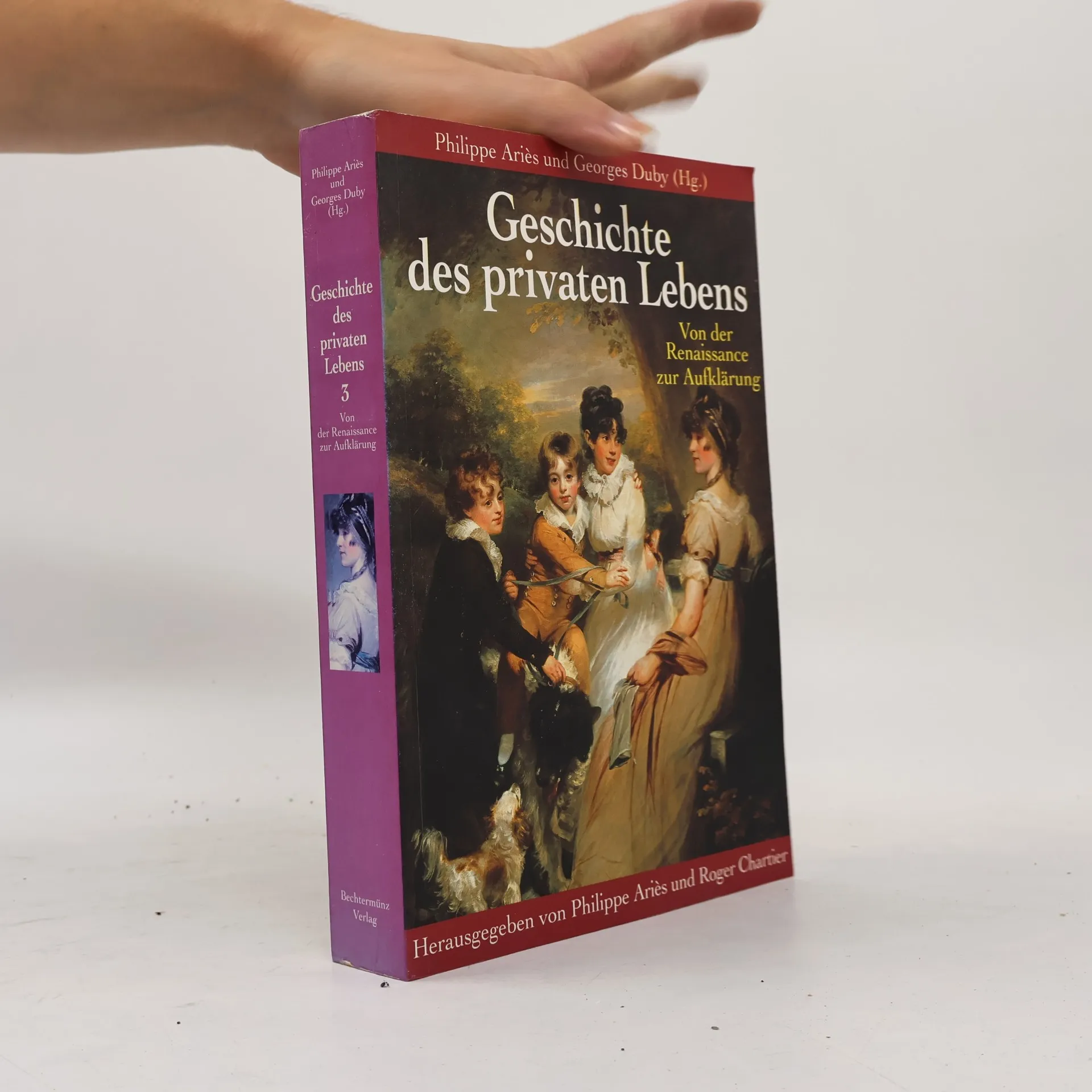
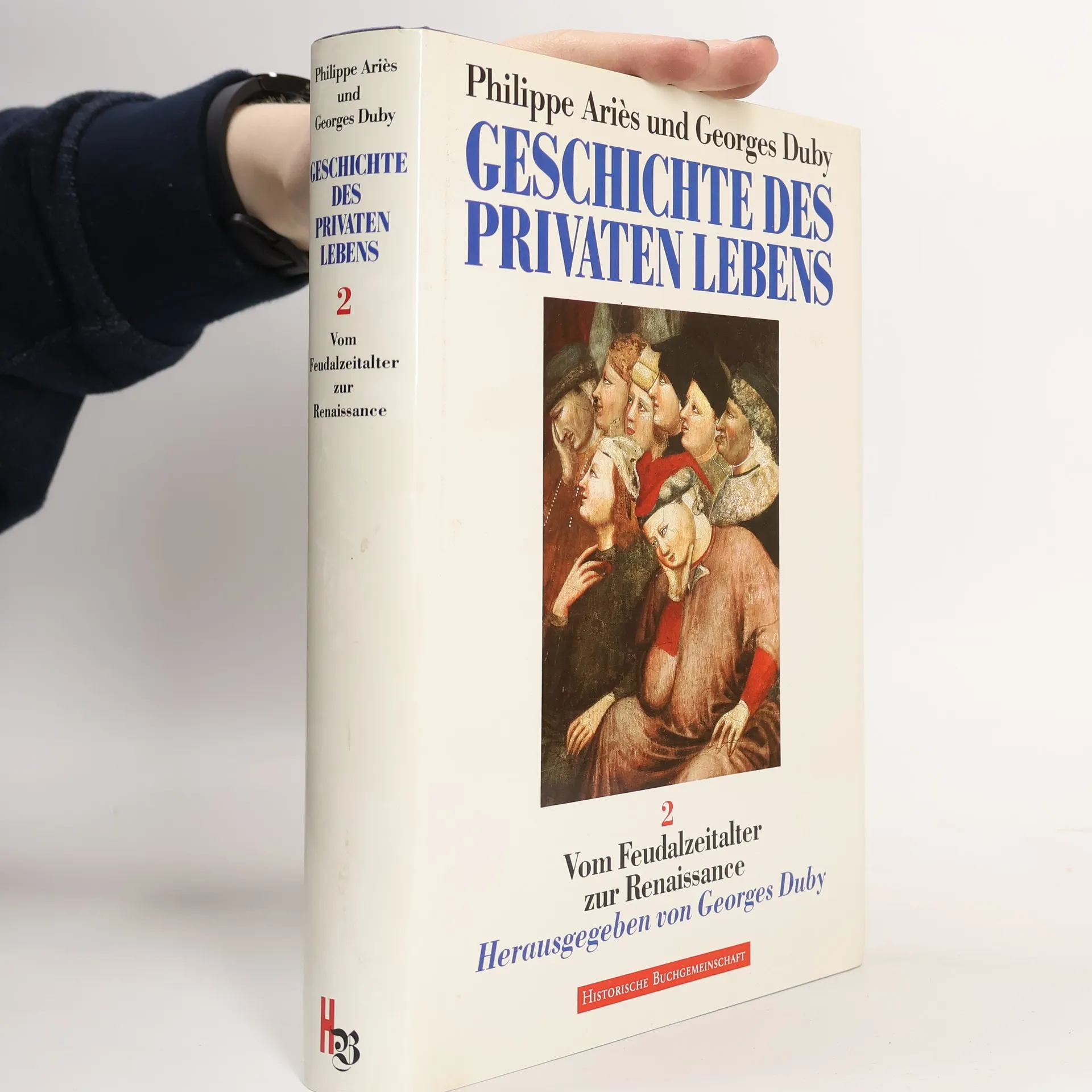
Eine Beschreibung des privaten Lebens im 11. und 12. Jahrhundert, mit besonderer Aufmerksamkeit auf den Zeitraum zwischen 1150 und 1220 in Nordfrankreich und der aristokratischen Gesellschaft. Ein Bild des privaten Lebens der Notabeln der Toskana im 14. und 15. Jahrhundert. Ein Ansatz, im Rahmen einer langen Dauer, der Transformationen des Wohnraums und der Verwirklichung des Individuums, insbesondere in den religiösen Einstellungen und den künstlerischen Ausdrucksformen. Das Imaginäre, durch die Erkundung von Zeugnissen, in der Fiktion, in den literarischen Werken, die zwischen dem 12. und 15. Jahrhundert entstanden.
Saint-Pierre oder die Süsse des Lebens
- 90 stránek
- 4 hodiny čtení
Geschichte des privaten Lebens
- 5 svazků
»Privates Leben ist keine Naturtatsache; es ist geschichtliche Wirklichkeit, die von den einzelnen Gesellschaften in unterschiedlicher Weise konstruiert wird. Es gibt nicht das private Leben mit ein für allemal festgelegten Schranken nach außen; was es gibt, ist die - selber veränderliche - Zuschreibung menschlichen Handelns zur privaten oder zur öffentlichen Sphäre. ... Die Geschichte des privaten Lebens beginnt mit der Geschichte seiner Markierungen.« Antoine Prost »Diese große, eindrucksvolle Unternehmung wird man einmal zu den fortdauernden Werken der Historiographie in unserer Zeit zählen.« "Times Literary Supplement"
Batı'da Aşk ve Cinsellik
- 355 stránek
- 13 hodin čtení
Annales geleneğinin önemli temsilcilerinden tarihçi Georges Duby’nin derlediği Batı’da Aşk ve Cinsellik, cinsiyetler arası ilişkiler eşcinsellik, boşanma, doğum kontrolü, zina gibi birçok kavramın tarih boyunca geçirdiği değişimleri farklı yönleriyle incelerken, tarih yazımına da yeni bir soluk kazandırıyor. 23 makaleden oluşan kitap, titiz araştırmalara dayanarak Sümer Tanrıçası İnanna’dan Lesboslu Sappho’ya, Megaralı şair Theognis’ten Aziz Hieranymus’a önemli figürleri en özel yönleriyle tanıtırken Antik Mısır’dan günümüze uzanarak binlerce yıllık toplumsal değişimi aşk ve cinsellik ekseninde sunuyor. “Pek çok kişinin ağzını hayretten açık bırakan bir hızla, gözlerimizin önünde, yüzyıllardır cinsiyetler arasındaki ilişkileri düzenlemek için kurulmuş olan tüm çatılar çöküverdi. Yasaklar ortadan kalktı. Bedenler çıplaklaştı. Bazı sözleri duyunca kızarmamaya alıştık. (...) Bu devrim, kuşaklar boyunca ekonomi ya da kültürde görülen tüm değişikliklerden daha temel, daha derindi; yine devrim diye adlandırdığımız diğer sarsıntılar, bunun yanında yüzeysel ve geçici kalıyordu; işte bu devrim, insanoğlunun başlangıcından bu yana kurulmuş düzenleri ortadan kaldırarak, erkeklerle kadınlar arasındaki rol ve iktidar dağılımını tepeden tırnağa değiştirdi.” GEORGES DUBY
Geschichte des privaten Lebens 2
Vom Feudalzeitalter zur Renaissance
Ein Sonntagshistoriker
- 201 stránek
- 8 hodin čtení
A History of Private Life: From pagan Rome to Byzantium
- 704 stránek
- 25 hodin čtení
First of the widely celebrated and sumptuously illustrated series, this book reveals in intimate detail what life was really like in the ancient world. Behind the vast panorama of the pagan Roman empire, the reader discovers the intimate daily lives of citizens and slaves--from concepts of manhood and sexuality to marriage and the family, the roles of women, chastity and contraception, techniques of childbirth, homosexuality, religion, the meaning of virtue, and the separation of private and public spaces.The emergence of Christianity in the West and the triumph of Christian morality with its emphasis on abstinence, celibacy, and austerity is startlingly contrasted with the profane and undisciplined private life of the Byzantine Empire. Using illuminating motifs, the authors weave a rich, colorful fabric ornamented with the results of new research and the broad interpretations that only masters of the subject can provide.
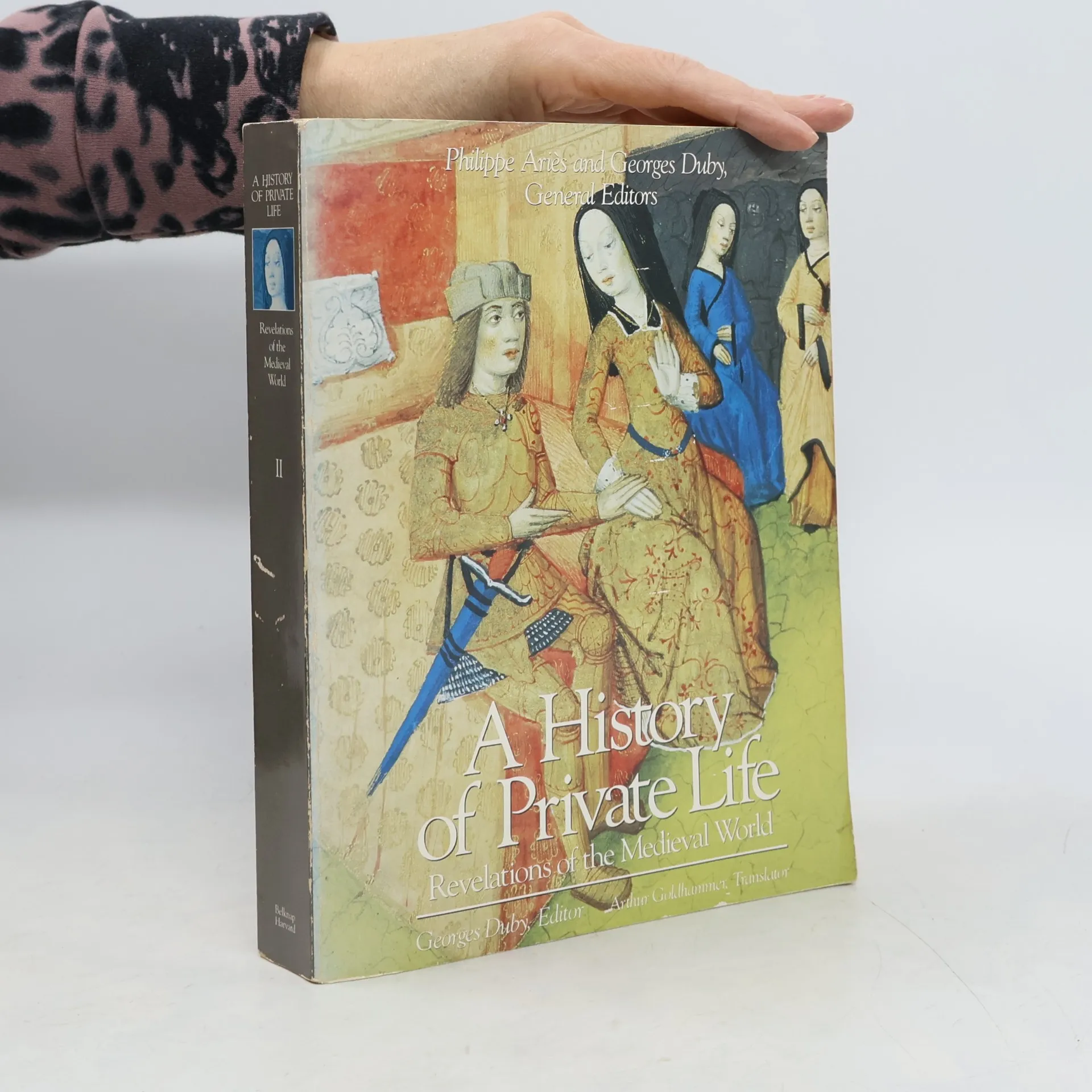
A history of private life II.
Revelations of the Medieval World
The second volume of A History of Private Life is a treasure-trove of rich and colorful detail culled from an astounding variety of sources. This absorbing "secret epic" constructs a vivid picture of peasant and patrician life in the eleventh to fifteenth centuries. All the mystery, earthiness and romance of the Middle Ages are captured in this panorama of everyday life. The evolving concepts of intimacy are explored--from the semi-obscure eleventh century through the first stirrings of the Renaissance world in the fifteenth century. Color and black-and-white illustrations
Zeit und Geschichte
- 265 stránek
- 10 hodin čtení
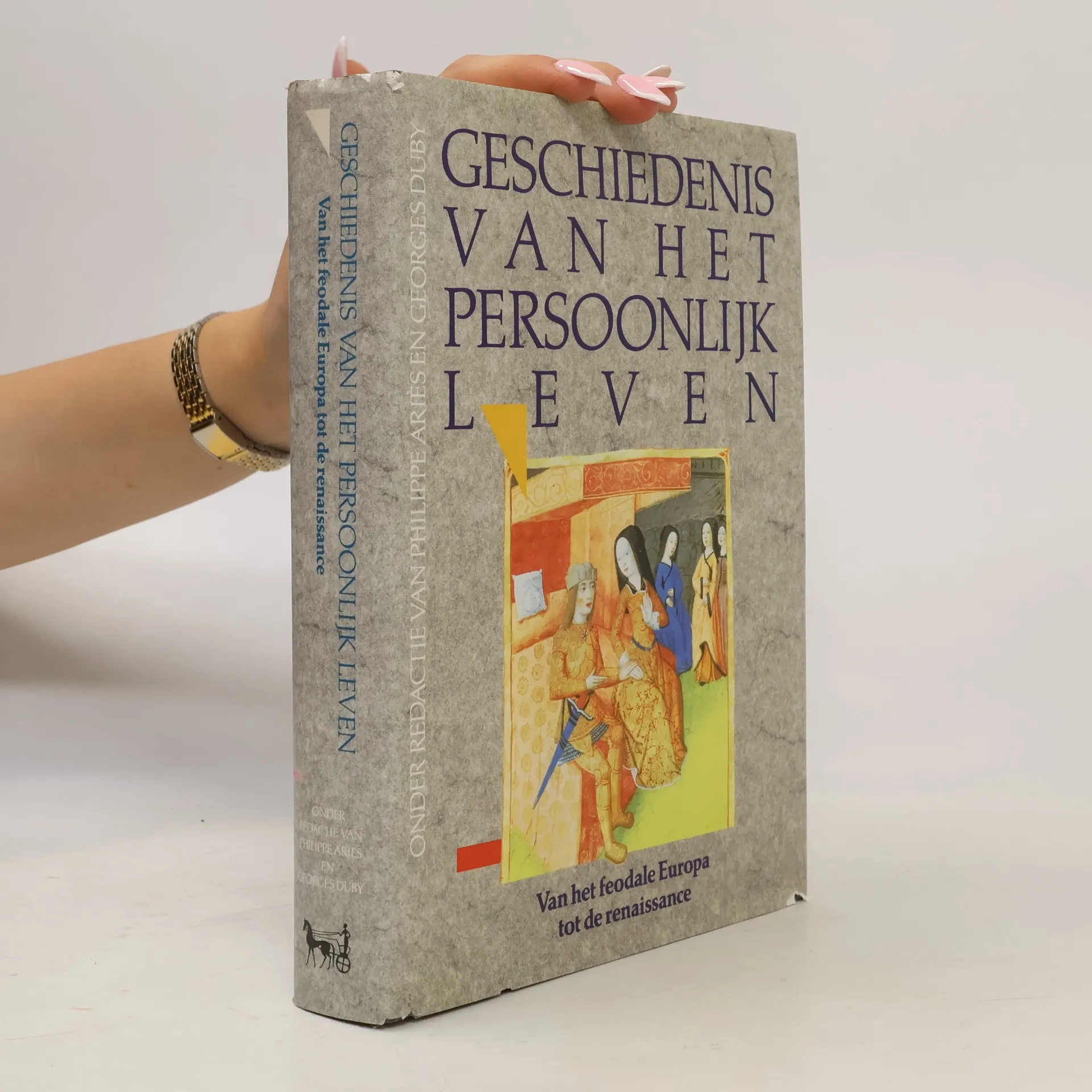
Van het Romeinse Rijk tot het jaar duizend
- 526 stránek
- 19 hodin čtení
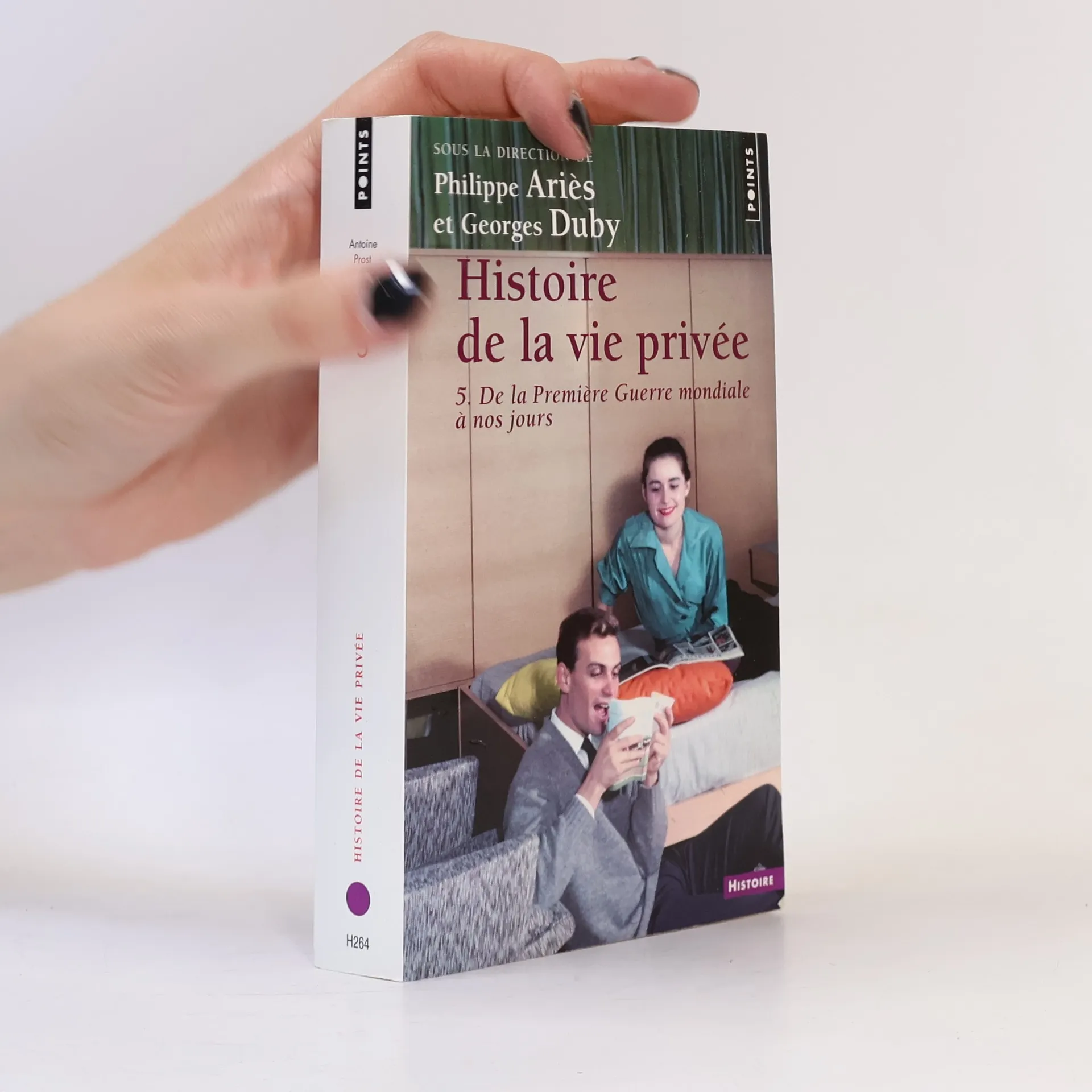
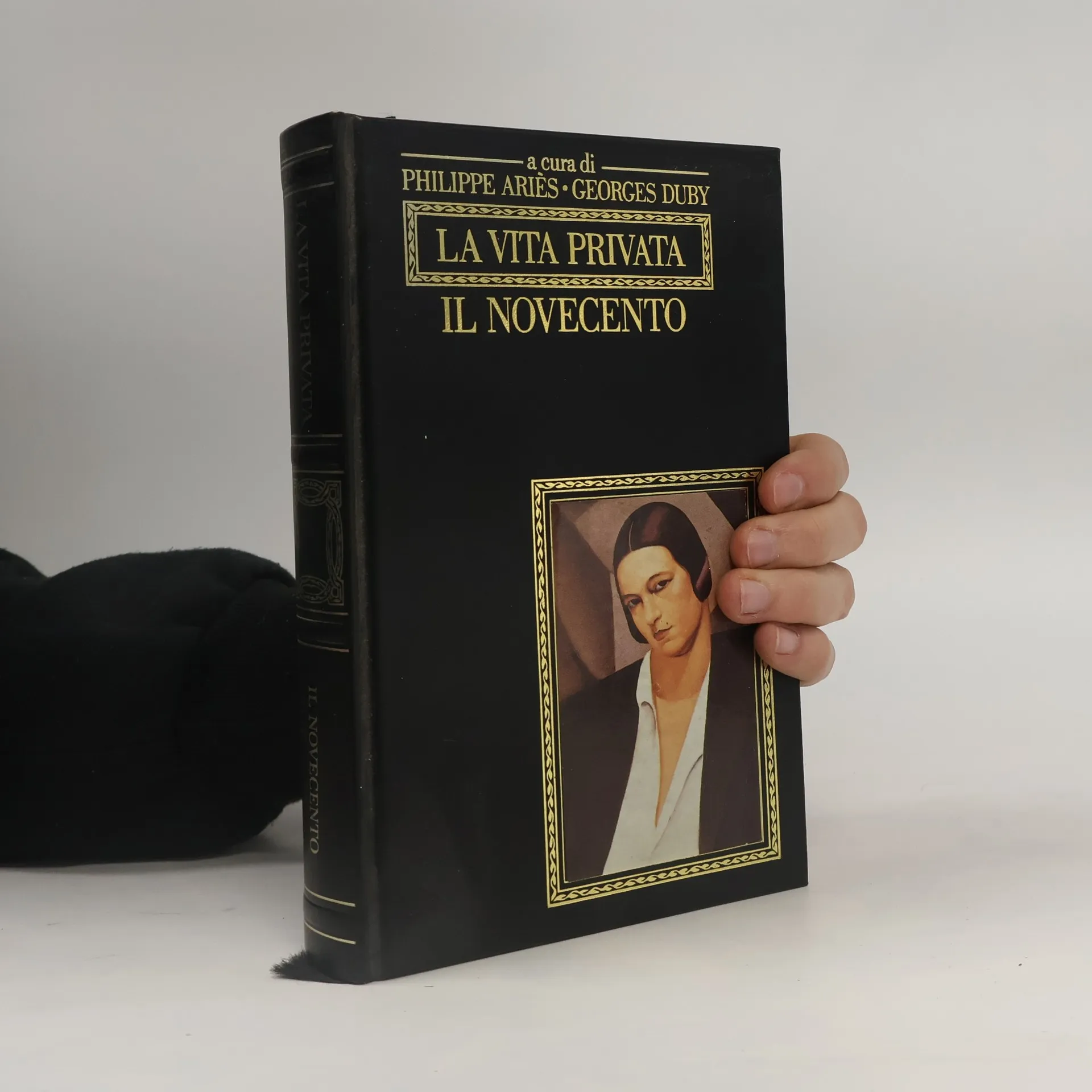
This final volume of a standard work on private life in Western civilization spans from Greco-Roman times to the present. Initially planned by Phillipe Ariès and Georges Duby, it was first published in France in 1987. Editors Prost and Vincent expanded this English edition to include sections on Italian, German, and American families, enhancing its comprehensiveness. The central theme of this volume is personal identity, explored in contexts similar to previous volumes: in workplaces and cities where private property and activities face state control; in homes and families where even sexual matters are increasingly public; and in intermediary groups like churches or political parties, where personal dramas unfold amid cultural diversity. As highlighted in Duby's foreword to the first volume, the work offers an in-depth analysis of the evolution of personality as both concept and reality in the Western world. Now complete in both French and English, it pays tribute to the Annales approach of examining structural changes over extended periods and honors the late historian Ariès, whose framework influenced Duby and the other editors.
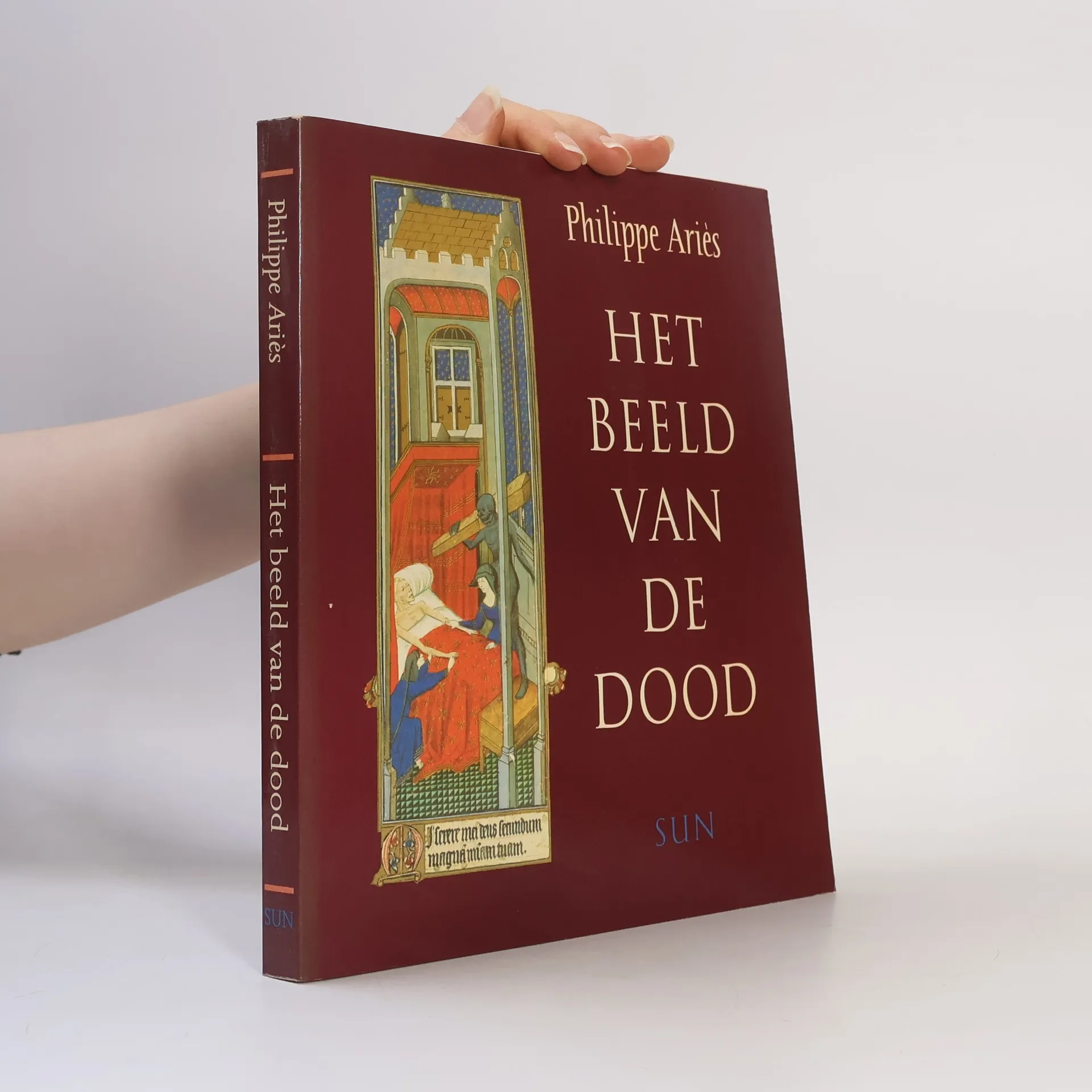
Het beeld van de dood
- 240 stránek
- 9 hodin čtení
Philippe Ariès is een van de grote geschiedschrijvers van de beleving van dood en vergankelijkheid. In 'Het beeld van de dood' heeft hij met superieure hand zijn studies op dit terrein samengevat, in woord én beeld. Hij roept de wisselende belevingen van onze verhouding met de dood op aan de hand van de beeldende kunst: de grafkunst in de kerken tot in de achttiende eeuw, de religieuze en profane schilderkunst en grafiek, de kerkhofkunst van de negentiende eeuw. De beeldende kunst is de meest rechtstreekse uitdrukking van hoop en vrees, van verwachting en wanhoop, van het niets of van het voortleven dat op de dood volgt, van aanvaarding en ontroostbaarheid. De schone slapers van de Middeleeuwen, de kadavers en skeletten vanaf de vijftiende eeuw, de Vanitas-pedagogiek van de Renaissance en Barok, de schilderingen van hel, hemel en vagevuur, de barokke praalgraven, de familietaferelen en de liefdesdood van de Romantiek: ze markeren de scherpe wendingen in onze sensibiliteit voor leven, dood en voortleven.
All the mystery, earthiness and romance of the Middle Ages are captured in this panorama of everyday life. The evolving concepts of intimacy are explored--from the semi-obscure eleventh century through the first stirrings of the Renaissance world in the fifteenth century. Color and black-and-white illustrations.
A History of Private Life IV. From the Fires of Revolution to the Great War
- 754 stránek
- 27 hodin čtení
The nineteenth century was the golden age of private life, a time when the tentative self-consciousness of the Renaissance and earlier eras took recognizable form, and the supreme individual, with a political, scientific, and above all existential value, emerged. Volume IV of this award-winning series chronicles this development from the tumult of the French Revolution to the outbreak of World War I--a century and a quarter of rapid, ungovernable change culminating in a conflict that, at a stroke, altered life in the Western world.
Elf international anerkannte Wissenschaftler gehen in diesem Band der Wechselreden zwischen kulturellen Mentalitäten und sexuellen Verhaltensstilen im Abendland nach, und zwar unter vier Fragestellungen: 1. Ursprung des europäischen "Modells" der Ehe, 2. Bedeutung der Unterscheidung zwischen ehelicher und außerehelicher Liebe, 3. Rolle der Autoerotik, 4. Homosexualität und Männlichkeitsbild. Diese für das Verständnis der Entwicklungsgeschichte der Sexualität im Abendland entscheidenden Themen werden in ihren jeweiligen historischen und sozialen Zusammenhängen, in ihrem offenen oder insgeheimen Einfluß auf die gesellschaftliche Definition von Sitte, Keuschheit, Exzeß und sinnlicher Leidenschaft dargestellt – sechzehn Innenansichten des Zivilisationsprozesses.
Der vorliegende Bildband behebt den einzigen Nachteil von Ariès' wegweisender Studie zur Geschichte des Todes, denn er liefert die Ikonographie zu den kulturgeschichtlichen Entwicklungen, die sich aus den Dokumenten von mehr als tausend Jahren erschließen lassen. Der Tod im Bild - Friedhöfe und Gräber, Grabschmuck und -architektur.
Met het oog op de dood
westerse opvattingen over de dood, van de middeleeuwen tot heden
- 119 stránek
- 5 hodin čtení
Een reeks voordrachten over de veranderende opvattingen over de dood in de loop der tijden.
Dějiny smrti
- 764 stránek
- 27 hodin čtení
Dějiny smrti jsou vrcholným dílem moderní francouzské historiografie, které Philippe Aries vytvořil po dvacetiletém shromažďování různých pramenů. Tato fascinující studie zkoumá vztah člověka k smrti, formovaný na rozhraní antického a křesťanského světa a přetrvávající do 19. století. Aries detailně zachytil historické proměny evropské mentality ohledně umírání, přičemž se zaměřil na pohřební rituály, vznik hřbitovů, vztah k mrtvému tělu a lékařské přístupy ke smrti. V duchu školy Annales se věnoval posledním okamžikům života jak u panovníků a aristokracie, tak u měšťanů a venkovanů. Důležitým zdrojem pro jeho analýzu byly testamenty a memoárová literatura. Vzhledem k tomu, že v křesťanském světě smrtí život nekončí, Aries se systematicky dotýká dobových názorů na posmrtný život, včetně posledního soudu a naděje na spásu. Ačkoli se kniha nejvíce soustředí na středověk a raný novověk, zahrnuje i úvahy o moderním pojetí smrti. Srovnání předmoderních a současných představ ukazuje na odindividuálnění smrti a její marginalizaci ve společnosti. Čtení Dějin smrti nás nutí zamyslet se nad podstatou lidského života a ztrátou úcty k jeho bolestné podobě, což se v kontextu pandemie stává ještě aktuálnějším.
Western Attitudes toward Death
- 128 stránek
- 5 hodin čtení
AriA]s traces Western man's attitudes toward mortality from the early medieval conception of death as the familiar collective destiny of the human race to the modern tendency, so pronounced in industrial societies, to hide death as if it were an embarrassing family secret. -- Newsweek
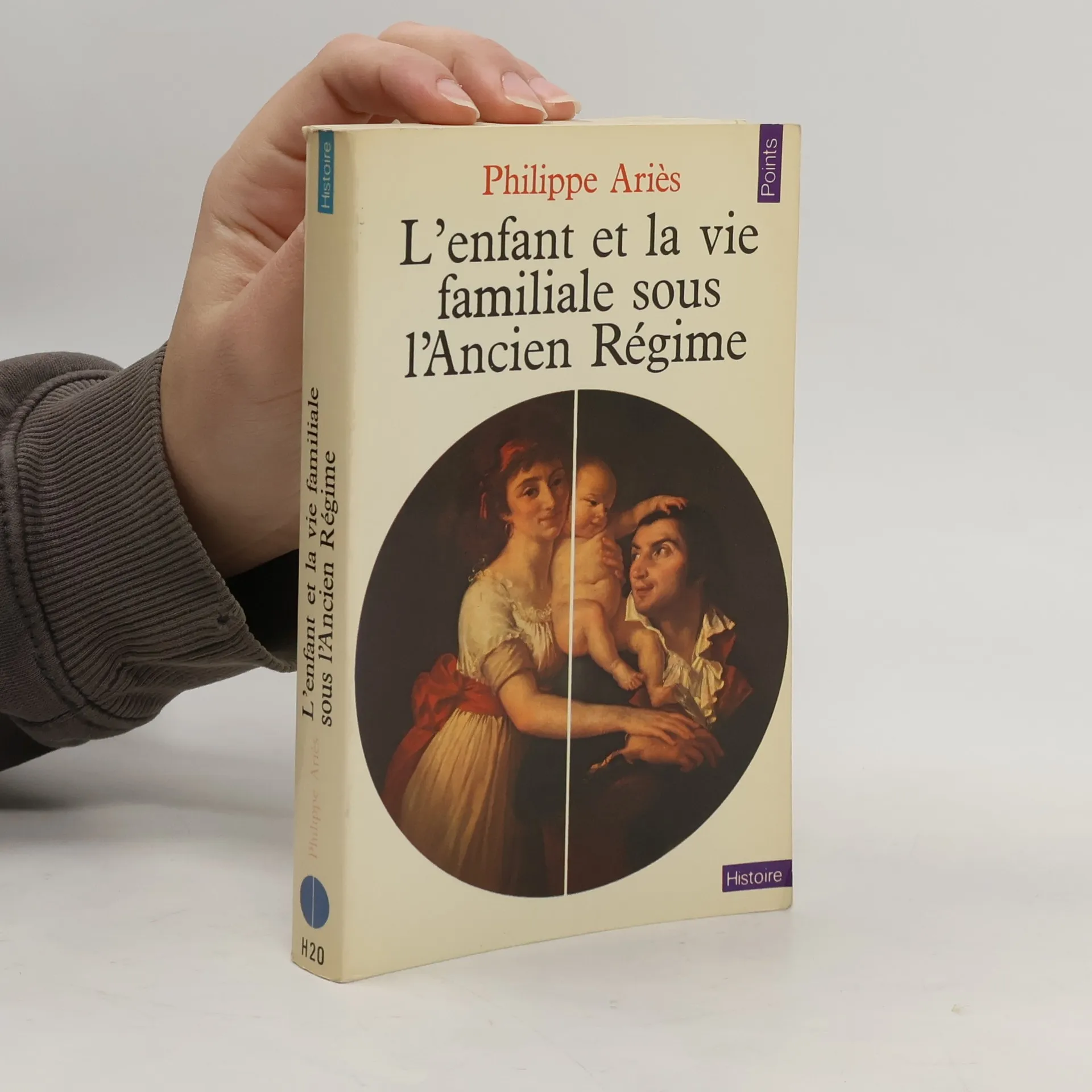
Points Histoire: L'enfant et la vie familiale sous l'Ancien Régime
- 316 stránek
- 12 hodin čtení
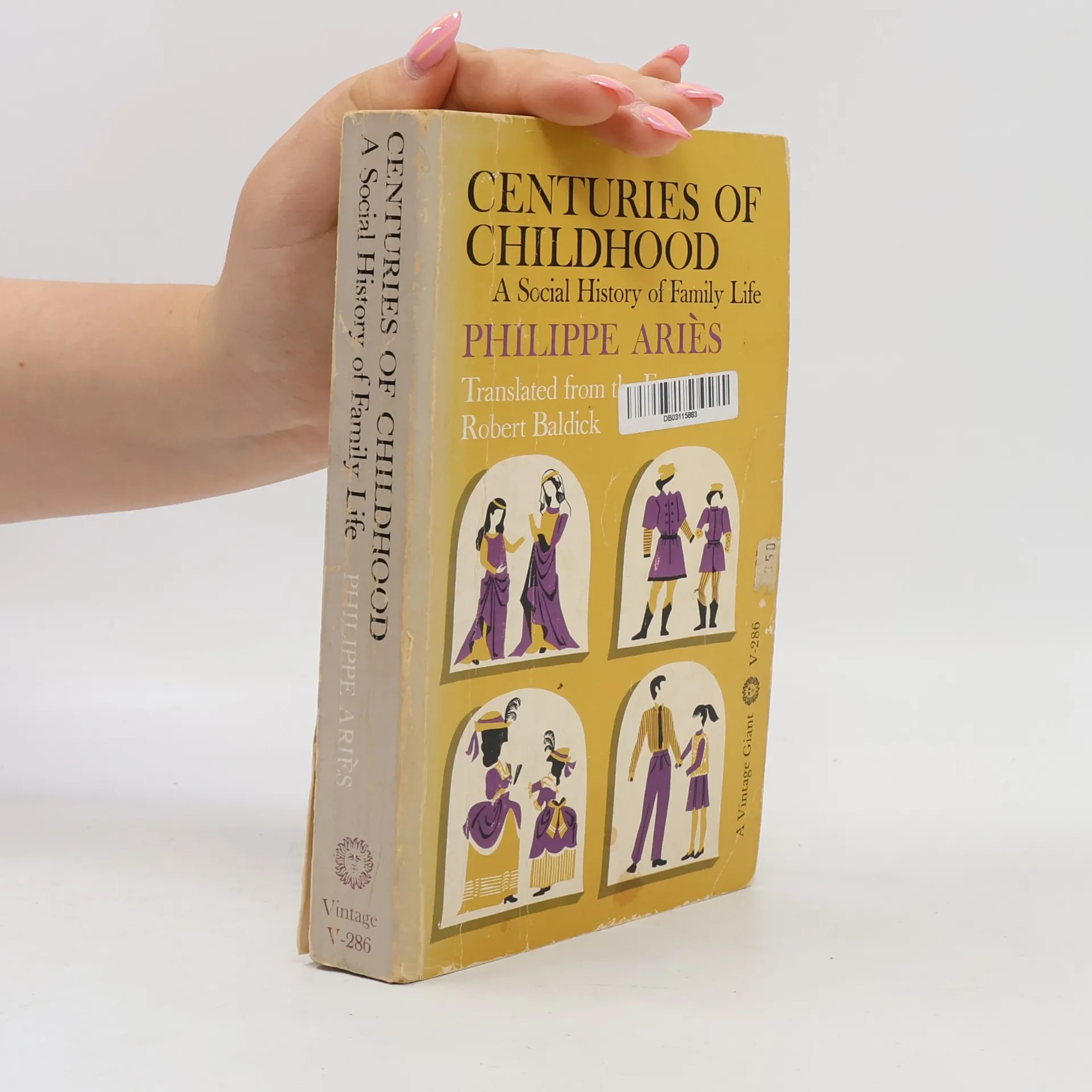
Philippe Aries (1914-1984), jeden z najwybitniejszych w XX wieku francuskich mediewistów, był "odkrywcą dziecka" jako tematu badań historycznych. Niniejsza książka, opublikowana w 1960 roku, stanowi właśnie pionierskie dzieło w tej dziedzinie, kanon, do którego nadal odwołują się zarówno historycy, jak i socjologowie. Dzieciństwo bowiem, jak wynika z badań autora, nie jest "naturalną" formą biologiczną, lecz konstrukcją społeczną dość nie-dawnego pochodzenia. Średniowiecze nie znało jeszcze dzieciństwa ani wieku młodzieńcze-go, bo życie rodzinne we współczesnym sensie - oparte na intymności i uczuciach - pojawiło się dopiero w późniejszych stuleciach. Tę tyleż słynną, co radykalną i kontrowersyjną tezę autor uzasadnia na fascynującym materiale historycznym i ikonograficznym. "Odkrycie" dziecka miało istotne konsekwencje cywilizacyjne: lawinowy rozwój edukacji. Lektura książki jest przy tym pouczająca i pocieszająca, gdyż okazuje się, że to, co dziś uważamy za prze-jawy prymitywizmu - brak więzi uczuciowej z dzieckiem i swoisty "kolektywizm" życia rodzinnego - nie zawsze wynika z ułomności ludzkiej natury, lecz ma swoją historię, my zaś żyjemy w szczęśliwych czasach odzyskanego - lub pozyskanego - dzieciństwa.