

Více o knize
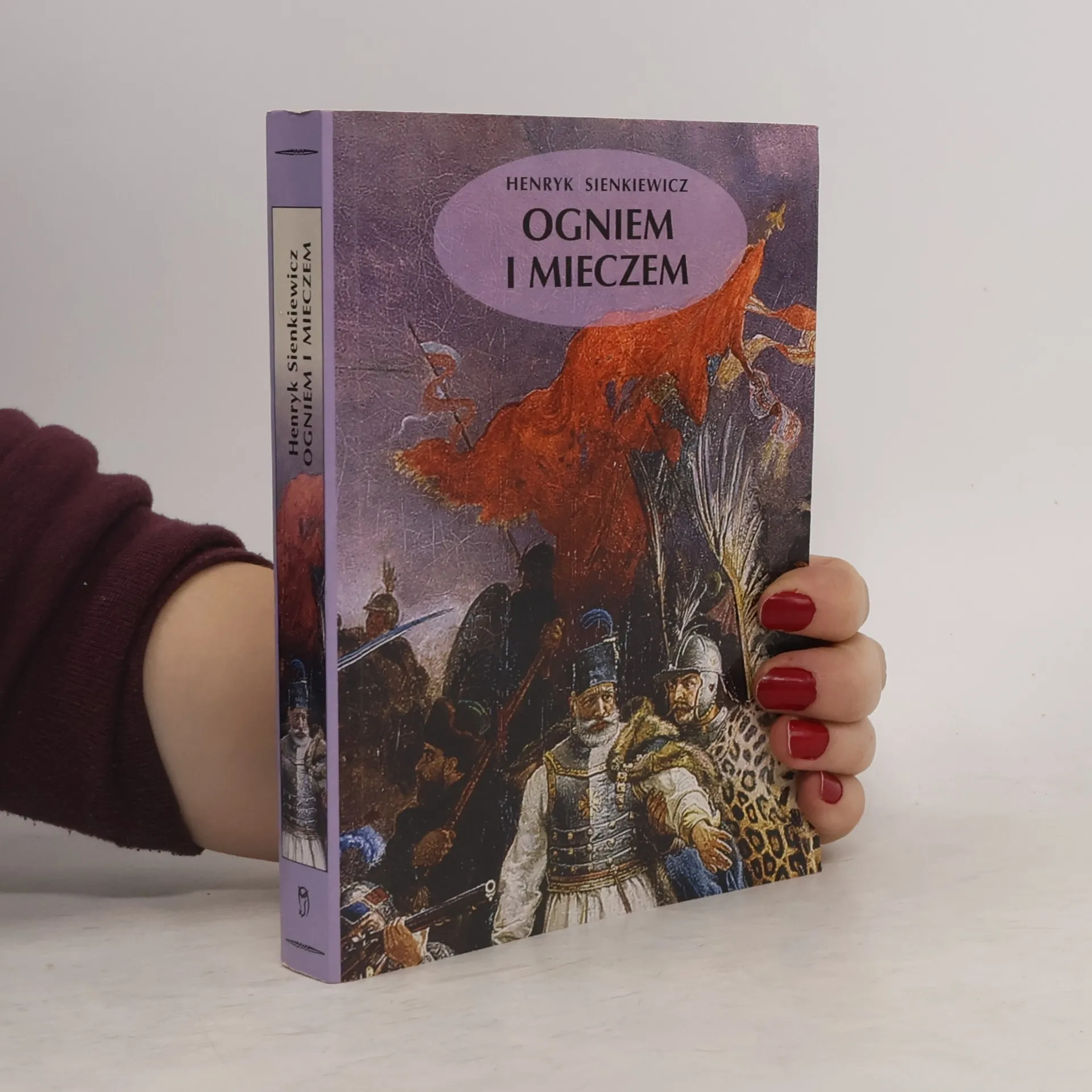
Ogniem i mieczem jest pierwszą powieścią historyczną cyklu zwanego Trylogią, w skład którego wchodzą także Potop i Pan Wołodyjowski. Jej akcja rozgrywa się w latach 1648-1651 w czasie powstania Chmielnickiego na Ukrainie. Dramatyczne wydarzenia historyczne z dziejów Rzeczypospolitej przeplatają się z losami bohaterów powołanych do życia przez Henryka Sienkiewicza: Jana Skrzetuskiego, Heleny Kurcewiczówny, Jana Onufrego Zagłoby, Longinusa Podbipięty czy Jurko Bohuna. Dzięki geniuszowi autora, postacie stały się w odczuciu czytelników autentyczne, a ich pasjonujące losy znalazły ważne miejsce w świadomości narodowej Polaków. Ogniem i mieczem, wydane w 1884 roku, odegrało ogromną rolę w kształtowaniu się postaw patriotycznych w końcowym okresie zaborów, a co za tym idzie w odrodzeniu się niepodległej Polski.





Nákup knihy
Ogniem i Mieczem, Henryk Sienkiewicz
- Jazyk

- Rok vydání
- Vazba
- (pevná),
- Stav knihy
- Dobrá
- Cena
- 189 Kč
Doručení
Platební metody
Tady nám chybí tvá recenze.
- Titul
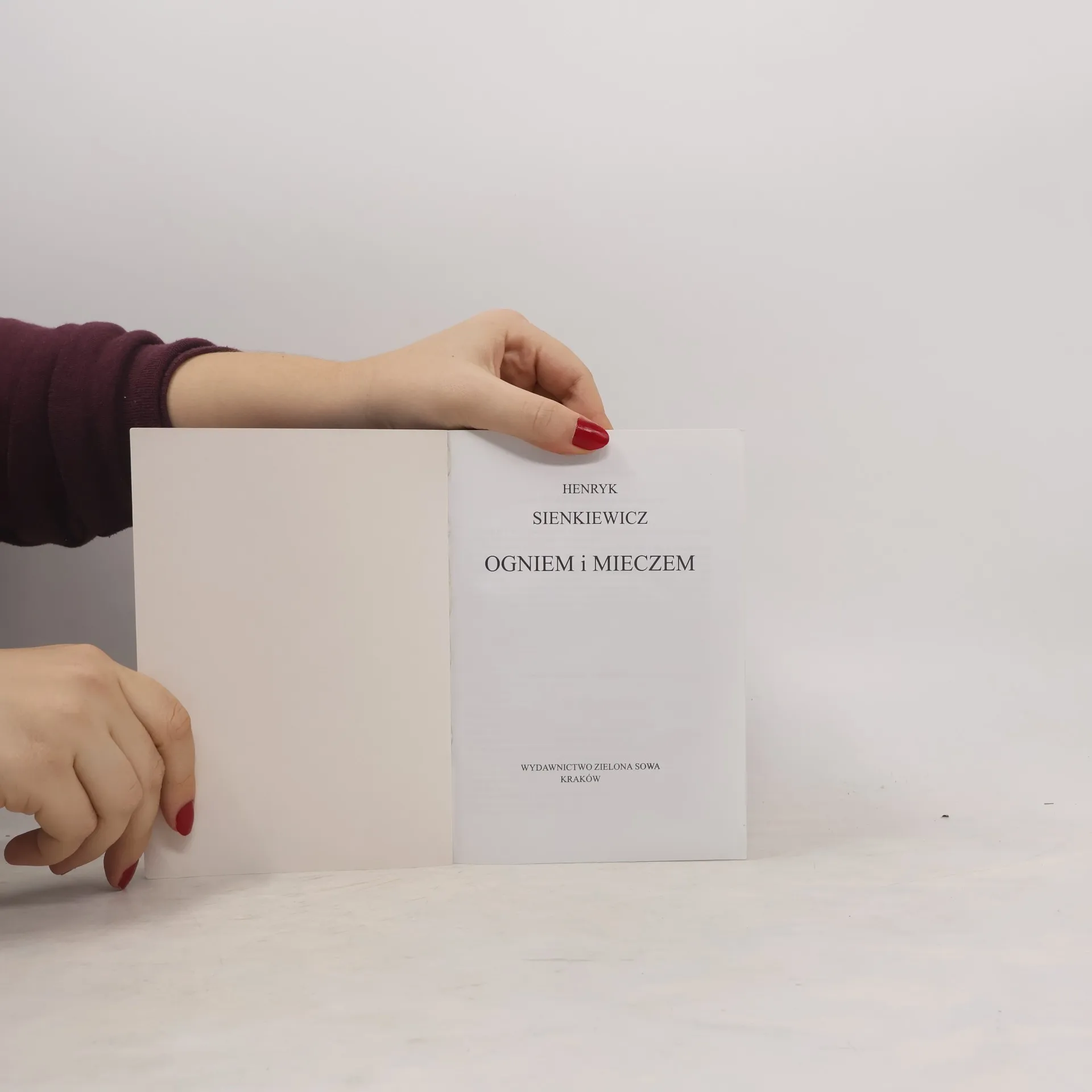
- Ogniem i Mieczem
- Jazyk
- polsky
- Autoři
- Henryk Sienkiewicz
- Vydavatel
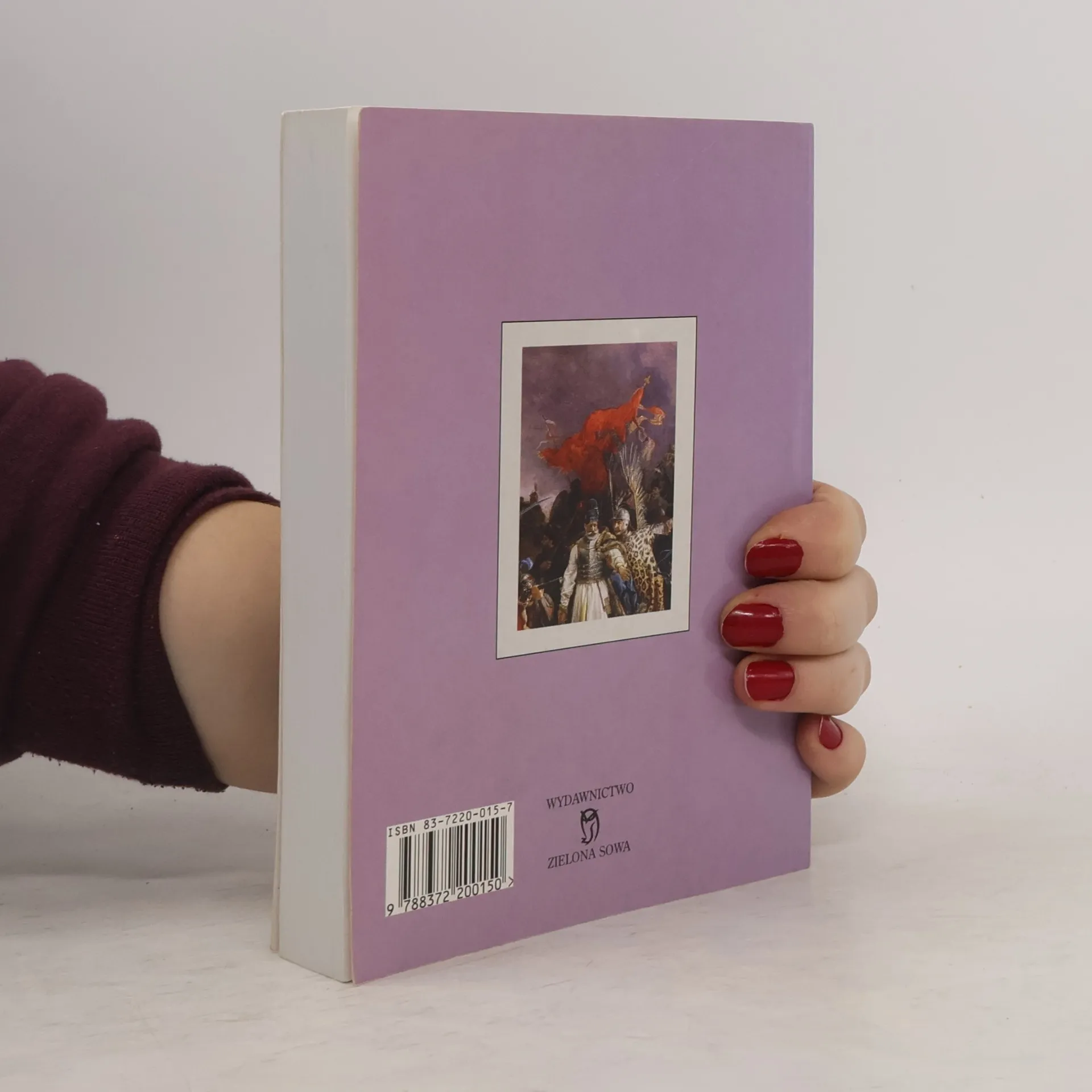
- Zielona Sowa
- Vazba
- pevná
- ISBN10
- 8372200157
- ISBN13
- 9788372200150
- Série
- Štítky
- Dobrodružství, Láska, Války, Zfilmováno, Polská literatura, Polsko, 17. století, Oheň, Litva, Kozáci, Polské romány
- První vydání
- 1884
- Původní název
- Ogniem i mieczem
- Hodnocení
- 4,55 z 5
- Anotace
- Ogniem i mieczem jest pierwszą powieścią historyczną cyklu zwanego Trylogią, w skład którego wchodzą także Potop i Pan Wołodyjowski. Jej akcja rozgrywa się w latach 1648-1651 w czasie powstania Chmielnickiego na Ukrainie. Dramatyczne wydarzenia historyczne z dziejów Rzeczypospolitej przeplatają się z losami bohaterów powołanych do życia przez Henryka Sienkiewicza: Jana Skrzetuskiego, Heleny Kurcewiczówny, Jana Onufrego Zagłoby, Longinusa Podbipięty czy Jurko Bohuna. Dzięki geniuszowi autora, postacie stały się w odczuciu czytelników autentyczne, a ich pasjonujące losy znalazły ważne miejsce w świadomości narodowej Polaków. Ogniem i mieczem, wydane w 1884 roku, odegrało ogromną rolę w kształtowaniu się postaw patriotycznych w końcowym okresie zaborów, a co za tym idzie w odrodzeniu się niepodległej Polski.