

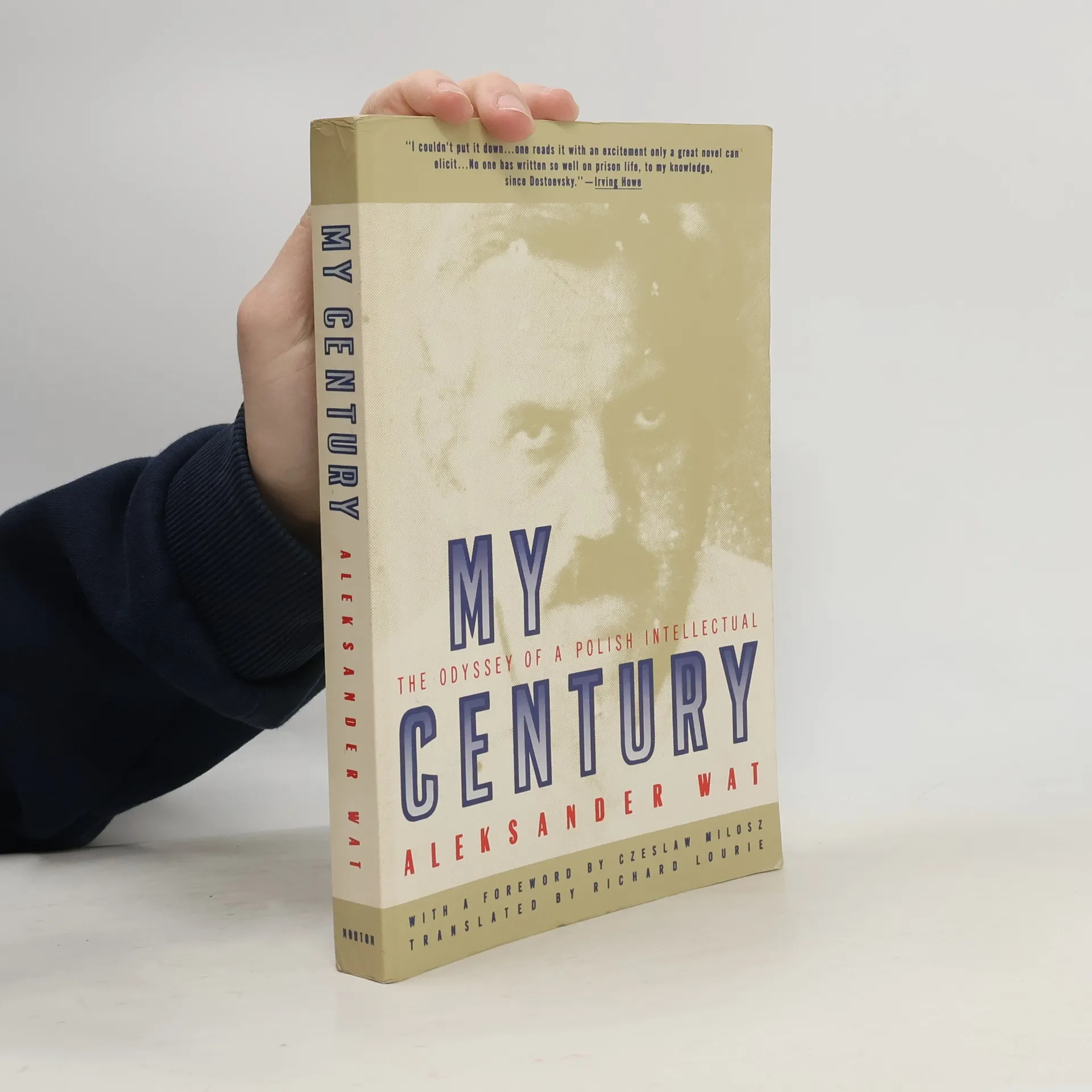
My Century
The Odyssey of a Polish Intellectual
Hodnocení knihy
Více o knize
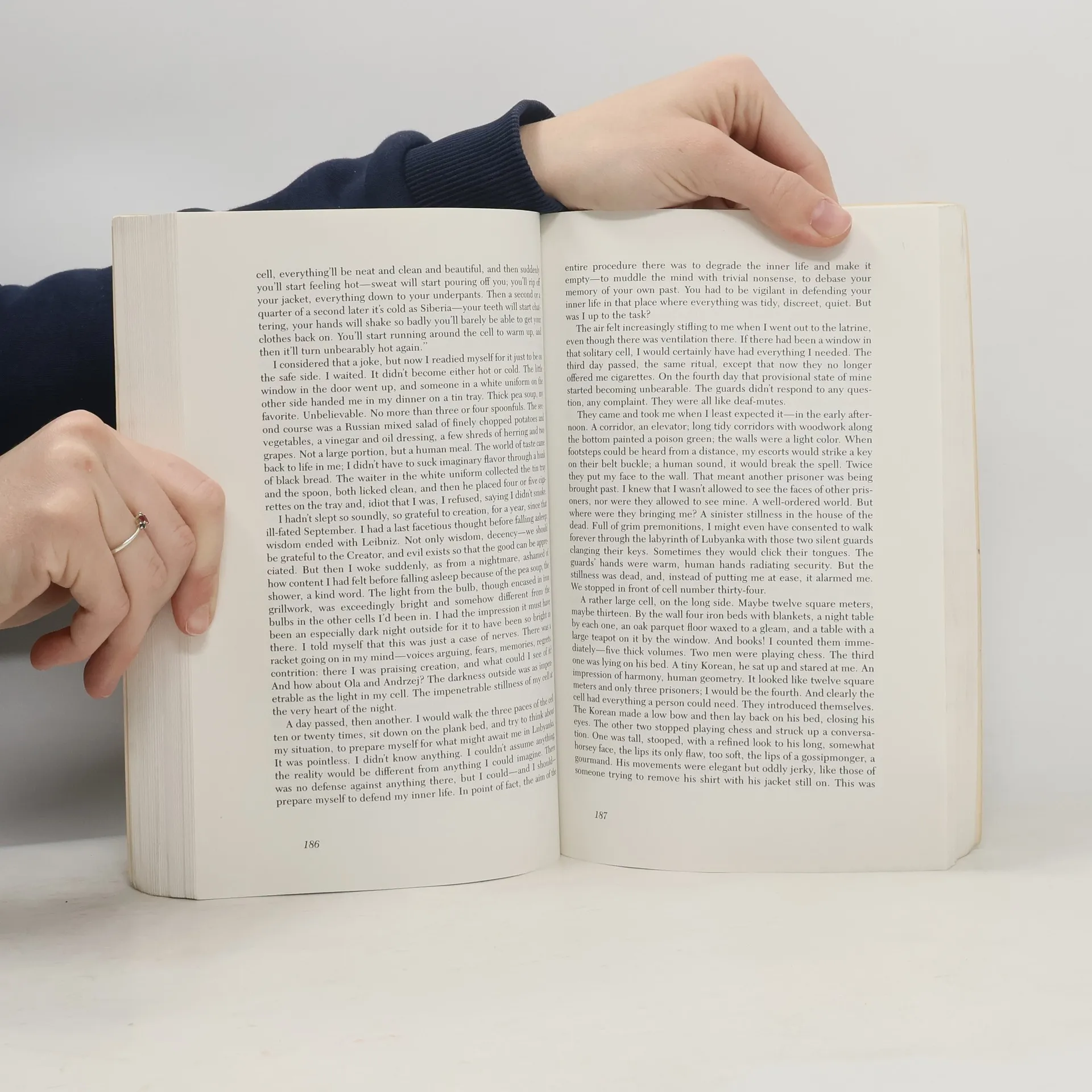
In My Century the great Polish poet Aleksander Wat provides a spellbinding account of life in Eastern Europe in the midst of the terrible twentieth century. Based on interviews with Nobel Prize winner Czeslaw Milosz, My Century describes the artistic, sexual, and political experimentation --in which Wat was a major participant-- that followed the end of World War I: an explosion of talent and ideas which, he argues, in some ways helped to open the door to the destruction that the Nazis and Bolsheviks soon visited upon the world. But Wat's book is at heart a story of spiritual struggle and conversion. He tells of his separation during World War II from his wife and young son, of his confinement in the Soviet prison system, of the night when the sound of far-off laughter brought on a vision of "the devil in history." "It was then," Wat writes, "that I began to be a believer."



Nákup knihy
My Century, Richard Lourie, Aleksander Wat, Czesław Miłosz
- Jazyk

- Rok vydání
- 1990
- Vazba
- (měkká)
Doručení
Platební metody
Tady nám chybí tvá recenze.
- Titul
- My Century
- Podtitul
- The Odyssey of a Polish Intellectual
- Jazyk
- anglicky
- Vydavatel
- W. W. Norton & Company
- Rok vydání
- 1990
- Vazba
- měkká
- Počet stran
- 407
- ISBN10
- 0393306852
- ISBN13
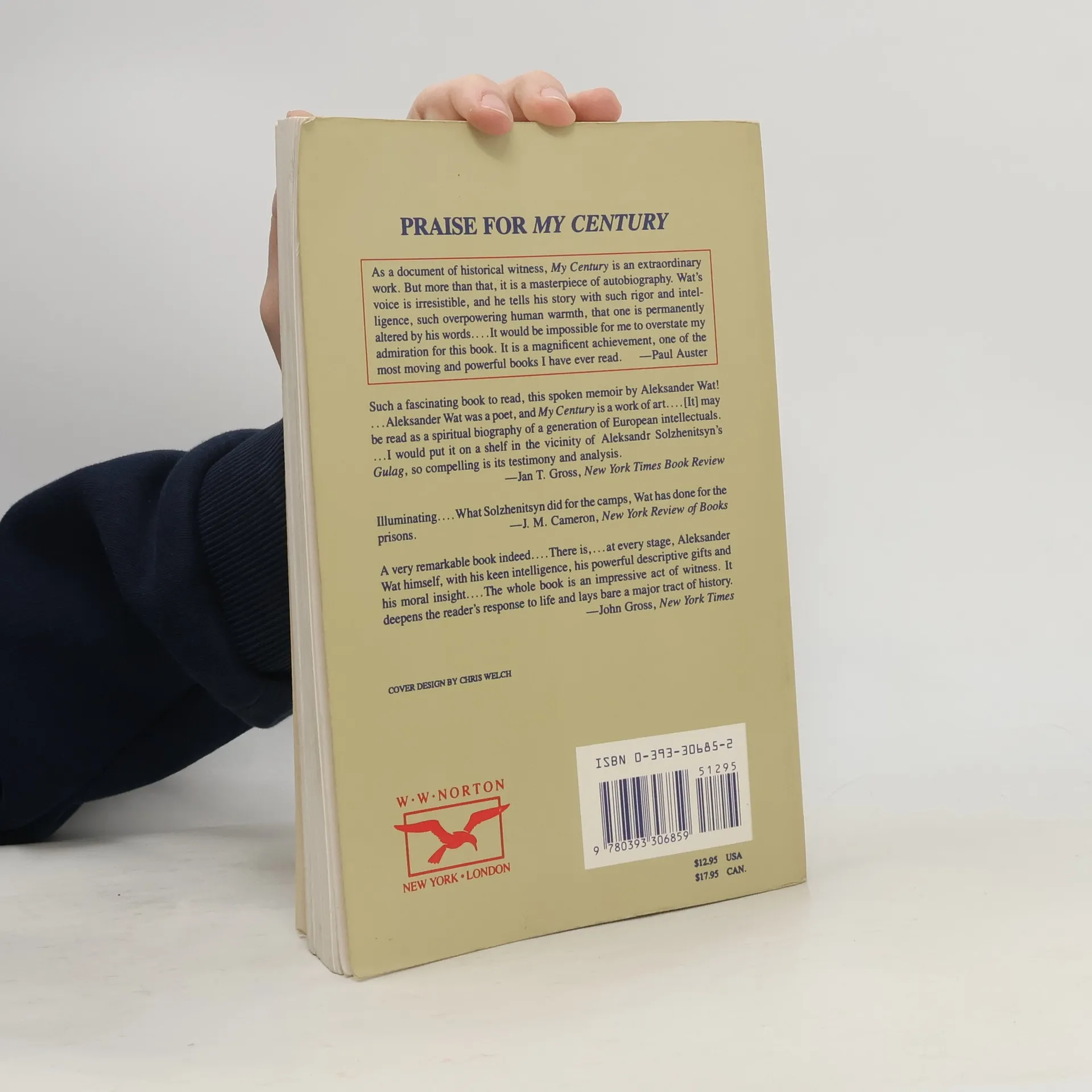
- 9780393306859
- Série
- Štítky
- Historické téma, Polská literatura, Polsko
- Původní název
- Mój wiek
- Hodnocení
- 4,15 z 5
- Anotace
- In My Century the great Polish poet Aleksander Wat provides a spellbinding account of life in Eastern Europe in the midst of the terrible twentieth century. Based on interviews with Nobel Prize winner Czeslaw Milosz, My Century describes the artistic, sexual, and political experimentation --in which Wat was a major participant-- that followed the end of World War I: an explosion of talent and ideas which, he argues, in some ways helped to open the door to the destruction that the Nazis and Bolsheviks soon visited upon the world. But Wat's book is at heart a story of spiritual struggle and conversion. He tells of his separation during World War II from his wife and young son, of his confinement in the Soviet prison system, of the night when the sound of far-off laughter brought on a vision of "the devil in history." "It was then," Wat writes, "that I began to be a believer."