


Více o knize
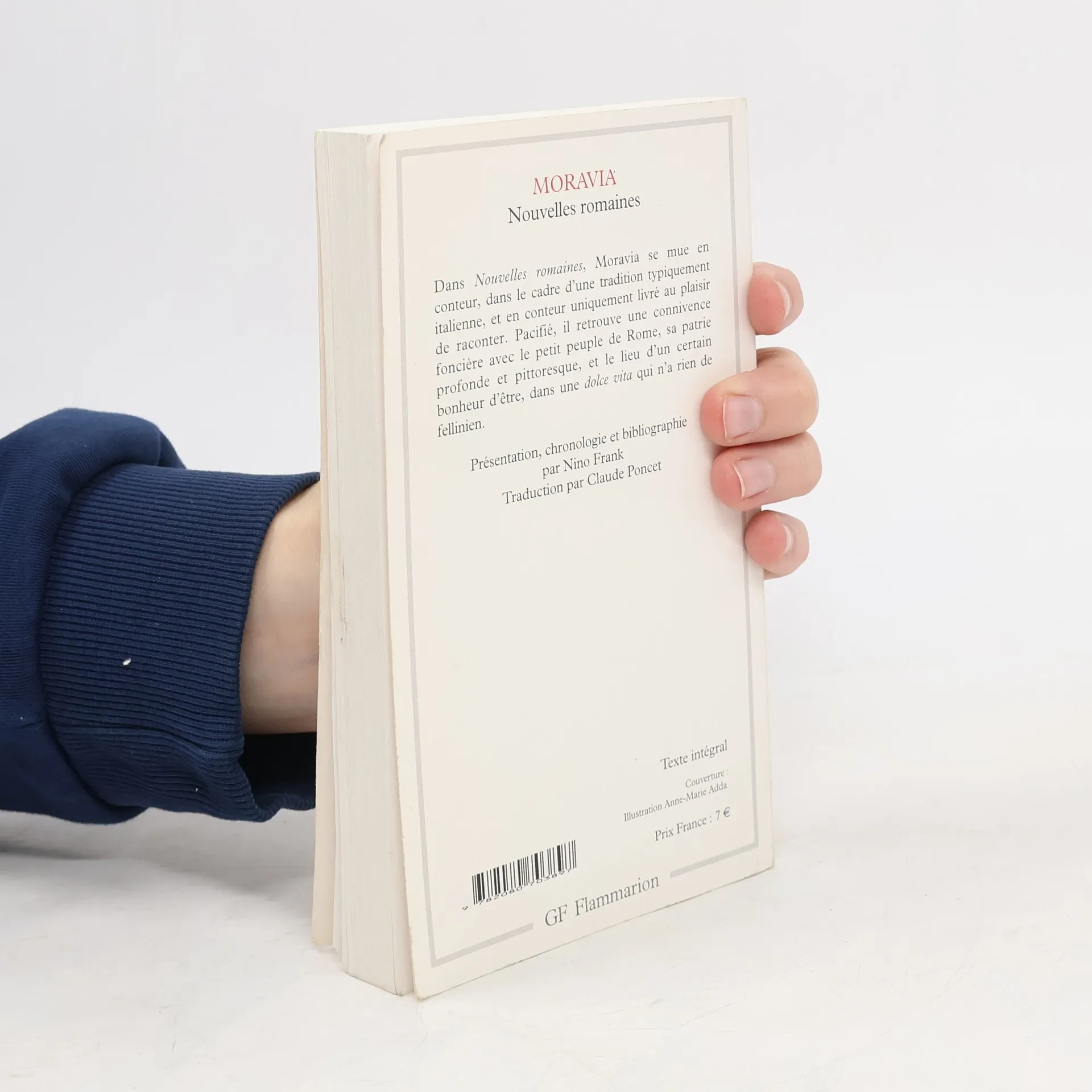
Racconti romani (Roman Tales) is a series of sixty-one short stories. Written and published initially in the Italian newspaper, Il Corriere della Sera, they were published as a collection in 1954 by Bompiani. All of the stories are set in Rome or its surroundings after World War II and focus on 'the common people of Rome' (Roma popolana). The characters in these stories tend to be the unemployed, ex-convicts, waiters, drivers, con artists, thieves and petty criminals, the average man (or woman) and the lower classes aspiring to climb out of poverty. All the stories are told in the first person with the narrator often unnamed, although details are usually furnished to provide a clue to the narrator's identity, such as their occupation, motivations and social status. Moravia's Racconti Romani provide a snapshot on life in Rome after World War II, revealing much about the inhabitants of Rome in the early 1950s.


Nákup knihy
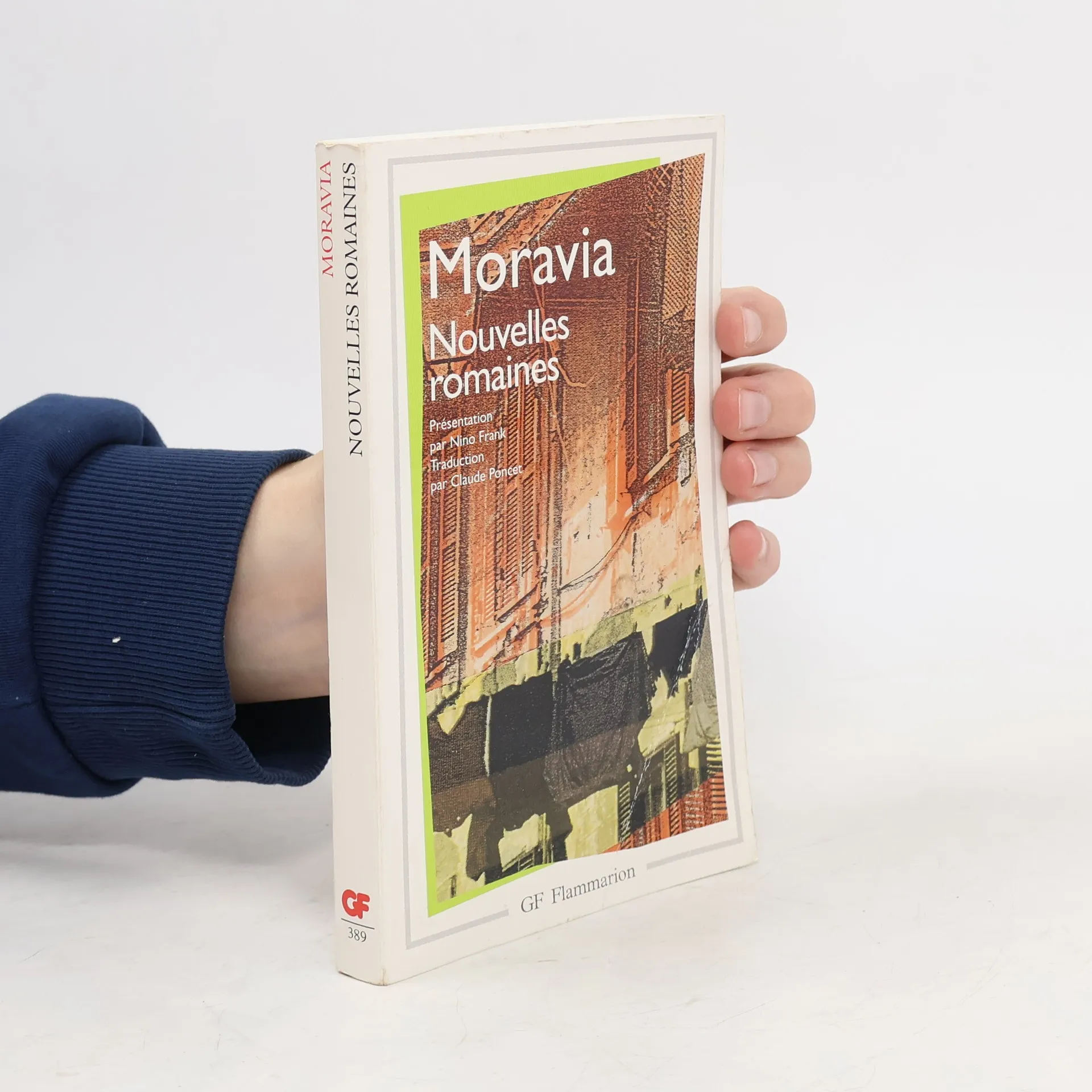
Nouvelles romaines, Alberto Moravia
- Jazyk

- Rok vydání
- 1993
- Vazba
- (měkká)
Doručení
Platební metody
Tady nám chybí tvá recenze.
- Titul
- Nouvelles romaines
- Jazyk
- francouzsky
- Autoři
- Alberto Moravia
- Vydavatel
- Flammarion
- Rok vydání
- 1993
- Vazba
- měkká
- Počet stran
- 316
- ISBN10
- 2080703897
- ISBN13
- 9782080703897
- Série
- Hodnocení
- 3,9 z 5
- Anotace
- Racconti romani (Roman Tales) is a series of sixty-one short stories. Written and published initially in the Italian newspaper, Il Corriere della Sera, they were published as a collection in 1954 by Bompiani. All of the stories are set in Rome or its surroundings after World War II and focus on 'the common people of Rome' (Roma popolana). The characters in these stories tend to be the unemployed, ex-convicts, waiters, drivers, con artists, thieves and petty criminals, the average man (or woman) and the lower classes aspiring to climb out of poverty. All the stories are told in the first person with the narrator often unnamed, although details are usually furnished to provide a clue to the narrator's identity, such as their occupation, motivations and social status. Moravia's Racconti Romani provide a snapshot on life in Rome after World War II, revealing much about the inhabitants of Rome in the early 1950s.