

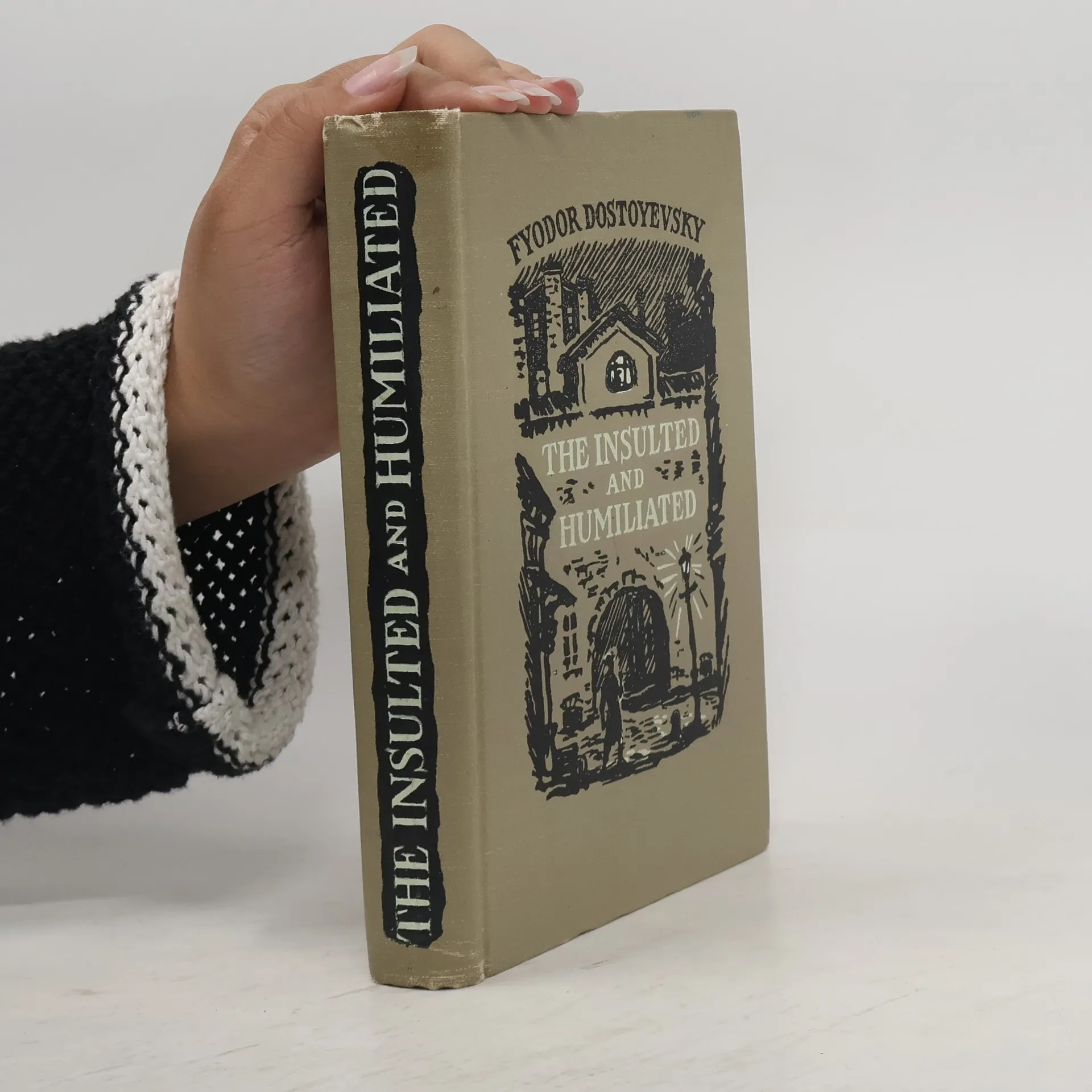
Více o knize
The Insulted and Injured, published soon after Dostoevsky's political imprisonment, clearly foreshadows his later preoccupation with unconscious psychological drives and their external effects on the lives of his characters. Where his later works carry these drives to inevitably dramatic conclusions, The Insulted and Injured confines them within the smaller boundaries of everyday events. In this story, the impulse toward self-abnegation in love, which appears so markedly in both Vanya and Natasha, isn't itself enough to direct their lives; instead, it combines with their social world and the mundane ambitions of Prince Valkovsky to defeat their hope of happiness. Of all the characters in the novel, only Natasha's lover, the Prince's son Alyosha—the person least driven to mold life to his own terms—emerges untouched. Here are, to a greater extent than in Dostoevsky's more familiar works, flesh-and-blood people as we see them around every day. They are made up of both good and evil, of will and acceptance. Unfailingly they command interest and illuminate understanding.


Nákup knihy
The Insulted and Humiliated, Fjodor Michajlovič Dostojevskij
- Jazyk


- Rok vydání
- Vazba
- (pevná)
Doručení
Platební metody
Tady nám chybí tvá recenze.
- Titul
- The Insulted and Humiliated
- Jazyk
- anglicky, rusky
- Vydavatel
- Foreign Languages Publishing House
- Vazba
- pevná
- Série
- Štítky
- 19. století, Rusko, Ruská literatura, Chudoba, Bohatství, Růžový říjen
- První vydání
- 1861
- Původní název
- Униженные и оскорблённые (Unižennyje i oskorbljonnyje)
- Hodnocení
- 4,25 z 5
- Anotace
- The Insulted and Injured, published soon after Dostoevsky's political imprisonment, clearly foreshadows his later preoccupation with unconscious psychological drives and their external effects on the lives of his characters. Where his later works carry these drives to inevitably dramatic conclusions, The Insulted and Injured confines them within the smaller boundaries of everyday events. In this story, the impulse toward self-abnegation in love, which appears so markedly in both Vanya and Natasha, isn't itself enough to direct their lives; instead, it combines with their social world and the mundane ambitions of Prince Valkovsky to defeat their hope of happiness. Of all the characters in the novel, only Natasha's lover, the Prince's son Alyosha—the person least driven to mold life to his own terms—emerges untouched. Here are, to a greater extent than in Dostoevsky's more familiar works, flesh-and-blood people as we see them around every day. They are made up of both good and evil, of will and acceptance. Unfailingly they command interest and illuminate understanding.