

Série
Více o knize
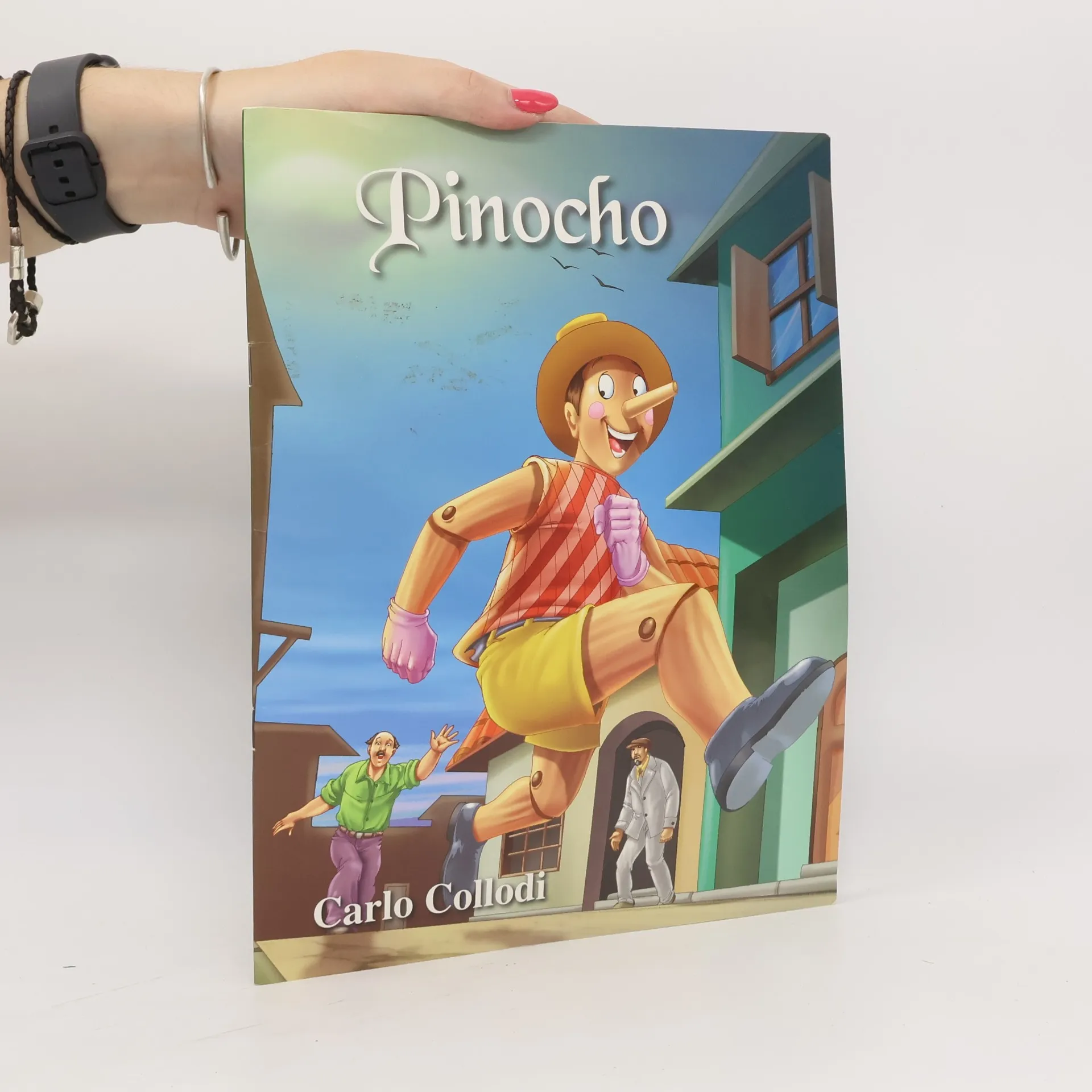
"The Adventures of Pinocchio" is a novel for children written by Carlo Collodi, the pseudonym of the Florentine journalist and writer Carlo Lorenzini. The first half originally appeared in installments between 1881 and 1882, published as The Story of a Puppet, and was completed in the children's book released in Florence in February 1883. It tells the accidental experiences—harmful and cruel, yet appealing and full of twists—of a wooden puppet, Pinocchio, carved by Master Geppetto, who considers him his father. More than just a puppet wanting to become a real boy, more than a round, wooden, long-nosed face, more than the protagonist of a "moral" book, Pinocchio is a universal icon and a metaphor for the human condition. The book, which lends itself to multiple interpretations, is a world masterpiece that has inspired hundreds of editions. As a universal icon and metaphor for the human condition, the book is considered a canonical piece of children's literature and has had a significant impact on global culture.

Nákup knihy
Pinocho, Carlo Collodi
- Jazyk


- Rok vydání
- Vazba
- (měkká)
Doručení
Platební metody
Tady nám chybí tvá recenze.
- Titul
- Pinocho
- Jazyk
- anglicky, španělsky
- Autoři
- Carlo Collodi
- Vydavatel
- B. Jain Publishers
- Vazba
- měkká
- ISBN10
- 9568537457
- ISBN13
- 9789568537456
- Série
- Vyskakovací klasika
- Štítky
- Dobrodružství, Rodina, Děti, Úmrtí, Itálie, Jižní Evropa, Dárky pro větší školáky, Zfilmováno, Víly, Lhaní, Syn, Loutky, Oslíci, Italské pohádky
- První vydání
- 1883
- Původní název
- Le avventure di Pinocchio
- Hodnocení
- 4,2 z 5
- Anotace
- "The Adventures of Pinocchio" is a novel for children written by Carlo Collodi, the pseudonym of the Florentine journalist and writer Carlo Lorenzini. The first half originally appeared in installments between 1881 and 1882, published as The Story of a Puppet, and was completed in the children's book released in Florence in February 1883. It tells the accidental experiences—harmful and cruel, yet appealing and full of twists—of a wooden puppet, Pinocchio, carved by Master Geppetto, who considers him his father. More than just a puppet wanting to become a real boy, more than a round, wooden, long-nosed face, more than the protagonist of a "moral" book, Pinocchio is a universal icon and a metaphor for the human condition. The book, which lends itself to multiple interpretations, is a world masterpiece that has inspired hundreds of editions. As a universal icon and metaphor for the human condition, the book is considered a canonical piece of children's literature and has had a significant impact on global culture.