

Více o knize
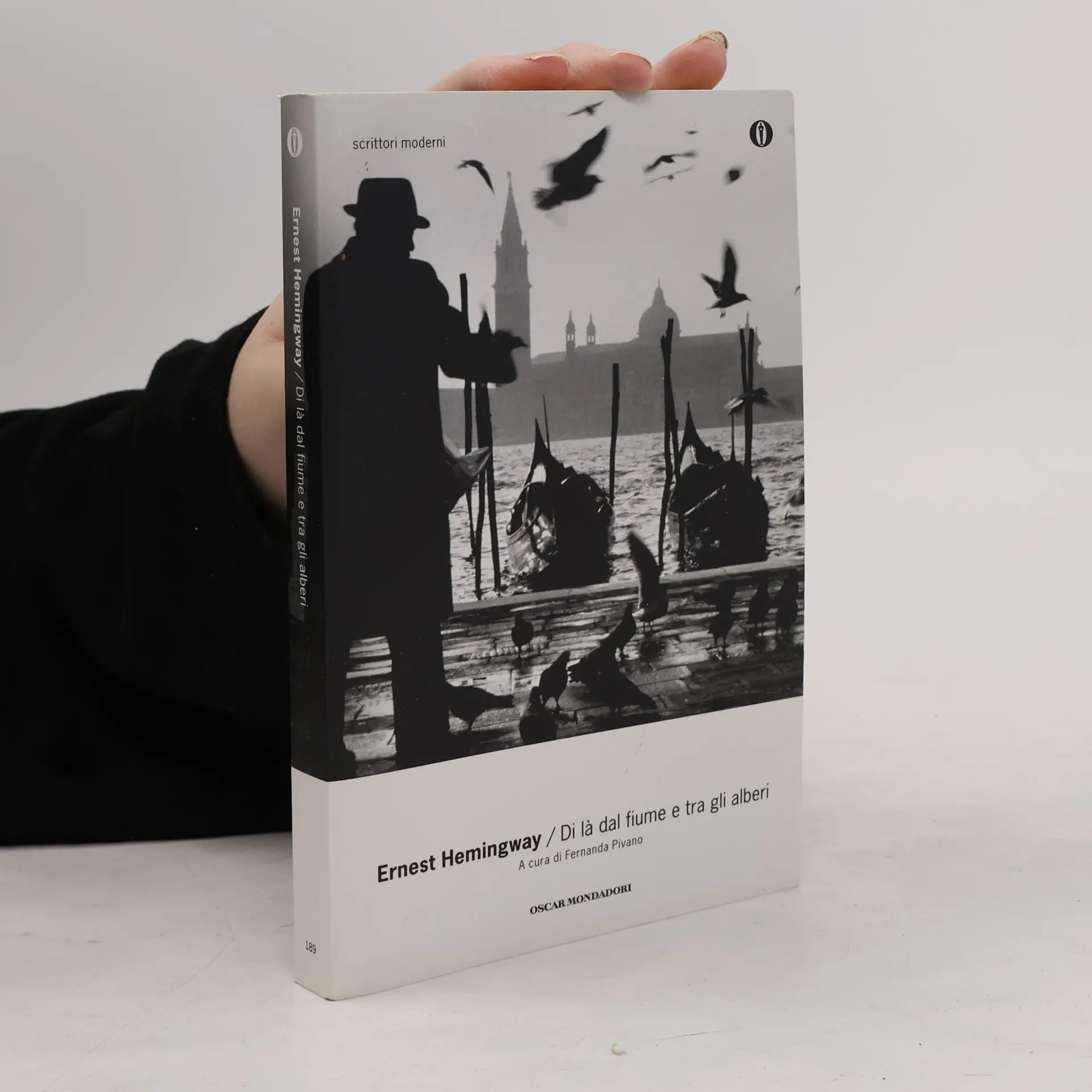
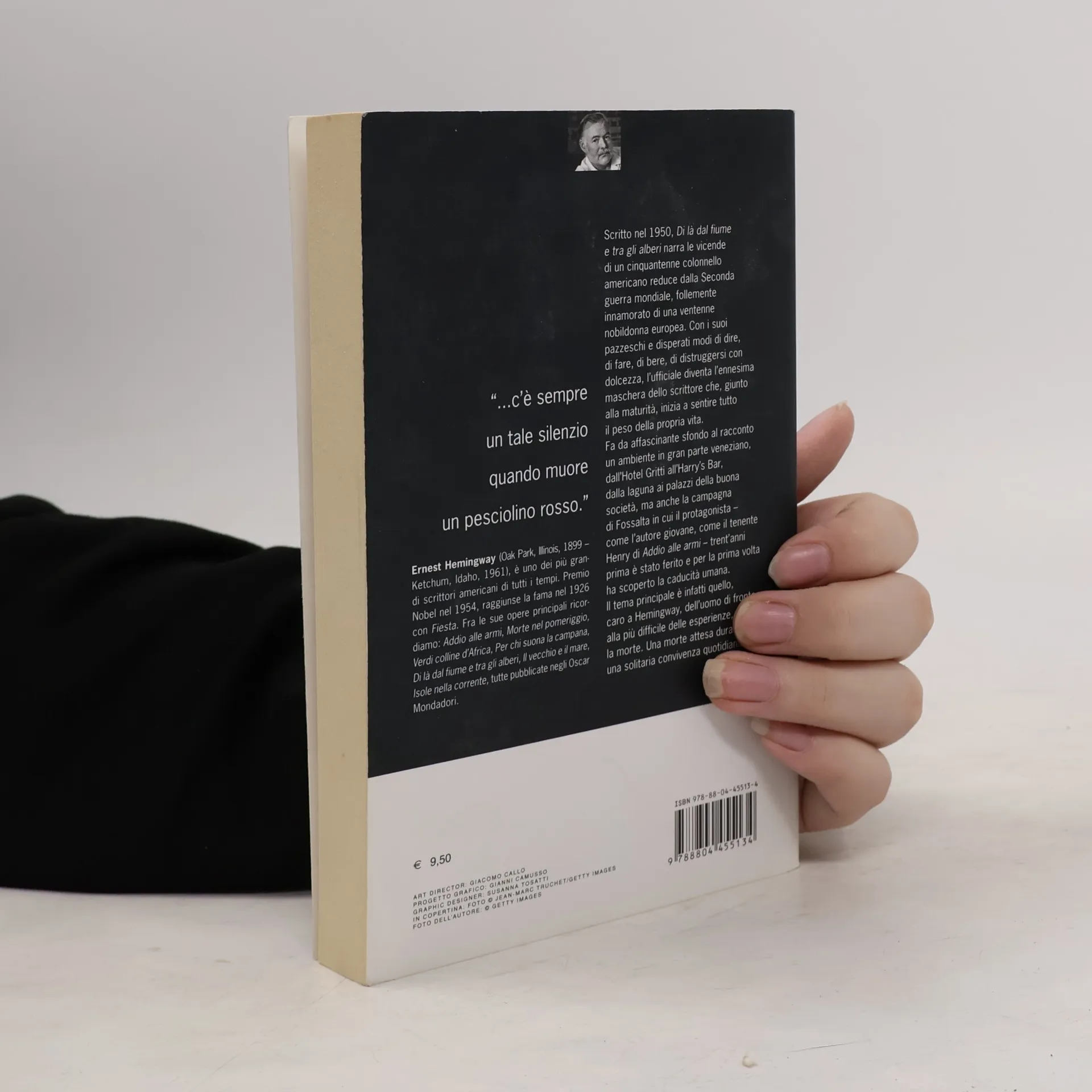
In the fall of 1948, Ernest Hemingway made his first extended visit to Italy in thirty years. His reacquaintance with Venice, a city he loved, provided the inspiration for "Across the River and into the Trees, " the story of Richard Cantwell, a war-ravaged American colonel stationed in Italy at the close of the Second World War, and his love for a young Italian countess. A poignant, bittersweet homage to love that overpowers reason, to the resilience of the human spirit, and to the worldweary beauty and majesty of Venice, "Across the River and into the Trees" stands as Hemingway's statement of defiance in response to the great dehumanizing atrocities of the Second World War. Hemingway's last full-length novel published in his lifetime, it moved John O'Hara in "The New York Times Book Review" to call him "the most important author since Shakespeare."


Nákup knihy
Oscar scrittori moderni - 189: Di là dal fiume e tra gli alberi, Ernest Hemingway, Fernanda Pivana
- Jazyk

- Rok vydání
- 1998
- Vazba
- (měkká),
- Stav knihy
- Velmi dobrá
- Cena
- 199 Kč
Doručení
Platební metody
Tady nám chybí tvá recenze.
- Titul
- Oscar scrittori moderni - 189: Di là dal fiume e tra gli alberi
- Jazyk
- italsky
- Autoři
- Ernest Hemingway, Fernanda Pivana
- Vydavatel
- Mondadori
- Rok vydání
- 1998
- Vazba
- měkká
- Počet stran
- 336
- ISBN10
- 8804455136
- ISBN13
- 9788804455134
- Série
- Štítky
- Historické téma, Láska, Válečná próza, Války, Druhá světová válka, Americká literatura, Úmrtí, Itálie, Jižní Evropa, Amerika, První světová válka (1914–1918), Nobelova cena, Benátky
- Hodnocení
- 3,35 z 5
- Anotace
- In the fall of 1948, Ernest Hemingway made his first extended visit to Italy in thirty years. His reacquaintance with Venice, a city he loved, provided the inspiration for "Across the River and into the Trees, " the story of Richard Cantwell, a war-ravaged American colonel stationed in Italy at the close of the Second World War, and his love for a young Italian countess. A poignant, bittersweet homage to love that overpowers reason, to the resilience of the human spirit, and to the worldweary beauty and majesty of Venice, "Across the River and into the Trees" stands as Hemingway's statement of defiance in response to the great dehumanizing atrocities of the Second World War. Hemingway's last full-length novel published in his lifetime, it moved John O'Hara in "The New York Times Book Review" to call him "the most important author since Shakespeare."