

Parametry
- 452 stránek
- 16 hodin čtení
Více o knize
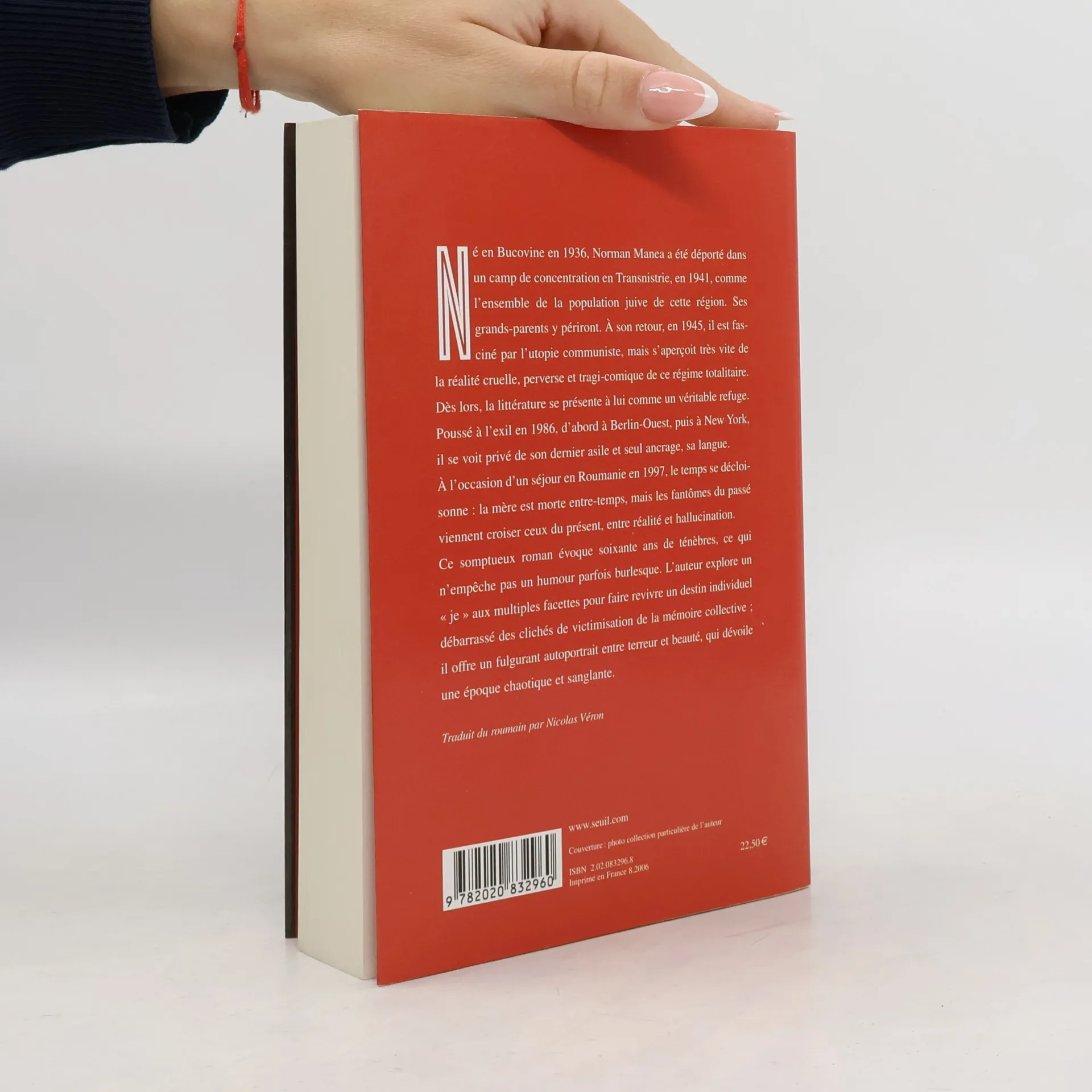
In October 1941, the Jewish population of Manea's native Bukovina was deported to Transnistria concentration camps, where he, a child at the time, and his family endured four harrowing years. With striking clarity, he recounts the brutality of their experience, from the horrific cattle car journey to the daily dehumanization they faced. He highlights the courage of a young Christian woman who attempted to save his family. Manea reflects on the hopes and devastation of postwar Romania, finding solace in books, friendship, and love, while friends and family debated whether to stay or leave, risking never to return. As he transitions from adolescence to adulthood, literature and exile shape his identity amidst the oppressive Ceausescu regime. Initially embracing a Communist ethos, he later becomes disillusioned by the regime's injustices, particularly after witnessing the false imprisonment of his father. As a writer, he grapples with the fear of losing his native language—his true homeland—if he chooses to leave. Ultimately, in 1988, he relocates to the United States, returning to Romania a decade later.


Nákup knihy
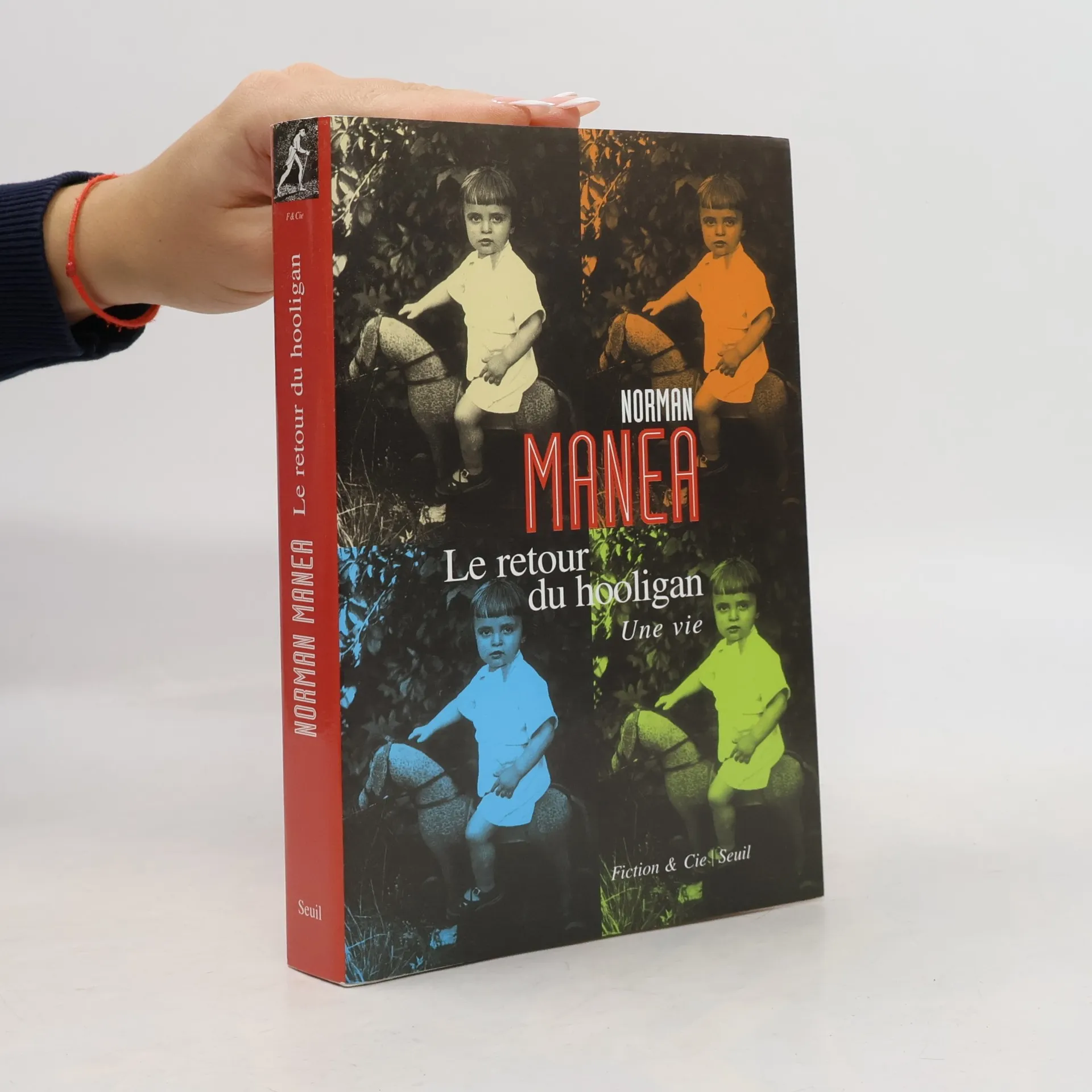
Fiction & Cie: Le retour du hooligan, Norman Manea
- Jazyk

- Rok vydání
- 2006
- Vazba
- (měkká),
- Stav knihy
- Dobrá
- Cena
- 69 Kč
Tady nám chybí tvá recenze.
- Titul
- Fiction & Cie: Le retour du hooligan
- Podtitul
- Une vie
- Jazyk
- francouzsky
- Autoři
- Norman Manea
- Vydavatel
- Seuil
- Rok vydání
- 2006
- Vazba
- měkká
- Počet stran
- 452
- ISBN10
- 2020832968
- ISBN13
- 9782020832960
- Série
- Kategorie
- Štítky
- Historické téma, Politika, USA, Židé, Studium, Útěk, Komunismus, Sebepoznání, Koncentrační tábory, Rumunsko, Rumunská literatura, Kamikaze
- Původní název
- Intoarcerea huliganului
- Hodnocení
- 4,35 z 5
- Anotace
- In October 1941, the Jewish population of Manea's native Bukovina was deported to Transnistria concentration camps, where he, a child at the time, and his family endured four harrowing years. With striking clarity, he recounts the brutality of their experience, from the horrific cattle car journey to the daily dehumanization they faced. He highlights the courage of a young Christian woman who attempted to save his family. Manea reflects on the hopes and devastation of postwar Romania, finding solace in books, friendship, and love, while friends and family debated whether to stay or leave, risking never to return. As he transitions from adolescence to adulthood, literature and exile shape his identity amidst the oppressive Ceausescu regime. Initially embracing a Communist ethos, he later becomes disillusioned by the regime's injustices, particularly after witnessing the false imprisonment of his father. As a writer, he grapples with the fear of losing his native language—his true homeland—if he chooses to leave. Ultimately, in 1988, he relocates to the United States, returning to Romania a decade later.