


Série
- Gdaňská trilogie3 z 3
Více o knize
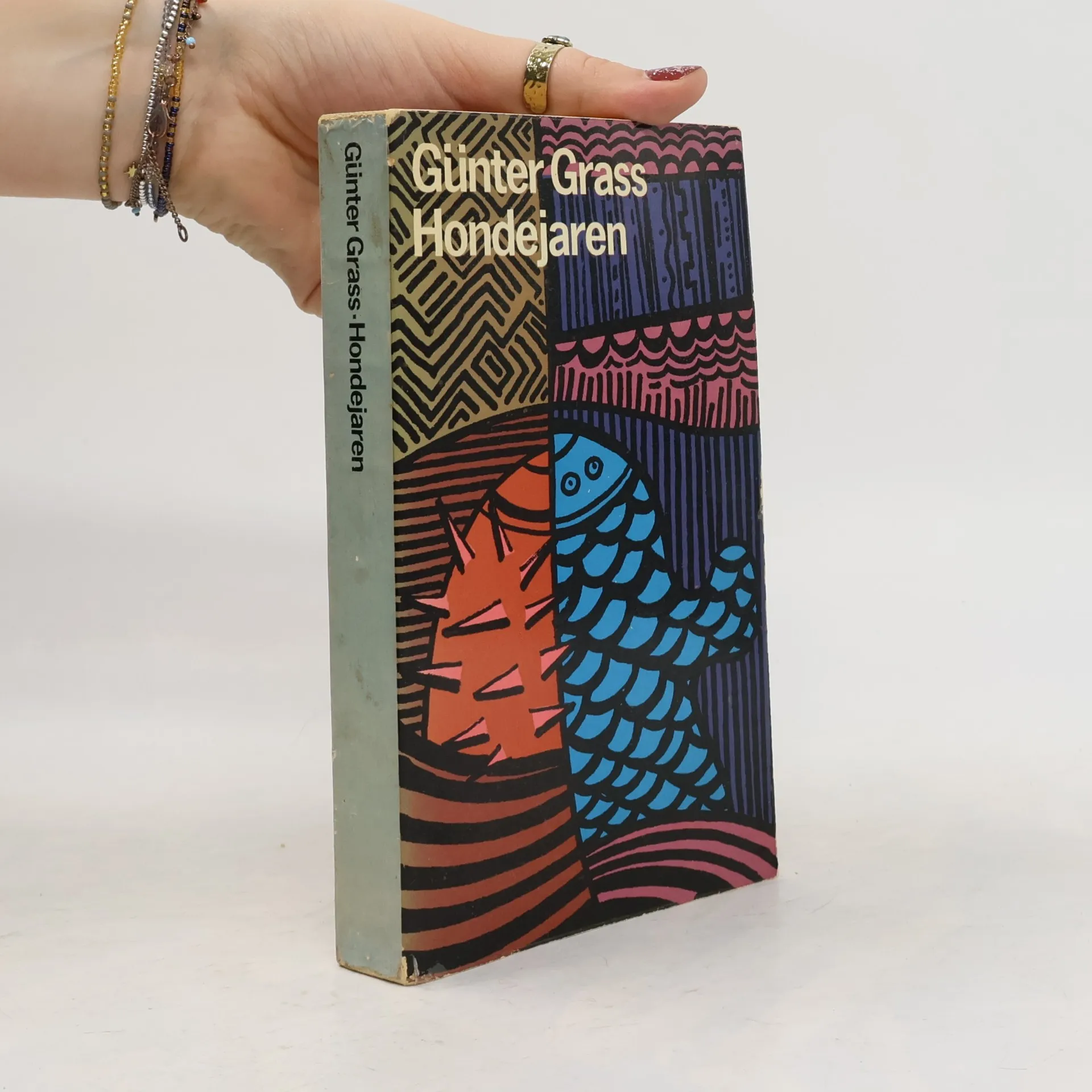
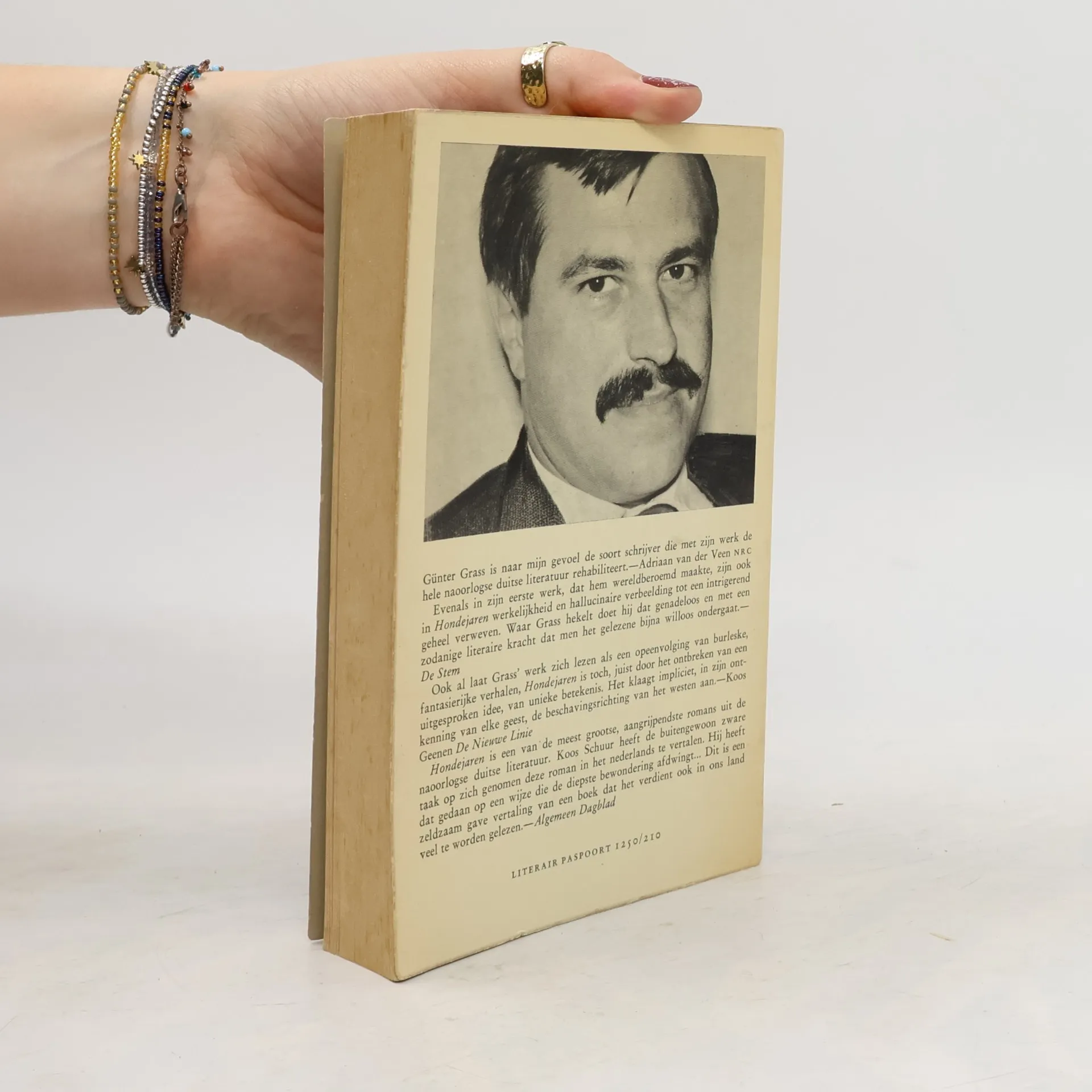
Dog Years unfolds in three parts, beginning with Herr Brauxel, the mine owner, who narrates "Morning Shifts," detailing the early lives of Eduard Amsel, a half-Jew, and his friend Waltern Matern. Their adventures are intertwined with the Vistula River's historical significance and the dog Senta, who gives birth to Harras, the sire of Prinz, the Fuhrer's favorite dog. The second part, "Love Letters," is narrated by Harry Liebenau, who addresses his cousin Tulla, offering insights into the prewar years from Danzig. Amsel, a talented creator of lifelike scarecrows, begins crafting mechanically marching SA-men, while Matern, an SA-man himself, inflicts violence on Amsel. As the narrative progresses into the war, Prinz ultimately abandons his master, symbolizing a breaking point. The final section, "Materniads," shifts to Matern's quest for revenge in postwar Germany, accompanied by Prinz. Matern, an antifascist, seeks out those responsible for Nazi atrocities and his lost brother Amsel, confronting the illusion of collective guilt amid a rising tide of prosperity. His journey leads him to Brauxel's mine, populated by mechanical scarecrows preparing for their emergence aboveground. This novel, a significant follow-up to Grass's Tin Drum, showcases the same brilliance and narrative innovation, capturing the apocalyptic era from the 1920s to the 1950s and its profound aftermath.


Vydání

Nákup knihy
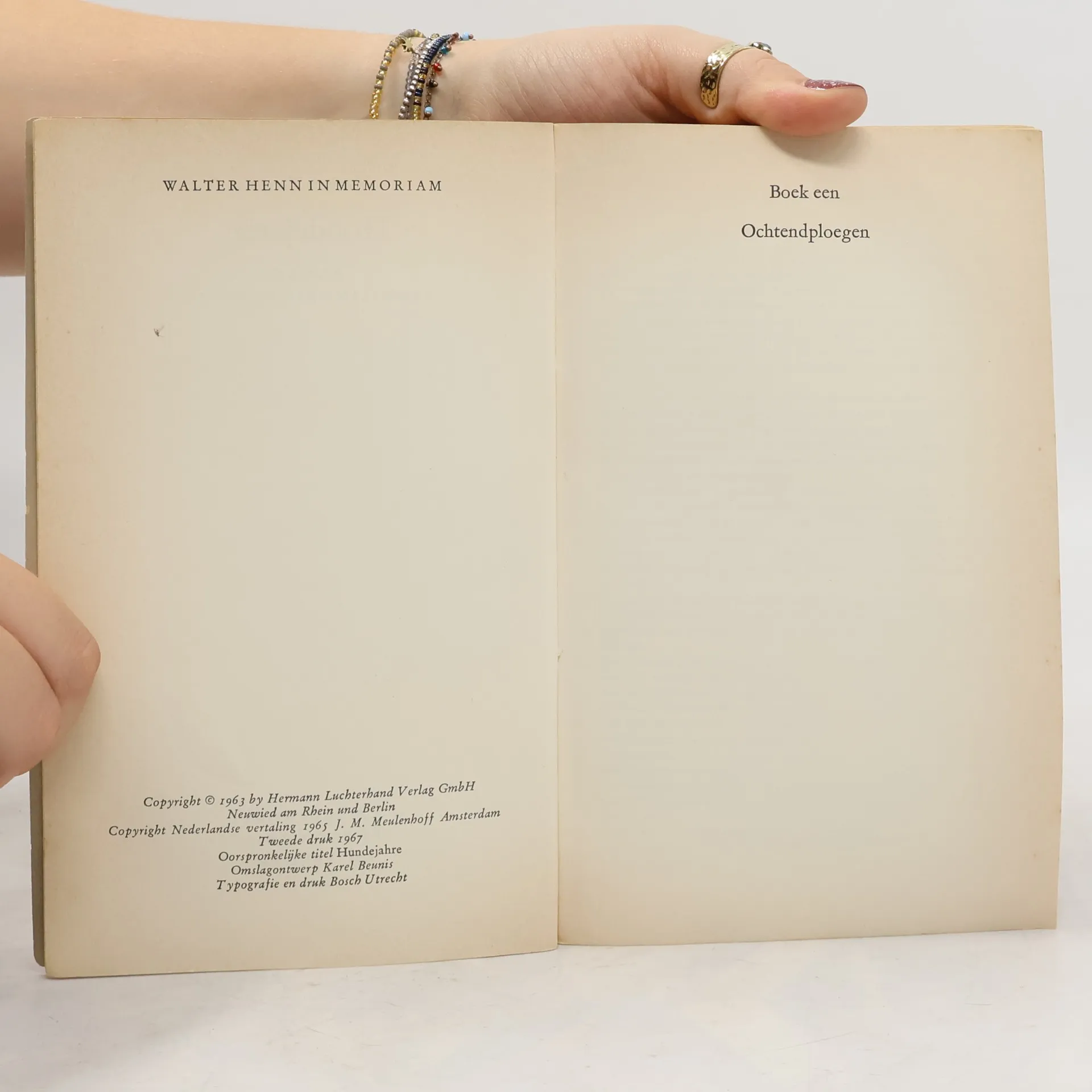
Hondejaren, Günter Grass, Karel Beunis
- Jazyk

- Rok vydání
- 1967
- Vazba
- (pevná),
- Stav knihy
- Poškozená
- Cena
- 62 Kč
Doručení
Platební metody
Tady nám chybí tvá recenze.
- Titul
- Hondejaren
- Jazyk
- nizozemsky
- Autoři
- Günter Grass, Karel Beunis
- Vydavatel
- J.M. Meulenhoff
- Rok vydání
- 1967
- Vazba
- pevná
- Série
- Gdaňská trilogie
- Štítky
- Německá literatura, Německo, Nobelova cena, Gdaňsk
- První vydání
- 1963
- Původní název
- Hundejahre
- Hodnocení
- 3,95 z 5
- Anotace
- Dog Years unfolds in three parts, beginning with Herr Brauxel, the mine owner, who narrates "Morning Shifts," detailing the early lives of Eduard Amsel, a half-Jew, and his friend Waltern Matern. Their adventures are intertwined with the Vistula River's historical significance and the dog Senta, who gives birth to Harras, the sire of Prinz, the Fuhrer's favorite dog. The second part, "Love Letters," is narrated by Harry Liebenau, who addresses his cousin Tulla, offering insights into the prewar years from Danzig. Amsel, a talented creator of lifelike scarecrows, begins crafting mechanically marching SA-men, while Matern, an SA-man himself, inflicts violence on Amsel. As the narrative progresses into the war, Prinz ultimately abandons his master, symbolizing a breaking point. The final section, "Materniads," shifts to Matern's quest for revenge in postwar Germany, accompanied by Prinz. Matern, an antifascist, seeks out those responsible for Nazi atrocities and his lost brother Amsel, confronting the illusion of collective guilt amid a rising tide of prosperity. His journey leads him to Brauxel's mine, populated by mechanical scarecrows preparing for their emergence aboveground. This novel, a significant follow-up to Grass's Tin Drum, showcases the same brilliance and narrative innovation, capturing the apocalyptic era from the 1920s to the 1950s and its profound aftermath.