

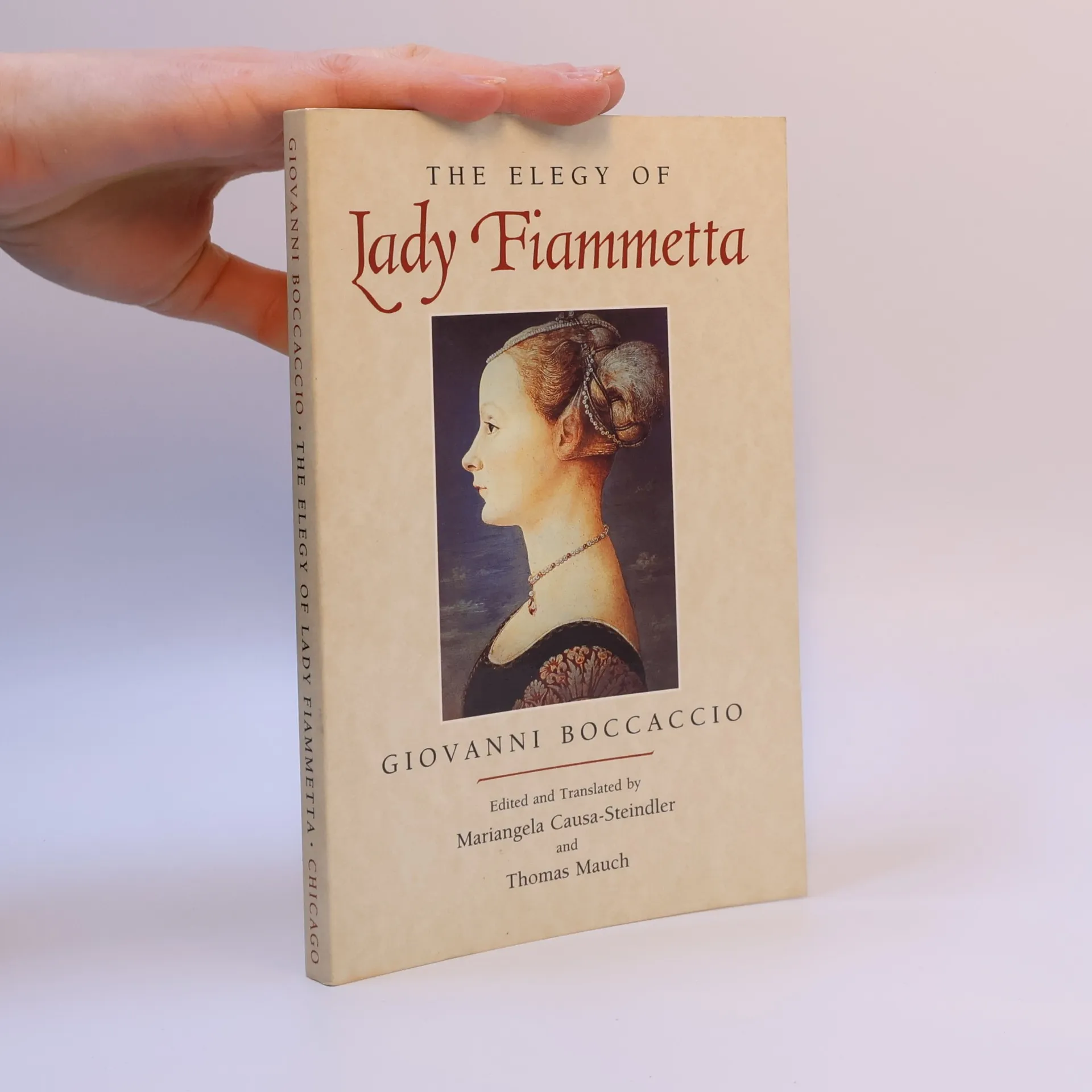
The Elegy of Lady Fiammetta
Více o knize
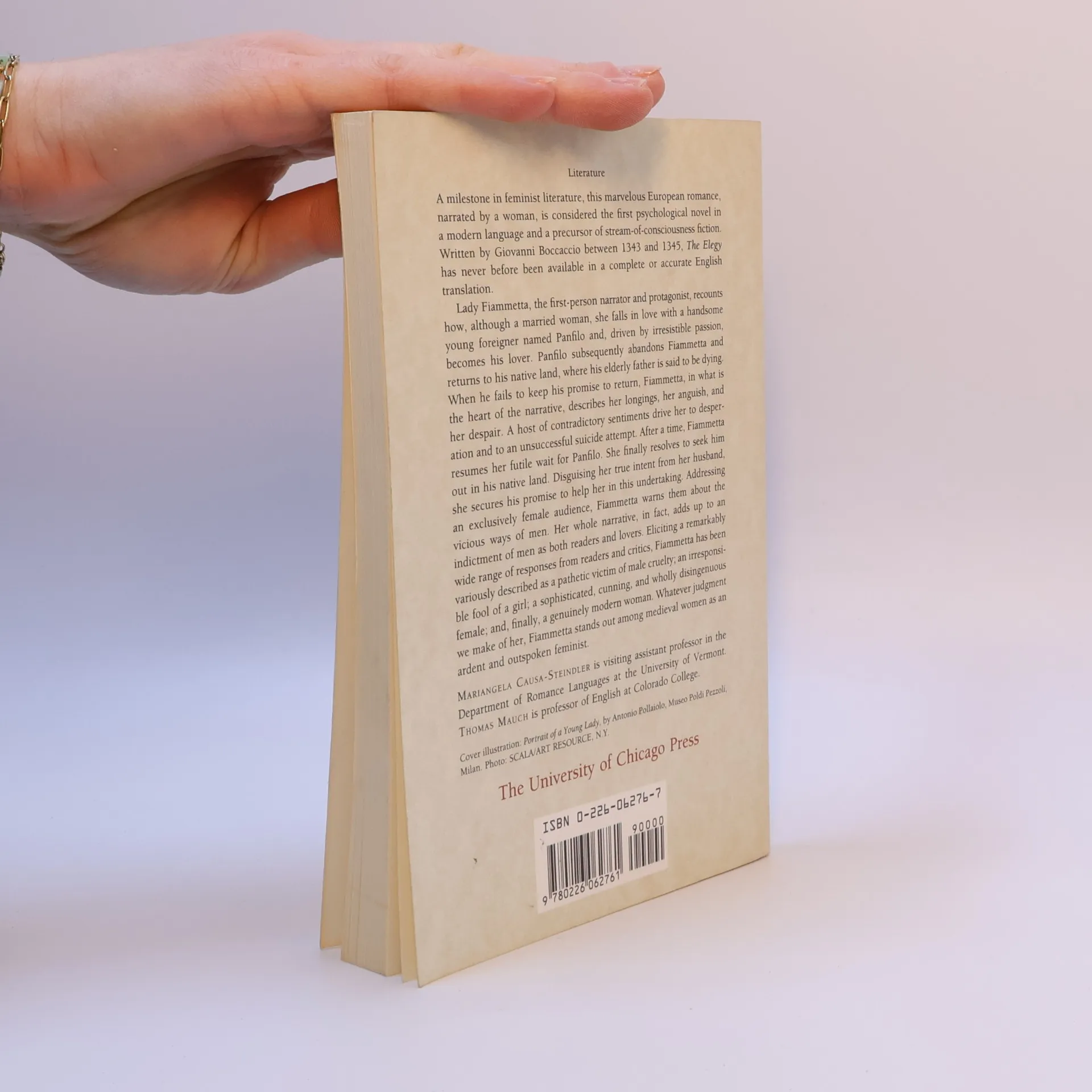
A milestone in feminist literature, this remarkable European romance is regarded as the first psychological novel in a modern language and a precursor to stream-of-consciousness fiction. Written by Giovanni Boccaccio between 1343 and 1345, it has never been available in a complete or accurate English translation. The first-person narrator and protagonist, Lady Fiammetta, recounts her passionate affair with a handsome young foreigner, Panfilo, despite being a married woman. After he abandons her to return to his homeland, where his elderly father is dying, Fiammetta experiences profound longing and despair, leading to a failed suicide attempt. Eventually, she resolves to seek Panfilo, disguising her true intentions from her husband to gain his assistance. Addressing an exclusively female audience, Fiammetta warns them about the deceptive nature of men. Her narrative serves as an indictment of men as both readers and lovers. Readers and critics have described her in various ways: as a victim of male cruelty, an irresponsible girl, a cunning woman, and a genuinely modern figure. Regardless of interpretation, Fiammetta emerges as an ardent and outspoken feminist, standing out among medieval women.


Nákup knihy
The Elegy of Lady Fiammetta, Giovanni Boccaccio, Thomas Mauch, Mariangela Causa-Steindler
- Jazyk

- Rok vydání
- 1990
- Vazba
- (měkká)
Doručení
Platební metody
Nikdo zatím neohodnotil.
- Titul
- The Elegy of Lady Fiammetta
- Jazyk
- anglicky
- Vydavatel
- The University of Chicago Press
- Rok vydání
- 1990
- Vazba
- měkká
- Počet stran
- 182
- ISBN10
- 0226062767
- ISBN13
- 9780226062761
- Série
- Anotace
- A milestone in feminist literature, this remarkable European romance is regarded as the first psychological novel in a modern language and a precursor to stream-of-consciousness fiction. Written by Giovanni Boccaccio between 1343 and 1345, it has never been available in a complete or accurate English translation. The first-person narrator and protagonist, Lady Fiammetta, recounts her passionate affair with a handsome young foreigner, Panfilo, despite being a married woman. After he abandons her to return to his homeland, where his elderly father is dying, Fiammetta experiences profound longing and despair, leading to a failed suicide attempt. Eventually, she resolves to seek Panfilo, disguising her true intentions from her husband to gain his assistance. Addressing an exclusively female audience, Fiammetta warns them about the deceptive nature of men. Her narrative serves as an indictment of men as both readers and lovers. Readers and critics have described her in various ways: as a victim of male cruelty, an irresponsible girl, a cunning woman, and a genuinely modern figure. Regardless of interpretation, Fiammetta emerges as an ardent and outspoken feminist, standing out among medieval women.