

Více o knize
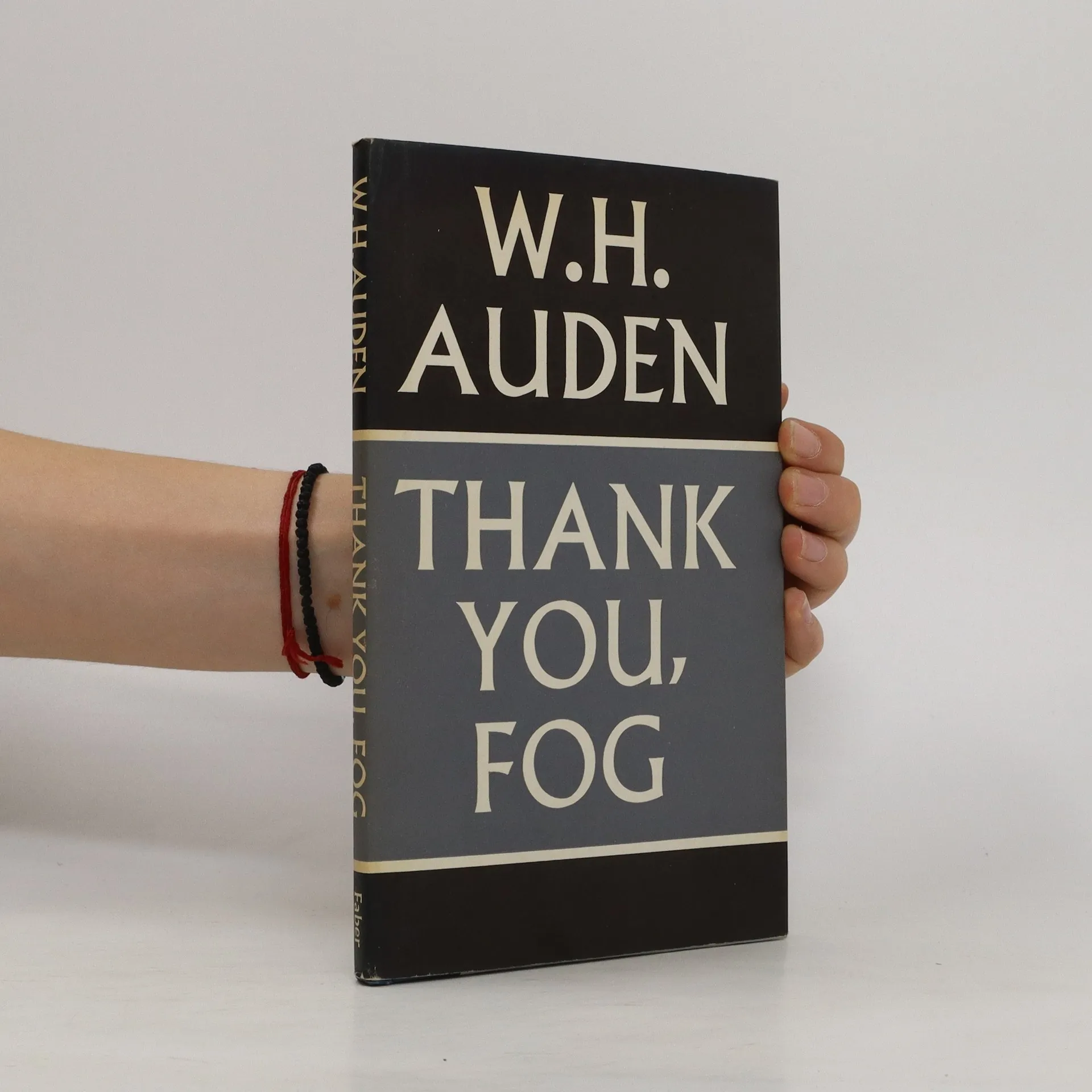
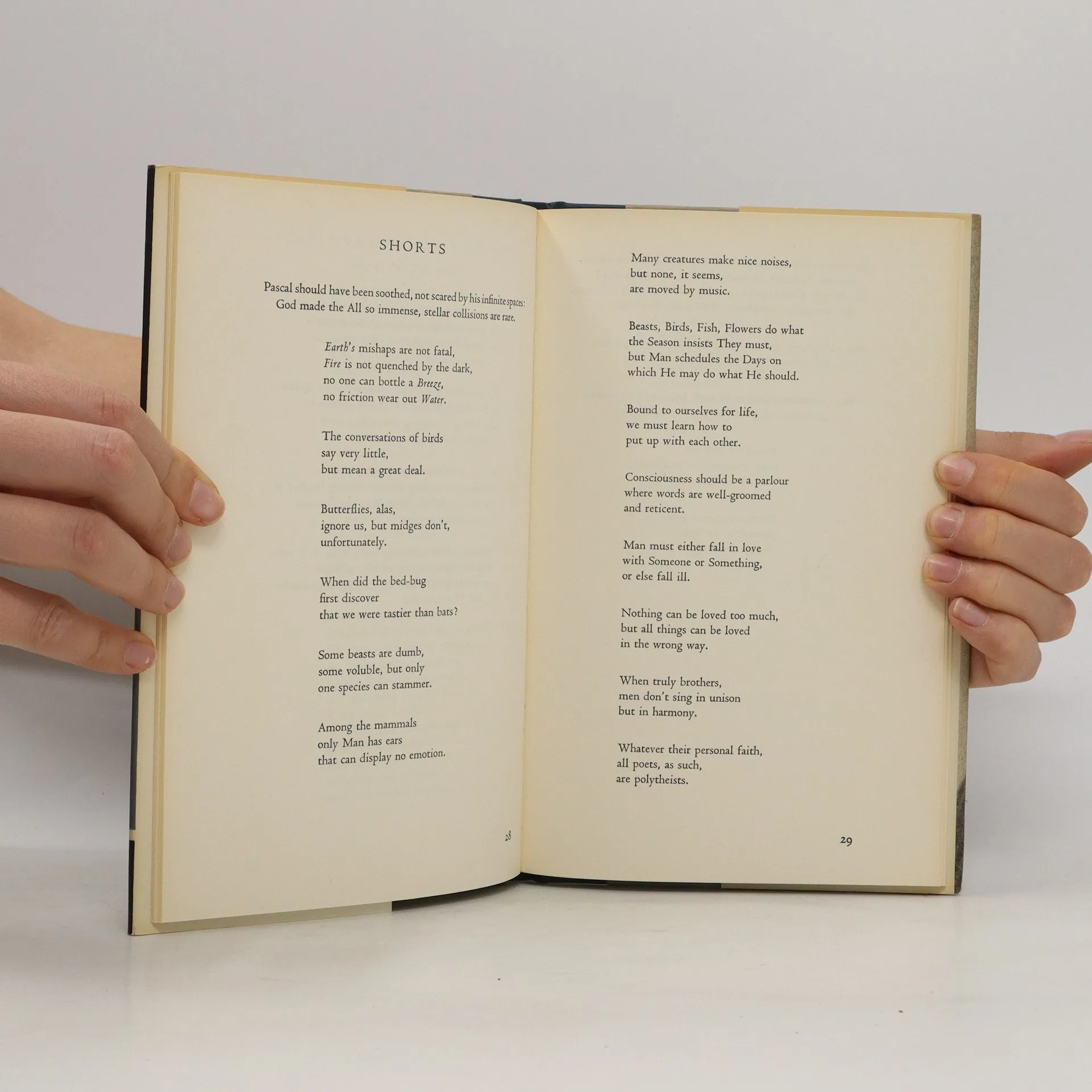
In this final, surprising collection published posthumously in 1974, Auden – the creator of the poetry of the Thirties, who passed through Germany at the dawn of Nazism, the Spain of the Civil War, and the tumultuous China, almost fleeing across the ocean on the eve of World War II, becoming an American citizen and commuting for many seasons between Europe and the United States – returns to that Oxford from which he departed. Here the old poet first thanks the Fog – "Immaculate Sister" of Smog (all too well known in New York), "bitter enemy of haste" – which from his cottage at Christ Church College he has had the chance to rediscover, appreciating its muffled beauty once again; he writes dawn and night poems for friends, a discourse to animals, and an ode to the diencephalon, using with sovereign ease meters, rhymes, measures, stanzas, and schemes of all kinds, archaic words and technical terms, the most varied tones, registers, and accents. He also thanks the poets who were his masters throughout his life: Hardy, Frost, Yeats, Graves, Brecht, concluding with Horace and Goethe. Finally, "comfortable in the den of his self, / Madonna and Child," paradoxically pious, he allows himself the daring of a lullaby. It is the farewell, colloquial and familiar, of a sage.
Nákup knihy
Thank You, Fog, Wystan Hugh Auden
- Jazyk

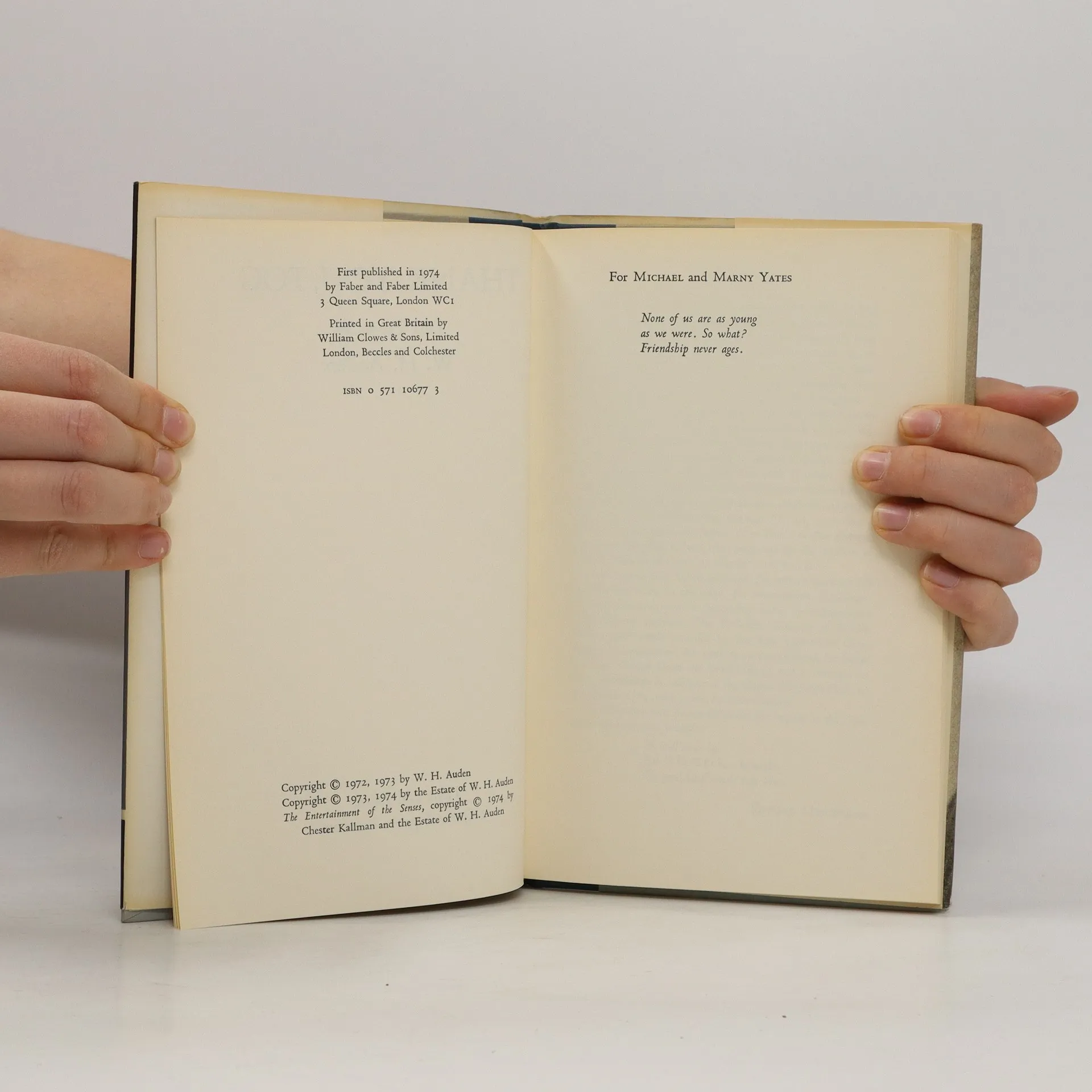
- Rok vydání
- 1974
- Vazba
- (pevná)
Doručení
Platební metody
Tady nám chybí tvá recenze.
- Titul
- Thank You, Fog
- Jazyk
- anglicky
- Autoři
- Wystan Hugh Auden
- Vydavatel
- Faber
- Rok vydání
- 1974
- Vazba
- pevná
- Počet stran
- 57
- ISBN10
- 0571106773
- ISBN13
- 9780571106776
- Série
- Štítky
- Hodnocení
- 3,85 z 5
- Anotace
- In this final, surprising collection published posthumously in 1974, Auden – the creator of the poetry of the Thirties, who passed through Germany at the dawn of Nazism, the Spain of the Civil War, and the tumultuous China, almost fleeing across the ocean on the eve of World War II, becoming an American citizen and commuting for many seasons between Europe and the United States – returns to that Oxford from which he departed. Here the old poet first thanks the Fog – "Immaculate Sister" of Smog (all too well known in New York), "bitter enemy of haste" – which from his cottage at Christ Church College he has had the chance to rediscover, appreciating its muffled beauty once again; he writes dawn and night poems for friends, a discourse to animals, and an ode to the diencephalon, using with sovereign ease meters, rhymes, measures, stanzas, and schemes of all kinds, archaic words and technical terms, the most varied tones, registers, and accents. He also thanks the poets who were his masters throughout his life: Hardy, Frost, Yeats, Graves, Brecht, concluding with Horace and Goethe. Finally, "comfortable in the den of his self, / Madonna and Child," paradoxically pious, he allows himself the daring of a lullaby. It is the farewell, colloquial and familiar, of a sage.