

Parametry
- 240 stránek
- 9 hodin čtení
Více o knize
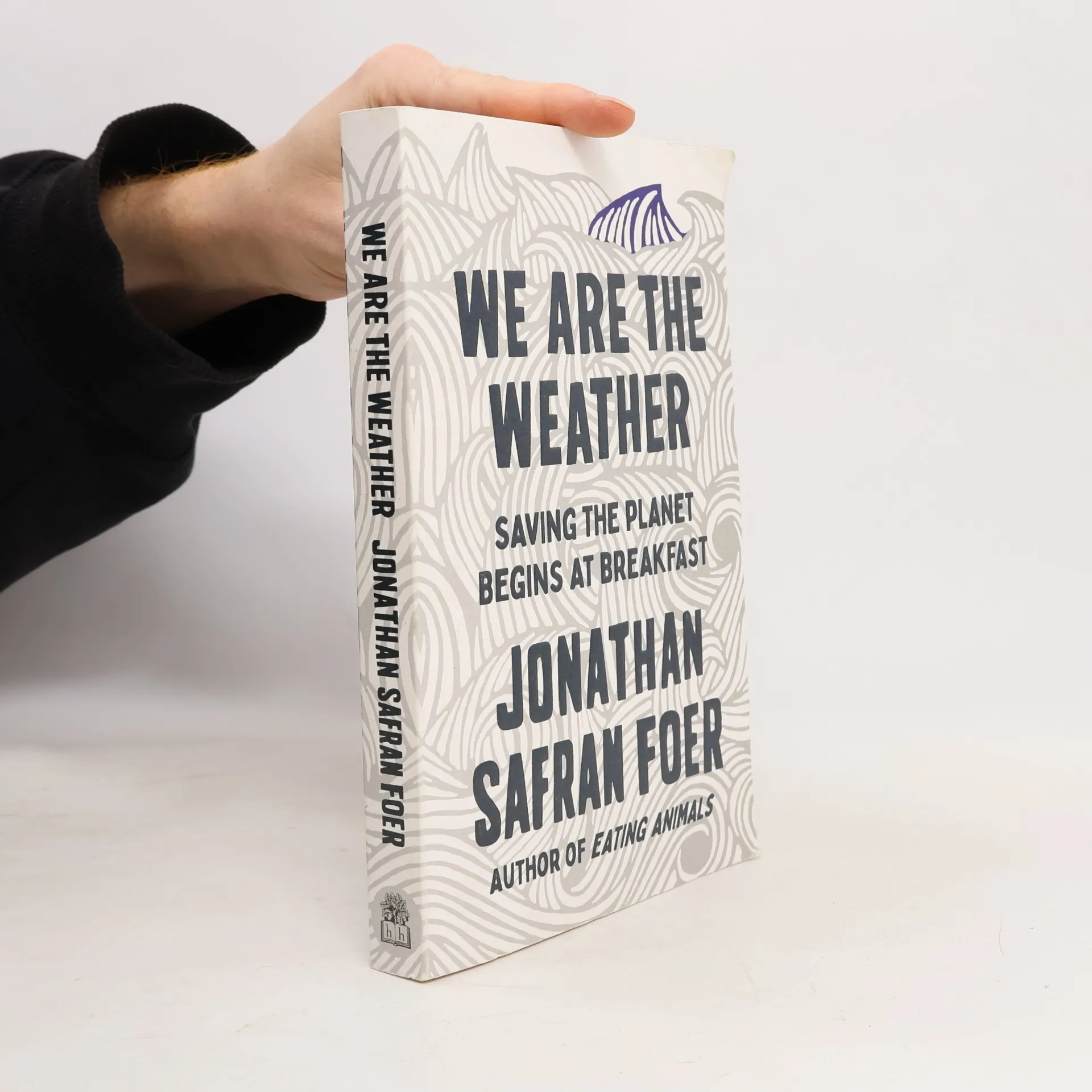
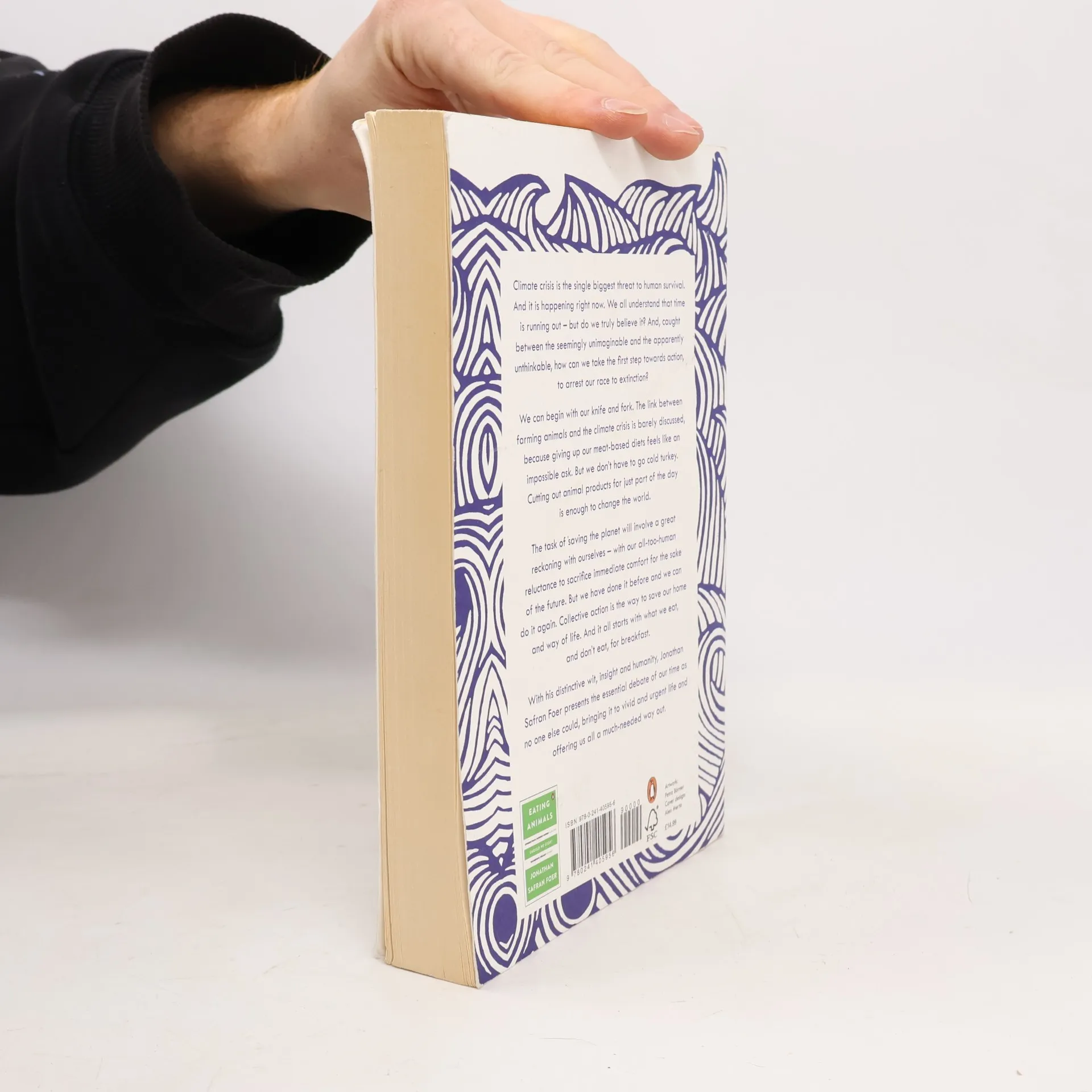
Most books about the environmental crisis are densely academic, depressingly doom-laden and crammed with impersonal statistics. We are the Weather is different - accessible, immediate and with a single clear solution that individual readers can put into practice straight away. A significant proportion of global carbon emissions come from farming meat. Giving up meat is incredibly hard and nobody is perfect - but just cutting back is much easier and still has a huge positive effect on the environment. Just changing our dinners - cutting out meat for one meal per day - is enough to change the world. With his distinctive wit, insight and humanity, Foer frames this essential debate as no one else could, bringing it to vivid and urgent life.




Nákup knihy
We Are the Weather, Jonathan Safran Foer
- Jazyk

- Rok vydání
- 2019
- Vazba
- (měkká),
- Stav knihy
- Dobrá
- Cena
- 59 Kč
Doručení
Platební metody
Tady nám chybí tvá recenze.
- Titul
- We Are the Weather
- Jazyk
- anglicky
- Autoři
- Jonathan Safran Foer
- Vydavatel
- Hamish Hamilton
- Rok vydání
- 2019
- Vazba
- měkká
- Počet stran
- 240
- ISBN10
- 0241405955
- ISBN13
- 9780241405956
- Série
- Kategorie
- Štítky
- Politika, Věda, Jídlo, Ekologická tématika, Dárky pro dědu, Klimatické změny, Veganství, Vegetariánství, Novináři, novinářky
- Hodnocení
- 3,65 z 5
- Anotace
- Most books about the environmental crisis are densely academic, depressingly doom-laden and crammed with impersonal statistics. We are the Weather is different - accessible, immediate and with a single clear solution that individual readers can put into practice straight away. A significant proportion of global carbon emissions come from farming meat. Giving up meat is incredibly hard and nobody is perfect - but just cutting back is much easier and still has a huge positive effect on the environment. Just changing our dinners - cutting out meat for one meal per day - is enough to change the world. With his distinctive wit, insight and humanity, Foer frames this essential debate as no one else could, bringing it to vivid and urgent life.