


Více o knize
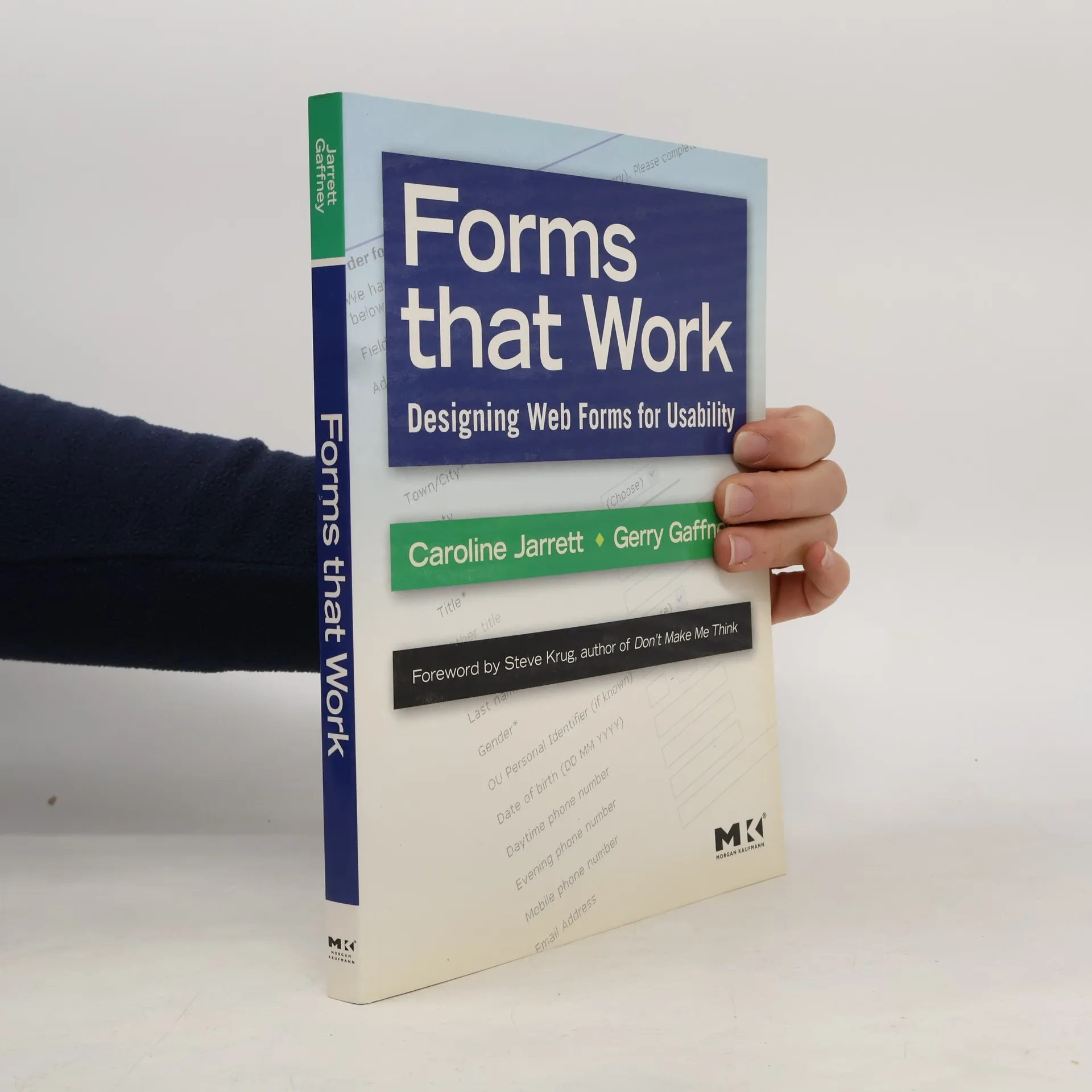
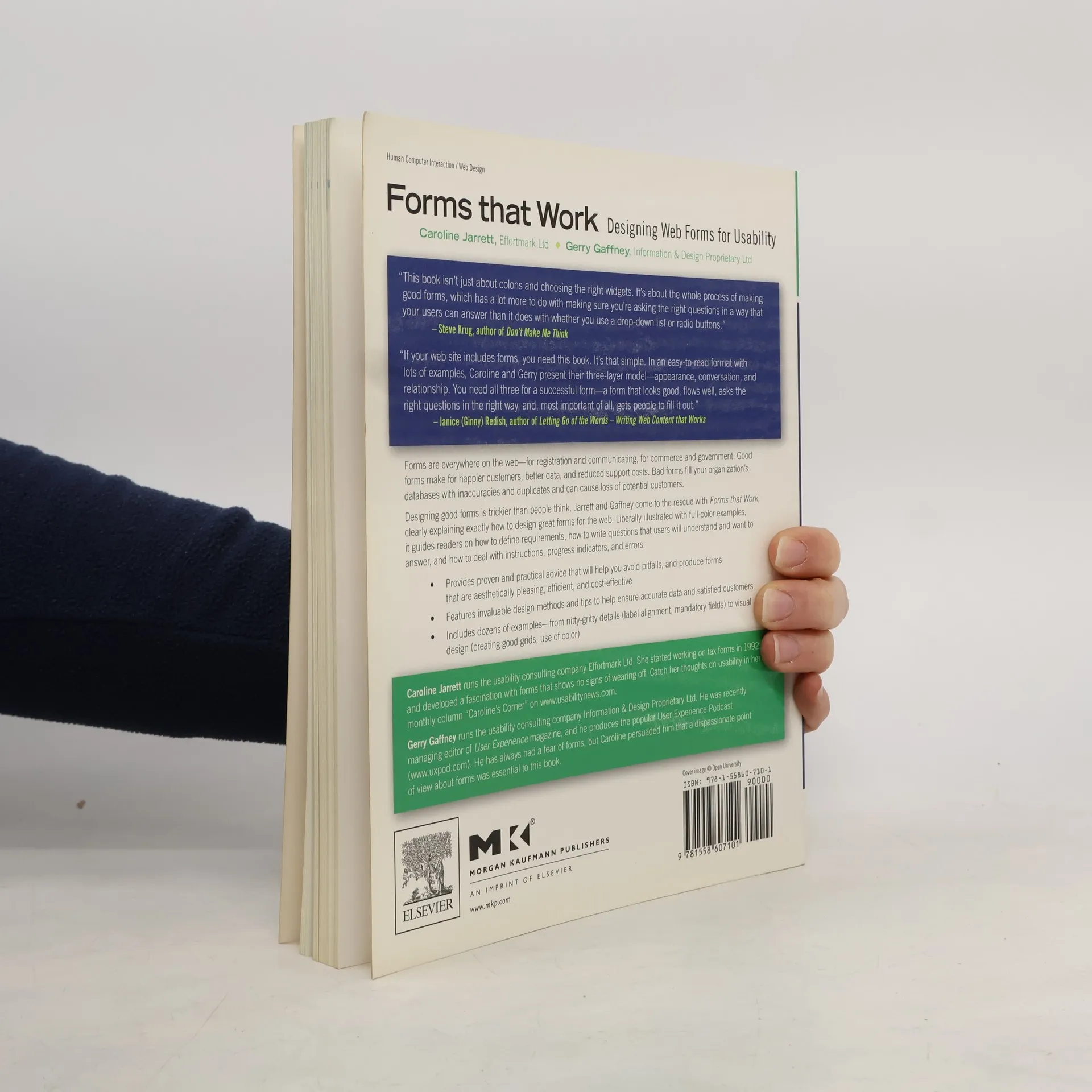
This book clearly explains how to design effective web forms, offering practical advice to avoid common pitfalls and create aesthetically pleasing, efficient, and cost-effective forms. It includes invaluable design methods, tips, and tricks to ensure accurate data collection and customer satisfaction, featuring numerous examples that cover everything from label alignment and mandatory fields to visual design elements like grids and color usage. The focus extends beyond technical details to encompass the entire process of crafting good forms, emphasizing the importance of asking the right questions in a user-friendly manner. Presented in an easy-to-read format, the authors introduce a three-layer model—relationship, conversation, and appearance—essential for successful forms that engage users. The book is richly illustrated with full-color examples, guiding readers on defining requirements, writing clear questions, and managing instructions, progress indicators, and errors. It is a vital resource for HCI professionals, web designers, software developers, user interface designers, academics, students, market researchers, and financial professionals.
Nákup knihy
Interactive Technologies: Forms that Work, Caroline Jarrett, Gerry Gaffney, Steve Krug
- Jazyk

- Rok vydání
- 2008
- Vazba
- (měkká)
Tady nám chybí tvá recenze.
- Titul
- Interactive Technologies: Forms that Work
- Podtitul
- Designing Web Forms for Usability
- Jazyk
- anglicky
- Autoři
- Caroline Jarrett, Gerry Gaffney, Steve Krug
- Vydavatel
- Morgan Kaufmann
- Rok vydání
- 2008
- Vazba
- měkká
- Počet stran
- 199
- ISBN10
- 1558607102
- ISBN13
- 9781558607101
- Série
- Kategorie
- Štítky
- Byznys, Sborníky, antologie, USA, Technologie, Konverzace
- Hodnocení
- 3,9 z 5
- Anotace
- This book clearly explains how to design effective web forms, offering practical advice to avoid common pitfalls and create aesthetically pleasing, efficient, and cost-effective forms. It includes invaluable design methods, tips, and tricks to ensure accurate data collection and customer satisfaction, featuring numerous examples that cover everything from label alignment and mandatory fields to visual design elements like grids and color usage. The focus extends beyond technical details to encompass the entire process of crafting good forms, emphasizing the importance of asking the right questions in a user-friendly manner. Presented in an easy-to-read format, the authors introduce a three-layer model—relationship, conversation, and appearance—essential for successful forms that engage users. The book is richly illustrated with full-color examples, guiding readers on defining requirements, writing clear questions, and managing instructions, progress indicators, and errors. It is a vital resource for HCI professionals, web designers, software developers, user interface designers, academics, students, market researchers, and financial professionals.