

Více o knize
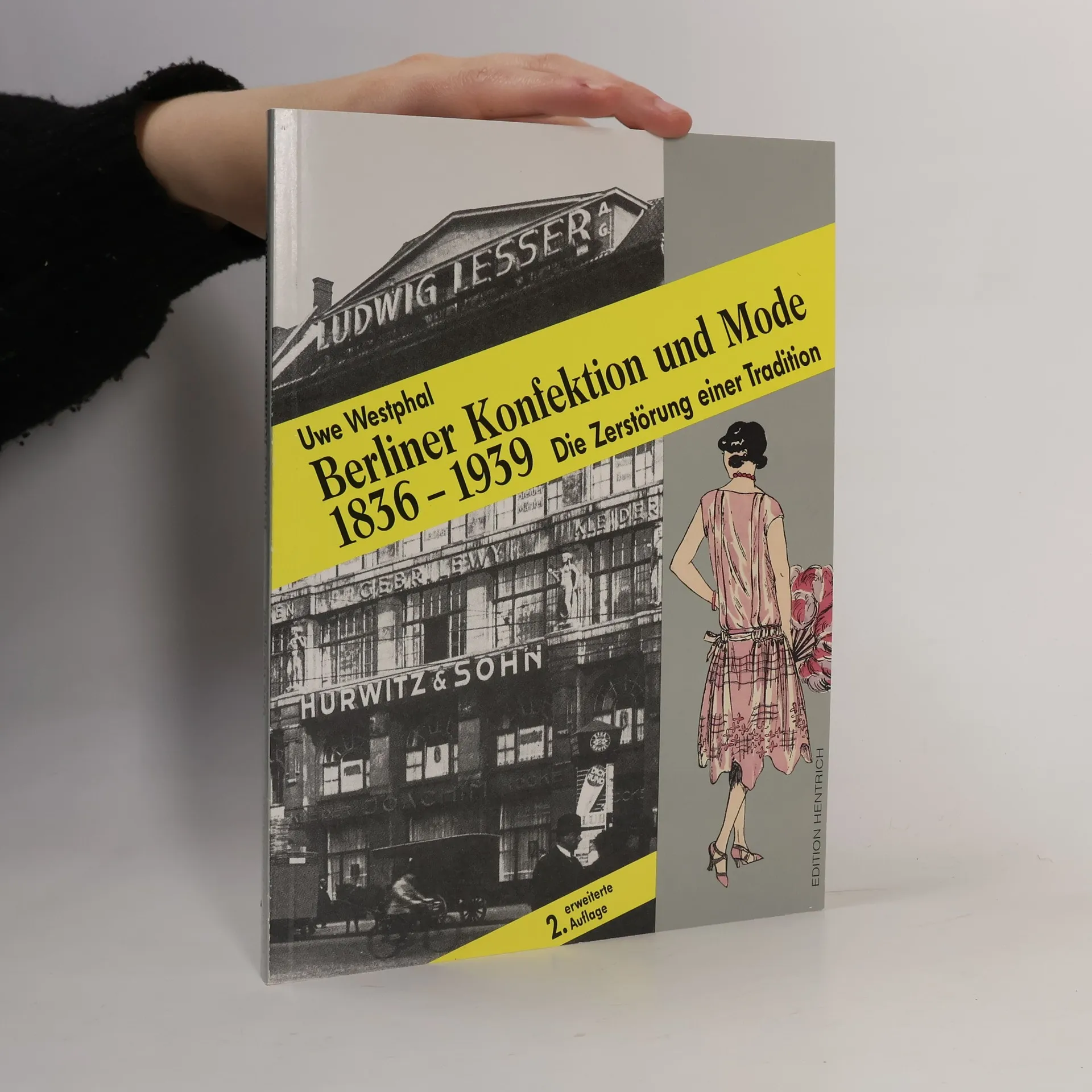
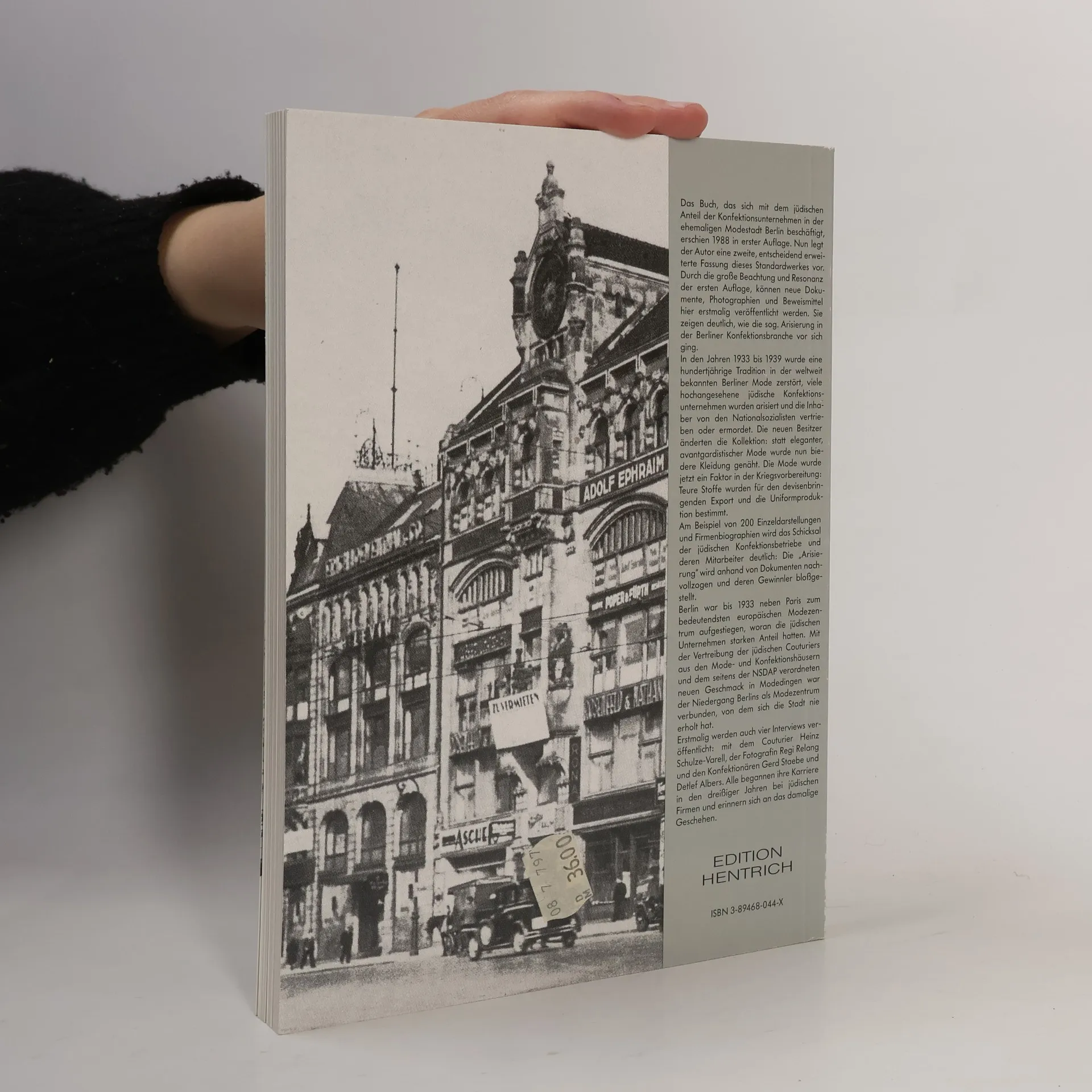
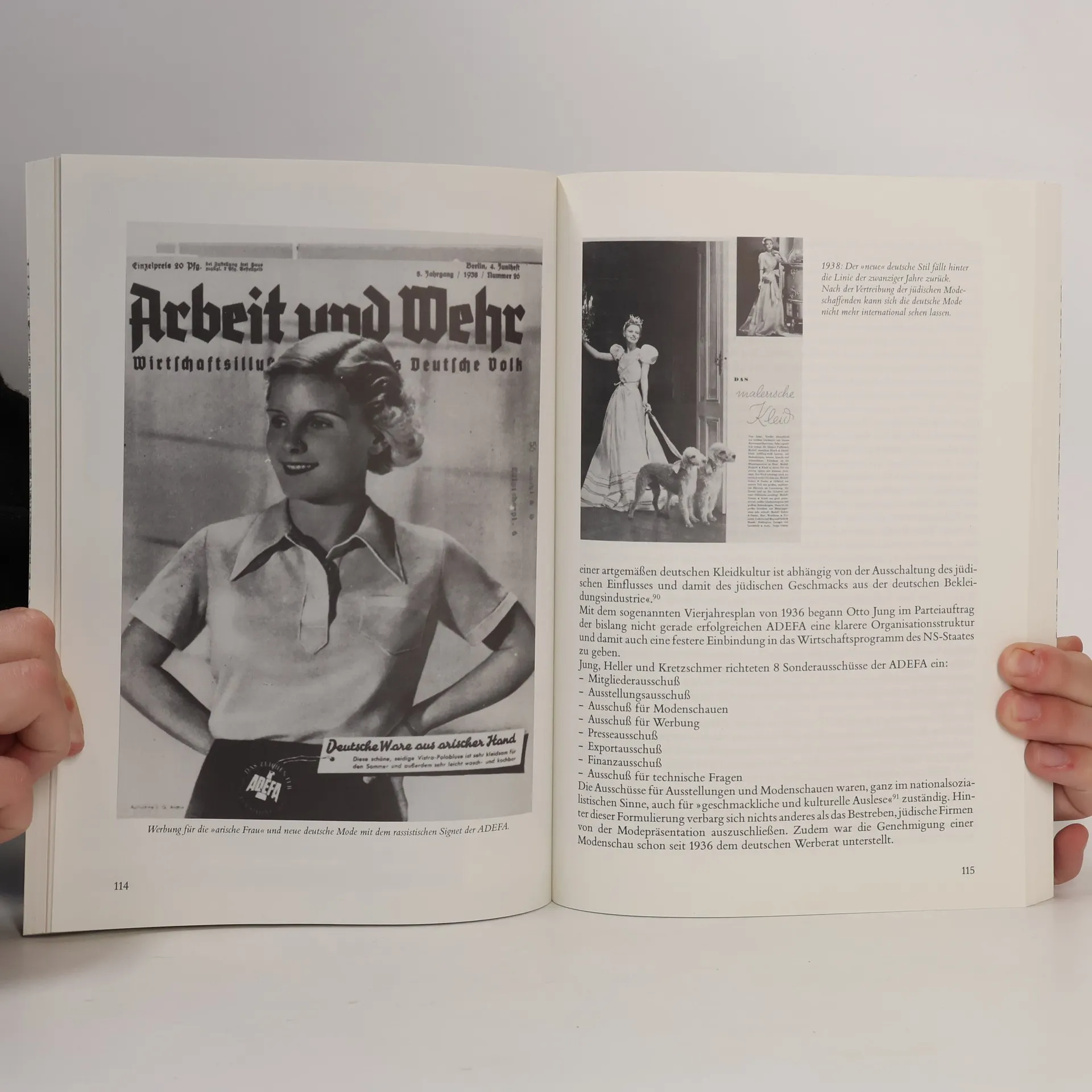
Chronicles the part of the Jews in the rise of the ladies' fashion industry in Berlin. Estimates that before 1933 about 50% of the industry was in Jewish hands, but Nazi propaganda claimed that it was 80% and called on German women to prefer Aryan fashion. Gradually Jews were edged out of the industry by boycotts, by the efforts of the ADEFA (the organization of German-Aryan clothing manufacturers), by prohibitions on Jewish firms to advertise or stage fashion shows, and finally by the destruction of their wares in the "Kristallnacht" pogrom and by the ensuing legislation. The firms were Aryanized and most of the Jewish owners and employees emigrated; those who did not were drafted for forced labor until deported. Contains many accounts of individuals and a list of the Aryanized firms and their new owners.
Nákup knihy
Berliner Konfektion und Mode, Uwe Westphal
- Jazyk

- Rok vydání
- 1992
- Vazba
- (měkká)
Doručení
Platební metody
Nikdo zatím neohodnotil.
- Titul
- Berliner Konfektion und Mode
- Podtitul
- Die Zerstörung einer Tradition, 1836-1939 - erweiterte 2. Auflage
- Jazyk
- německy
- Autoři
- Uwe Westphal
- Vydavatel
- Edition Hentrich
- Rok vydání
- 1992
- Vazba
- měkká
- Počet stran
- 264
- ISBN10
- 389468044X
- ISBN13
- 9783894680442
- Série
- Štítky
- Umění, Berlín, Židé, Třetí říše (nacistické Německo), 1933-1945, Umělecká řemesla, Módní průmysl
- Anotace
- Chronicles the part of the Jews in the rise of the ladies' fashion industry in Berlin. Estimates that before 1933 about 50% of the industry was in Jewish hands, but Nazi propaganda claimed that it was 80% and called on German women to prefer Aryan fashion. Gradually Jews were edged out of the industry by boycotts, by the efforts of the ADEFA (the organization of German-Aryan clothing manufacturers), by prohibitions on Jewish firms to advertise or stage fashion shows, and finally by the destruction of their wares in the "Kristallnacht" pogrom and by the ensuing legislation. The firms were Aryanized and most of the Jewish owners and employees emigrated; those who did not were drafted for forced labor until deported. Contains many accounts of individuals and a list of the Aryanized firms and their new owners.