


Více o knize
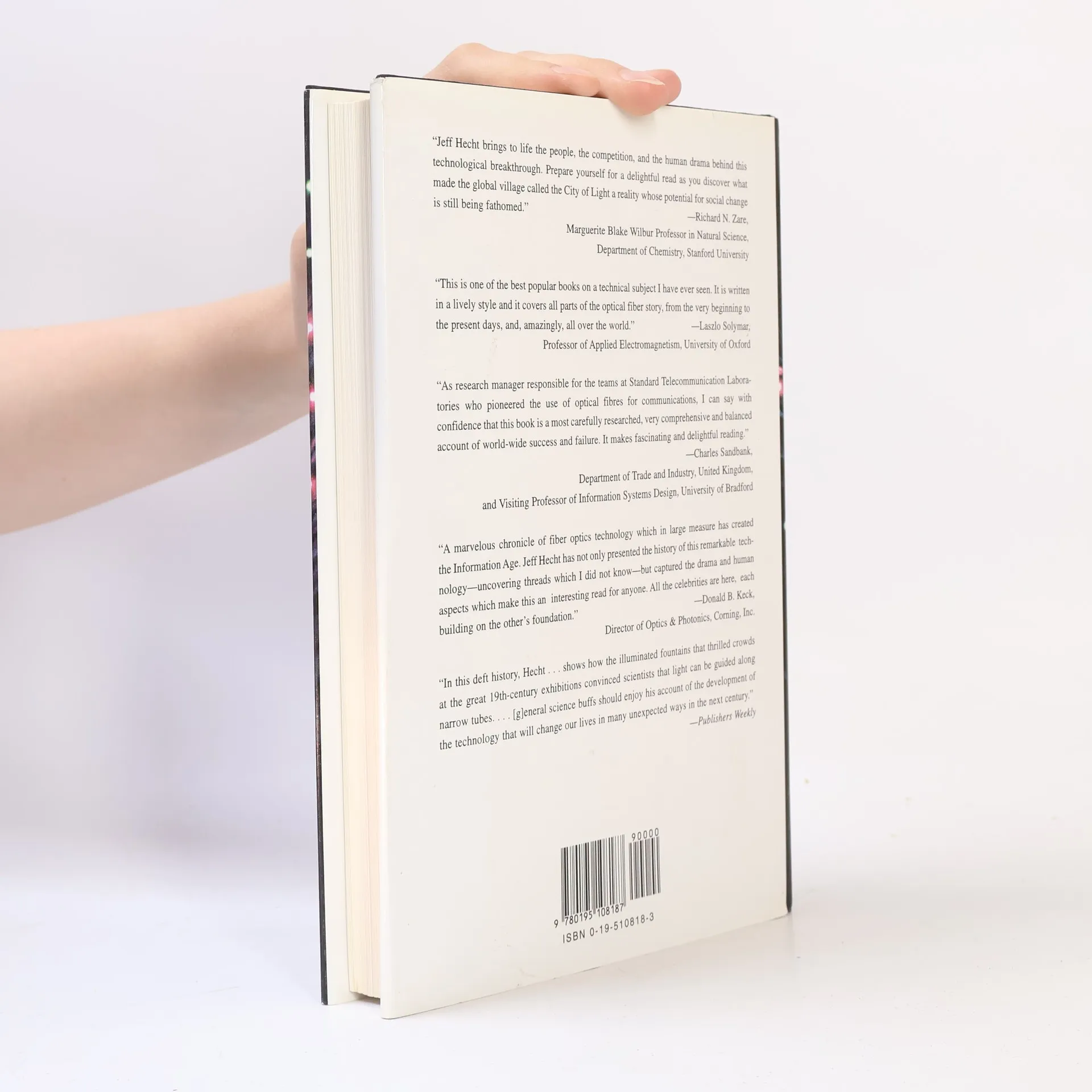
The narrative explores the evolution of fiber optics, illustrating its journey from a 19th-century novelty to a cornerstone of global communications. Crafted for a general audience by a seasoned journalist, it vividly recounts the key figures and concepts that propelled this groundbreaking technology. The foundational idea of guiding light was first examined in the 1840s, where researchers demonstrated it using jets of water. Its popularity surged later with the creation of illuminated fountains at Victorian exhibitions. The modern fiber-optic technology, utilizing flexible glass fibers, emerged independently multiple times in the early 20th century, with one of its initial applications being the endoscope, which revolutionized medical examinations. The practical use of endoscopes began in 1956 when an undergraduate developed solid glass fibers. The advent of the laser sparked interest in optical communications, leading to significant advancements at Standard Telecommunication Laboratories, where Charles K. Kao and his team proposed fiber-optic communications, proving glass could transmit light over long distances. Corning Glass Works then created low-loss glass fibers in 1970, paving the way for rapid development. By 1977, experimental phone links utilized fiber optics, and within years, long-distance companies began implementing fiber cables. The first transatlantic fiber-optic cable was laid in 1988, establishing fiber opti
Nákup knihy
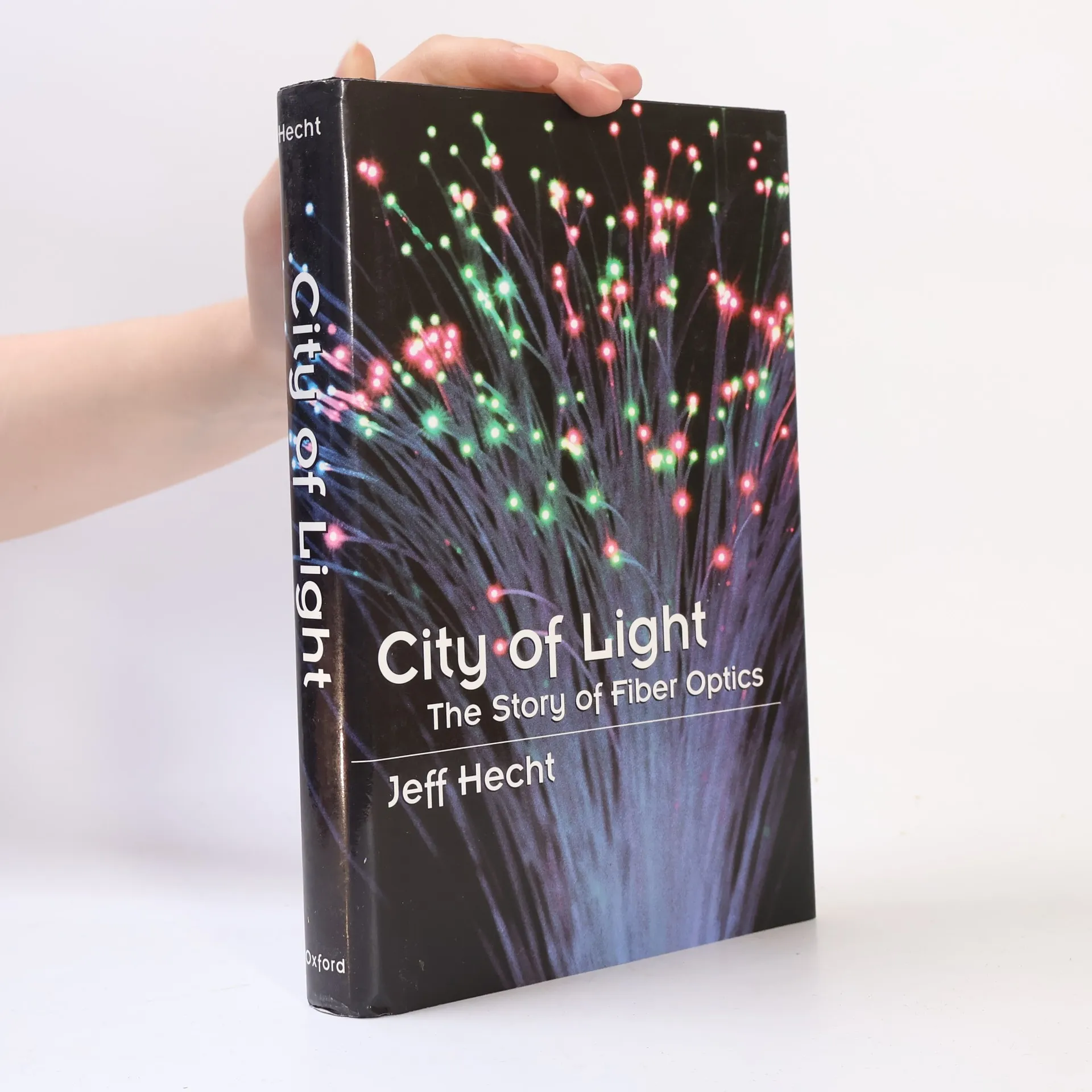
City of Light, Jeff Hecht
- Jazyk

- Rok vydání
- 1999
- Vazba
- (pevná)
Doručení
Platební metody
Nikdo zatím neohodnotil.
- Titul
- City of Light
- Podtitul
- The Story of Fiber Optics
- Jazyk
- anglicky
- Autoři
- Jeff Hecht
- Vydavatel
- Oxford University Press
- Rok vydání
- 1999
- Vazba
- pevná
- Počet stran
- 348
- ISBN10
- 0195108183
- ISBN13
- 9780195108187
- Série
- Štítky
- Přírodní vědy, Věda, Technologie
- Anotace
- The narrative explores the evolution of fiber optics, illustrating its journey from a 19th-century novelty to a cornerstone of global communications. Crafted for a general audience by a seasoned journalist, it vividly recounts the key figures and concepts that propelled this groundbreaking technology. The foundational idea of guiding light was first examined in the 1840s, where researchers demonstrated it using jets of water. Its popularity surged later with the creation of illuminated fountains at Victorian exhibitions. The modern fiber-optic technology, utilizing flexible glass fibers, emerged independently multiple times in the early 20th century, with one of its initial applications being the endoscope, which revolutionized medical examinations. The practical use of endoscopes began in 1956 when an undergraduate developed solid glass fibers. The advent of the laser sparked interest in optical communications, leading to significant advancements at Standard Telecommunication Laboratories, where Charles K. Kao and his team proposed fiber-optic communications, proving glass could transmit light over long distances. Corning Glass Works then created low-loss glass fibers in 1970, paving the way for rapid development. By 1977, experimental phone links utilized fiber optics, and within years, long-distance companies began implementing fiber cables. The first transatlantic fiber-optic cable was laid in 1988, establishing fiber opti