

Více o knize
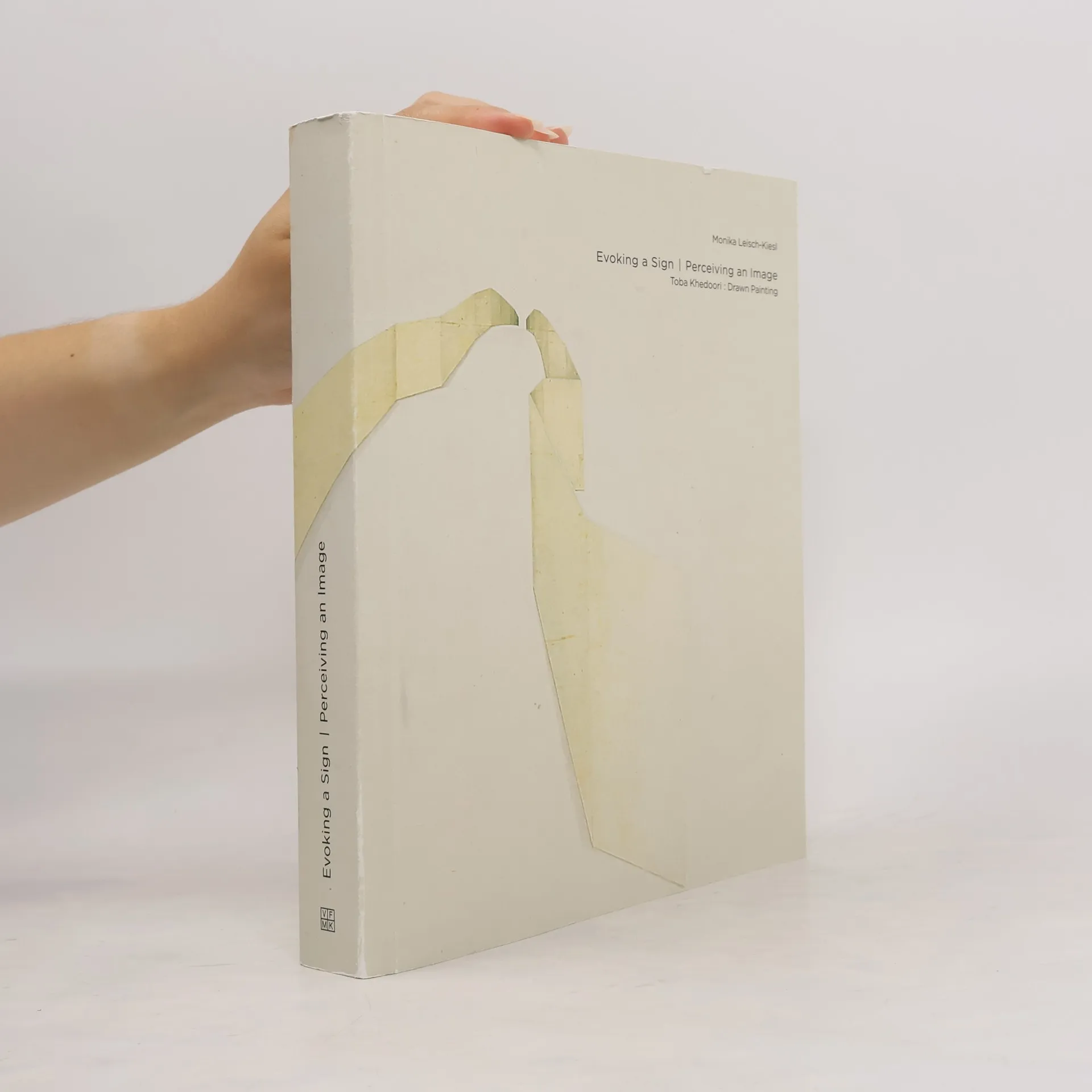
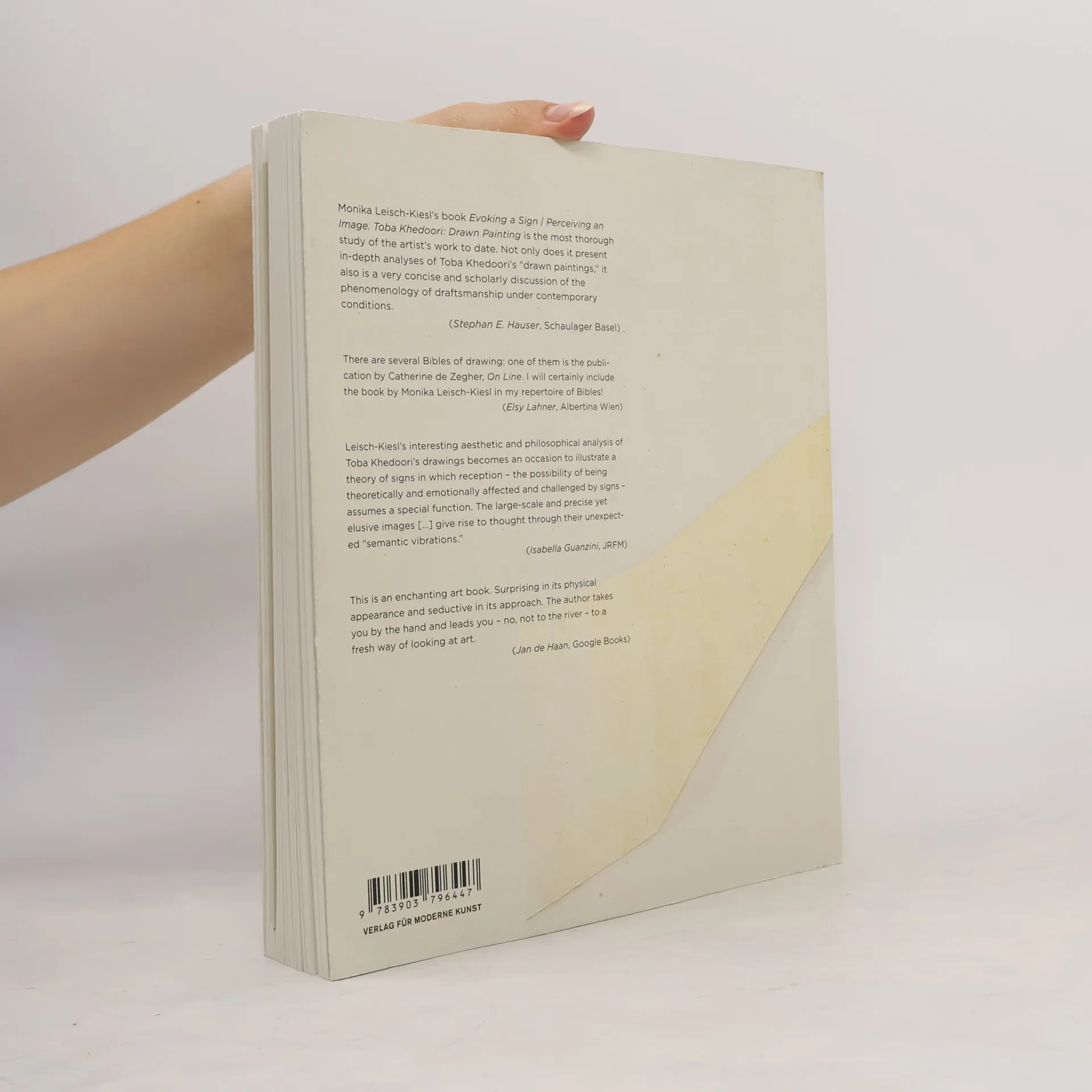
How do images gain relevance? On the basis of the large-format drawings by artist Toba Khedoori, Monika Leisch-Kiesl’s study situates itself between semiotic and phenomenological theorems. The author investigates the specific qualities of drawing in an examination of the 1990s and 2000s and asks: How does an image become a sign? This permits, or even evokes a contextualization with various social and cultural correlations. The second question: How does a sign become an image? implies a specific form of attention. Jacques Derrida’s concept of brisure – “hinge,” as he introduced it in De la grammatologie – leads to a conversation between the images of Khedoori and the texts of Derrida and opens up an area of reflection “in the blank space of the inter-text” / “dans le blanc de l’entre-texte.”
Nákup knihy
Evoking a Sign | Perceiving an Image, Monika Leisch-Kiesl
- Jazyk

- Rok vydání
- 2021
- Vazba
- (měkká)
Doručení
Platební metody
Nikdo zatím neohodnotil.
- Titul
- Evoking a Sign | Perceiving an Image
- Jazyk
- anglicky
- Autoři
- Monika Leisch-Kiesl
- Vydavatel
- VfmK
- Rok vydání
- 2021
- Vazba
- měkká
- ISBN10
- 3903796441
- ISBN13
- 9783903796447
- Série
- Anotace
- How do images gain relevance? On the basis of the large-format drawings by artist Toba Khedoori, Monika Leisch-Kiesl’s study situates itself between semiotic and phenomenological theorems. The author investigates the specific qualities of drawing in an examination of the 1990s and 2000s and asks: How does an image become a sign? This permits, or even evokes a contextualization with various social and cultural correlations. The second question: How does a sign become an image? implies a specific form of attention. Jacques Derrida’s concept of brisure – “hinge,” as he introduced it in De la grammatologie – leads to a conversation between the images of Khedoori and the texts of Derrida and opens up an area of reflection “in the blank space of the inter-text” / “dans le blanc de l’entre-texte.”