


Více o knize
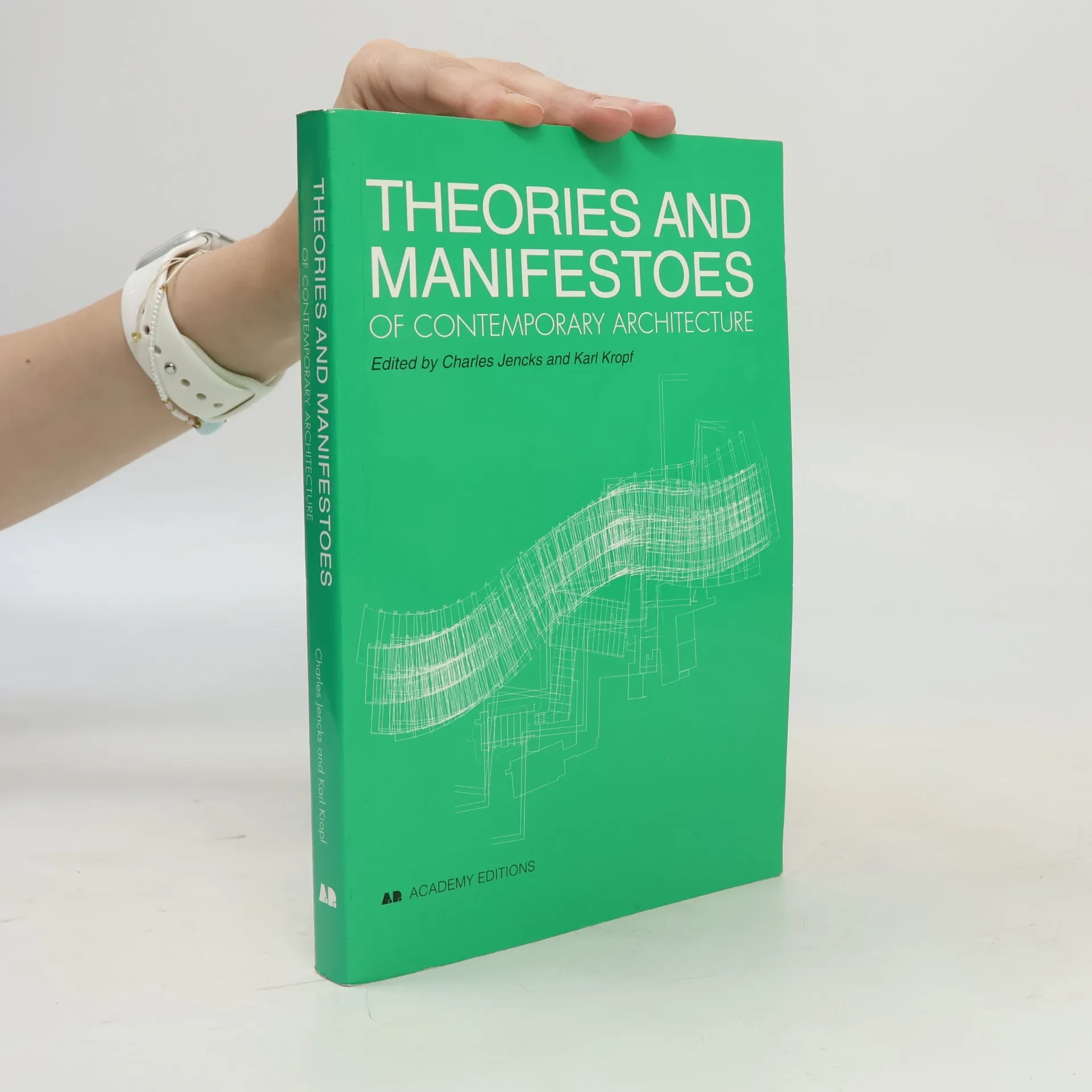
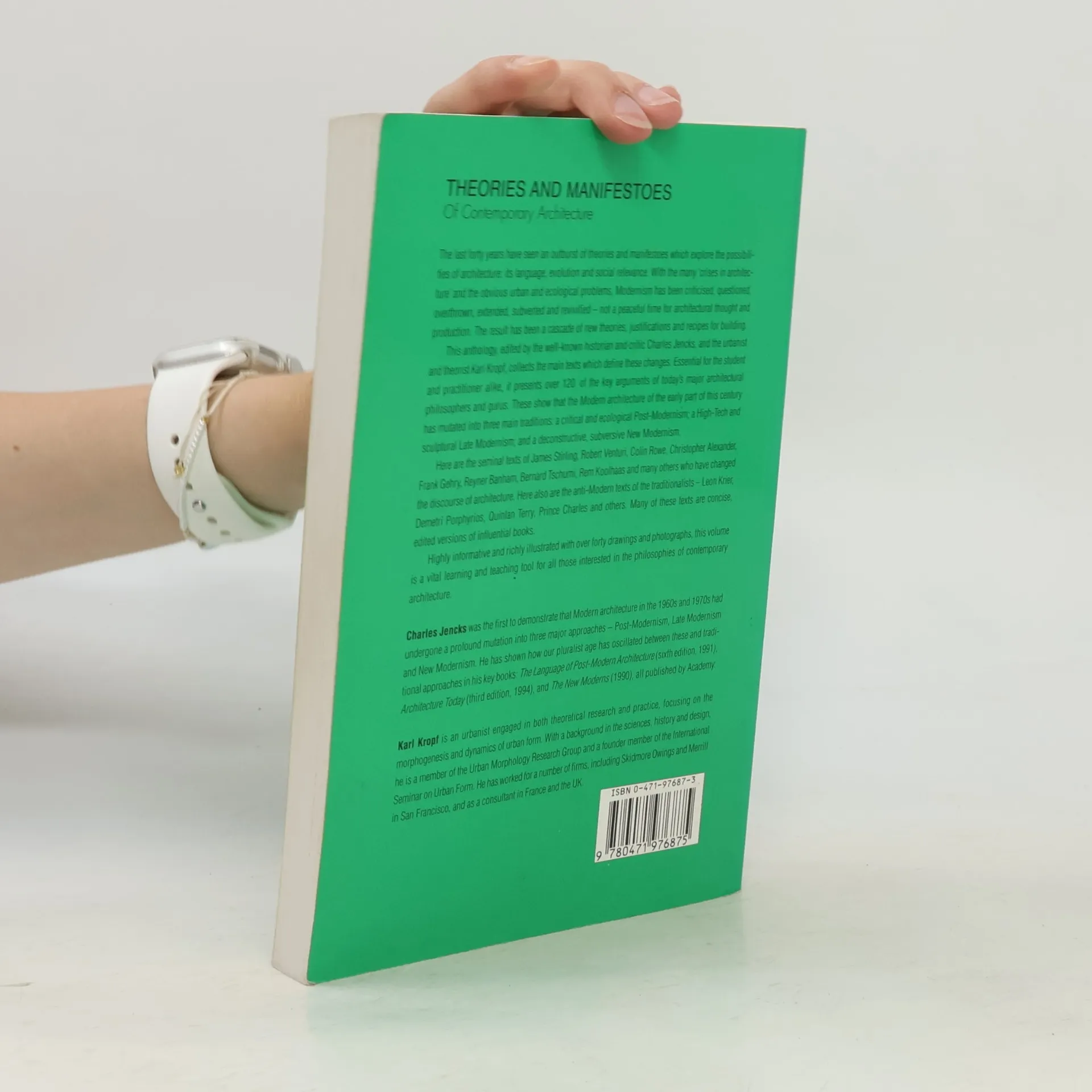
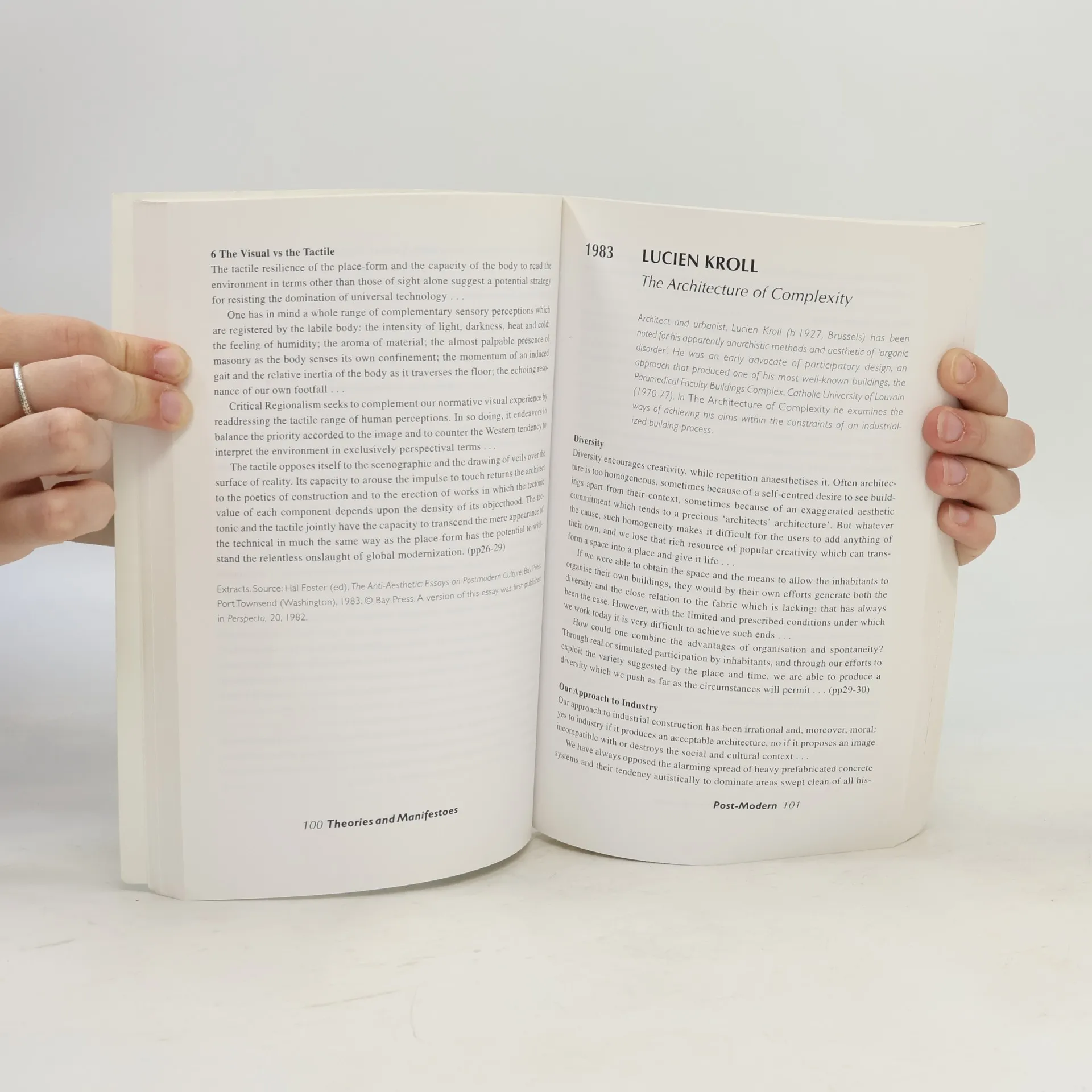
The last forty years have witnessed a surge of theories and manifestoes exploring architecture's language, evolution, and social relevance. Amid numerous 'crises in architecture' and pressing urban and ecological issues, Modernism has faced extensive critique and transformation, leading to a dynamic period of architectural thought and production. This anthology, edited by Charles Jencks and Karl Kropf, compiles key texts that encapsulate these shifts. It serves as an essential resource for students and practitioners, presenting over 120 pivotal arguments from contemporary architectural philosophers and theorists. The anthology reveals that early 21st-century Modern architecture has evolved into three primary traditions: critical and ecological Post-Modernism, High-Tech and sculptural Late Modernism, and deconstructive New Modernism. It includes seminal works from influential figures such as James Stirling, Robert Venturi, and Frank Gehry, alongside anti-Modern perspectives from traditionalists like Leon Krier and Prince Charles. Many texts are concise, edited excerpts from significant books, and the volume is richly illustrated with over forty drawings and photographs, making it a vital resource for anyone interested in contemporary architectural philosophies.
Nákup knihy
Theories and Manifestoes of Contemporary Architecture, Charles Jencks, Karl Kropf
- Jazyk

- Rok vydání
- 1997
- Vazba
- (měkká),
- Stav knihy
- Poškozená
- Cena
- 136 Kč
Nikdo zatím neohodnotil.
- Jazyk
- anglicky
- Autoři
- Charles Jencks, Karl Kropf
- Vydavatel
- Academy Press
- Rok vydání
- 1997
- Vazba
- měkká
- Počet stran
- 312
- ISBN10
- 0471976873
- ISBN13
- 9780471976875
- Série
- Kategorie
- Štítky
- Naučná literatura, Umění & Kultura, Společenské vědy, Architektura, Architektura & Urbanismus, Filosofie
- Anotace
- The last forty years have witnessed a surge of theories and manifestoes exploring architecture's language, evolution, and social relevance. Amid numerous 'crises in architecture' and pressing urban and ecological issues, Modernism has faced extensive critique and transformation, leading to a dynamic period of architectural thought and production. This anthology, edited by Charles Jencks and Karl Kropf, compiles key texts that encapsulate these shifts. It serves as an essential resource for students and practitioners, presenting over 120 pivotal arguments from contemporary architectural philosophers and theorists. The anthology reveals that early 21st-century Modern architecture has evolved into three primary traditions: critical and ecological Post-Modernism, High-Tech and sculptural Late Modernism, and deconstructive New Modernism. It includes seminal works from influential figures such as James Stirling, Robert Venturi, and Frank Gehry, alongside anti-Modern perspectives from traditionalists like Leon Krier and Prince Charles. Many texts are concise, edited excerpts from significant books, and the volume is richly illustrated with over forty drawings and photographs, making it a vital resource for anyone interested in contemporary architectural philosophies.