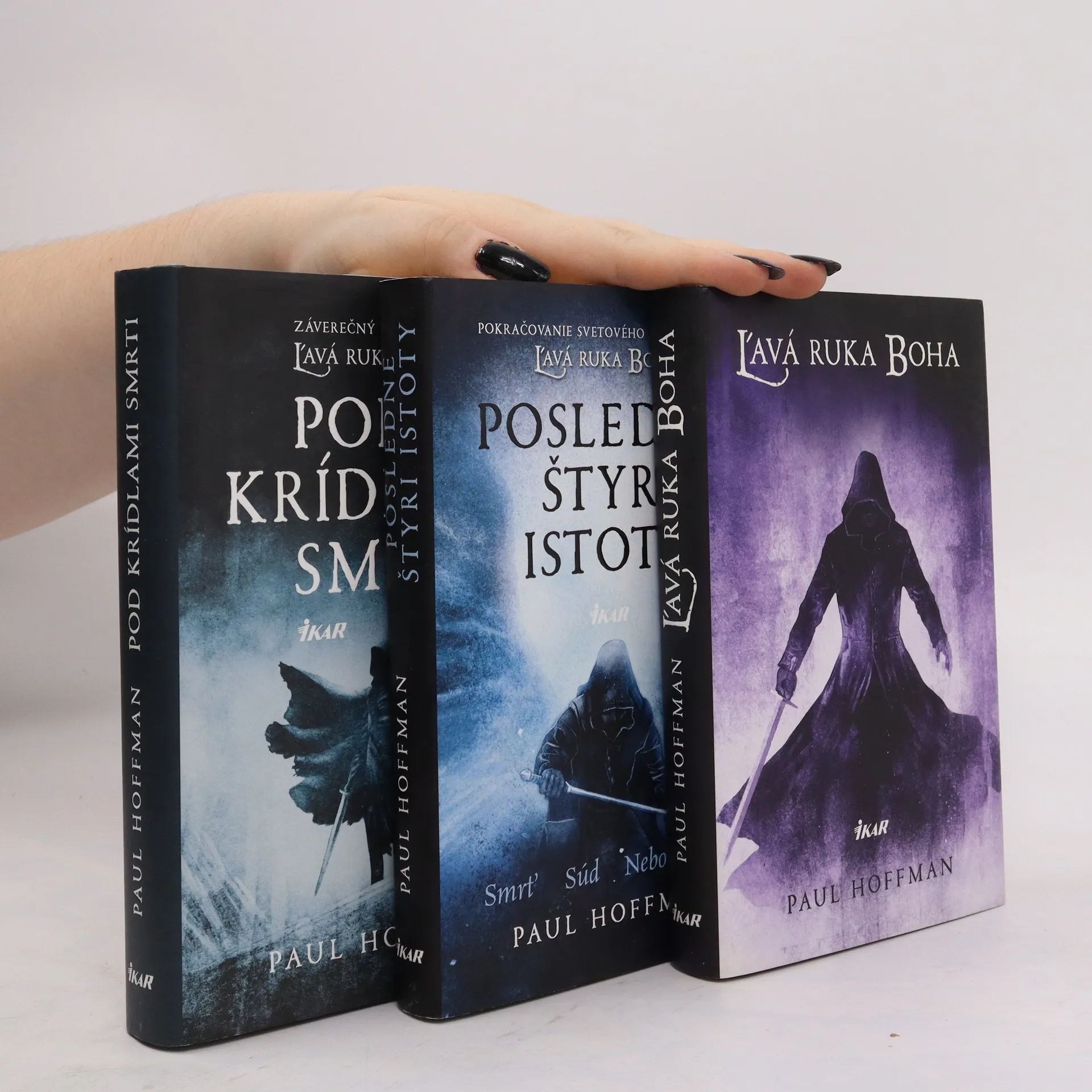
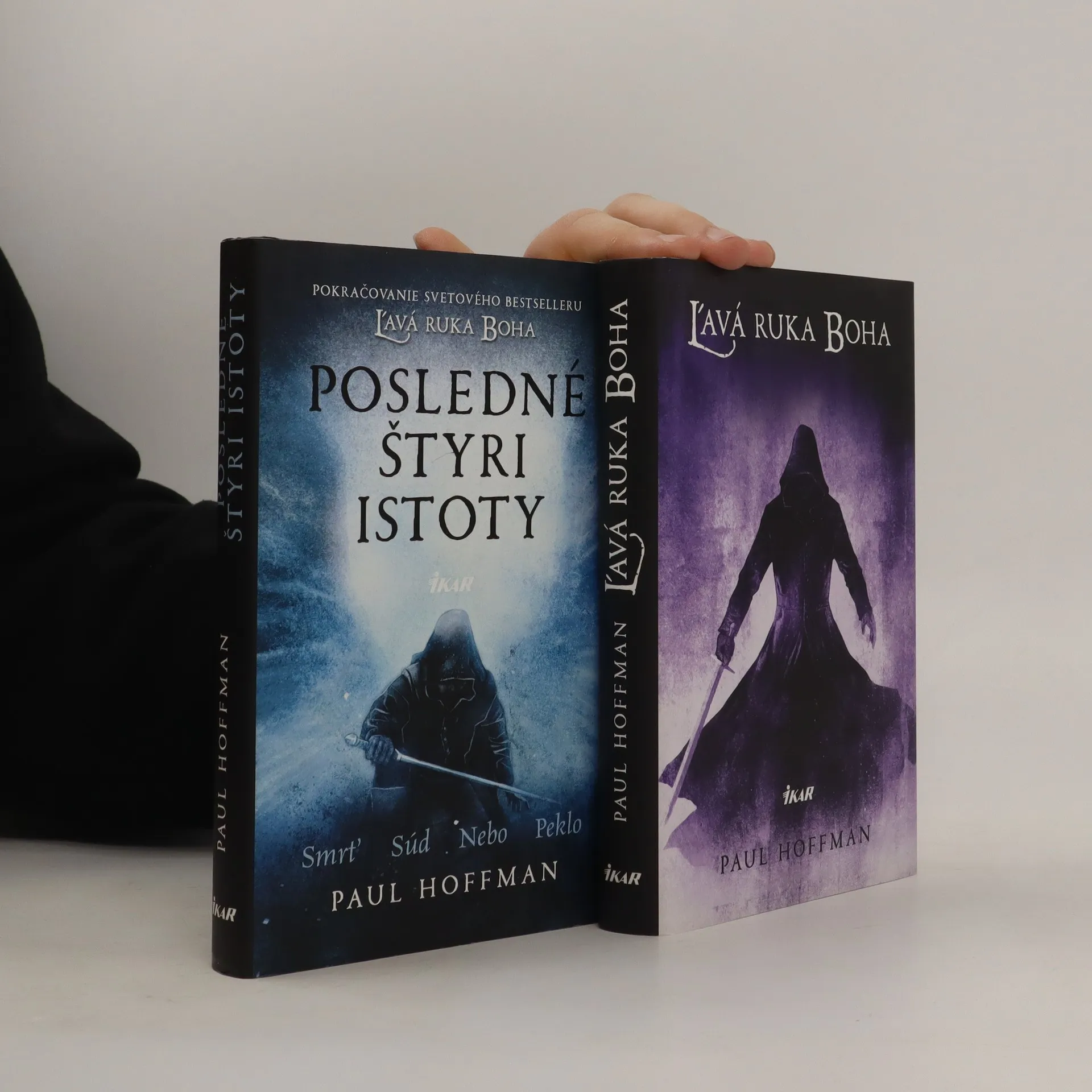
Paul Hoffman píše s nesmírnou představivostí a hloubkou, často se zabývá tématy predikce, společenských systémů a hranic svobody projevu. Jeho díla jsou prodchnuta černým humorem a pronikavým vhledem do lidské povahy, což čtenářům nabízí jedinečný pohled na svět. Své zkušenosti z různých životních drah mistrně vplétá do svých příběhů, které jsou zároveň provokativní a pohlcující. Jeho styl je ostrý, s nečekanými obraty, které zanechávají trvalý dojem.
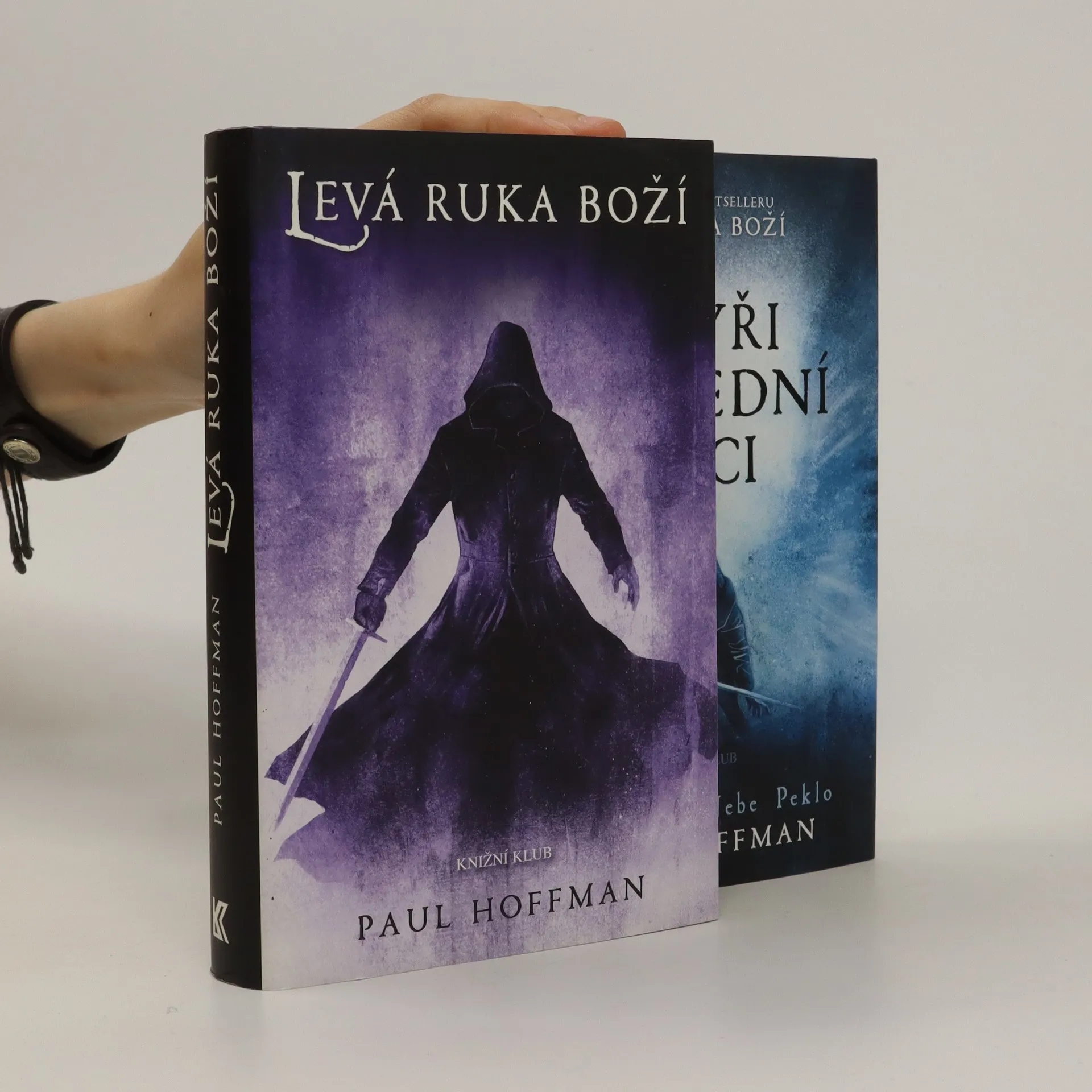
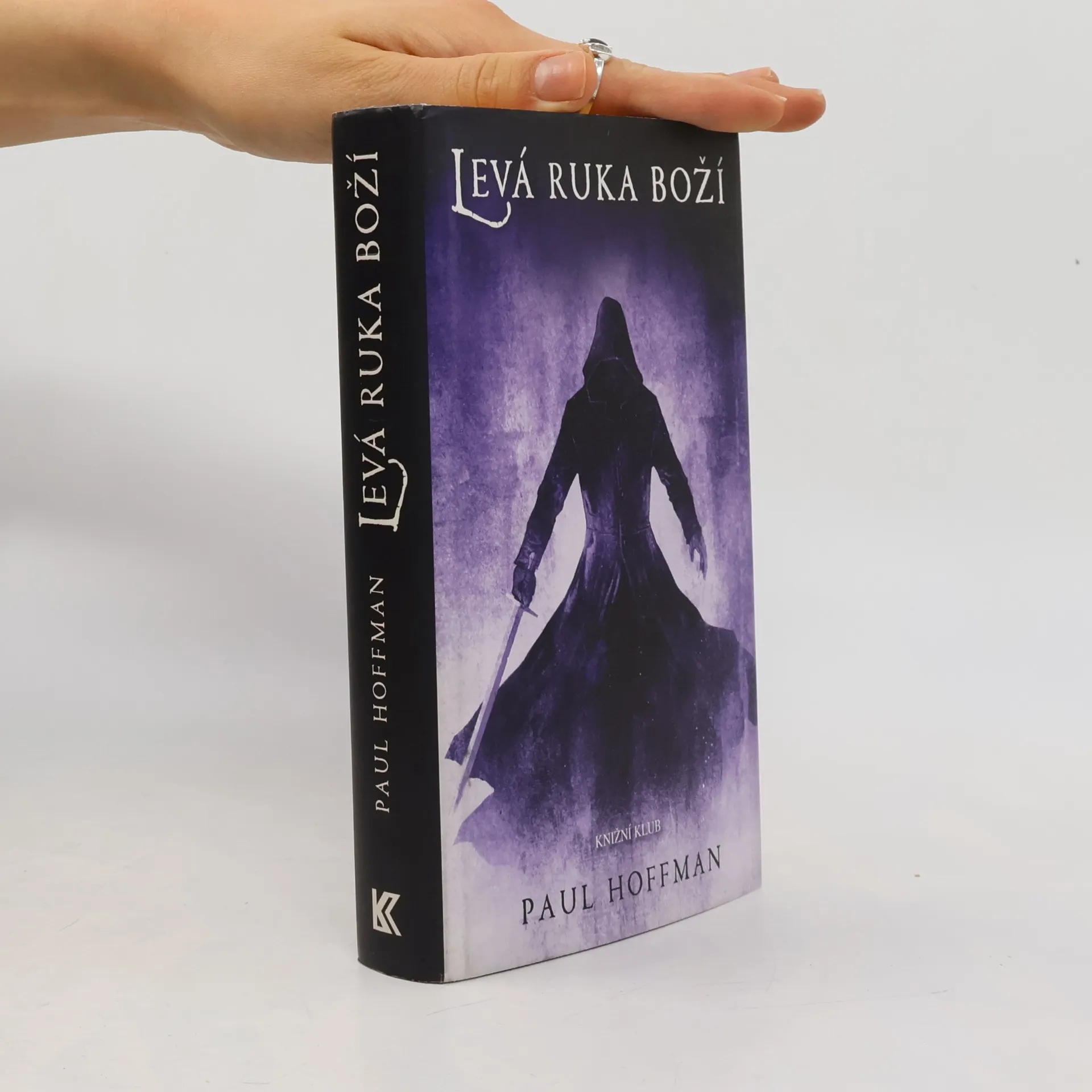
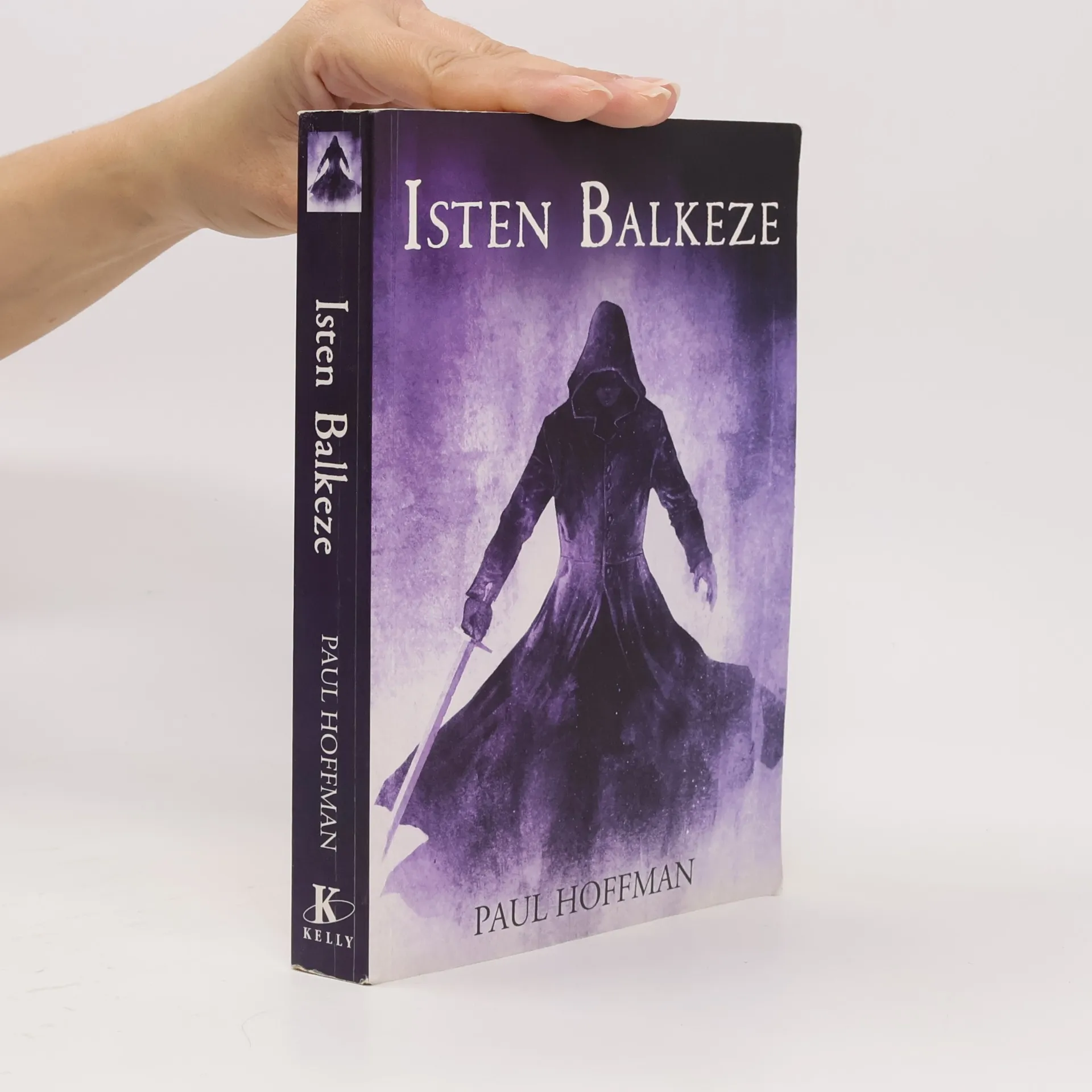
Cale je jedním z tisíců chlapců, kterých se zmocnili fanatičtí a krutí vykupitelé a v naprosté izolaci je připravují na válku proti rouhačským antagonistům. S neobyčejně zmužilým, ale zároveň velmi uzavřeným čtrnáctiletým hochem má podle všeho zvláštní plány jeden z nejvlivnějších vykupitelů – lord vojevůdce Bosco. Jednoho večera Cale náhodou spatří lorda dohlížitele Picarba, jak pitvá ještě živou dívku, a šokován jeho bestiálním počínáním jej zabije a zachrání jinou dívku jménem Riba.
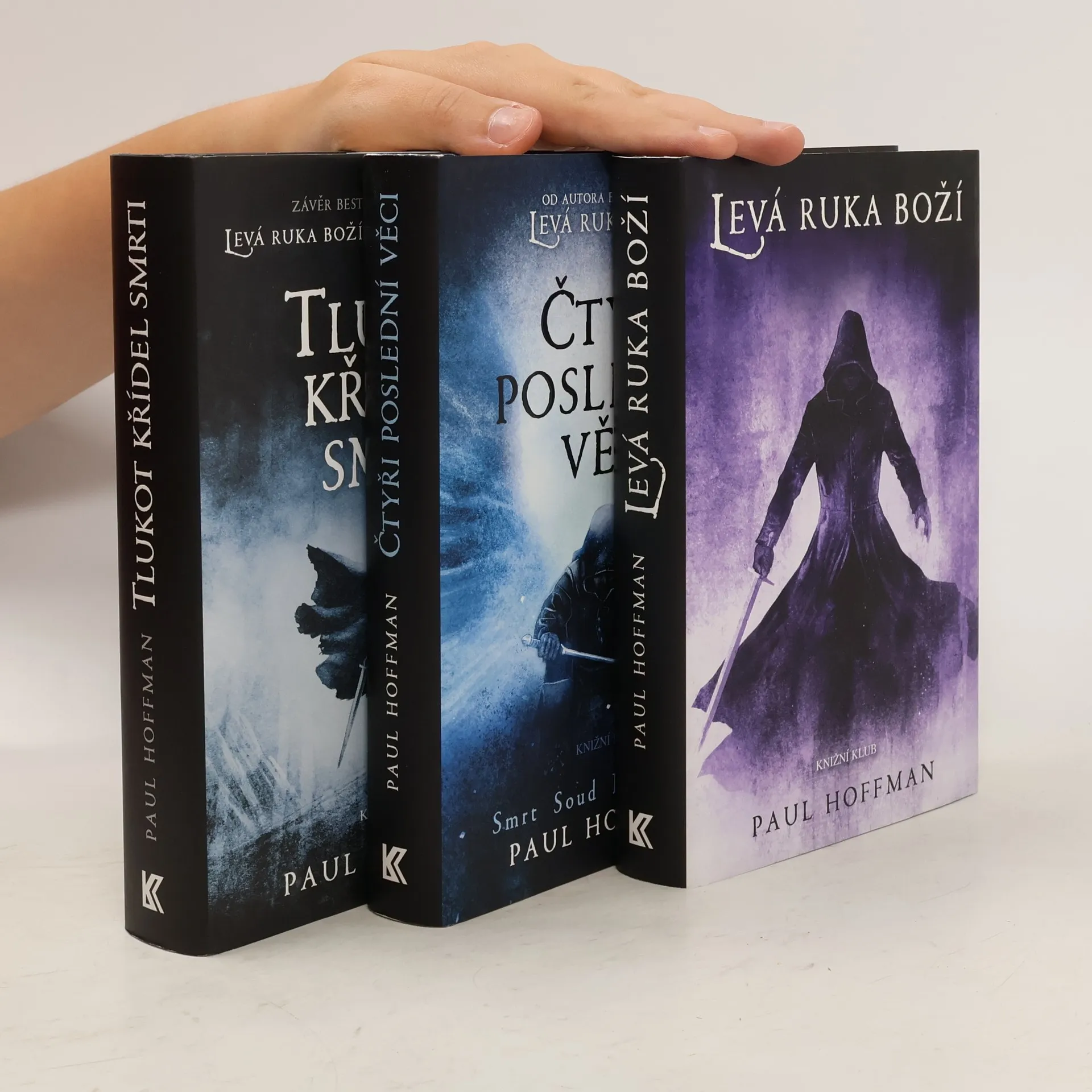
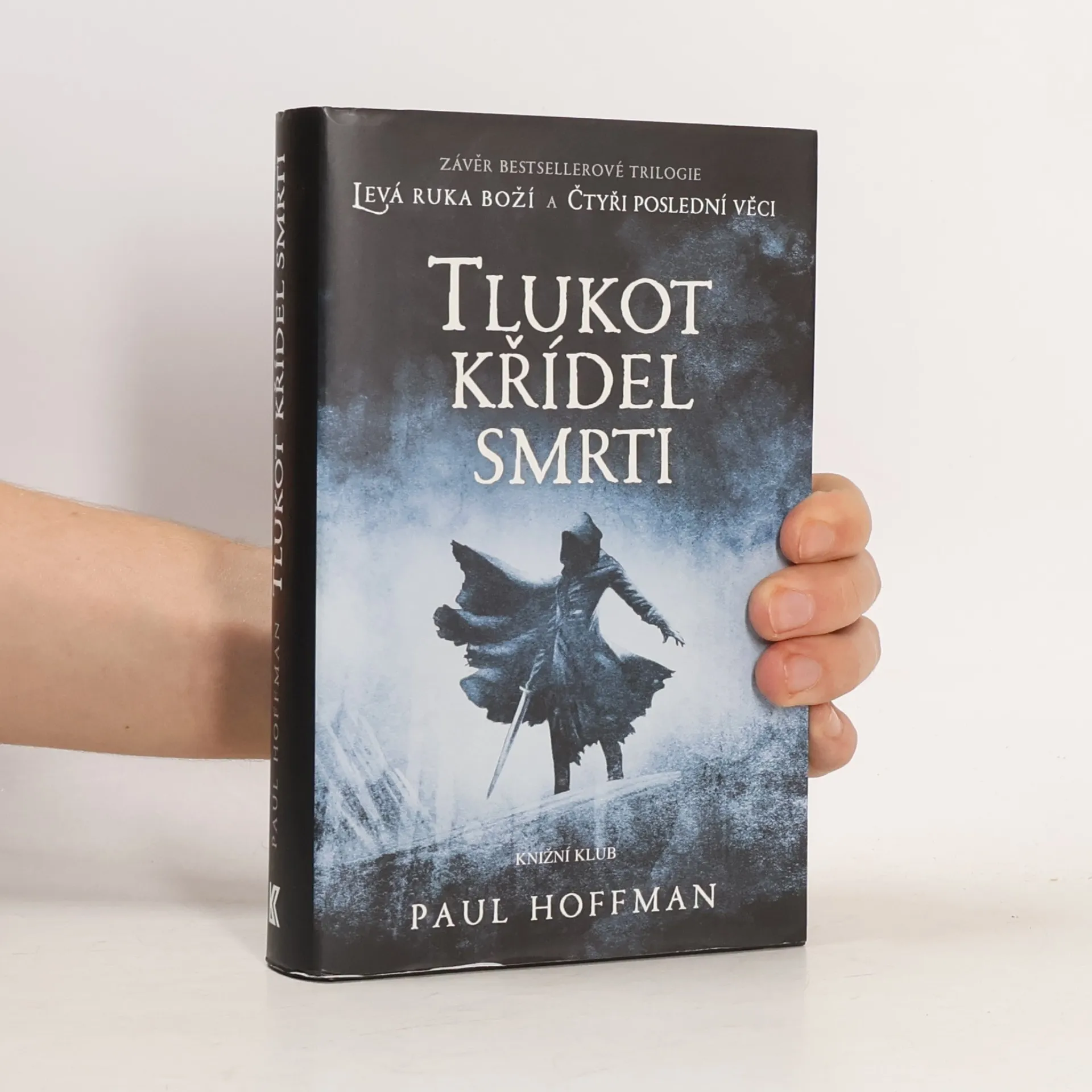
Závěrečná část bestsellerové trilogie, navazující na Levou ruku Boží a Čtyři poslední věci.
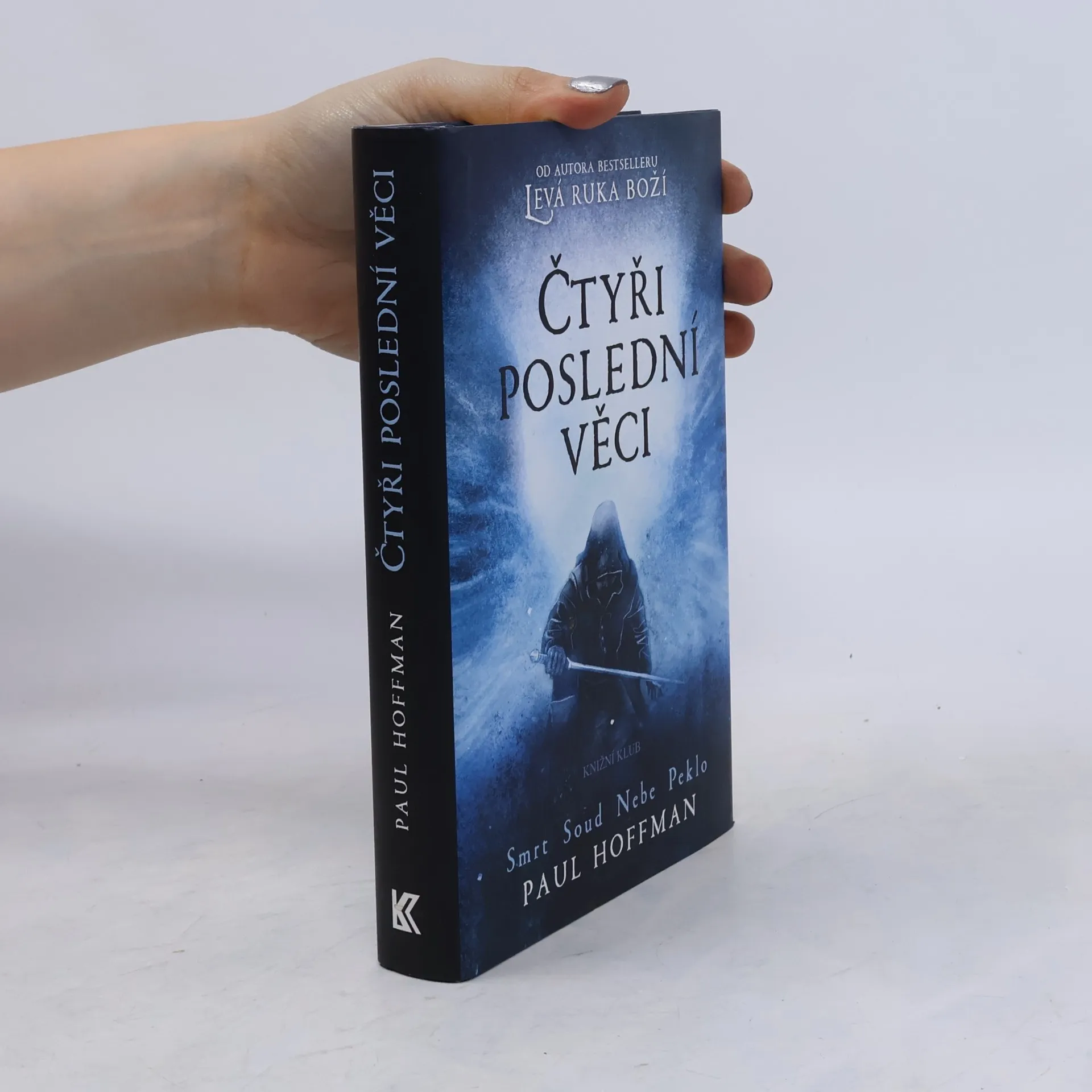
Od okamžiku, kdy Cale zjistil, že jeho brutální vojenský výcvik má posloužit jedinému účelu - zničení největšího omylu Božího, tedy samotného lidstva -, pronásleduje ho tentýž muž, který z něj učinil Anděla smrti: papež vykupitel Bosco. Den zúčtování se blíží. Touha po pomstě Cala přivede zpátky ke svatyni vykupitelů - a k poslední konfrontaci s osobou, kterou na celém světě nejvíc nenávidí…
Druhý díl bestsellerové série Levá ruka Boží: Po zradě a nuceném návratu do svatyně vykupitelů se Thomas Cale od lorda vojevůdce dozví, že lidstvo musí být zničeno: je to jediná možnost, jak napravit největší Boží omyl. Cale se se svou rolí levé ruky Boží, anděla smrti, zdánlivě smiřuje. Má na dosah absolutní moc - hrůzyplný náboženský zápal a vojenská síla vykupitelů jsou pro něj zbraní, již ovládá stejně mistrovsky, jako kdysi zacházel s nožem. Apokalypsa je patrně v jeho rukou - Calova duše je však mnohem nepochopitelnější a nevyzpytatelnější, než lze tušit.
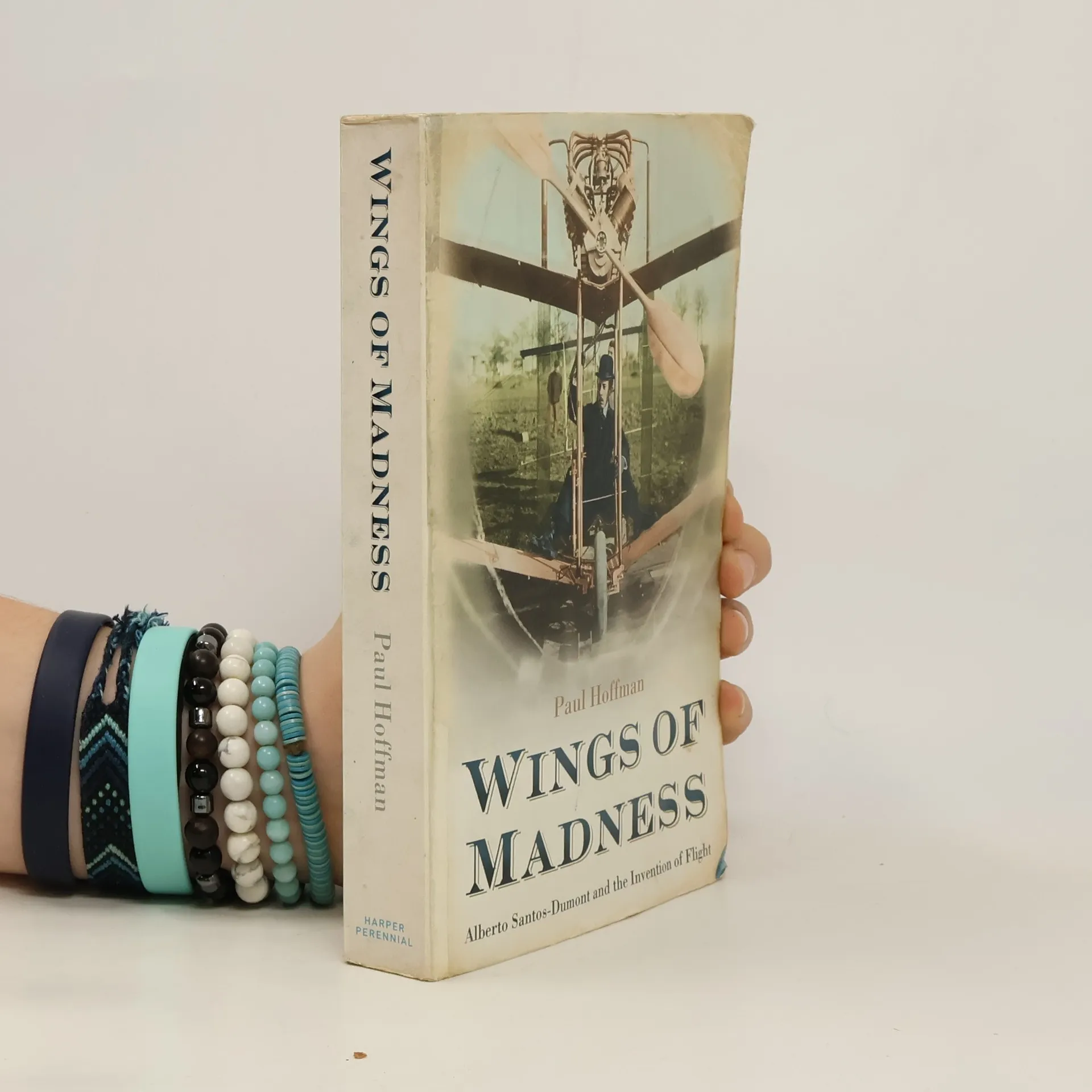
The story of man's struggle to fly is full of larger than life personalities, but none was so eccentric, so entertaining or so complex as Alberto Santos-Dumont, the Brazilian 'father of aviation'. An engineer and dandy, Santos-Dumont was the darling of the international press in the first decade of the twentieth century, hopping from Parisian restaurant to nightclub in his personal flying machine, circling the Eiffel Tower in his balloon No. 6 or dining with the Rothschilds and Roosevelts. Yet Santos-Dumont was a troubled genius. Depressed by the success of the Wright brothers in Kitty Hawk and by the increasing militarisation of flight, he retreated to European sanatoriums throughout the 1920s, returning to Brazil only to be confronted by the horrors of civil war. Paul Hoffman tells the tale of Santos-Dumont and modern flight with wit and sympathy, showing us how often brilliance is coupled with tragedy.
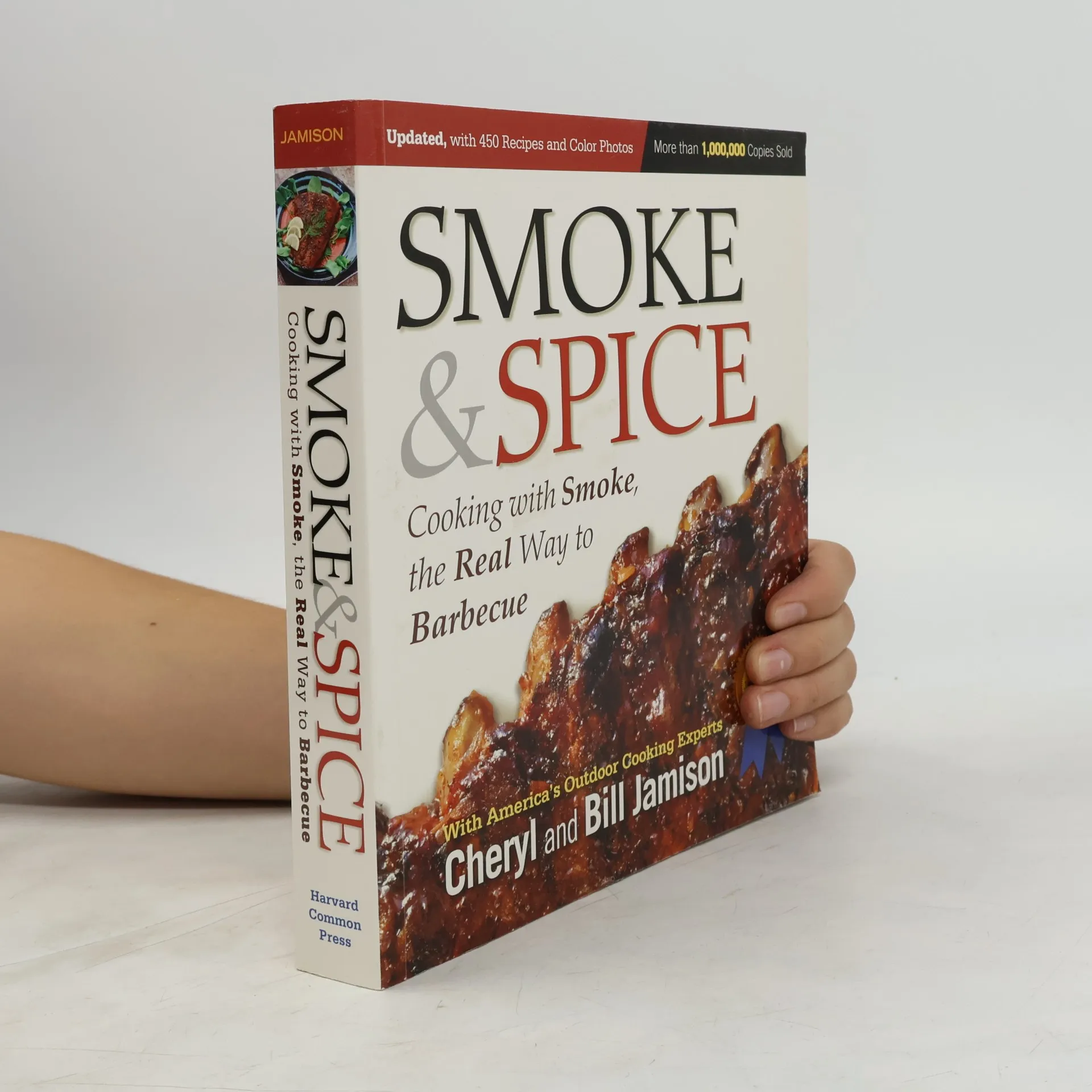
Cooking With Smoke, The Real Way To Barbecue - Updated, With 450 Recipes And Color Photos
560 stránek
20 hodin čtení
Cheryl and Bill Jamison’s path-breaking Smoke and Spice was the first, and remains by far the best-selling, book on real barbecue—slow-cooking over smoke—for home cooks. This new and expanded edition appears on the twentieth anniversary of the classic book’s first edition. It has two key features. First, there are 50 new recipes, including meat dishes, such as Molasses-Brined Pork Butt, Lemon-Coriander Chicken, and Brisket Frito Pie, as well as sauces, sides, and desserts, like Peppery Sweet Onion Sauce, Cornbread Fritters, and Chipotle Cherry Cobbler. Second, it now contains cover- to-cover color photography and page design. The photographs show details of backyard-smoking techniques, delectable views of finished foods from the smoker, and atmospheric shots of barbecue joints and of the legendary pitmasters who cook in them. With 450 recipes from each of the U.S.’s best barbecue regions, each recipe expertly perfected and fine-tuned by the Jamisons, amusing anecdotes and tall tales from the colorful world of ’Q, and take-it-to-the-bank advice on how to use any kind of smoker (as well as how to smoke-cook on a conventional grill), this expanded and richly photographed new edition is certain to usher in a new generation of backyard cooks devoted to real barbecue.
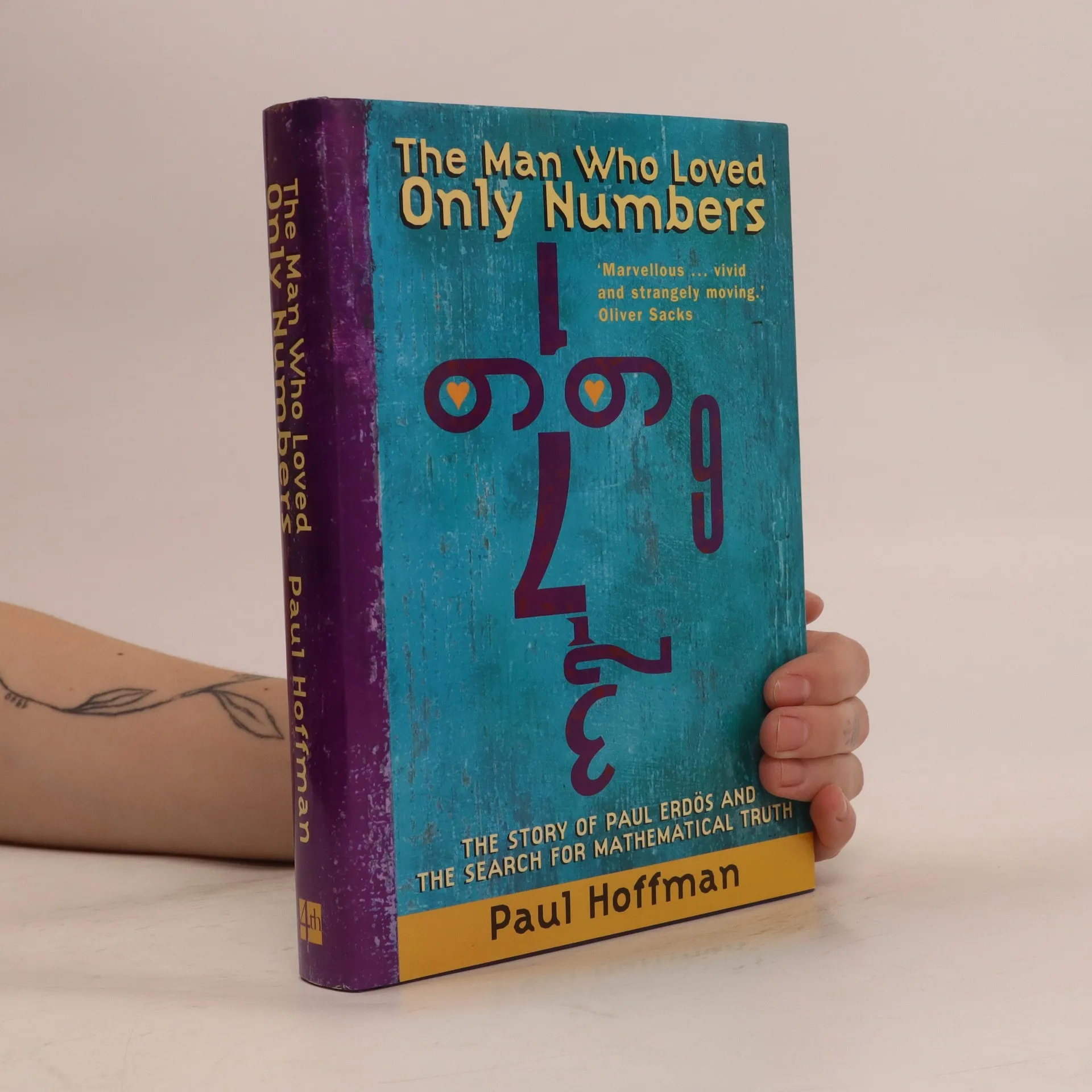
The biography of a mathematical genius. Paul Erdos was the most prolific pure mathematician in history and, arguably, the strangest too. 'A mathematical genius of the first order, Paul Erdos was totally obsessed with his subject -- he thought and wrote mathematics for nineteen hours a day until he died. He travelled constantly, living out of a plastic bag and had no interest in food, sex, companionship, art -- all that is usually indispensible to a human life. Paul Hoffman, in this marvellous biography, gives us a vivid and strangely moving portrait of this singular creature, one that brings out not only Erdos's genius and his oddness, but his warmth and sense of fun, the joyfulness of his strange life.' Oliver Sacks For six decades Erdos had no job, no hobbies, no wife, no home; he never learnt to cook, do laundry, drive a car and died a virgin. Instead he travelled the world with his mother in tow, arriving at the doorstep of esteemed mathematicians declaring 'My brain is open'. He travelled until his death at 83, racing across four continents to prove as many theorems as possible, fuelled by a diet of espresso and amphetamines. With more than 1,500 papers written or co-written,
A collection of articles on the highways and byways of mathematics. The book is written in the tradition of Martin Gardner and aims to be both entertaining and fascinating.
THE GRIPPING NEW ADVENTURE FROM THE AUTHOR OF THE LEFT HAND OF GOD SERIES Welcome those of you from the Old World. Welcome to the New. Mankind's most reluctant hero - Thomas Cale - is back. ________ Thomas Cale has been running from his enemies. Believing him to be the incarnation of God's rage, the world's most violent religious sect trained him to destroy His greatest mistake. Mankind itself. But Cale has other ideas. Cale is a paradox: arrogant and innocent, generous and pitiless. Feared and revered by those that created him, he has already used his terrifying talent for violence and destruction to bring down the most powerful civilization in the world. But having fled to America, Thomas Cale has been caught. He has been given a choice. Murder the American president - the father of that fragile democracy and the the best hope for ending slavery - or be handed over for execution himself. The survival of rule by the people, and the right of millions not to be owned by others, rests on Cale's decision . . . ________ Praise for Paul Hoffman: 'Fiction on a grand and ambitious scale' Daily Telegraph 'Brooding and magnificent' Eoin Colfer 'Exhilaratingly engaging writing' Spectator 'Gripped me from the first chapter' Conn Iggulden 'A riveting, powerful tale' Publishers Weekly
"Idefigyeljenek. A Shotover dűlőn található Megváltó Menedék neve egy átkozott hazugság, mert megváltásból egy fikarcnyit nem talál ott az ember, menedéket pedig még kevésbé." A Megváltók Menedéke egy hatalmas, elszigetelt hely, ahonnan hiányzik az öröm és a remény. A legtöbb lakója még kisfiúkorában került oda, minden esetleges szándékuk és akaratuk ellenére, hogy hosszú évekig legyenek kénytelenek elviselni a Megváltó Lordok brutális zsarnokságát, akiknek a kegyetlensége és erőszakossága egyetlen célt szolgál - a Felakasztott Megváltó kiengesztelését. Senki nem ismeri ki magát tökéletesen a Menedékben, annyira végeérhetetlenek és kanyargósak a folyosói - amelyeket a vallási hevület évszázadainak bűze tölt be. Az egyik ilyen folyosón egy fiú áll és a sötét ablakon keresztül az éppen beérkező legújabb lakókat bámulja. Talán tizennégy-tizenöt éves lehet - nem tudja biztosan, ahogy senki más sem. Már rég elfeledte az igazi nevét, de itt Cale-nek hívják. Nem emlékszik semmire a múltjából. És nem tud semmit a jövőjéről... Üdvözöljük a Halál Angyalát. Paul Hoffman regénye egy képzeletbeli, sötét középkorra emlékeztető világba kalauzol, amelyet a kamaszodó főszereplő, Cale szemén keresztül ismerhetünk meg. A kiemelkedő képességű, befelé forduló, dacos és erős Cale-t több száz társával együtt kisgyermekkorában rabolták el vagy vásárolták meg a szüleiktől a Megváltók, egy szélsőségesen puritán szerzetesrend tagjai, hogy Isten tökéletes hadseregét neveljék ki belőlük. A fiúk a világtól elzárva élnek felnőttkorukig (már amelyikük megéri) egy erődszerű kolostorban folyamatos imádkozással, tornával és a harcművészetek elsajátításával töltve napjaikat. A főhőst titokzatos légkör veszi körül. Istenhez hasonlóan a Megváltók is azokat sújtják a legkeményebb szigorukkal, akik valamilyen okból fontosak számukra. Az elviselhetetlen körülmények arra kényszerítik Cale-t, hogy a Rend egyik legfőbb szabályát megszegve összebarátkozzon és szövetséget kössön két társával. Egy váratlan eseménynek és egy szerencsés felfedezésnek köszönhetően lehetőségük nyílik megszökni a kolostorból, ehhez azonban minden bátorságukat össze kell szedniük. Nehéz döntés előtt állnak. Az állandó felügyelet, a Megváltók kegyetlenkedése és az éhezés nem kellemes, de ezeket legalább ismerik. A külvilágban viszont csupa olyasmivel találkozhatnak, amiről eddig csak borzalmakat hallottak, és még elképzelni sem tudják, mi várhat rájuk. A kihalt, dűnés Ótvarföldön túl, ahol politikai nagyhatalmak csatároznak egymással szüntelen, ahol dúl a romlottság és a korrupció, jelen van a szeretet, a szerelem, a hősiesség és az önfeláldozás is. Az eddig a világtól elzártan élő fiúk sokkal többet megtudhatnak magukról és az életről, mint azt valaha is gondolták volna… Paul Hoffman regénye elejétől a végéig lebilincselő és izgalmas. Noha alapvetően a felnőtté válásról szól, nem csak ifjúsági irodalom. Minden korosztályhoz szóló, örök kérdéseket vet fel az emberi és vallási toleranciáról, a gyávaságról és a bátorságról, a szerelemről, a barátságról és arról, hogy a jó cél valóban bármilyen eszközt szentesít-e.