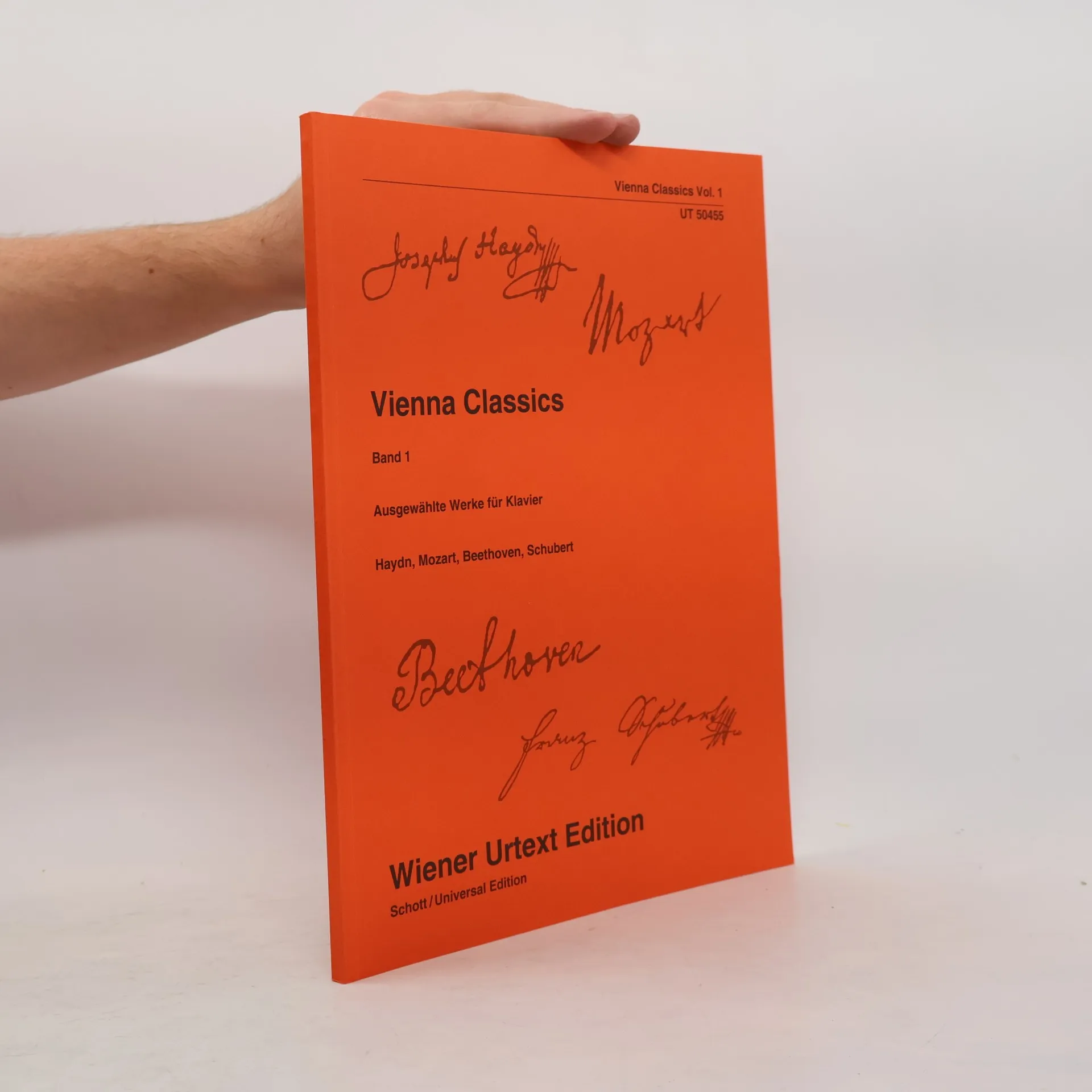
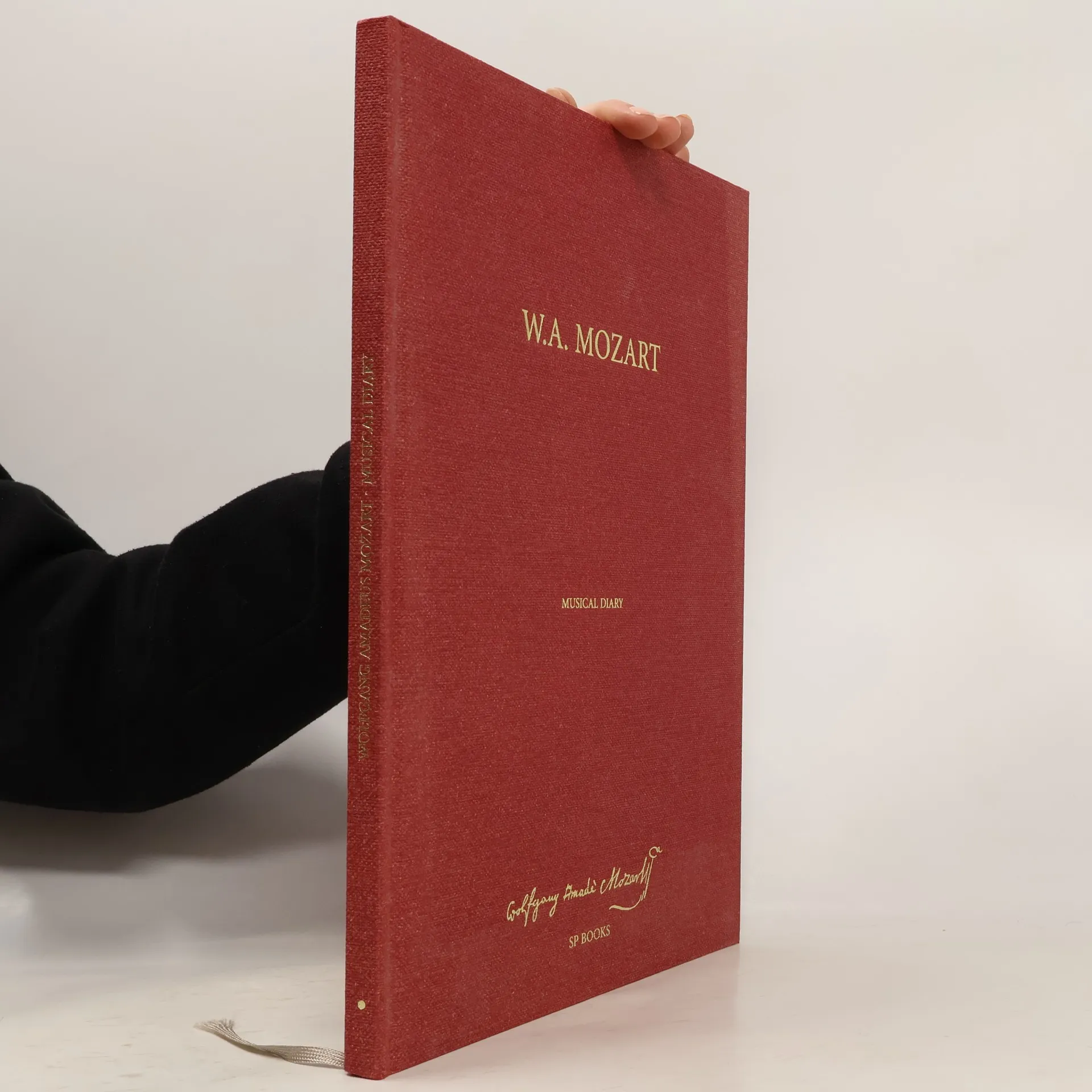
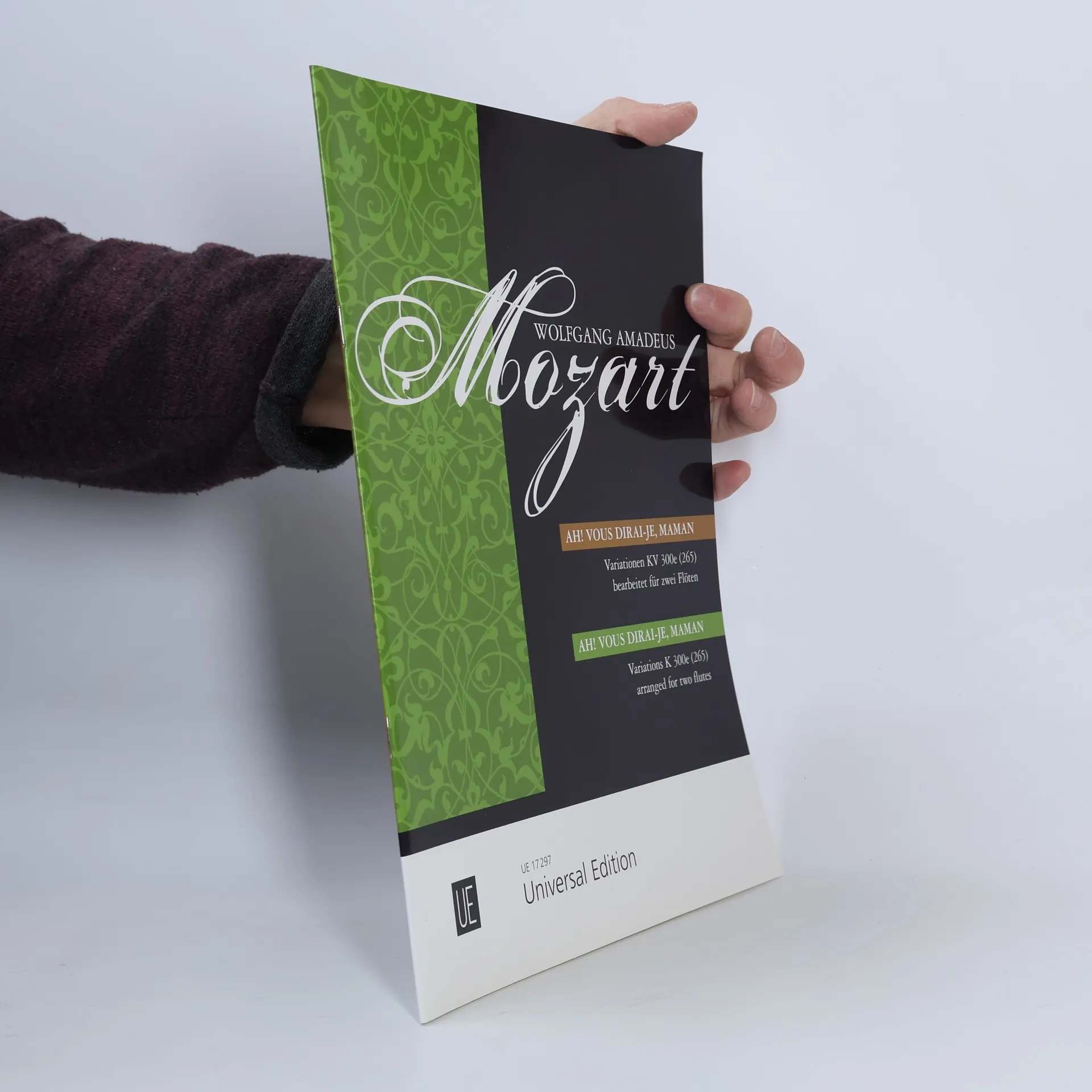
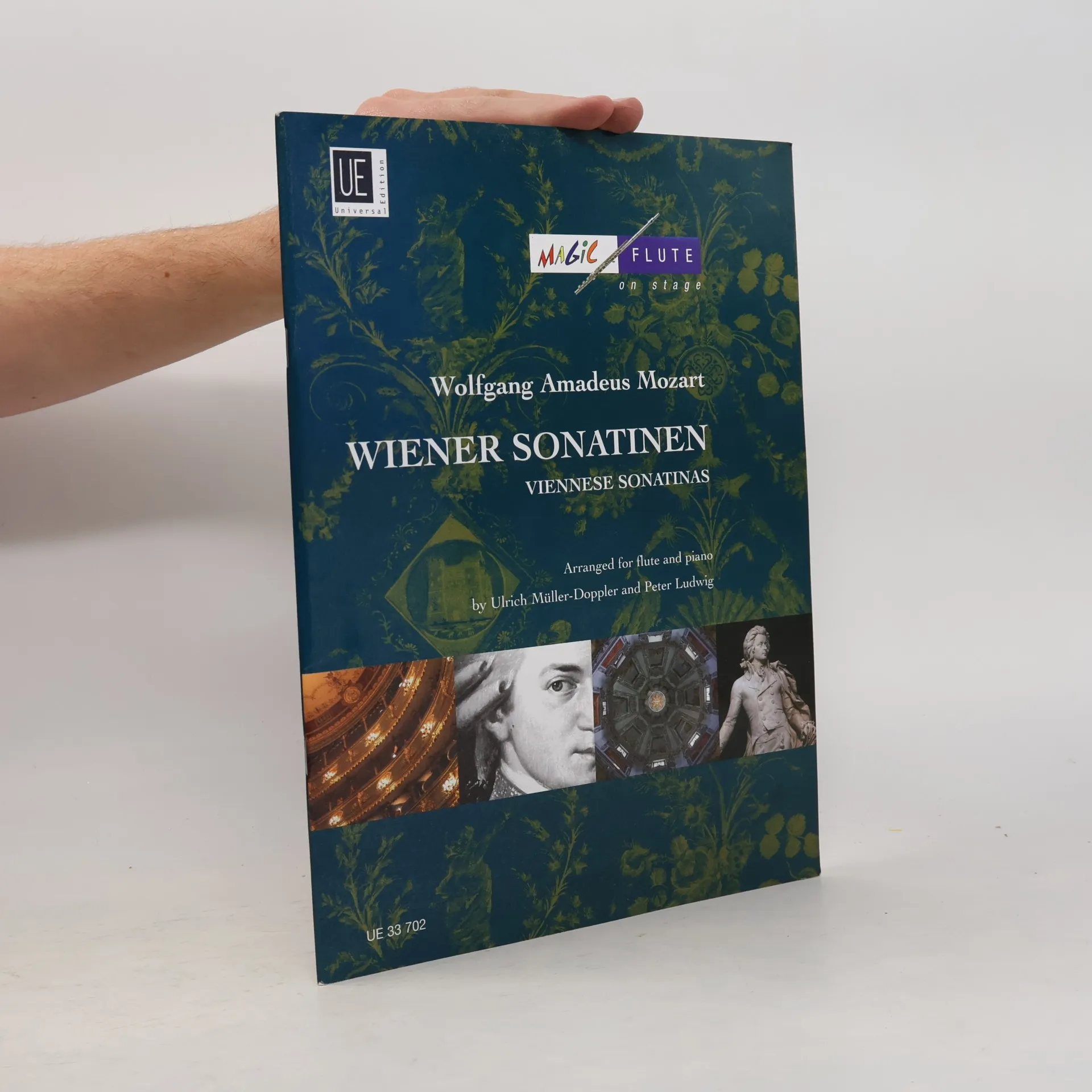
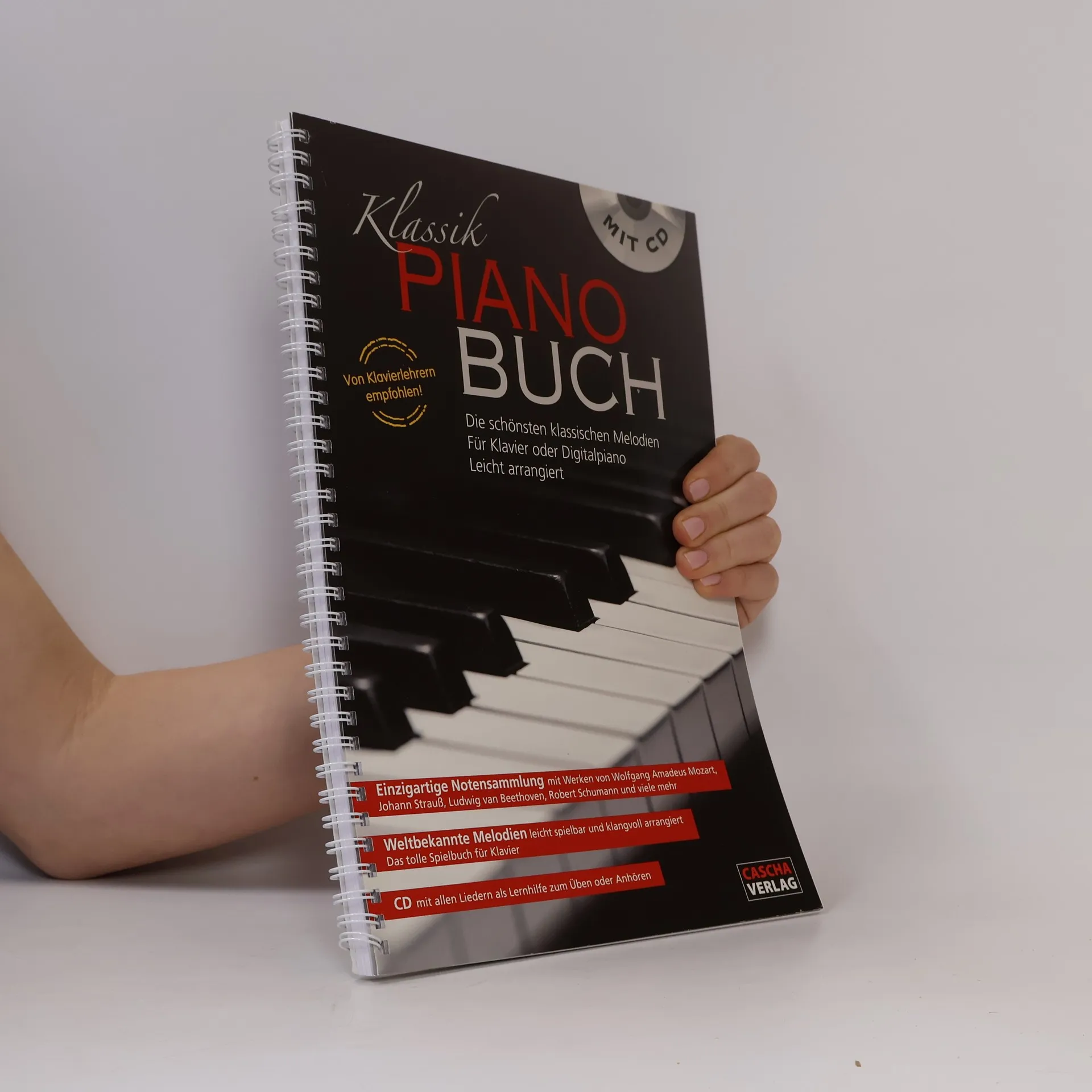
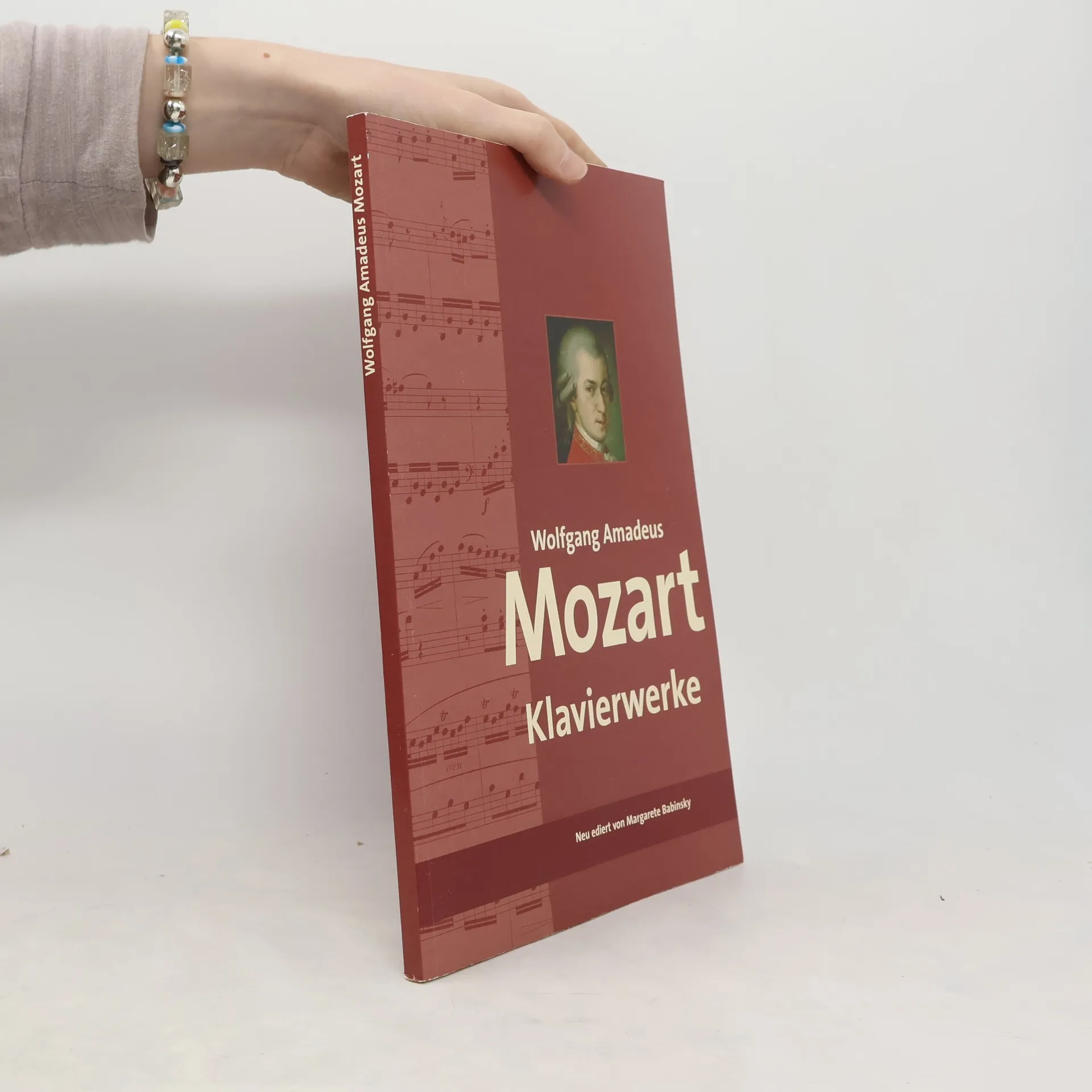
Vienna Classics Band 1: Ausgewählte Werke für Klavier. Klavier. (Wiener Urtext Edition)
- 76 stránek
- 3 hodiny čtení


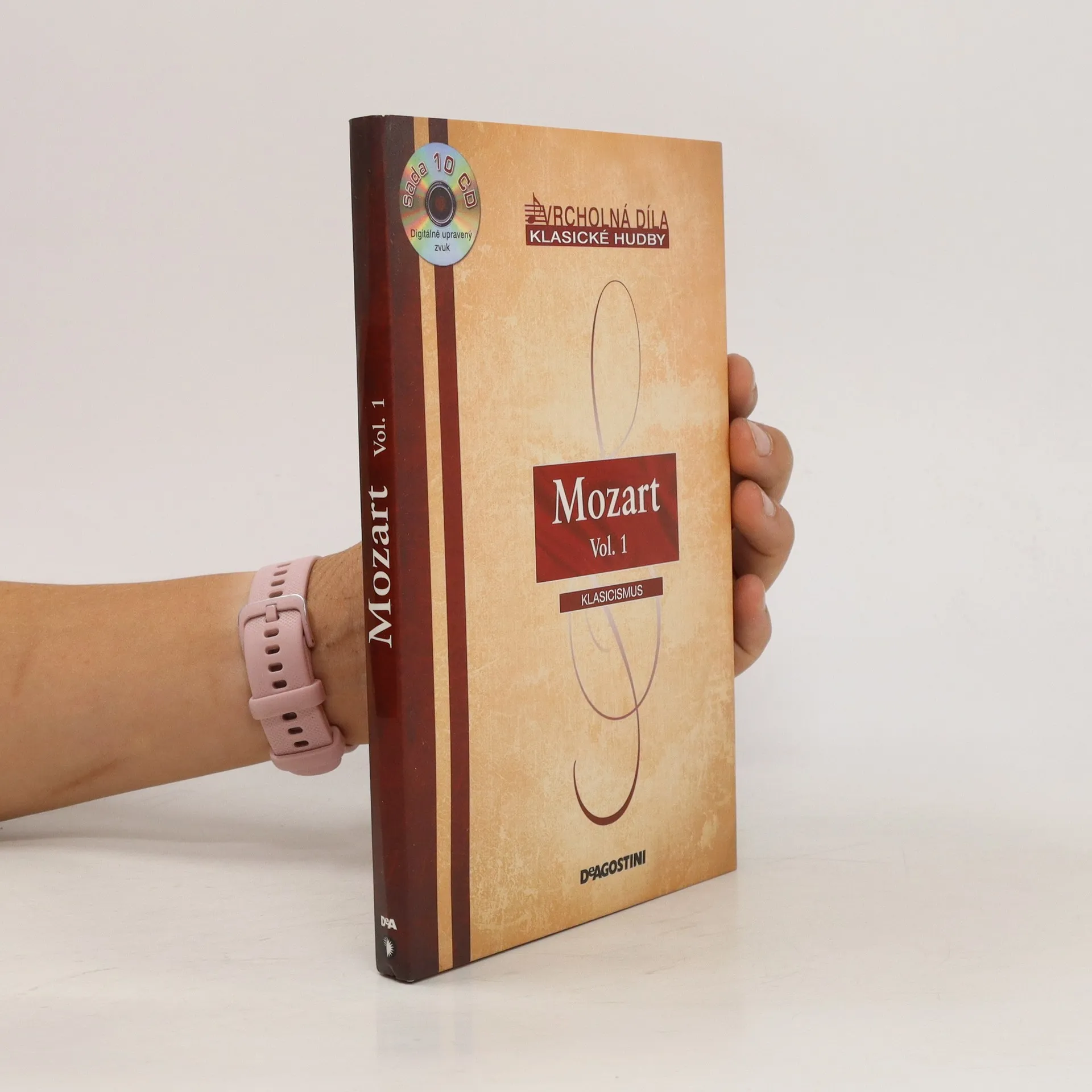
Wolfgang Amadeus Mozart byl mimořádně nadaný a vlivný skladatel klasicistního období, jehož díla jsou dodnes považována za vrcholy symfonické, koncertantní, komorní, klavírní, operní a sborové hudby. Již od raného dětství projevoval výjimečné schopnosti a jeho styl, který se vyvinul z pohlcení rozmanitých vlivů, zahrnoval jak lehkost a eleganci, tak temnou vášeň. Mozartova hudba často ztělesňovala vizi lidstva „vykoupeného skrze umění, odpuštěného a smířeného s přírodou a absolutnem“. Jeho vliv na následnou západní uměleckou hudbu je hluboký a jeho talent byl obdivován i jeho současníky.

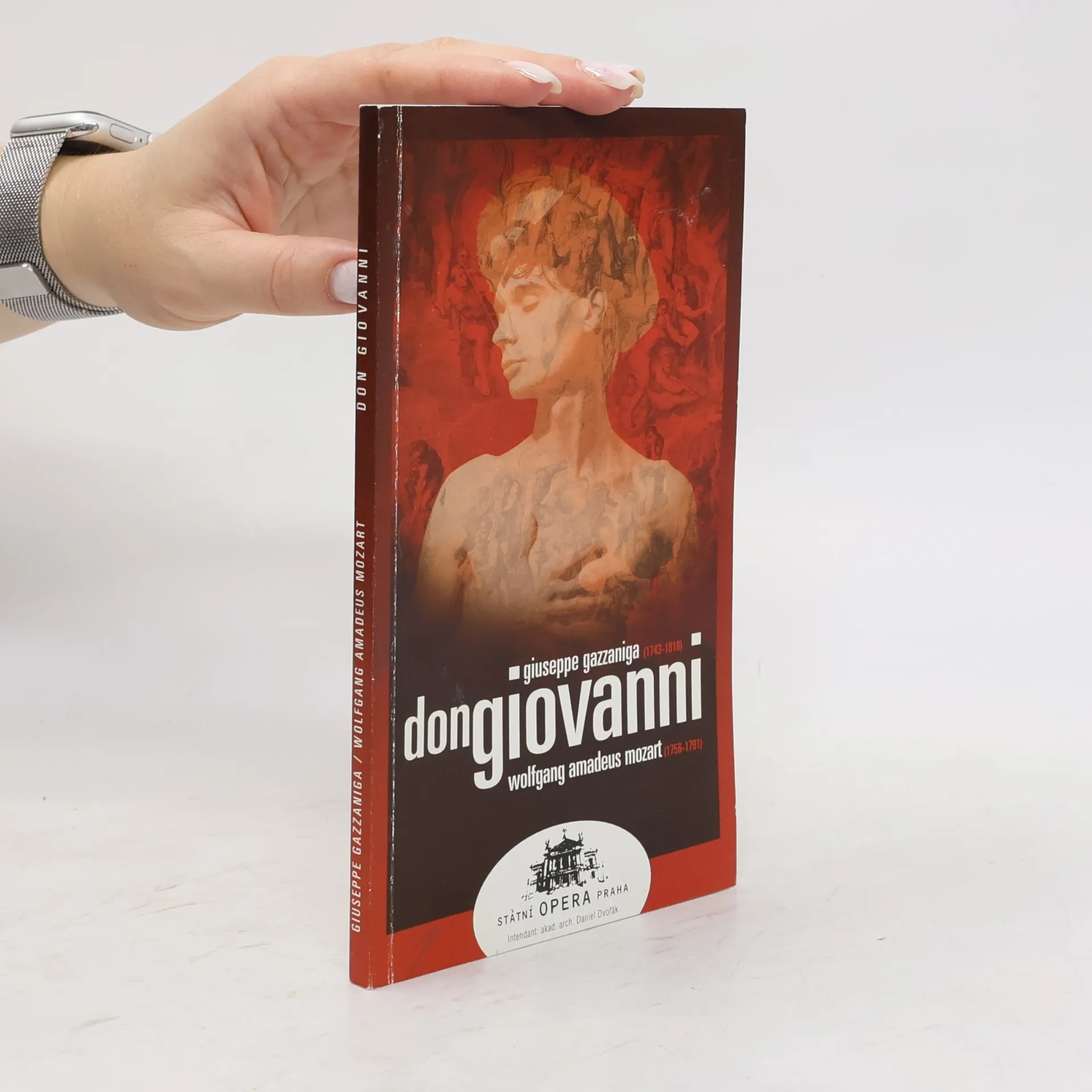
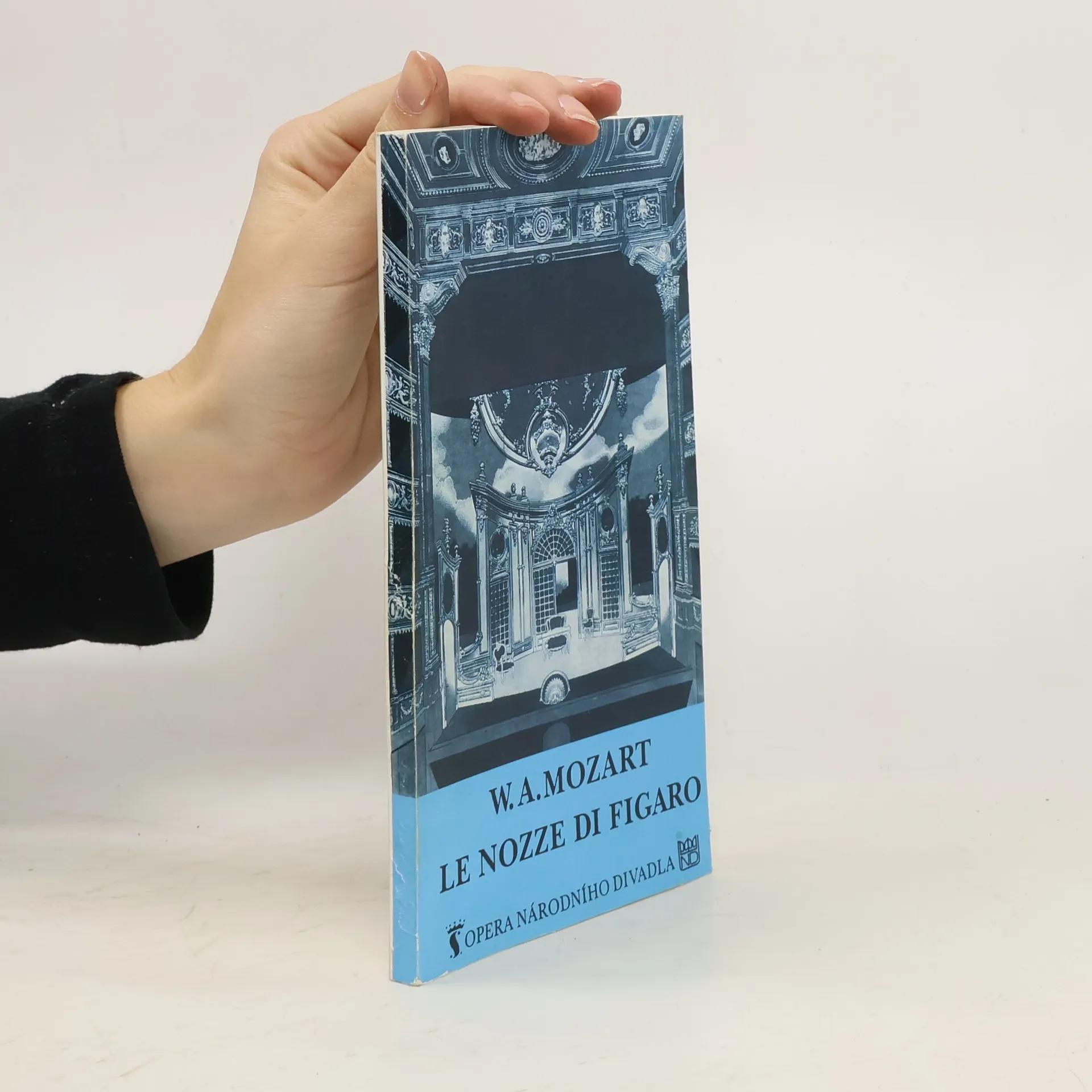
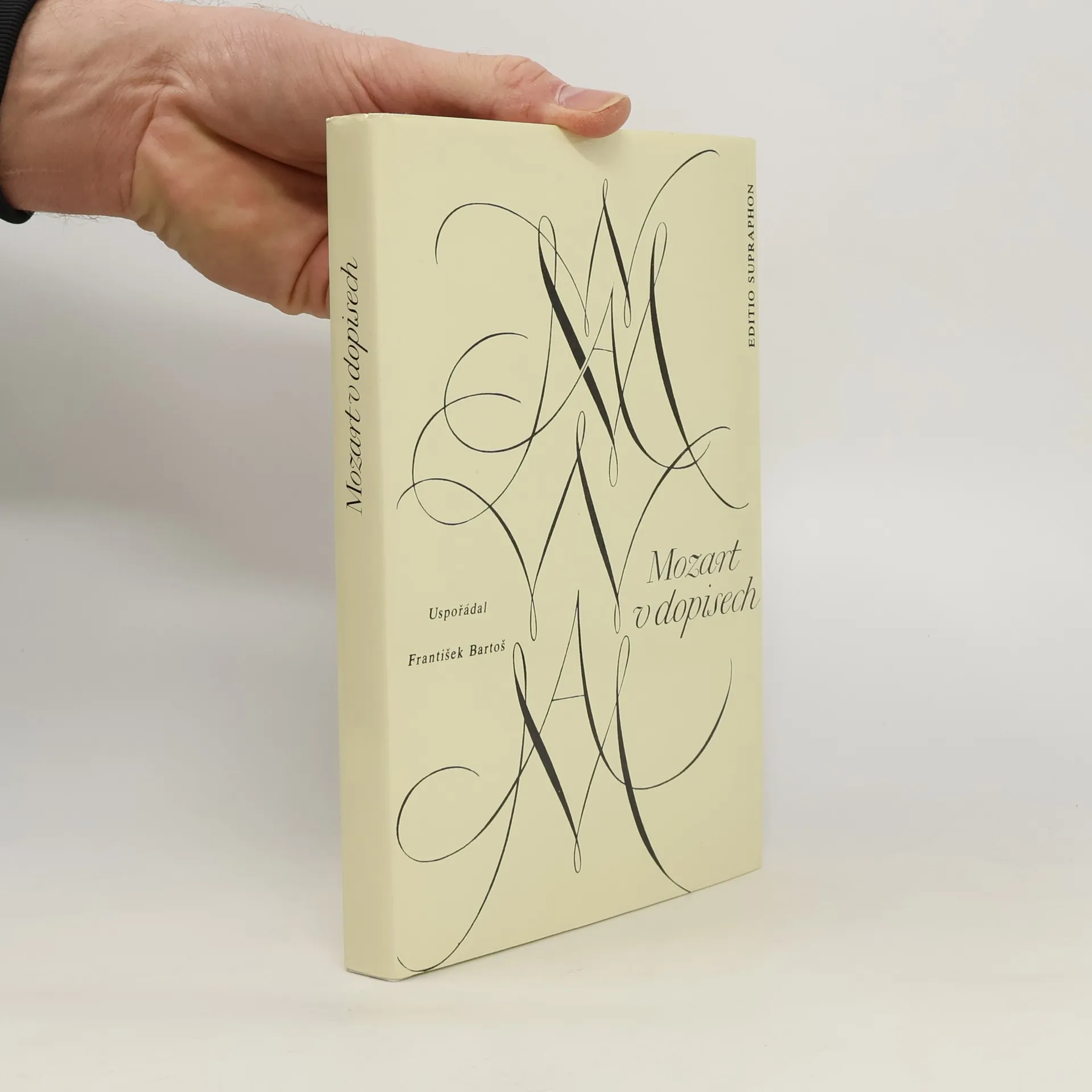
The four horn concertos, composed by Mozart between 1783 and 1791, stand out as iconic pieces in the horn repertoire. Renowned for their technical challenges, these works are cherished by both horn players and audiences alike, celebrated for their exquisite beauty and elegance.
Die Bände bieten eine kritische Gesamtausgabe der Briefe von Mozart und seiner Familie, die aufgrund ihrer schwer zugänglichen Fundstätten und unzureichenden Auswahlsammlungen bisher wenig Beachtung fanden. Mit dem wachsenden Interesse der Mozartforschung und der Notwendigkeit, diese einzigartigen Dokumente für tiefere musikalische Analysen zugänglich zu machen, wird der Wunsch nach einer vollständigen und diplomatisch getreuen Wiedergabe dieser Briefe immer dringlicher. Sie dienen als wertvolle Quelle für das Verständnis von Mozarts künstlerischem Schaffen.
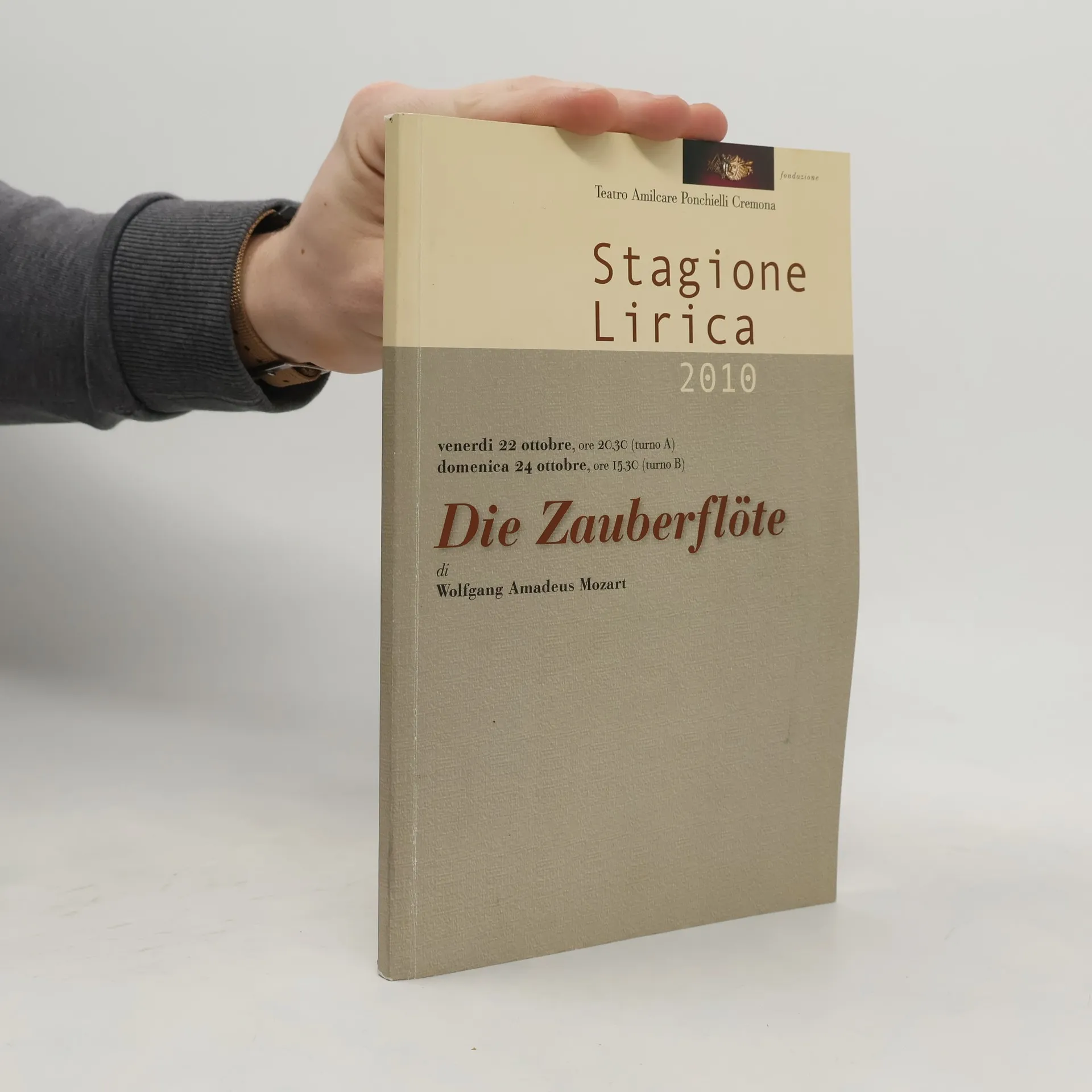
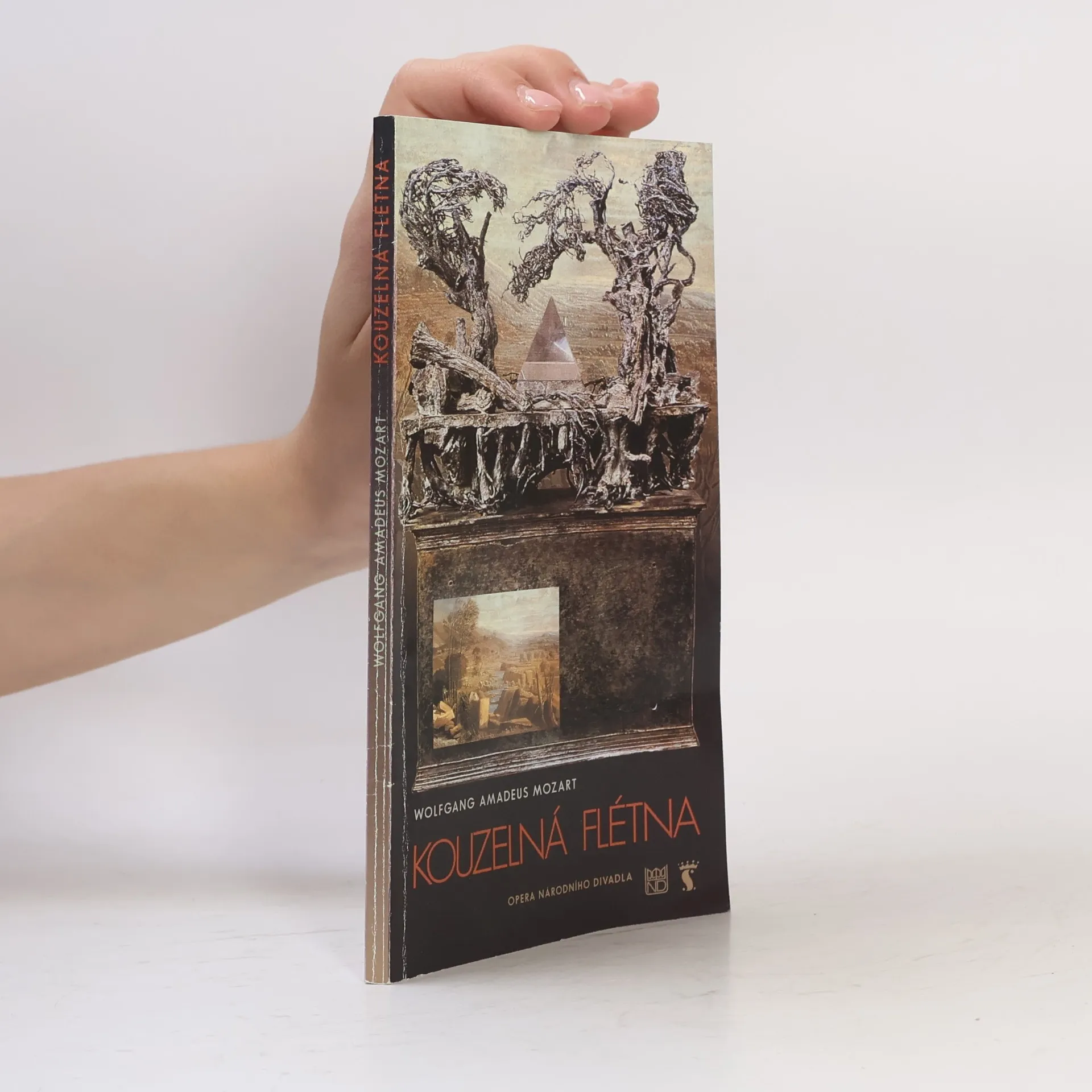
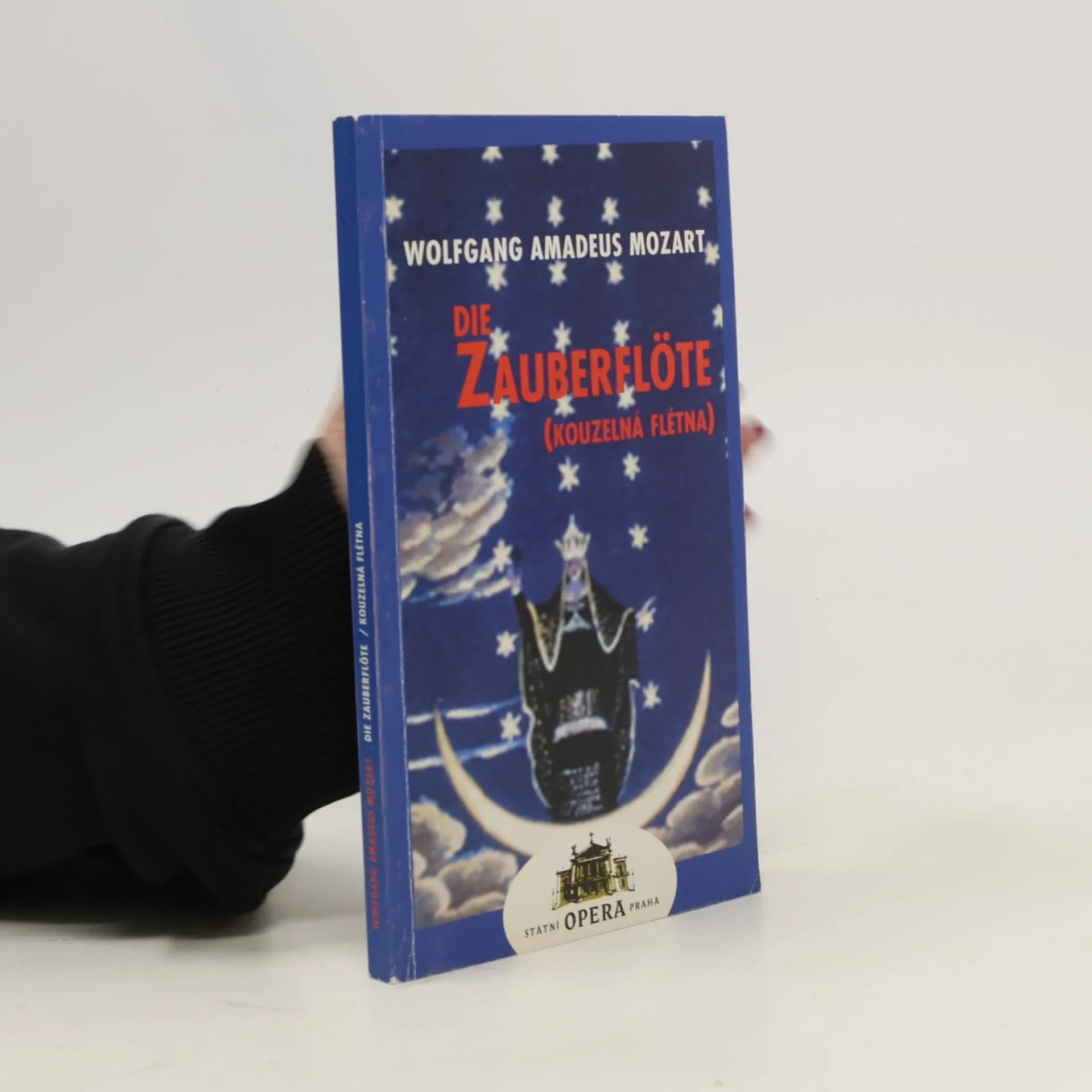
Eine große Oper in zwei Aufzügen. Libretto von Emanuel Schikaneder
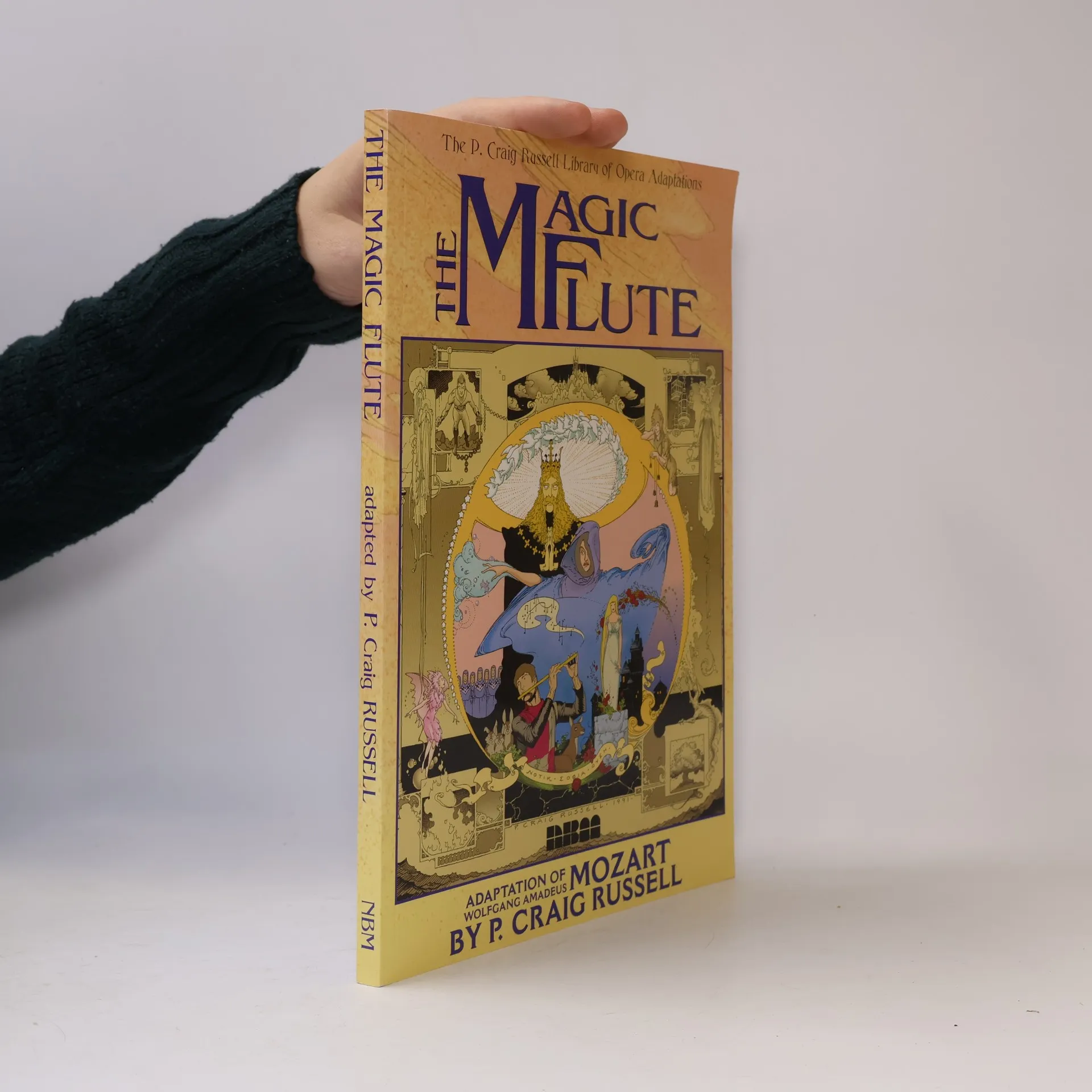
Die märchenhafte Handlung von "Die Zauberflöte" kombiniert mit eingängigen, volkstümlichen Gesangsnummern macht diese Oper zu einem zeitlosen Bühnenwerk. Mozart und Schikaneder schaffen eine Geschichte, die sowohl Kenner als auch Laien anspricht. Ulrich Konrad bietet in seinem Nachwort tiefgehende Einblicke in den literarischen, musikalischen und weltanschaulichen Kontext, in dem das Werk entstand, sowie Informationen über die Uraufführung im Jahr 1791.
Große Klassik kinderleicht. DIE ZEIT-Edition. (Buch mit CD)
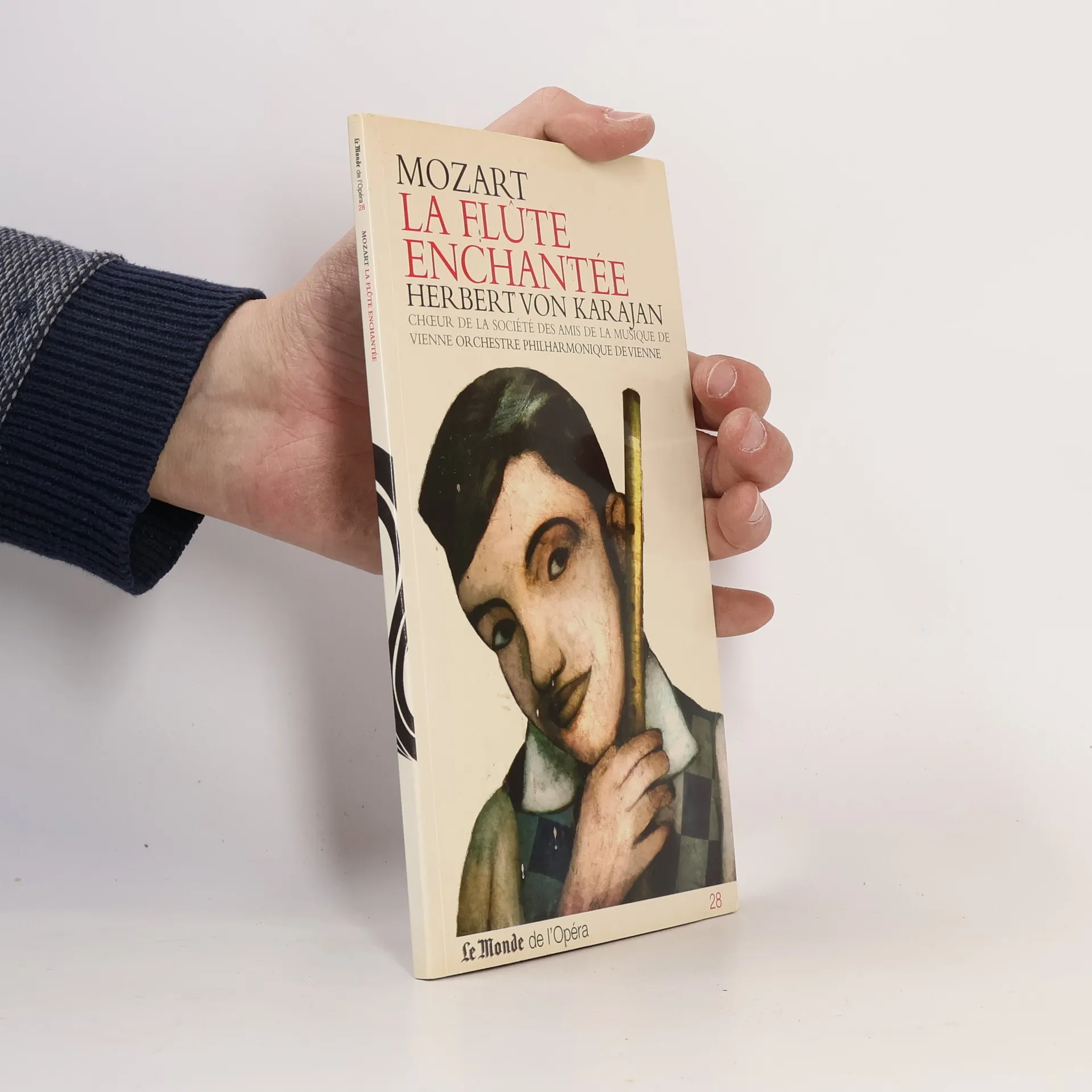
Tamino soll gemeinsam mit dem lustigen Vogelfänger Papageno die schöne Prinzessin Pamina befreien, denn der gefürchtete Fürst Sarastro hält sie in seiner Burg gefangen. Damit ihr waghalsiger Rettungsplan gelingt, lässt Paminas Mutter, die Königin der Nacht, Tamino und Papageno eine Zauberflöte sowie ein Glockenspiel übergeben. Damit können die Retter Böses in Gutes verwandeln und wilde Tiere im Wald zähmen. Tamino und Papageno bestehen schwierige Prüfungen, bis sich alle glücklich in den Armen liegen. Die Märchenoper von Wolfgang Amadeus Mozart (1756–1791) erzählt Bert Alexander Petzold spannend und lustig für Kinder ab fünf Jahren. Der Illustratorin Helena Perez Garcia gelingt es meisterhaft, durch neuartige, farbenfrohe Bilder die ereignisreiche Handlung verständlich zu gestalten. Dem Buch liegt eine CD bei, auf der eine inszenierte Lesung mit Antje Hamer mit Geräuschen und den schönsten Opernauszügen zu hören ist. Das Buch erscheint innerhalb der Serie »Große Klassik kinderleicht. DIE ZEIT-Edition«.
Für Klavier leicht bearbeitet. KV 620. Klavier.
(Piano). Mozart's best-known opera is now available in the popular series Get to Know Classical Masterpieces with colorful illustrations, explanations about the composer, the opera, persons and contents of the story. Easily playable piano settings of selected arias and choruses enable the music lover to become better acquainted with the work. Also suited for music lessons.
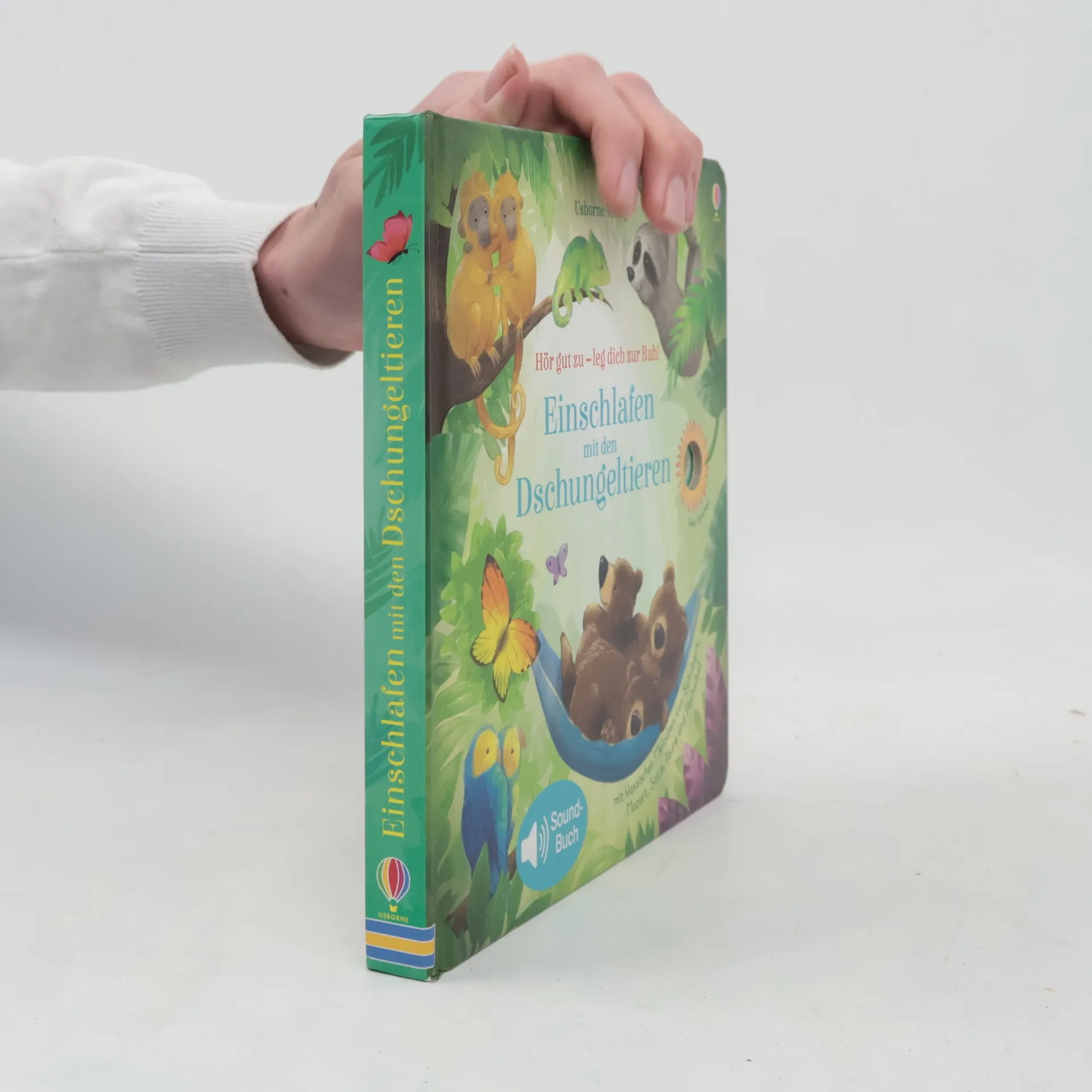
Das Dschungeltier-Orchester verkündet mit fünf klassischen Melodien von Mozart, Schubert, Satie, Fauré und Pachelbel, dass es Zeit ist, sich hinzulegen und auszuruhen. Ob zum Mittagsschlaf, einem Nickerchen am Nachmittag oder am Abend, dieses liebevoll illustrierte Buch begleitet die Kleinsten sanft in das Land der Träume.
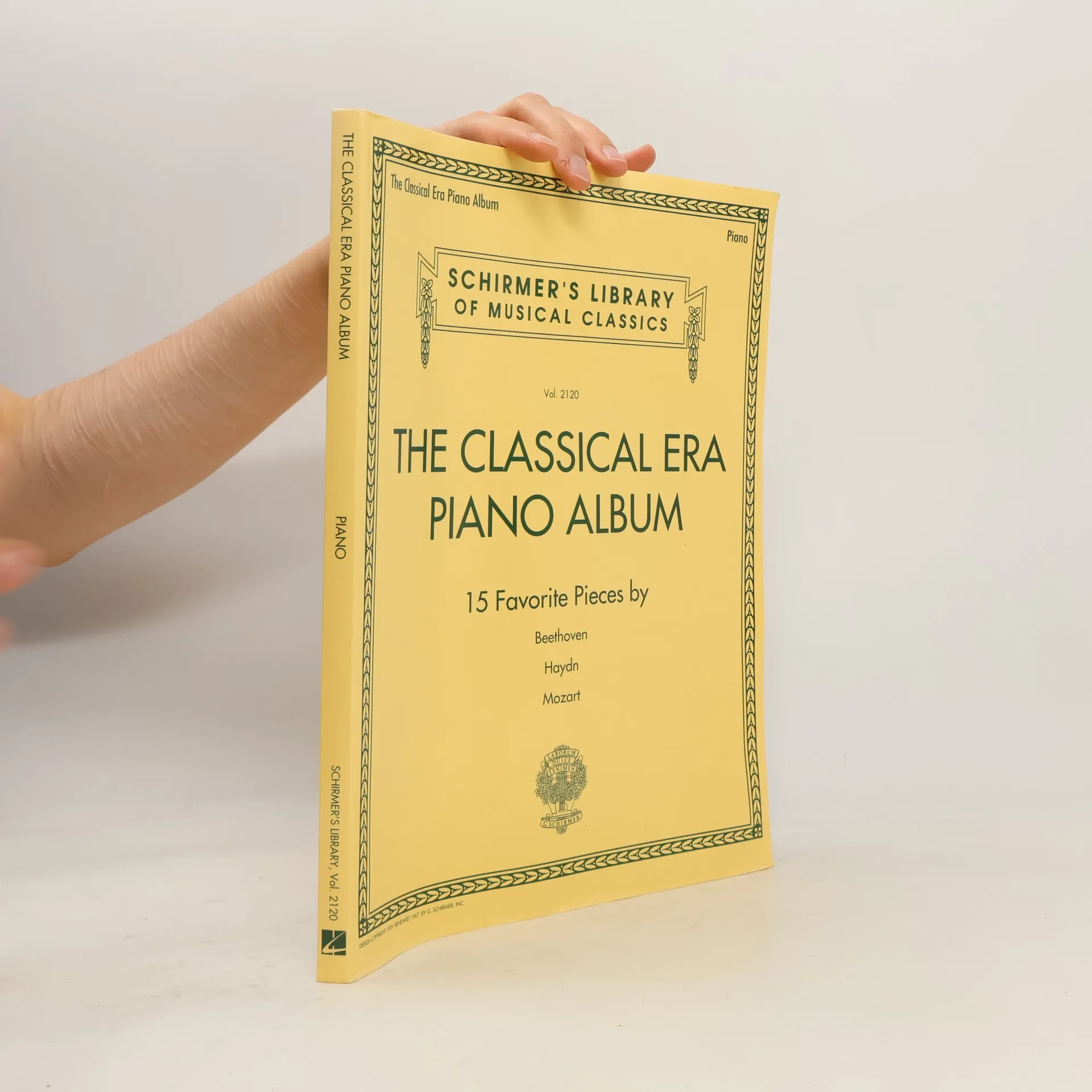
15 Favorite Pieces by Beethoven, Haydn, Mozart
(Piano Collection). 15 favorite pieces by Beethoven, Haydn and Mozart. LUDWIG VAN BEETHOVEN: Piano Sonata No. 8 in C minor, "Pathetique," Op. 13 * Piano Sonata No. 14 in C-sharp minor, "Moonlight," Op. 27, No. 2 * Piano Sonata No. 19 in G minor, Op. 49, No. 1 * Piano Sonata No. 20 in G Major, Op. 49, No. 2 * Bagatelle in A minor, "Fur Elise," WoO 59 * Six Variations on "Nel cor piu non mi sento" from La Molinara by Giovanni Paisiello, WoO 70 FRANZ JOSEPH HAYDN: Piano Sonata in C Major, Hob. XVI:35 * Piano Sonata in D Major, Hob. XVI:37 * Piano Sonata in E-flat Major, Hob. XVI:49 * Piano Sonata in E-flat Major, Hob. XVI:52 WOLFGANG AMADEUS MOZART: Twelve Variations on "Ah, vous dirai-je, Maman," K. 265 * Fantasy in D minor, K. 397 * Piano Sonata in A minor, K. 310 * Piano Sonata in A Major, K. 331 * Piano Sonata in C Major, K. 545
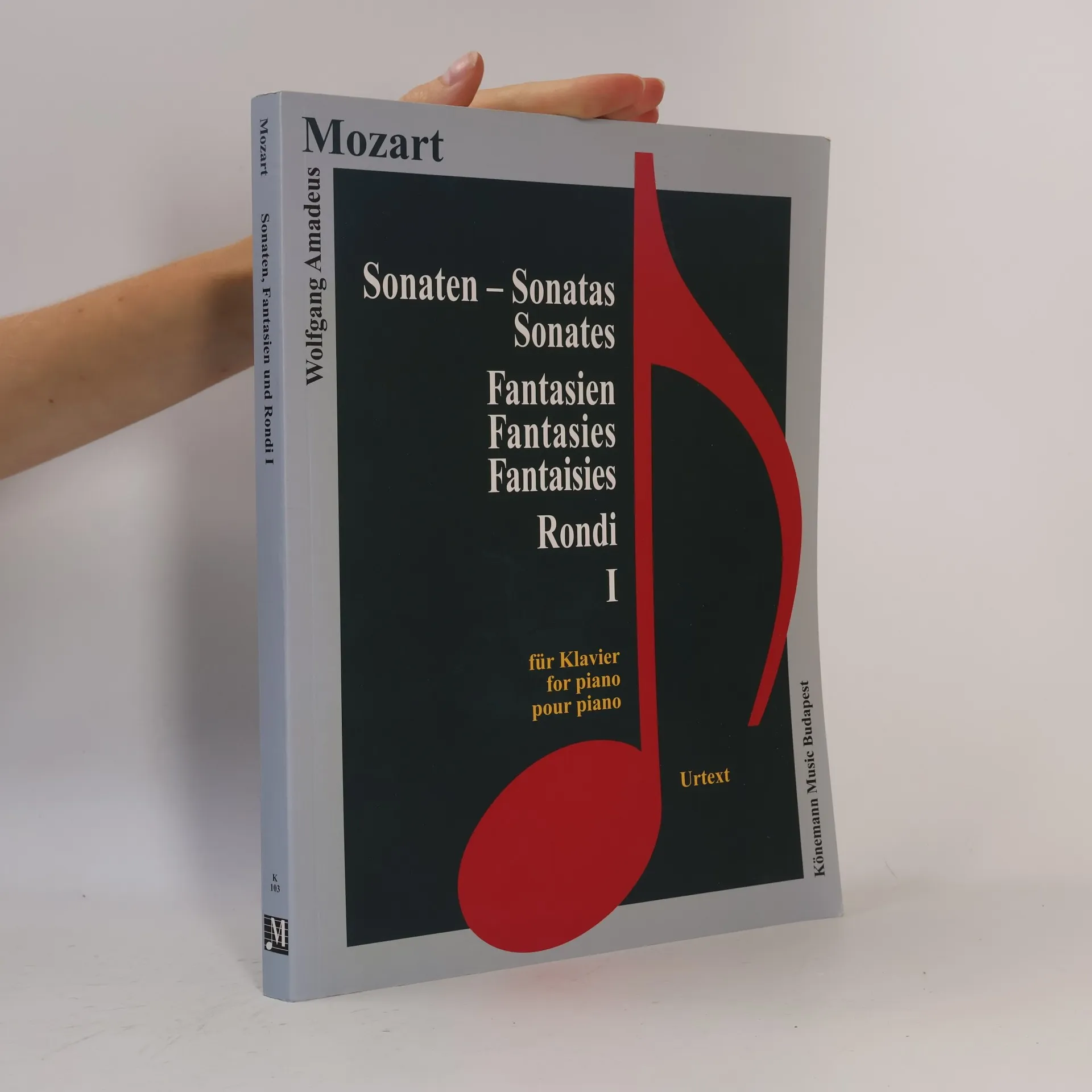
Sonatas, Sonates; Fantasies, Fantaisies; für Klavier, for piano, pour piano; Urtext
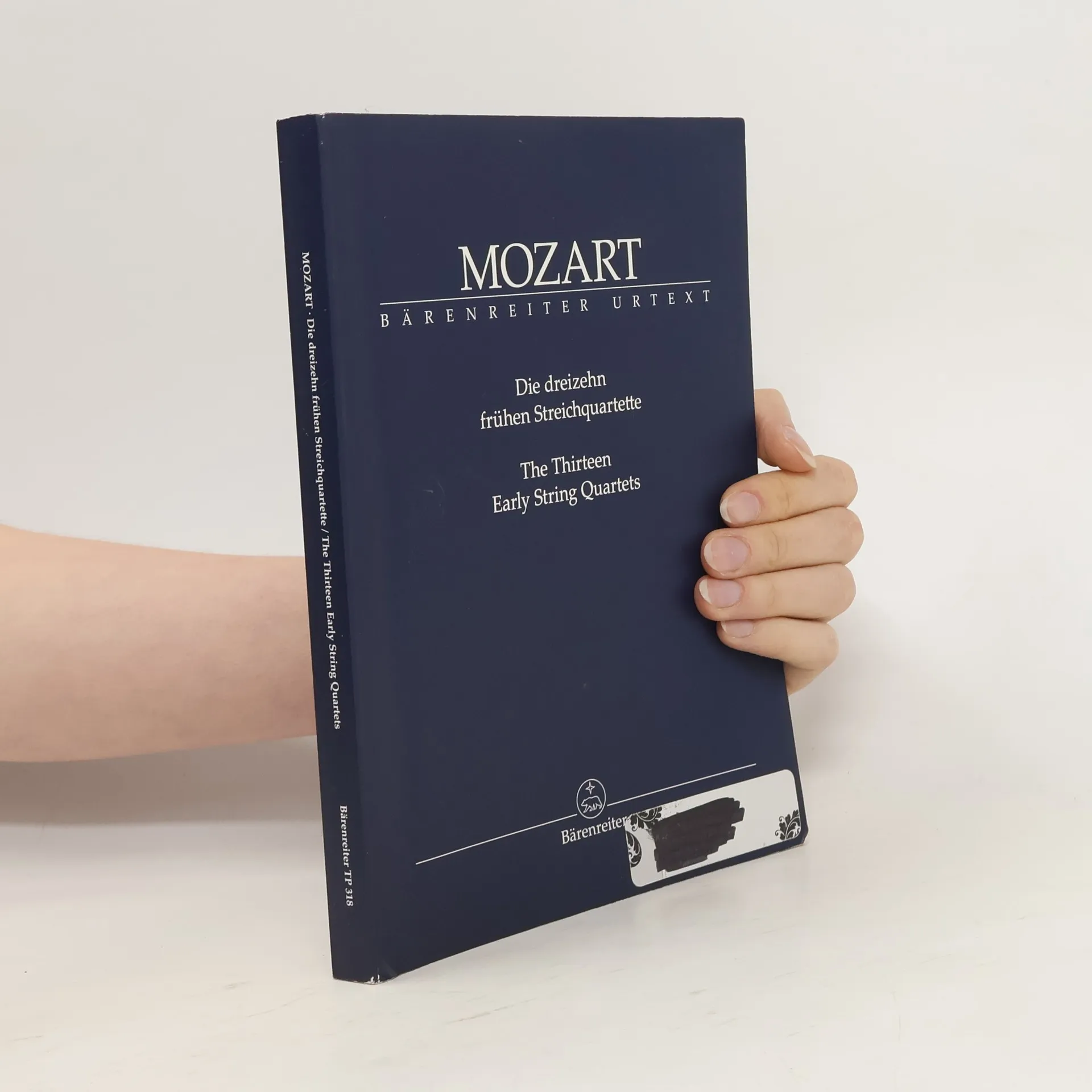
The Thirteen Early String Quartets
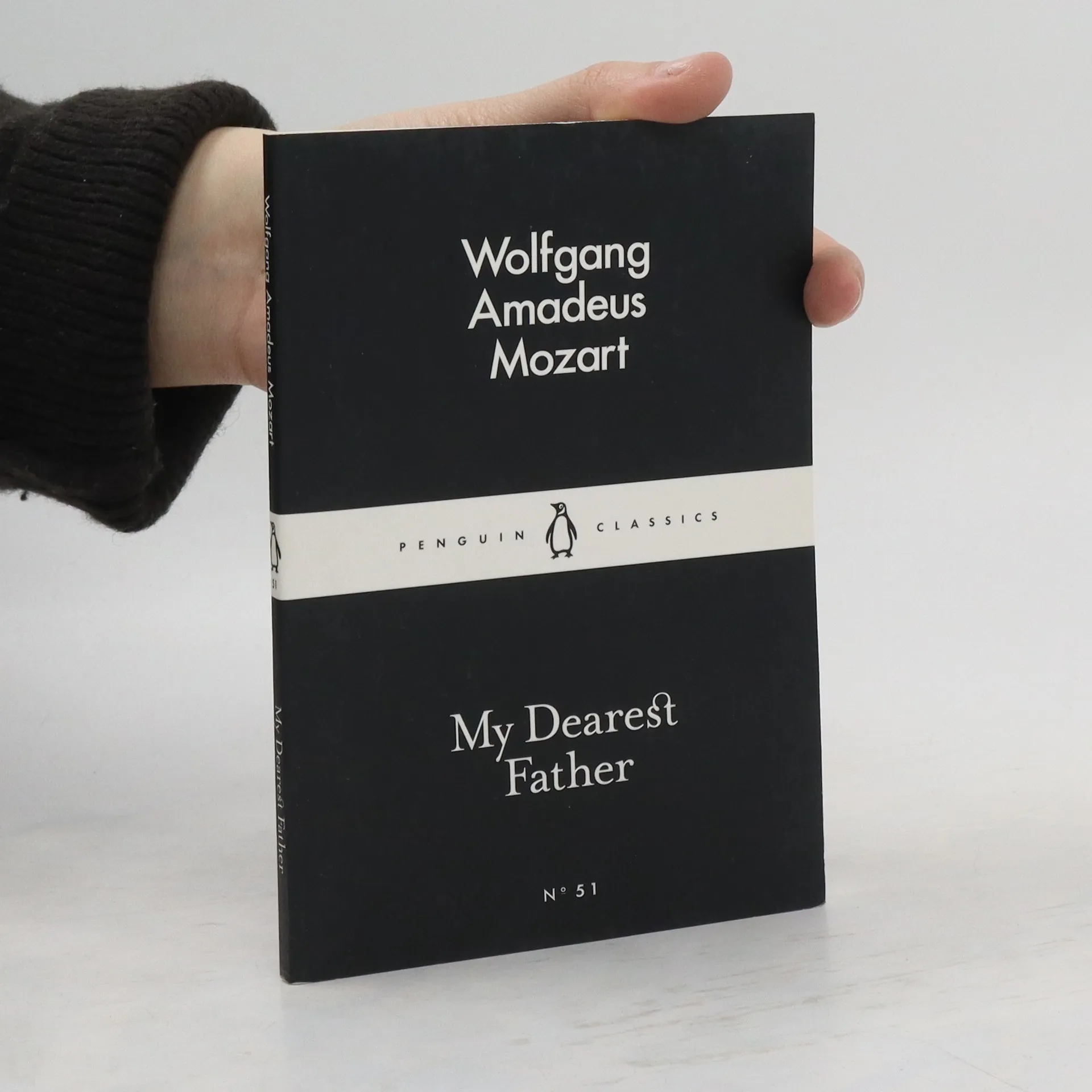
'They wanted me to give a concert; I wanted them to beg me. And so they did. I gave a concert.' A selection of personal correspondence between Mozart and his most important mentor and supporter, his father. Introducing Little Black Classics: 80 books for Penguin's 80th birthday. Little Black Classics celebrate the huge range and diversity of Penguin Classics, with books from around the world and across many centuries. They take us from a balloon ride over Victorian London to a garden of blossom in Japan, from Tierra del Fuego to 16th-century California and the Russian steppe. Here are stories lyrical and savage; poems epic and intimate; essays satirical and inspirational; and ideas that have shaped the lives of millions. Wolfgang Amadeus Mozart (1756-1791). Mozart's work available in Penguin Classics is Mozart: A Life In Letters.
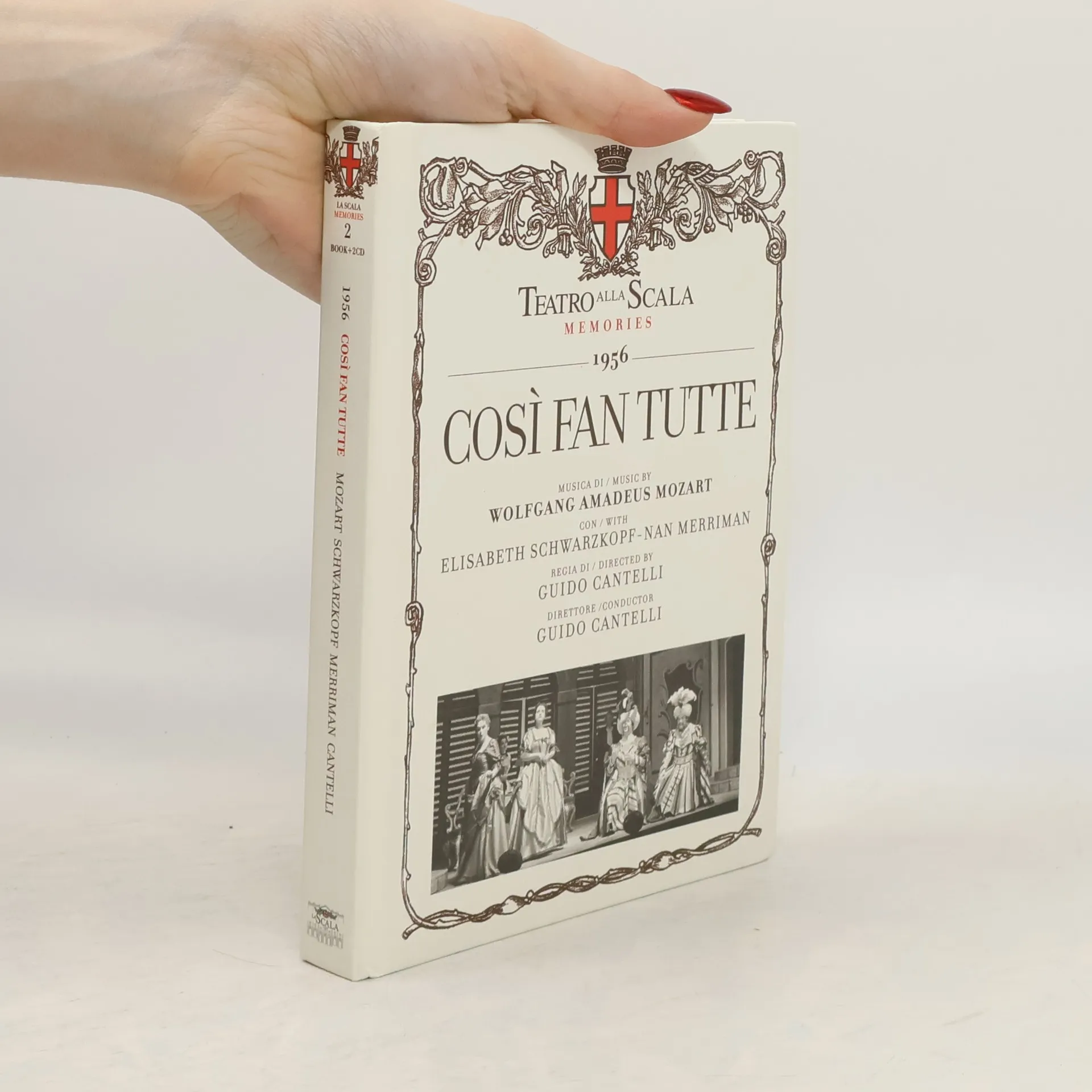
Con 2 CD Audio. Ediz. italiana e inglese
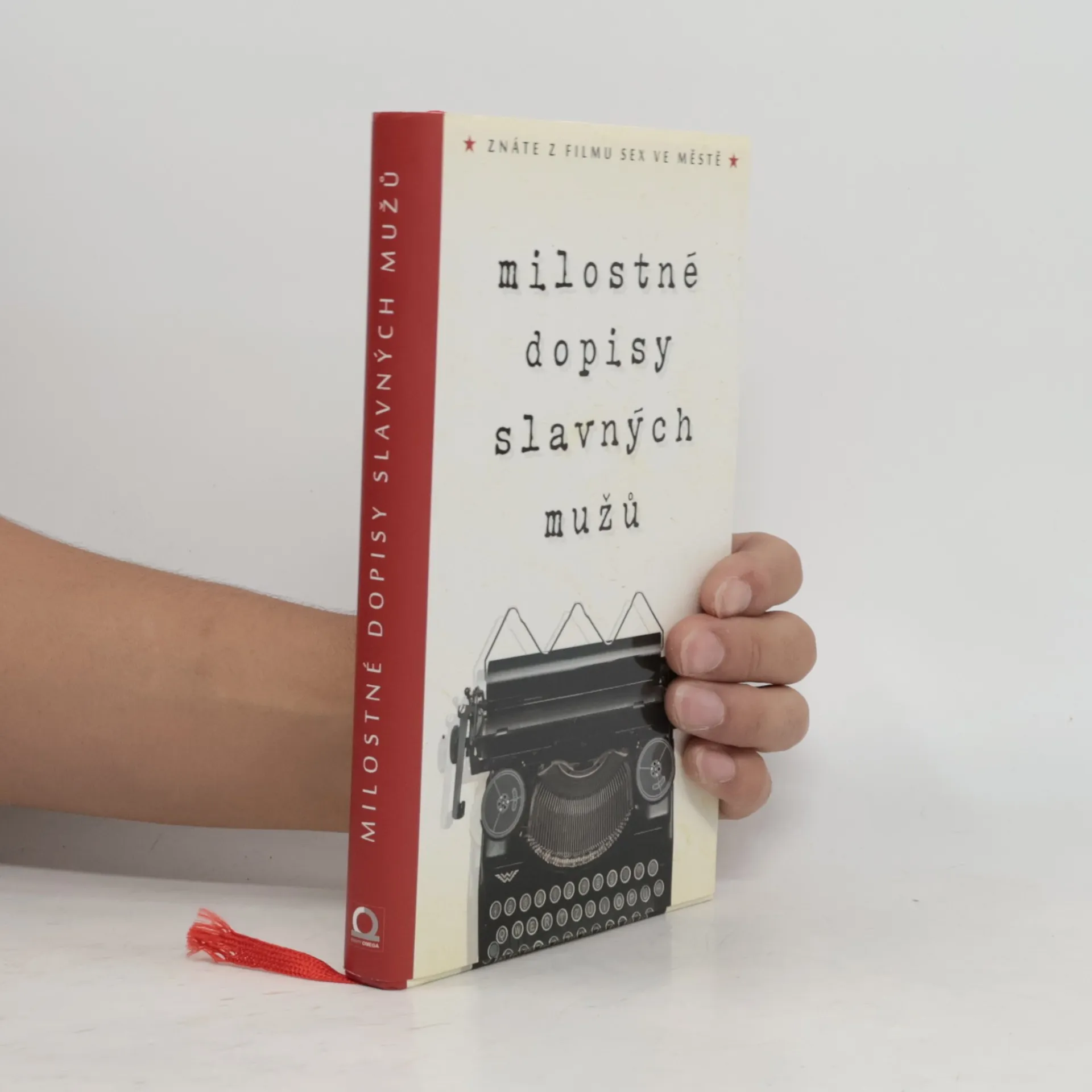
Milostné dopisy slavných mužů, díl první, je sbírka romantických milostných dopisů slavných osobností minulosti i současnosti. Když Carrie Bradshaw, hrdinka seriálu a filmu Sex ve městě, z této krásné sbírky předčítala Panu Božskému, miliony žen po celém světě začaly tuto knížku shánět. Nyní máte možnost i Vy přečíst si romantické milostné dopisy, které napsali slavní muži jako Ludwig van Beethoven, Napolean Bonaparte, Robert Browning, Lord Byron, Lord Randolph Churchill, Winston Churchill, Mark Twain, Oliver Cromwell, F. Scott Fitzgerald, Gustave Flaubert, Johann Wolfgang von Goethe, Victor Hugo, James Joyce, Franz Kafka, John Keats, Jack London, Wolfgang Amadeus Mozart, Theodore Roosevelt, Jr., George Bernard Shaw, Lev Nikolajevič Tolstoj, Vincent Van Gogh, Voltaire a další.
Featuring the scores for Mozart's "Minuets" 1-6, this volume showcases the composer's early works created between 1762 and 1789. Recognized for his remarkable talent from a young age, Mozart's prolific output includes over 600 compositions, many regarded as masterpieces. This collection is ideal for pianists interested in exploring Mozart's music, and it is part of the Classic Music Collection, which offers authoritative editions of beloved classical works for musicians and students globally.
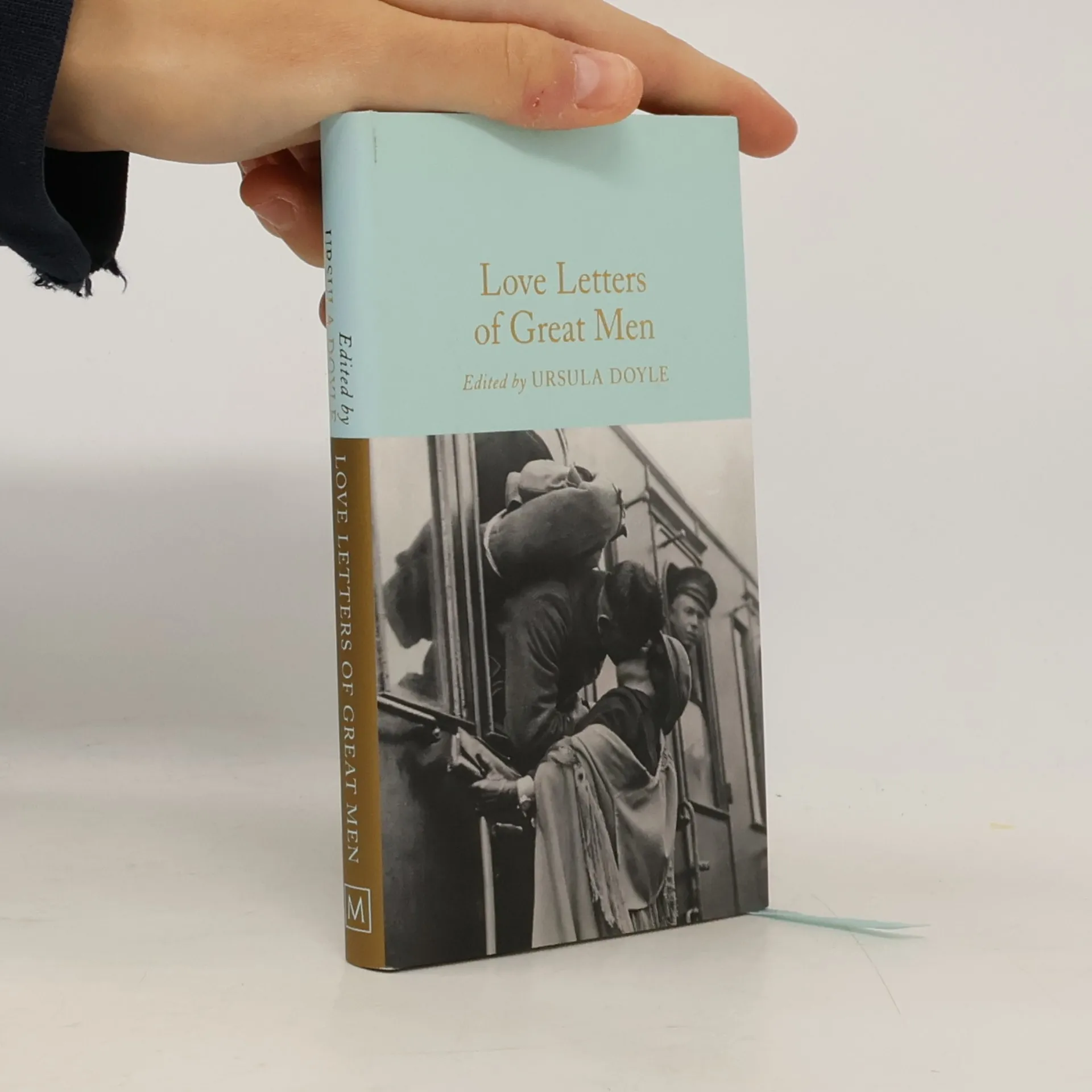
Remember the wonderfully romantic book of letters by Beethoven, Byron and Napoleon that featured in the Sex and the City film? That collection didn't actually exist, but all of the letters referenced in the film were real; so Macmillan decided to create Love Letters of Great Men . . .
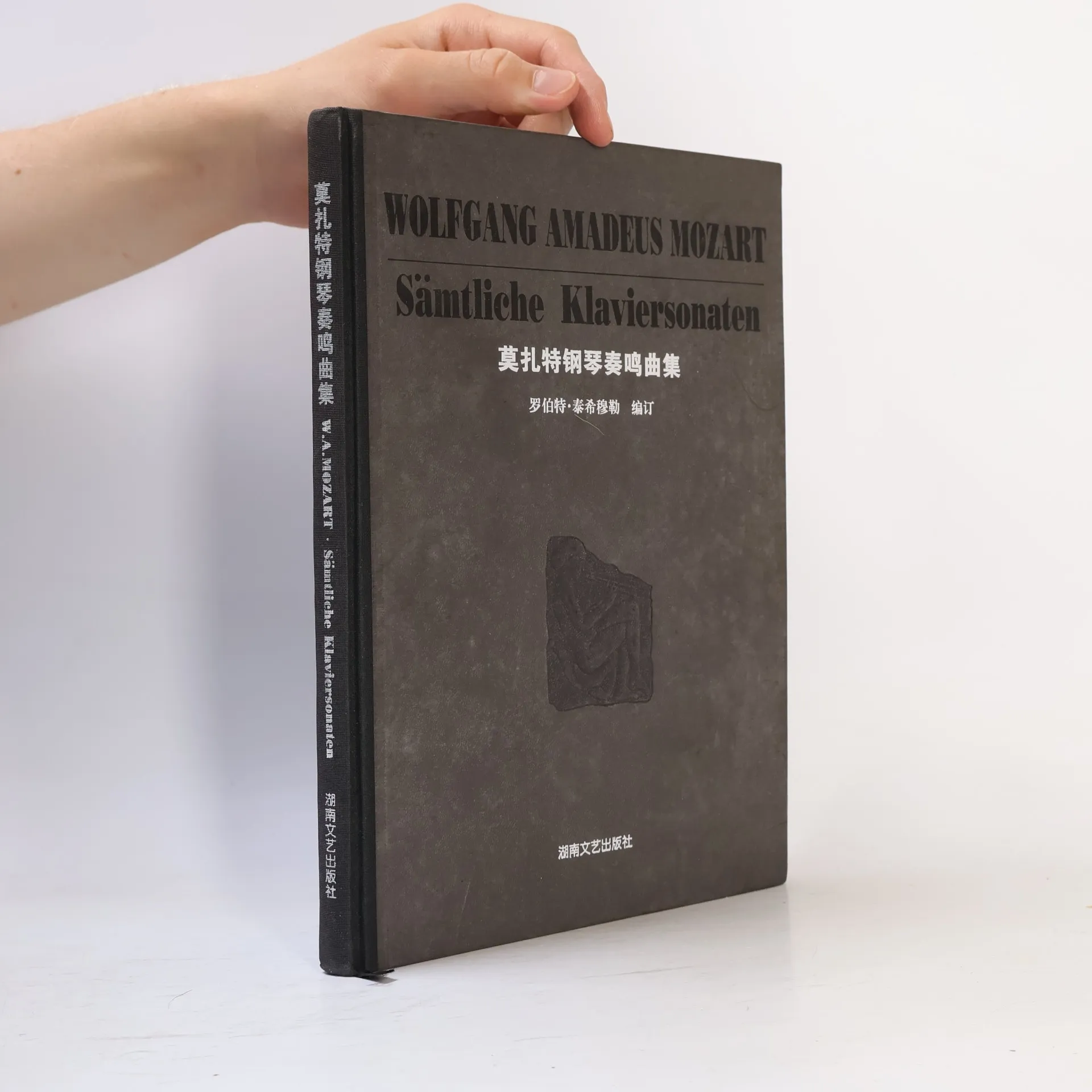
莫扎特钢琴奏鸣曲集
Piquante, farfelue, émouvante, comique ou mélancolique, l'histoire des Noces de Figaro se devait d'être restituée dans son effervescence par la plus talentueuse des plumes. Timothée de Fombelle raconte avec une belle vivacité le jeu de cache-cache amoureux des personnages, dans lequel la musique de Mozart révèle merveilleusement les émotions et l'expression des sentiments. La narration vivante de Laurent Stocker, l'élégance et l'énergie des illustrations d'Olivier Balez contribuent à la beauté de ce grand classique. Et aussi des documents pour apprendre, des partitions pour chanter et des jeux pour s'amuser...
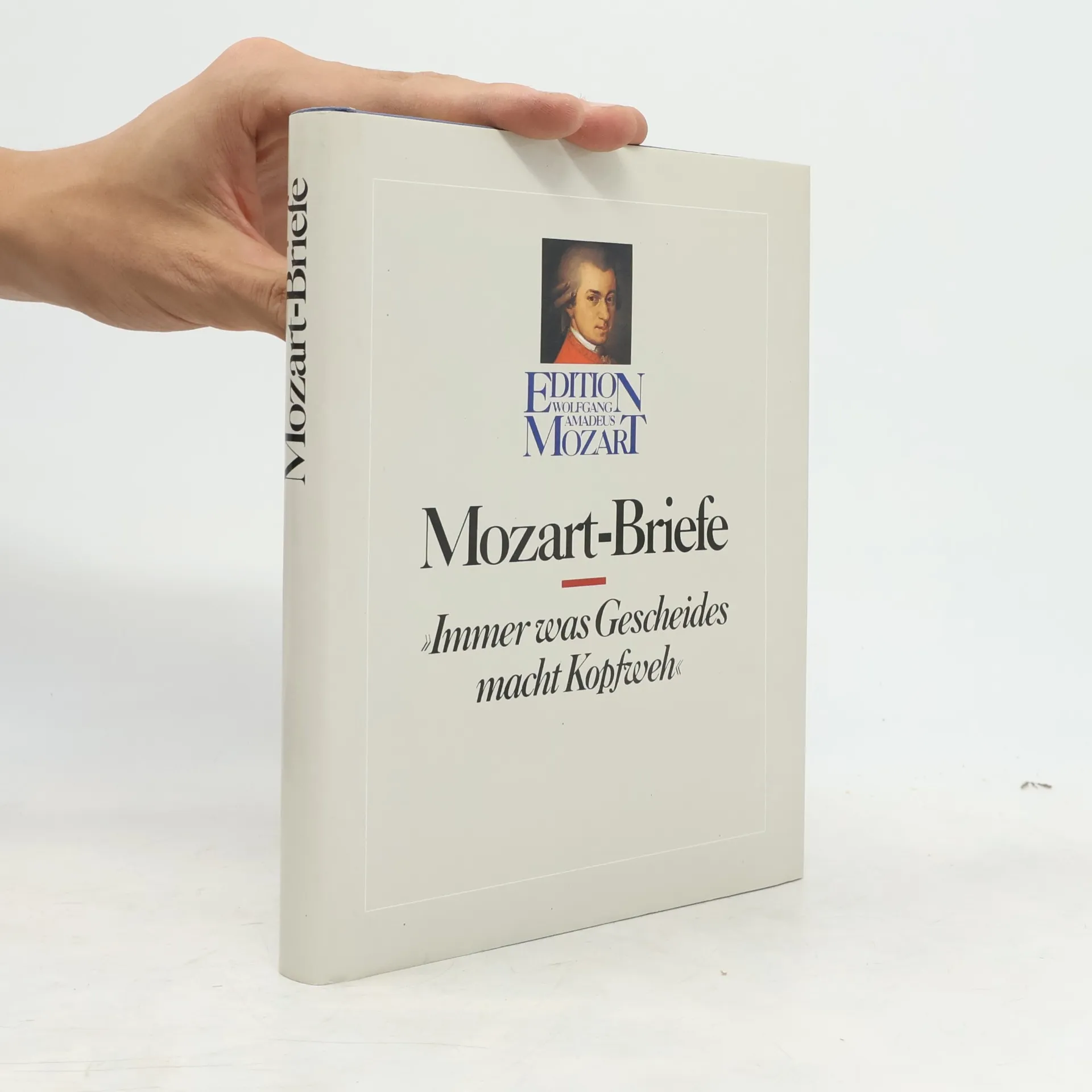
»Ich bin ein Musikus«, schreibt der siebzehnjährige Mozart an den Vater. Das musikalische Genie war auch ein ausgezeichneter Briefeschreiber. Mitreißend, ernsthaft oder scherzhaft-grotesk im Ton sind die erhaltenen Schriftstücke. Briefe von und an Mozart hat Peter Härtling ausgewählt, Briefe an die Eltern, die Schwester Nannerl und an die Cousine, das „Bäsle“, mit der Mozart eine heitere Freundschaft verband.
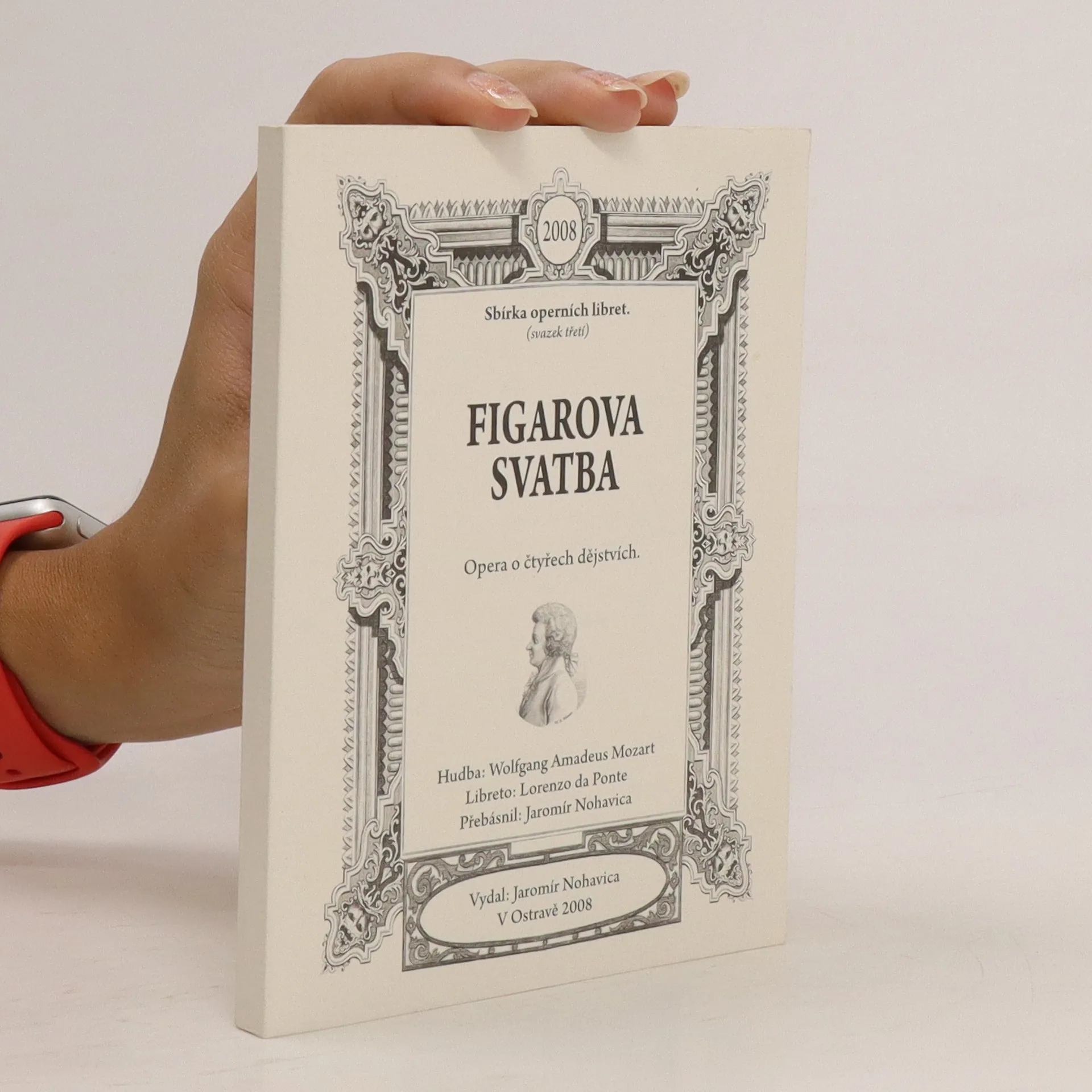
Sbírka operních libret (svazek třetí)
dramma serio per musica in due atti da rappresentarsi nel Teatro Nazionale di Praga nel settembre 1791. in occasione di sollenizzare il giorno dell'incoronazione di sua maesta l'imperatore Leopoldo II.
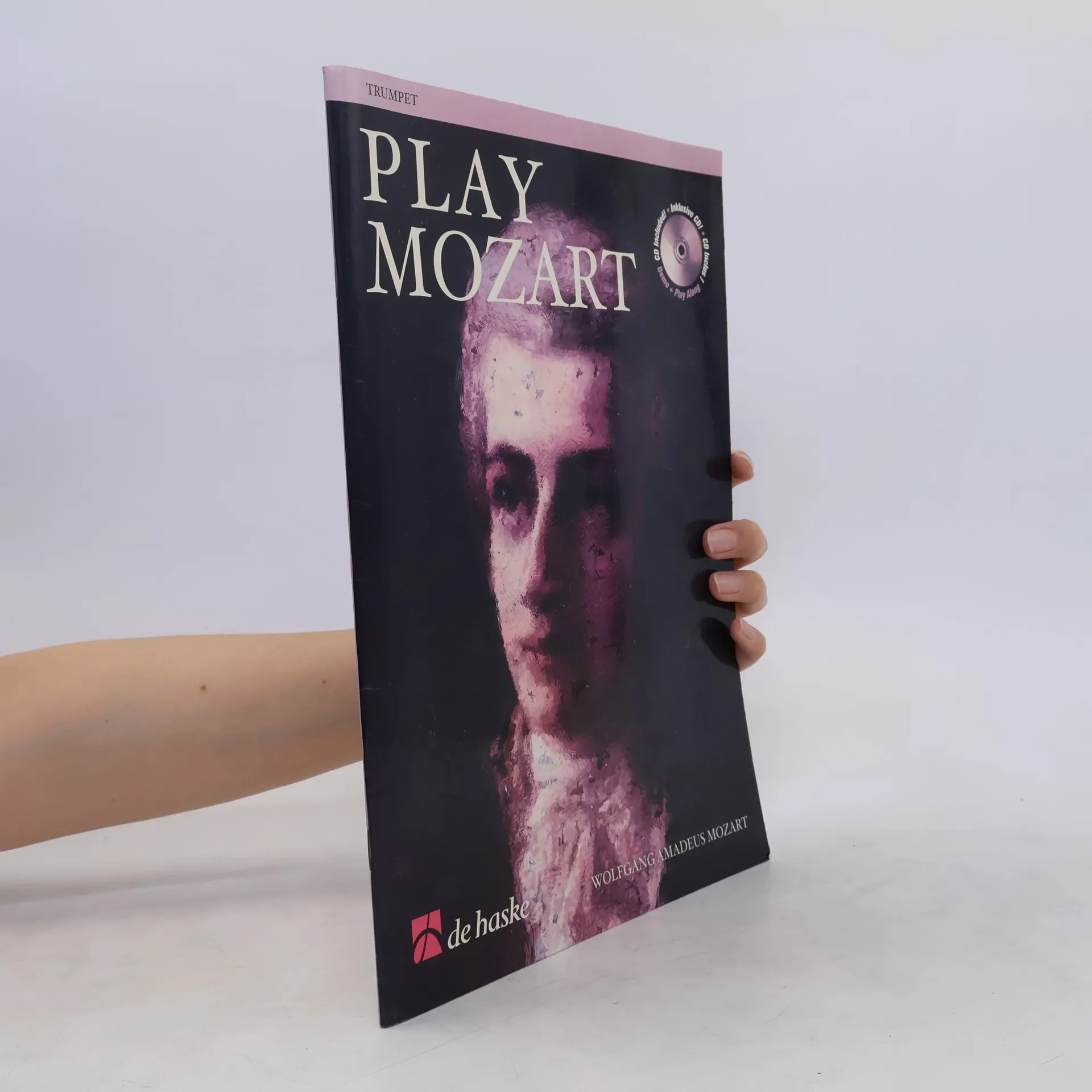
Play Mozart enthält 12 der bekanntesten Werke oder Themen des österreichischen Meisterkomponisten Wolfgang Amadeus Mozart. Die Musik wurde unter Berücksichtigung der Anforderungen des Instruments angepasst.
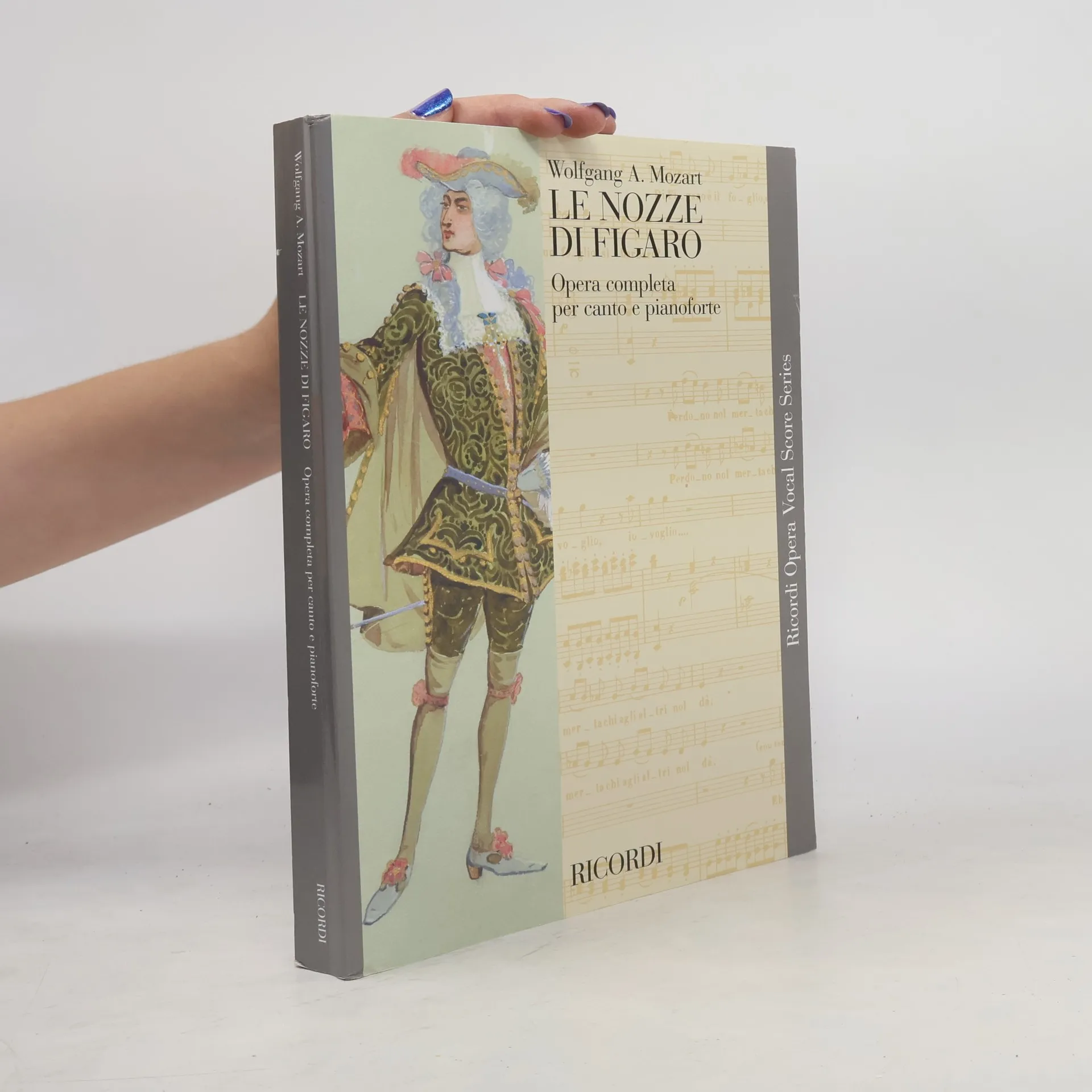
(Vocal Score). Italian only, with an introductory plot synopsis in English.
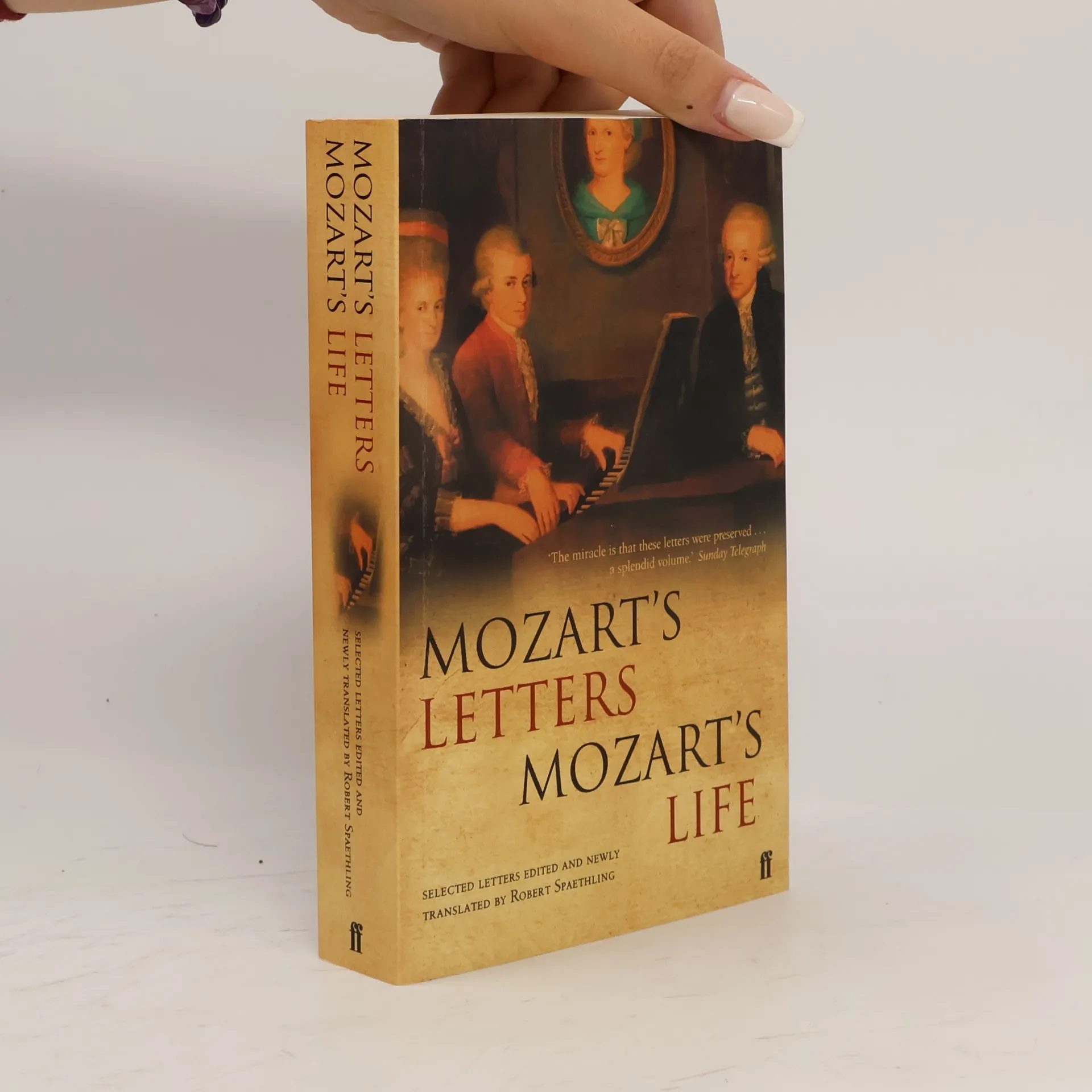
A selection of Mozart's letters, translated into English, complete with notes, linking commentary and chronology.
P.S.: "scharmant" von ihm zu hören. Ausgezeichnet mit dem Corine - Internationaler Buchpreis, Kategorie FOCUS Hörbuchpreis 2006
War Ihnen Klaus Maria Brandauer bislang nur als Schauspieler ein Begriff? Dann freuen Sie sich jetzt auf einen Genuss der besonderen Art: das Hörbuch "Brandauer liest Mozart": Klaus Maria Brandauer verbeugt sich vor dem großen Genius Wolfgang Amadeus Mozart und liest ausgewählte Briefe des genialen Musikers. Er trägt die von ihm selbst ausgewählte Texte mit der ihm eigenen Brillanz vor und gratuliert so mit dem ersten von ihm initiierten Hörbuch zum Jubiläumsjahr. Ein einmaliges Hörbuch und einfach "scharmant" zu hören.
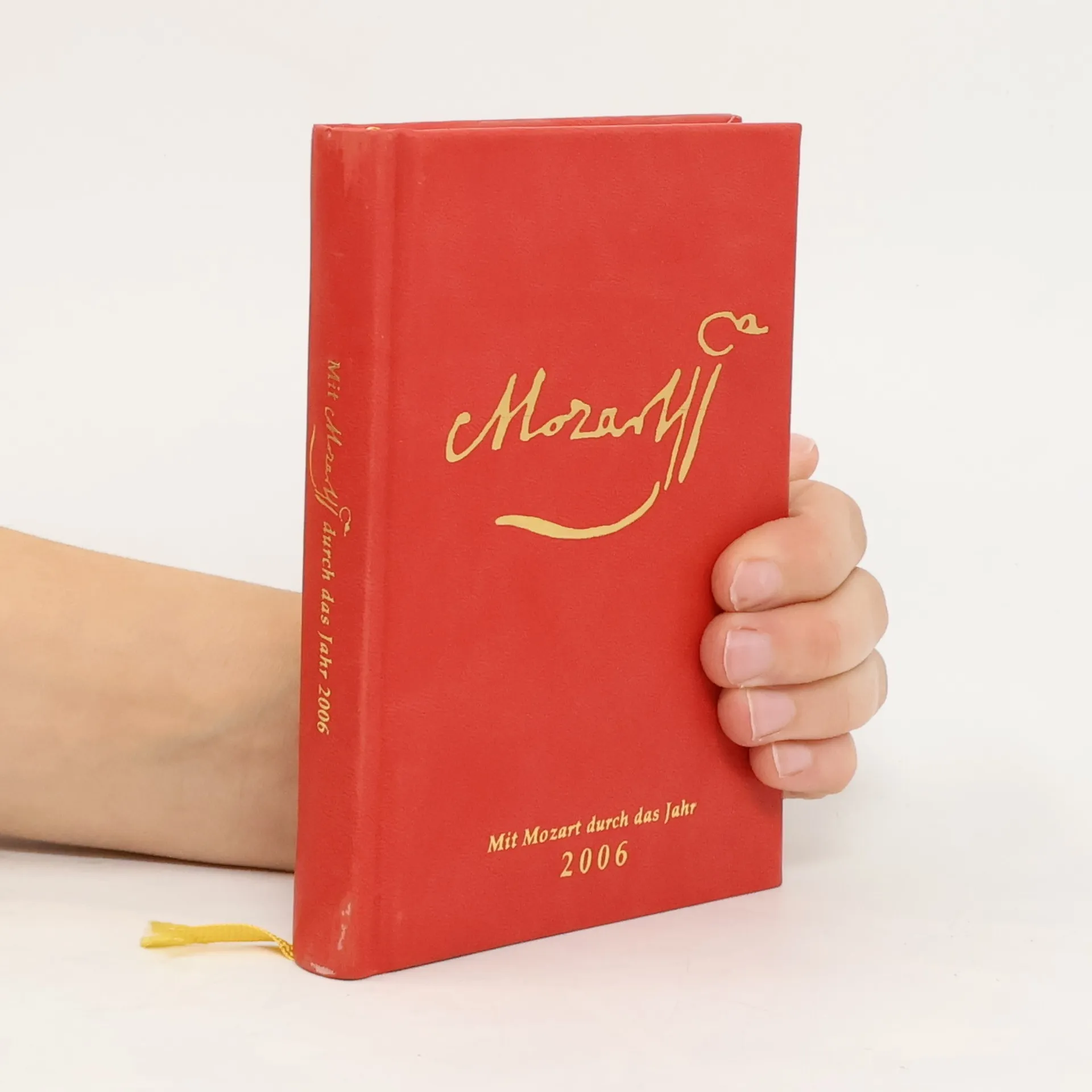
Wolfgang Amadeus Mozart, ein musikalisches Genie und Sprachspieler, zeigt in seinen Briefen einen abseitigen Humor und Wortakrobatik. Dieser Band arrangiert seine witzigsten Briefpassagen zu Versen und präsentiert Mozarts skurrile Albernheiten und derben Scherze, die Leser bis heute amüsieren und irritieren.
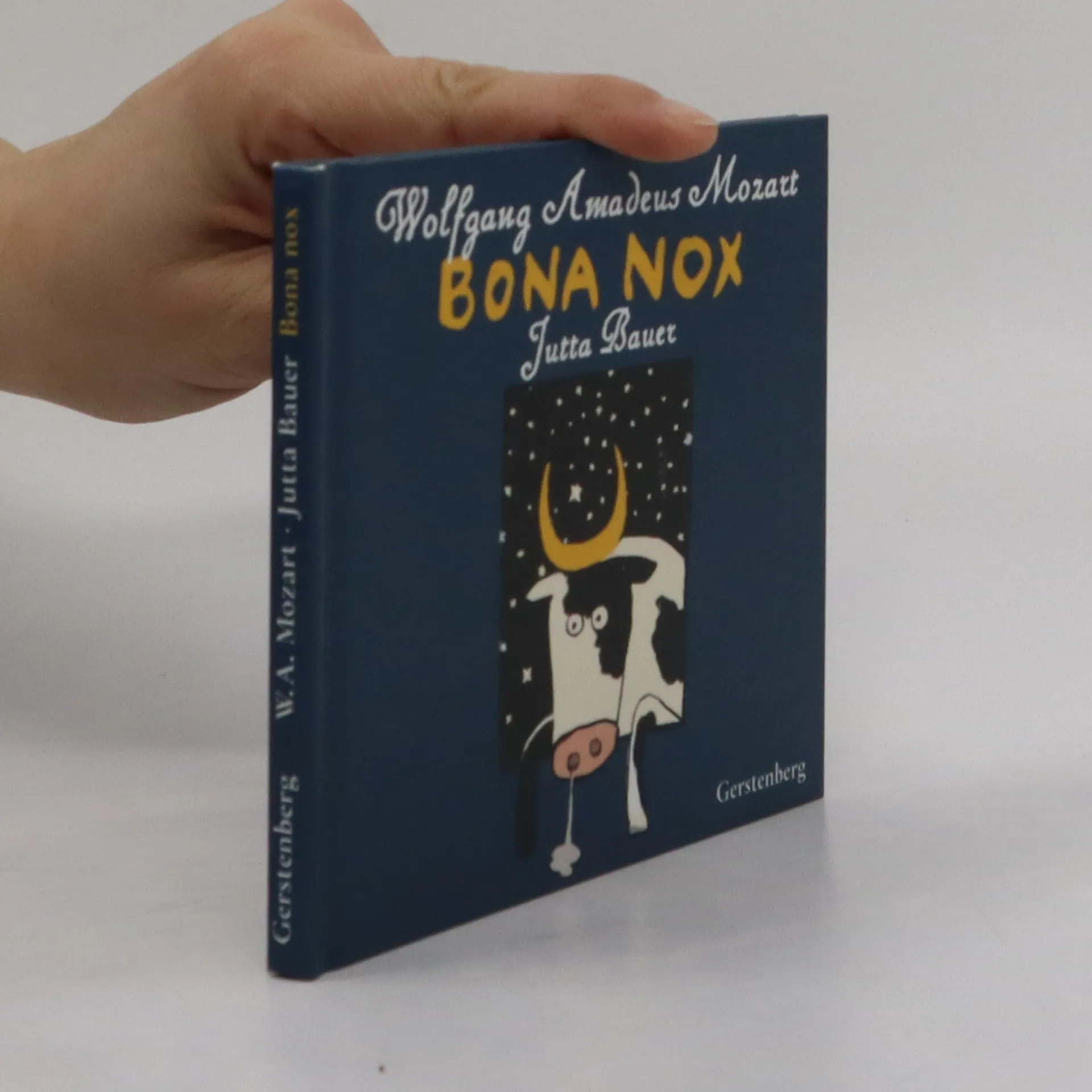
Unser Beitrag zur Feier von Mozarts 250. Geburtstag stammt von ihm selbst - und von Jutta Bauer: Musik, Text und Bilder, speziell für Kinder gemacht
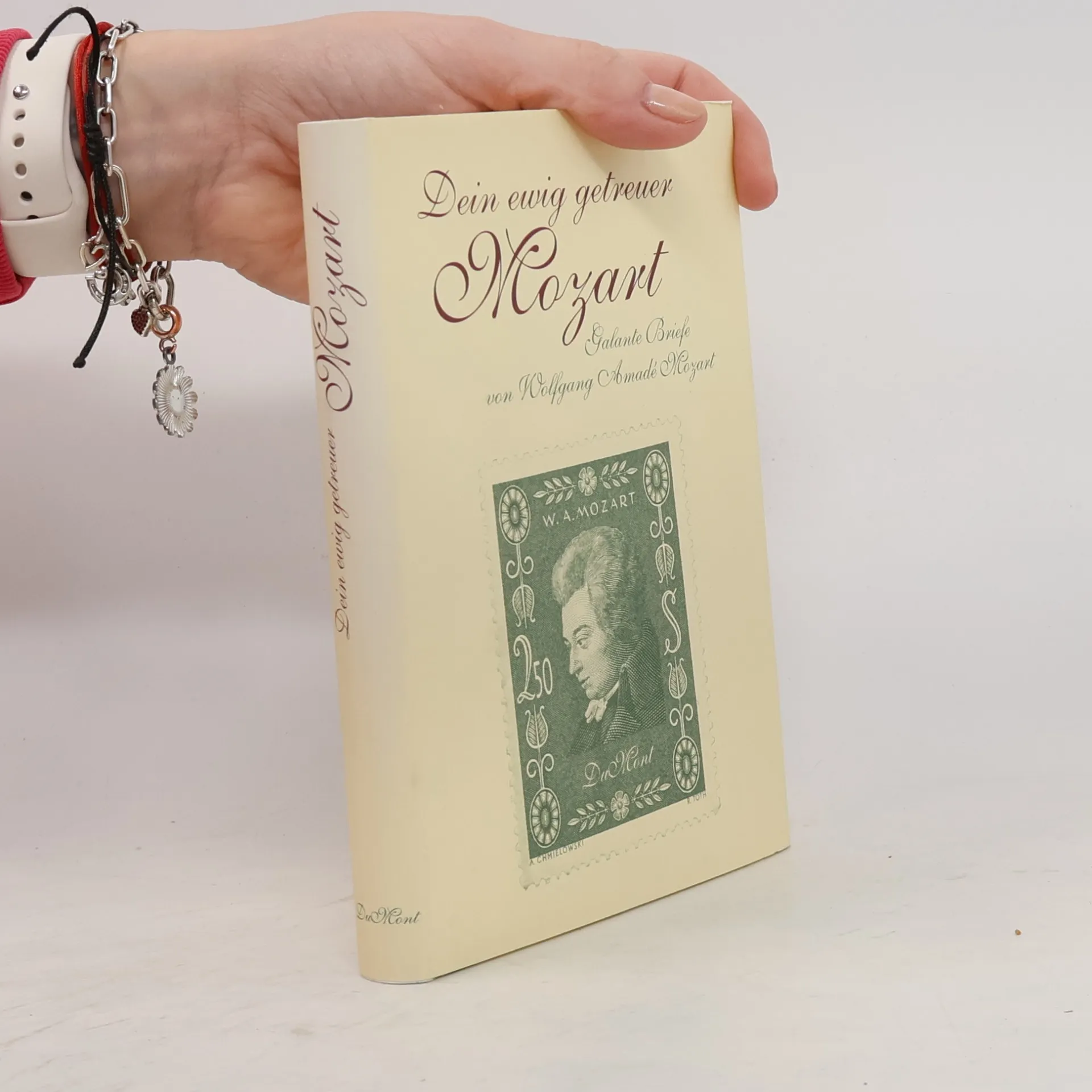
Wolfgang Amadeus Mozart in seinen galanten Briefen – zum 250. Geburtstag (27. Januar 2006) Wolfgang Amadeus Mozart war nicht nur ein genialer Komponist und Virtuose. Seine überquellende Korrespondenz zeigt ihn auch als begnadeten Briefschreiber – nicht zuletzt in seinen galanten Briefen. In diesen Briefen gewinnt auf andere Weise das Leben dieses Kinderstars, Klaviervirtuosen und Opernkomponisten Konturen. Da sind die Briefe zwischen Mozart und seiner Kusine Anna Maria Thekla – die 'Bäsle'-Briefe, die zwischen 1777 und 1782 zwischen Vetter und Kusine ausgetauscht wurden und deren Ausdrucksweise und Tonfall sie berühmt gemacht haben. Da ist der einzig erhaltene Brief an seine liebste Freundin Aloysia von 1778. Und schließlich: die Briefe an seine Frau Constanze, berührende Zeugnisse seiner Ehe bis zum frühen Tod 1791.
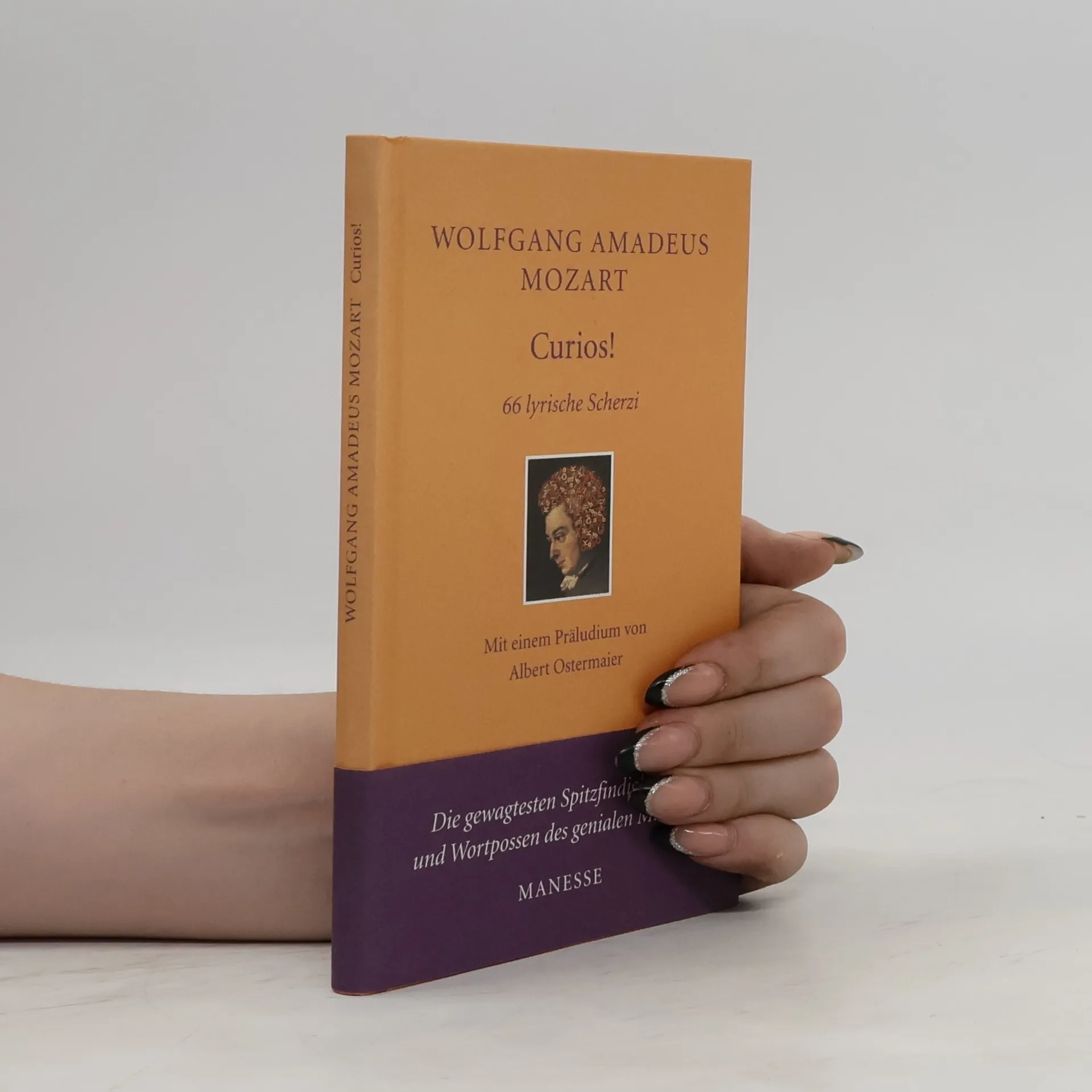
In ihrer Unverblümtheit sind Mozarts Briefe auch heute noch eine höchst vergnügliche Angelegenheit. Aus dem reichen Angebot scherzhafter und unterhaltsamer Passagen und Bonmots ist in diesem Band das Beste zusammengestellt. Er gewährt einen farbenreichen und sehr unmittelbaren Einblick in Mozarts Lebensumstände, seine Dienstverhältnisse und Arbeitsweise. Im Anhang informiert eine Zeittafel über Mozarts wichtigste Lebensstationen.
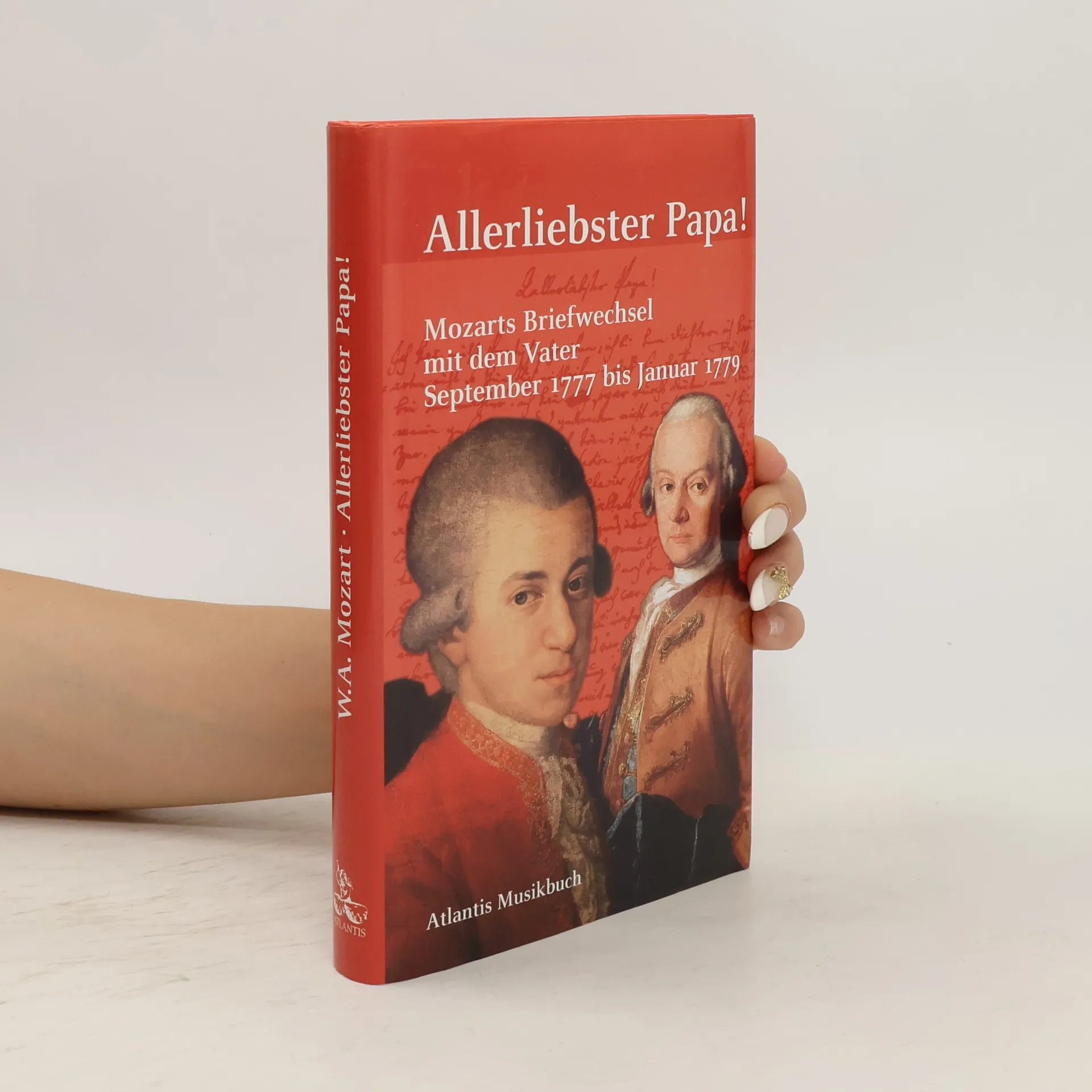
Der Herausgeber hat gute Gründe, wenn er dem Leser eine komprimierte Fassung jenes Briefwechsels vorlegt, den Mozart während seiner sechzehnmonatigen Reise nach Mannheim und Paris mit dem in Salzburg verbliebenen Vater geführt hat. Denn von ganz wenigen Briefen abgesehen ist die hier herangezogene mozartische Korrespondenz einem breiten Leserpublikum noch unbekannt. Dabei muss es als Glücksfall angesehen werden, dass gerade dieser in eine für Mozarts Persönlichkeitsentwicklung besonders wichtige Lebensphase fallende Briefwechsel von beiden Seiten nahezu vollständig erhalten ist, also dialogisch nacherlebt werden kann. Die von Ende 1777 bis Anfang 1779 zwischen Vater und Sohn so umfang- wie themenreich ausgetauschten Briefe führen in einzigartiger Weise in Mozarts unmittelbare persönliche Nähe. Diese Nähe jenen Musikliebhabern zu vermitteln, die über das Musikerlebnis hinaus an dem Menschen Mozart, seinen Problemen und Lebensbedingungen interessiert sind, ist die Absicht dieses Buches. Eine lohnenswerte, anregende Lektüre, die das zeitlose und spannende Thema „Vater und Sohn“ beleuchtet.
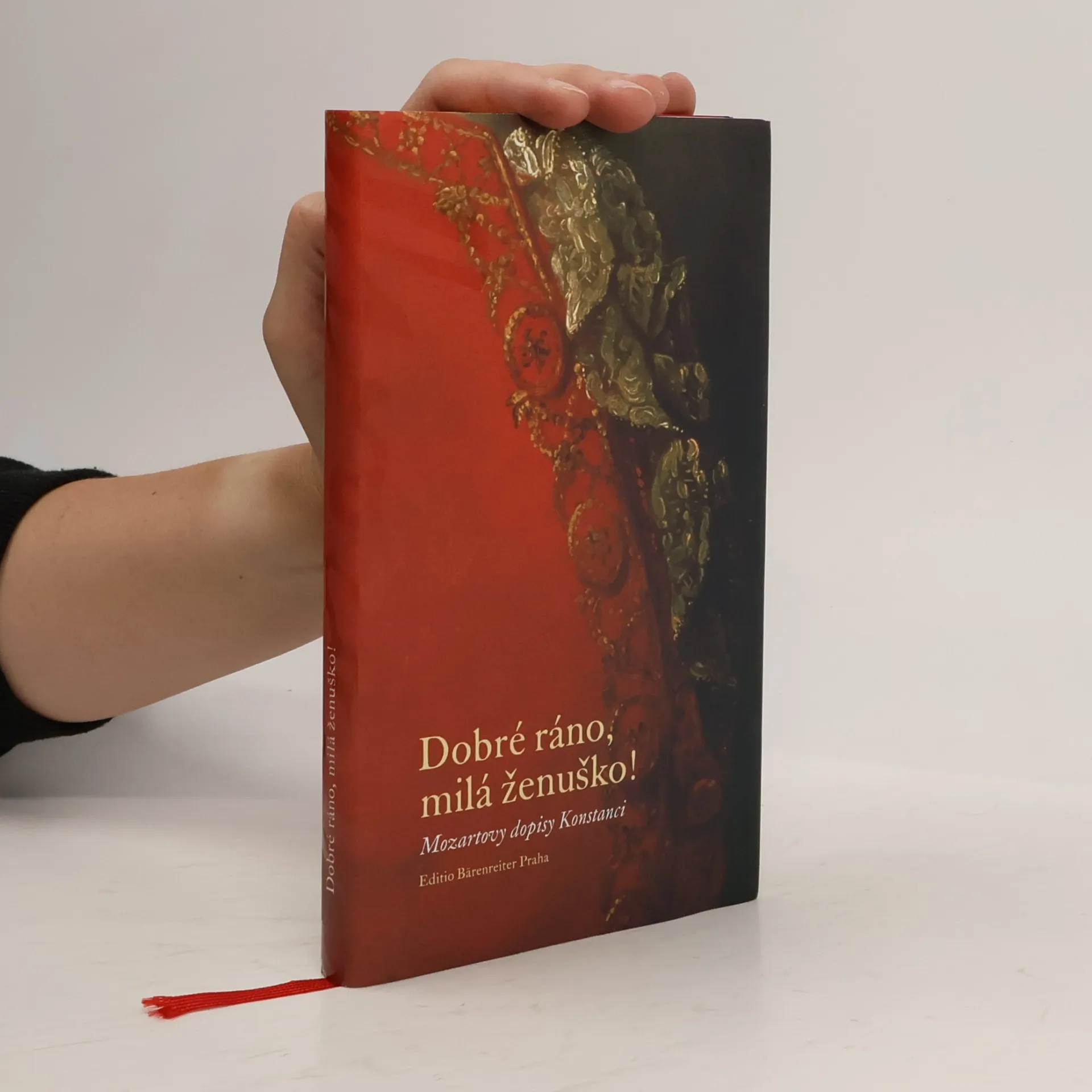
Kniha, vydaná u příležitosti mozartovského roku , je výborem dopisů, které Mozart napsal své ženě Konstanci převážně v posledních třech letech svého života. Dopisy hravé a provokativní stejně jako vážné a zoufalé jsou překvapivým dokladem něžného vztahu, jenž byl i v krizových posledních měsících naplněn neutuchající touhou a měl téměř podobu spolčení proti zbytku světa. Editorka v předmluvě a komentářích k jednotlivým dopisům čtenáři přibližuje dobové reálie, doplňuje podrobnosti z Mozartova života a tvorby, zároveň však také koriguje rozšířené předsudky vůči Konstanci. Vydání je doplněno o český kontext a biografický dodatek se základními údaji o zmiňovaných osobách. Většina dopisů je zde v češtině publikována vůbec poprvé. (Mozartovy dopisy Konstanci)
What was Mozart really like? Wild? Sublime? Responsible? Fun-loving? Bright? Foul-mouthed? Reading these sparkling new translations of Mozart's letters, we learn in his own words that he was all of these and much more. Here is the composer at his most intimate and unguarded, expressing his feelings about life, love, music and the world around him.
Piano
Vrcholná Shakespearova komedie pojednává o tom, jak různorodá může být láska a jakou svobodu může skýtat vyhnanství. Vtipná a kurážná Rosalinda je jednou z nejlepších ženských postav, jakou dramatik vytvořil.
Adapted From The Opera By W.A. Mozart
(Piano Solo). Even Mozart had to learn how to play the piano. This collection of easy works includes 25 pieces composed by both young Mozart and by his father, for his piano lessons. Including pieces from the volume Notebook for Wolfgang alongside popular pieces by Mozart such asAh vous dirai-je Maman (variations) and themes from Sonata in A major KV 331 and Sonata in C major KV 545. All pieces can be played with or without pedal.
Opera completa per canto e pianoforte
Klavierauszug
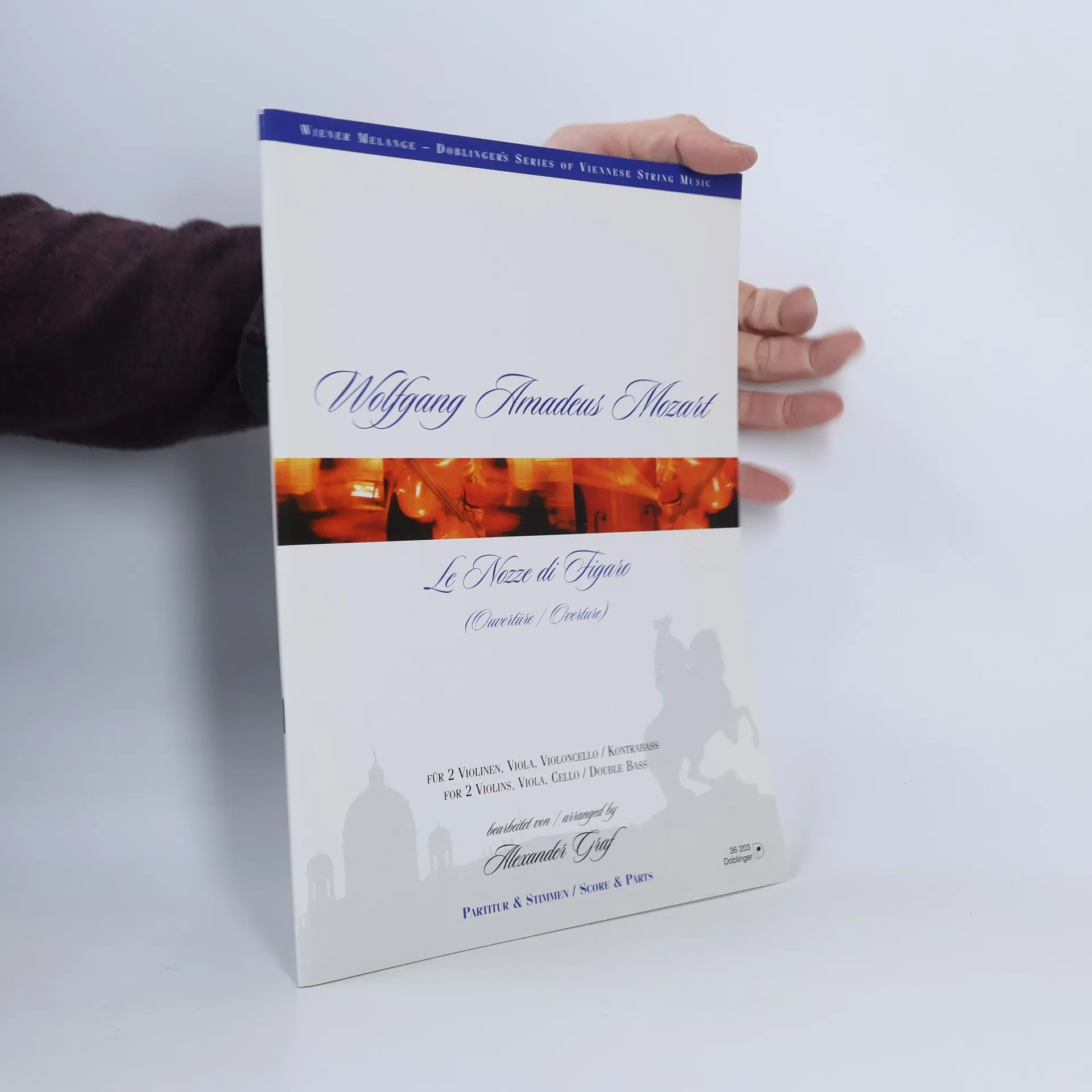
Ouvertüre / Overture - Partitur & Stimmen / Score & Parts
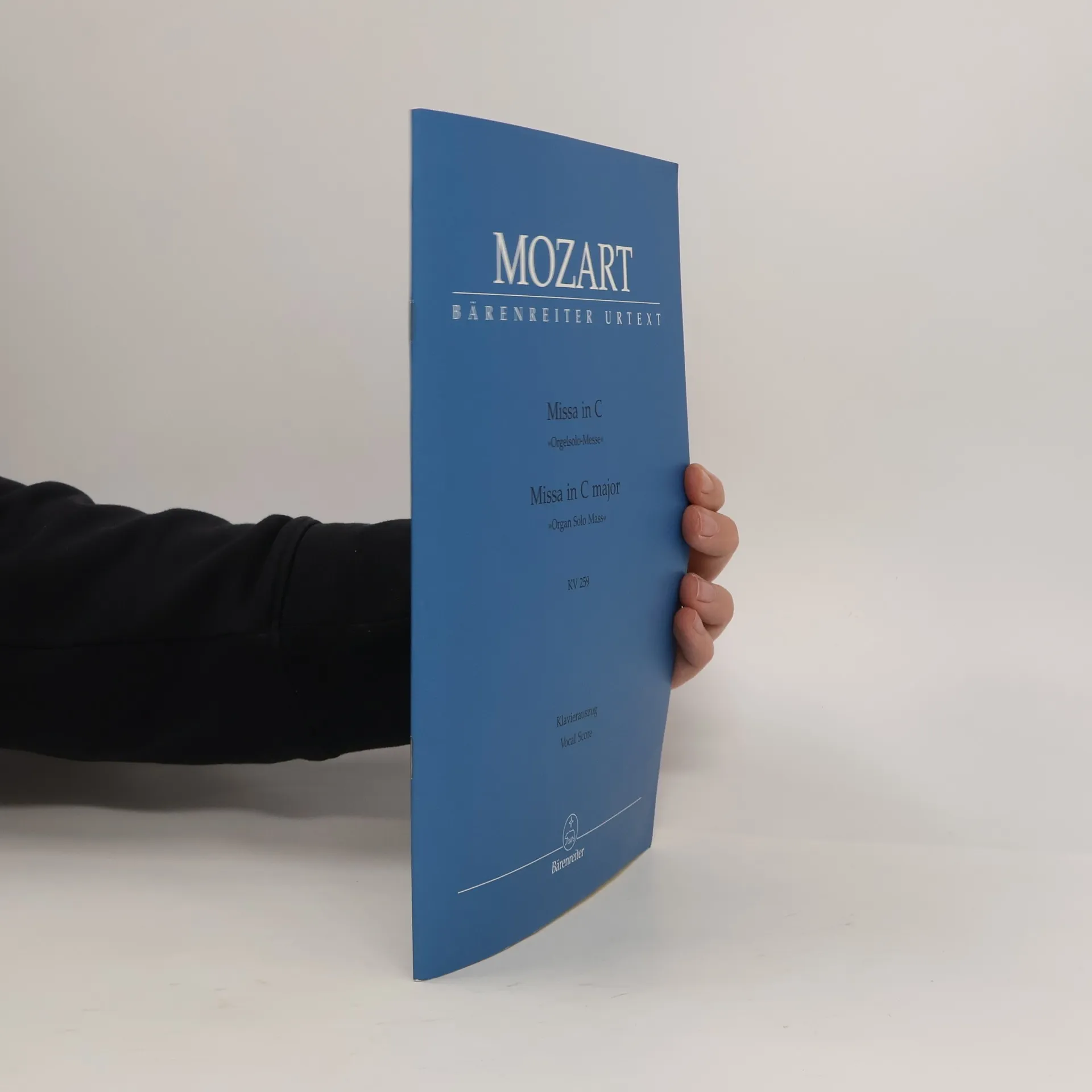
Organ Solo Mass; KV 259 - Klavierauszug / Vocal Score
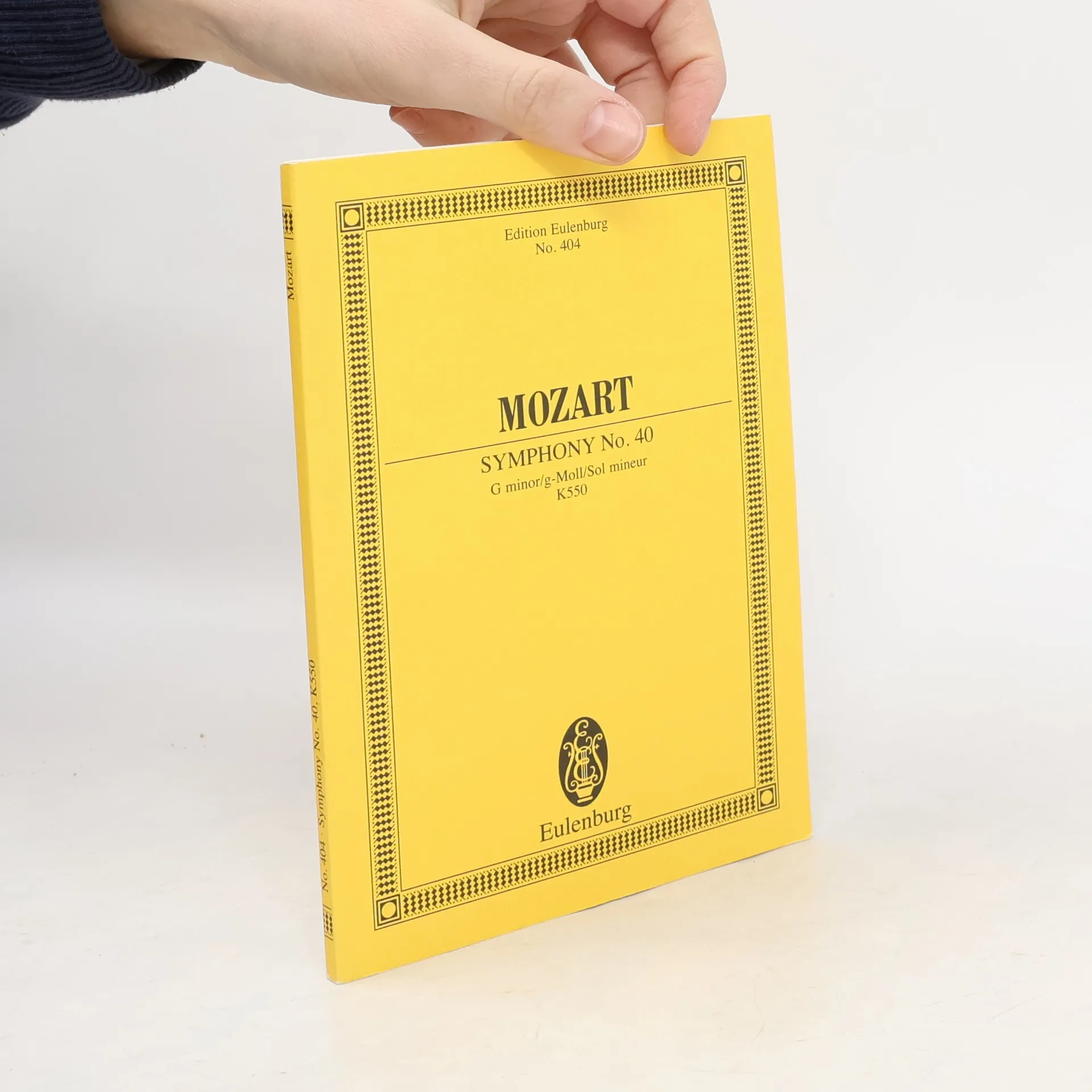
G-Moll, Sol Mineur ; K 550
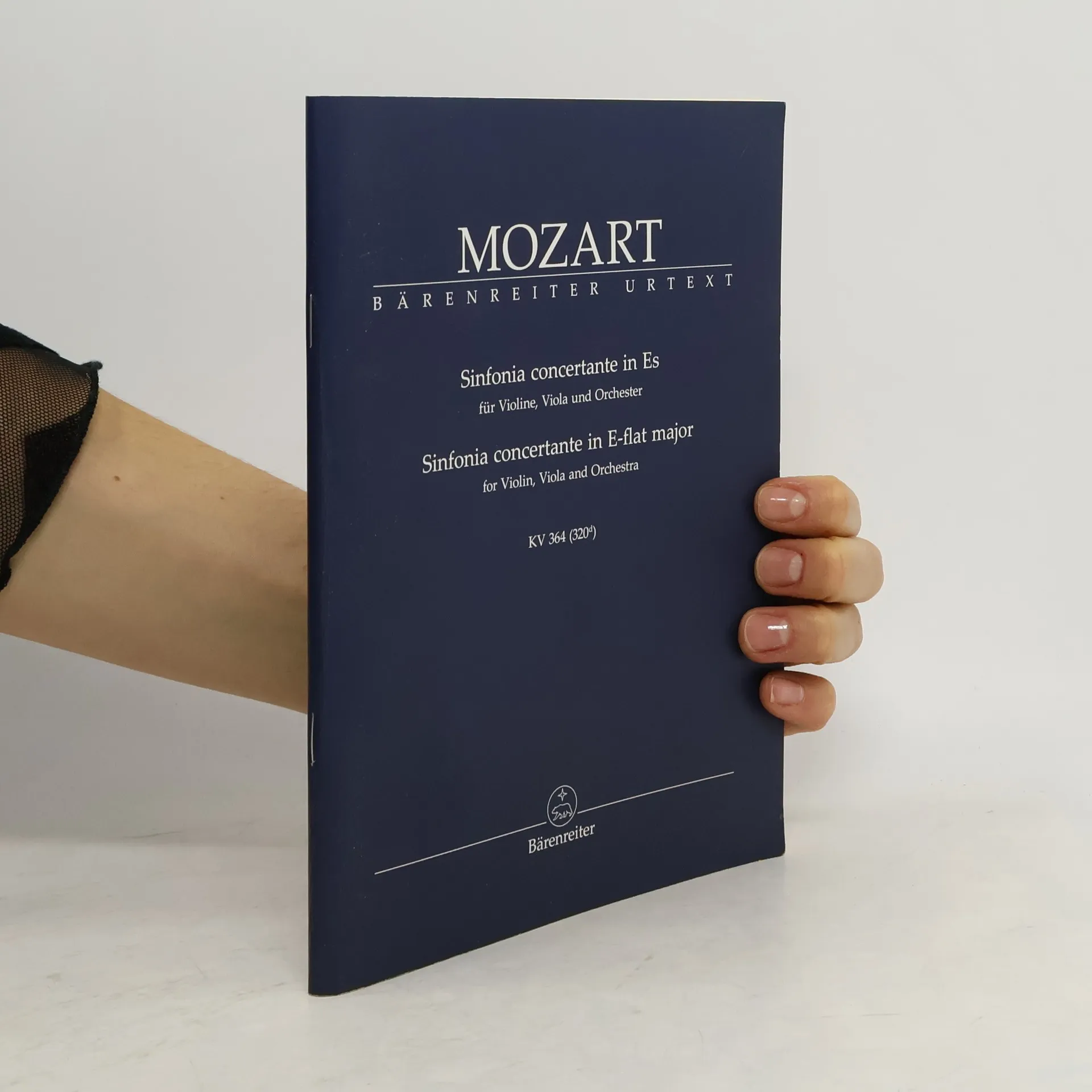
(Schott). Preface * I. Molto Allegro * II. Andante * III. Menuetto / Trio. Allegretto * IV. (Finale). Allegro assai
(Schott). For soprano and orchestra. Study score.
The Black Dog Opera Library is the most popular, informative, and budget-friendly way to enjoy the greatest operas of all time. Each book contains a history of the opera, a synopsis of the story, a complete libretto in its original language as well as in English, dozens of photos, and a world-class Angel/EMI recording of the entire opera on two CDs. It's a must-have for die-hard opera lovers as well as those in need of an introduction to the timeless art form.