
Knihobot

Isabel Fonseca

    1. leden 1963

    Tato autorka se ponořila do života Romů, žila s nimi po čtyři roky a prozkoumala jejich kulturu od Albany po Polsko. Její psaní, které se objevuje v předních novinách a časopisech, se vyznačuje hlubokým pochopením pro lidskou zkušenost a poutavým stylem. Prostřednictvím svých děl se snaží odhalit složitosti života a vztahů. Její práce je ceněna pro svou autentičnost a pronikavé postřehy.

    Isabel Fonseca
    Seppellitemi in piedi
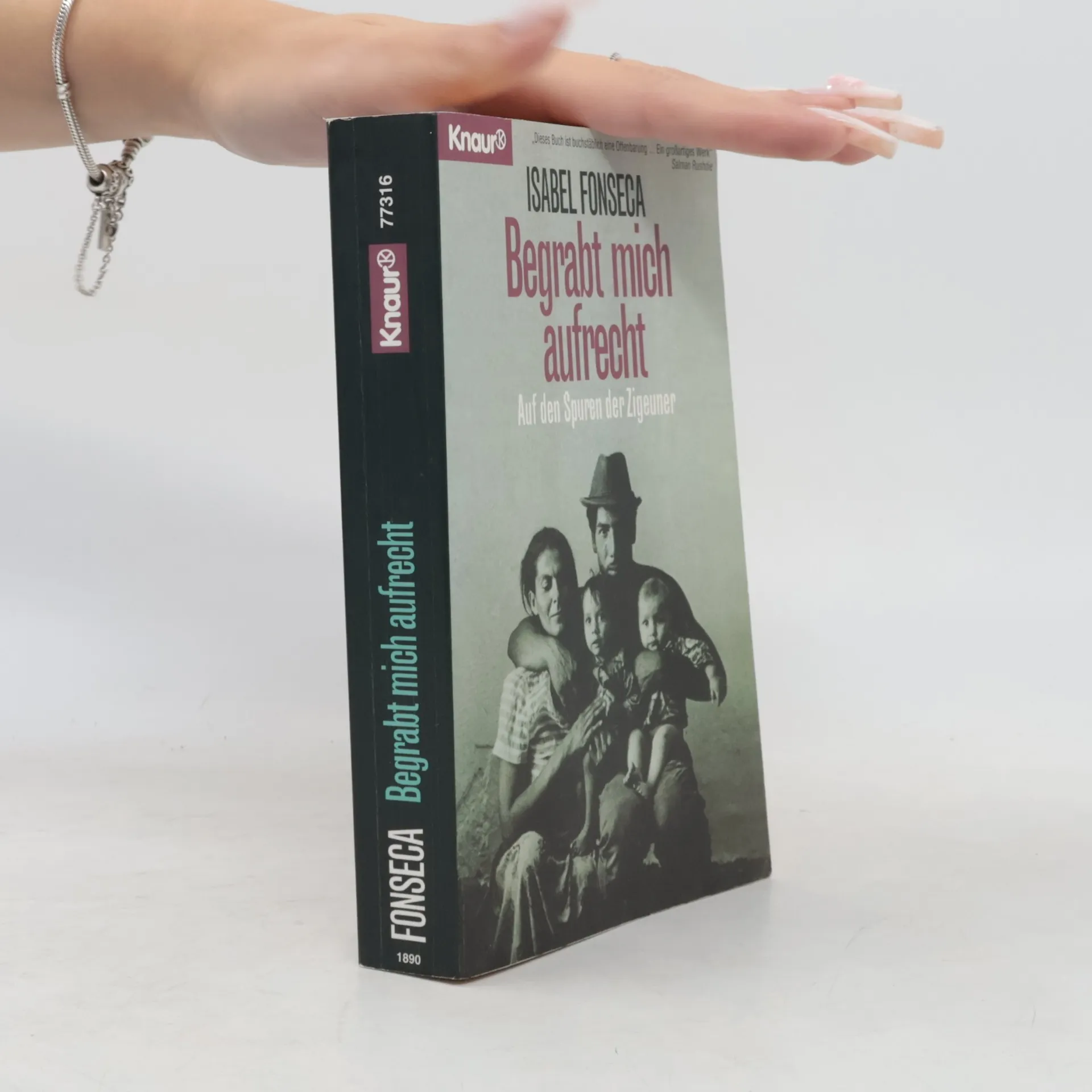
    Begrabt mich aufrecht
    Attachment
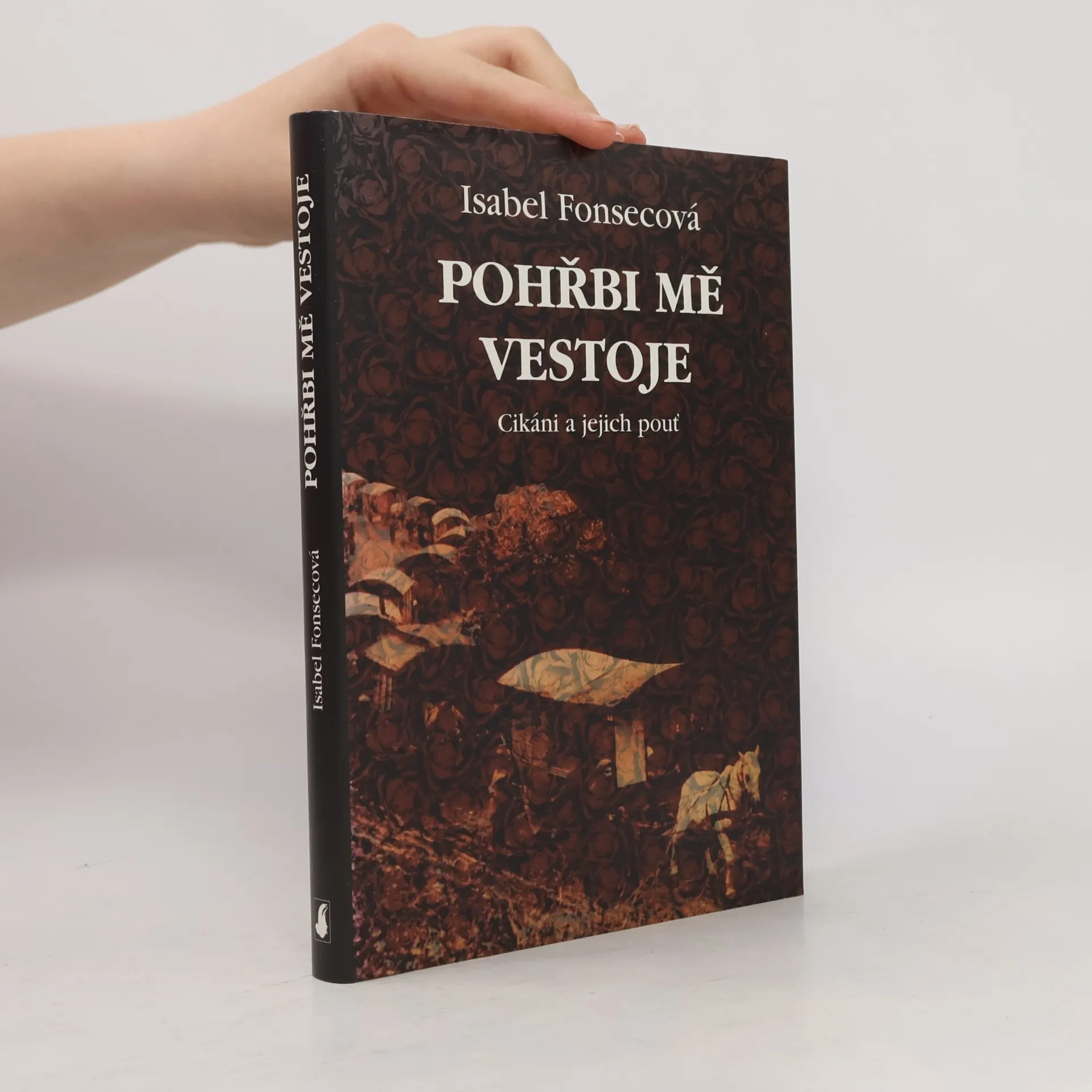
    Pohřbi mě vestoje: Cikáni a jejich pouť
    • 4,0(3436)Ohodnotit

      Pozoruhodná práce americké autorky, která se věnuje současnému životu Romů zejména ve východní a střední Evropě. Autorka se zabývá výhradně Romy v komunitách, v nichž prožila řadu měsíců, aby pronikla do jejich způsobu života, kultury, zvyků, umění a zejména postojů k životu a okolnímu světu. Je to kniha velice zajímavá s důrazem na úctu k jiné kultuře. Doplněno mnoha autentickými fotografiemi z romských komunit.

      Pohřbi mě vestoje: Cikáni a jejich pouť
    • Intriguing, sexy, smart and provocative, a bold and brilliant fictional debut which will make waves.

      Attachment
    • Begrabt mich aufrecht

      • 431 stránek
      • 16 hodin čtení

      Der Großteil der europäischen Zigeuner, rund 6,5 Millionen, lebt in Osteuropa, in Bulgarien, Polen, Tschechien, in der Slowakei, in Rumänien, Albanien, dem ehemaligen Jugoslawien. Die amerikanische Journalistin Isabel Fonseca ist den Spuren dieses Volkes, dessen Geschichte nahezu im Dunkel liegt, nachgegangen und hat mit ihm gelebt. Ihre Schilderungen sind farbig und anekdotenreich, aber auch bedrückend, wenn es um die gegenwärtige wirtschaftliche und soziale Situation geht.

      Begrabt mich aufrecht
    • Seppellitemi in piedi

      In viaggio lungo i sentieri del popolo Rom

      • 336 stránek
      • 12 hodin čtení

      Gypsies have always intrigued and fascinated - partly because of their mysterious origins, and partly because of the romance of nomadism. But because they resist assimilation, having survived as a distinct people for over a thousand years, they have also been the victims of other people's nationalism and xenophobia. In this fascinating and timely study, Fonseca focuses particularly on the gypsies in Eastern Europe (an estimated 6 million), and their future as a distinct race within a nationalist Europe. While researching the book, Fonseca learned Romany and stayed with the gypsies, becoming deeply involved with their lives, and befriending several gypsy kings. The result is a clolourful and frank book, filled with enthusiasm and curiosity, without lapsing into piety or romanticism.

      Seppellitemi in piedi