Gianlorenzo Bernini was the greatest sculptor of the Baroque period. Published to coincide with a major exhibition at the J Paul Getty Museum in 2008, this title presents a study that features drawings and paintings by Bernini and his contemporaries that demonstrates their unrivalled range, skill, and acuity.
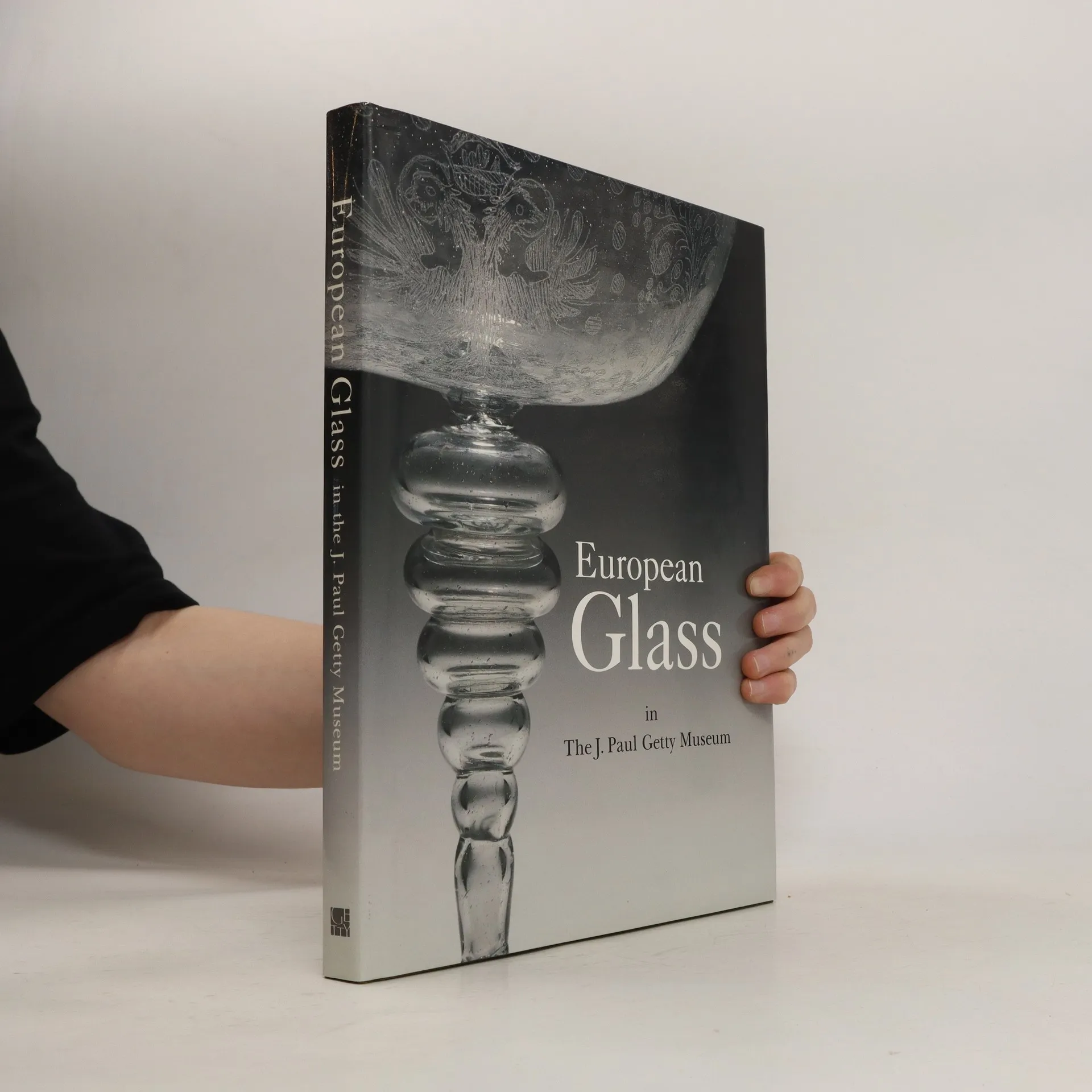
This beautifully illustrated volume presents sixty-eight objects from one of the world's finest collections of post-classical glass--including such marvels as glass imitating rock-crystal and other semi-precious stones, glass formed into large and intricate shapes, and glass decorated withengraving, enameling, gilding, and carving. Each object is painstakingly described and a series of essays provide a wealth of background information.
J. Paul Getty had a passion for the exquisitely made furniture and decorative objects of eighteenth-century France, which he began collecting in the 1930s. Gillian Wilson, curator of decorative arts since 1971, has broadened and strengthened the collection, adding Boulle furniture, mounted oriental porcelain, tapestries, clocks, ceramics, and more. In the 1980s and 1990s the Museum continued to enlarge its decorative arts holdings, creating a European sculpture department in 1984 and adding glass, maiolica, goldsmiths' work, pietre dure, and furniture from Italy and Northern Europe. This book is a revised and expanded edition of Decorative Arts: An Illustrated Summary Catalogue of the Collection of the J. Paul Getty Museum (1993). In addition to more than forty recent acquisitions--among these four wall sconces from Versailles that once belonged to Marie Antoinette and an elaborate upholstered bed from the collection of Karl Lagerfeld--it includes the results of years of research. Designed for scholars, students, and devotees of the decorative arts, this volume provides a comprehensive look at the Getty's fine collection.